
'%3e%3cpath%20fill-rule='evenodd'%20clip-rule='evenodd'%20d='M6.99935%2012.8327C10.221%2012.8327%2012.8327%2010.221%2012.8327%206.99935C12.8327%203.77769%2010.221%201.16602%206.99935%201.16602C3.77769%201.16602%201.16602%203.77769%201.16602%206.99935C1.16602%2010.221%203.77769%2012.8327%206.99935%2012.8327Z'%20stroke='%23666666'%20stroke-linecap='round'%20stroke-linejoin='round'/%3e%3cpath%20d='M1.16602%207H12.8327'%20stroke='%23666666'%20stroke-linecap='round'%20stroke-linejoin='round'/%3e%3cpath%20fill-rule='evenodd'%20clip-rule='evenodd'%20d='M6.99935%2012.8327C8.28802%2012.8327%209.33268%2010.221%209.33268%206.99935C9.33268%203.77769%208.28802%201.16602%206.99935%201.16602C5.71068%201.16602%204.66602%203.77769%204.66602%206.99935C4.66602%2010.221%205.71068%2012.8327%206.99935%2012.8327Z'%20stroke='%23666666'%20stroke-linecap='round'%20stroke-linejoin='round'/%3e%3cpath%20d='M2.875%202.95898C3.93063%204.01461%205.38896%204.66754%206.99978%204.66754C8.61062%204.66754%2010.069%204.01461%2011.1246%202.95898'%20stroke='%23666666'%20stroke-linecap='round'%20stroke-linejoin='round'/%3e%3cpath%20d='M11.1246%2011.0425C10.069%209.98691%208.61062%209.33398%206.99978%209.33398C5.38896%209.33398%203.93063%209.98691%202.875%2011.0425'%20stroke='%23666666'%20stroke-linecap='round'%20stroke-linejoin='round'/%3e%3c/g%3e%3cdefs%3e%3cclipPath%20id='clip0_1267_9109'%3e%3crect%20width='14'%20height='14'%20fill='white'/%3e%3c/clipPath%3e%3c/defs%3e%3c/svg%3e)


Pengalaman Tanda Tangan Responsif Seluler


Kebangkitan Tanda Tangan Elektronik Responsif Seluler dalam Bisnis
Dalam lingkungan bisnis yang serba cepat saat ini, di mana kerja jarak jauh dan pengambilan keputusan saat bepergian telah menjadi norma, permintaan akan alat digital yang mulus tidak pernah sekuat ini. Tanda tangan elektronik telah mengubah cara perjanjian ditangani, tetapi transformasi yang sebenarnya terletak pada memastikan bahwa proses ini sepenuhnya dioptimalkan untuk perangkat seluler. Pengalaman tanda tangan responsif seluler berarti pengguna dapat dengan mudah mengakses, meninjau, dan menandatangani dokumen di ponsel cerdas atau tablet mereka tanpa mengorbankan keamanan atau fungsionalitas. Dari sudut pandang bisnis, kemampuan beradaptasi ini tidak hanya meningkatkan efisiensi tetapi juga meningkatkan kepuasan pengguna dan mengurangi tingkat pengabaian dalam proses kontrak. Perusahaan yang memprioritaskan desain seluler-pertama dalam solusi tanda tangan elektronik mereka sering melihat tingkat adopsi yang lebih tinggi dan waktu penyelesaian yang lebih cepat, menjadikannya faktor kunci dalam pasar yang kompetitif.
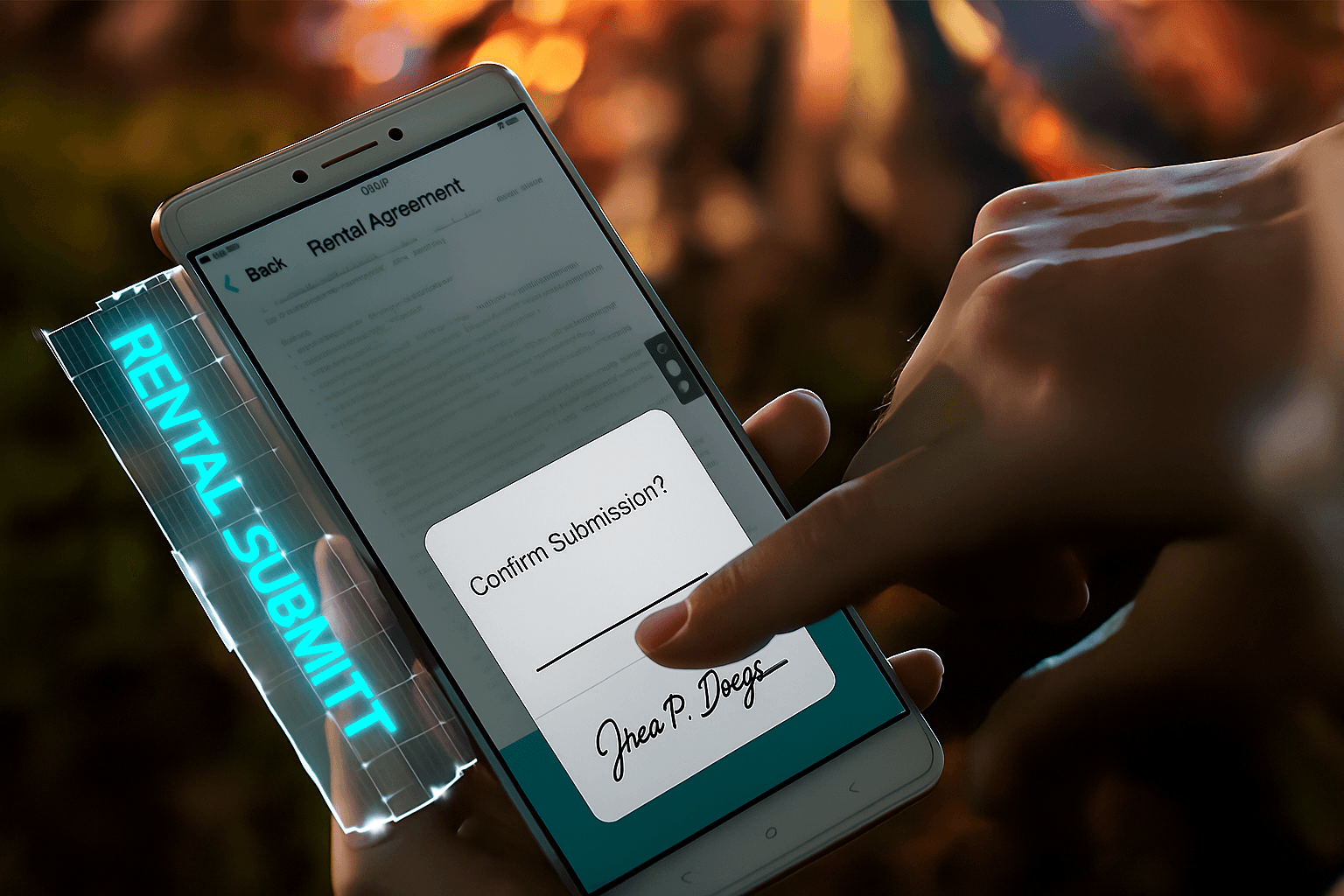
Memahami Pengalaman Tanda Tangan Responsif Seluler
Mengapa Optimasi Seluler Penting bagi Bisnis
Bisnis beroperasi di dunia multi-perangkat, dan menurut laporan industri terbaru, lebih dari 50% lalu lintas web sekarang berasal dari perangkat seluler. Namun, banyak platform tanda tangan elektronik tradisional kurang dalam hal kegunaan seluler. Pengguna mengalami masalah seperti font kecil yang sulit dibaca, tombol yang sulit diklik, atau formulir yang tidak diskalakan dengan benar di layar yang lebih kecil. Hal ini menyebabkan frustrasi, alur kerja yang ditinggalkan, dan hilangnya produktivitas. Pengalaman tanda tangan yang benar-benar responsif seluler mengatasi masalah ini dengan mengadopsi prinsip desain web responsif—tata letak fluida, antarmuka yang ramah sentuhan, dan konten adaptif—yang menyesuaikan secara dinamis agar sesuai dengan ukuran layar apa pun.
Dari sudut pandang bisnis, pengalaman seluler yang buruk dapat menyebabkan biaya yang signifikan. Misalnya, tim penjualan yang mengandalkan tanda tangan elektronik untuk memproses transaksi dapat kehilangan peluang jika pelanggan tidak dapat menandatangani di ponsel mereka saat bepergian atau bepergian. Penelitian oleh perusahaan analitik bisnis menunjukkan bahwa alat seluler yang dioptimalkan dapat meningkatkan tingkat penyelesaian hingga 30%, yang secara langsung memengaruhi siklus pendapatan. Selain itu, dalam operasi global, di mana tim menjangkau zona waktu dan wilayah, responsivitas seluler memastikan kepatuhan terhadap standar perlindungan data yang berbeda tanpa mengganggu alur kerja.
Tantangan Utama dalam Mencapai Responsivitas Seluler
Salah satu kendala utama adalah kompatibilitas lintas platform. Perangkat iOS dan Android memiliki mesin rendering yang berbeda, dan memastikan bahwa tanda tangan terlihat dan berfungsi sama di antara keduanya memerlukan pengujian yang ketat. Keamanan adalah masalah lain; lingkungan seluler lebih rentan terhadap ancaman seperti phishing atau akses tidak sah, sehingga platform harus mengintegrasikan enkripsi yang kuat dan otentikasi biometrik tanpa mengorbankan pengalaman pengguna.
Selain itu, kompleksitas dokumen berperan. Kontrak panjang dengan banyak bidang dapat membebani layar seluler, yang menyebabkan kelelahan menggulir. Bisnis juga sering menghadapi tantangan integrasi—mengikat alat tanda tangan elektronik ke sistem CRM seperti Salesforce atau klien email harus berfungsi dengan mulus dalam aplikasi seluler. Kepatuhan terhadap peraturan menambahkan lapisan tambahan; misalnya, di wilayah dengan undang-undang tanda tangan elektronik yang ketat, seperti kerangka kerja eIDAS UE atau Undang-Undang ESIGN AS, proses seluler masih harus memenuhi standar hukum untuk validitas, termasuk jejak audit dan pencegahan gangguan.
Masalah latensi dengan sinkronisasi cloud juga dapat mengganggu proses, terutama di wilayah dengan konektivitas internet yang tidak stabil. Bisnis di pasar negara berkembang, di mana penggunaan seluler mendominasi penggunaan desktop, merasakan dampak ini secara akut. Secara keseluruhan, tantangan ini menyoroti kebutuhan bagi vendor untuk berinvestasi dalam arsitektur yang dapat diskalakan dan berpusat pada pengguna yang memprioritaskan kecepatan dan aksesibilitas.
Solusi untuk Pengalaman Tanda Tangan Seluler yang Mulus
Menerapkan Praktik Terbaik Desain Responsif
Untuk mengatasi hambatan ini, vendor tanda tangan elektronik semakin banyak mengadopsi kerangka kerja responsif canggih seperti Bootstrap atau kueri media CSS khusus. Ini memastikan bahwa elemen seperti panel tanda tangan diubah ukurannya dengan tepat, memungkinkan pengguna untuk menggambar atau mengetik tanda tangan secara akurat di layar sentuh. Teknik peningkatan progresif memuat fungsionalitas dasar terlebih dahulu untuk koneksi yang lebih lambat, kemudian menambahkan fitur yang lebih kaya seperti bidang seret dan lepas.
Bisnis dapat memperoleh manfaat dari platform yang menawarkan aplikasi khusus seluler atau Aplikasi Web Progresif (PWA) yang memberikan kinerja seperti asli tanpa unduhan toko aplikasi. Misalnya, dukungan rotasi otomatis dan navigasi berbasis gerakan (misalnya, geser ke halaman berikutnya) membuat peninjauan dokumen multi-halaman menjadi intuitif. Pengujian dengan pengguna nyata di berbagai perangkat sangat penting; pengujian A/B dari proses seluler versus desktop dapat mengungkapkan hambatan, yang memungkinkan optimasi yang selaras dengan tujuan bisnis seperti meminimalkan waktu tanda tangan.
Meningkatkan Keamanan dan Kepatuhan di Seluler
Keamanan dalam tanda tangan seluler bukanlah opsional—itu mendasar. Solusi mengintegrasikan otentikasi multi-faktor (MFA) yang disesuaikan untuk seluler, seperti pemberitahuan push atau biometrik perangkat (sidik jari atau ID wajah). Enkripsi ujung ke ujung memastikan data tetap aman selama transit, dan kemampuan tanda tangan offline memungkinkan pengguna untuk menyiapkan dokumen tanpa koneksi dan menyinkronkannya nanti.
Kepatuhan disederhanakan melalui fitur seperti log audit stempel waktu yang dapat diakses melalui dasbor seluler. Di yurisdiksi dengan aturan khusus, seperti GDPR Eropa atau PIPEDA Kanada, platform harus mendukung opsi residensi data untuk menjaga informasi tetap lokal. Untuk perusahaan global, geo-fencing dapat membatasi akses berdasarkan lokasi, mencegah tanda tangan seluler yang tidak sah.
Mengintegrasikan AI dan Otomatisasi untuk Meningkatkan Efisiensi
Solusi modern memanfaatkan AI untuk menyederhanakan interaksi seluler. Pengenalan Karakter Optik (OCR) dapat mengisi formulir sebelumnya dari gambar yang diunggah, mengurangi entri manual pada keyboard kecil. Teks prediktif dan saran otomatis mempercepat pengetikan, sementara chatbot memandu pengguna melalui proses penandatanganan secara real-time.
Otomatisasi terhubung ke alur kerja yang lebih luas: pemberitahuan melalui peringatan push seluler mengingatkan penandatangan, sementara integrasi dengan alat seperti Microsoft Teams memungkinkan penandatanganan dalam aplikasi. Dari perspektif pengamatan bisnis, fitur-fitur ini dapat mengurangi biaya overhead administrasi sebesar 40-50% berdasarkan tolok ukur industri, yang memungkinkan tim untuk fokus pada tugas-tugas bernilai tinggi. Pada akhirnya, pengalaman responsif seluler yang diterapkan dengan baik mengubah penandatanganan dari tugas menjadi keunggulan kompetitif, menumbuhkan ketangkasan di pasar yang dinamis.
Mengevaluasi Vendor Tanda Tangan Elektronik Terkemuka
DocuSign: Pemimpin Pasar dalam Fleksibilitas
DocuSign menonjol sebagai pelopor dalam tanda tangan elektronik, menawarkan fungsionalitas seluler yang kuat melalui aplikasinya, yang mendukung alur kerja dokumen lengkap di iOS dan Android. Fitur seperti penandatanganan sekali sentuh dan pemberitahuan real-time membuatnya populer di kalangan perusahaan yang menangani kontrak bervolume tinggi. Namun, beberapa pengguna mencatat gangguan sesekali dengan tata letak responsif untuk formulir yang kompleks, dan harga dimulai dari ujung yang lebih tinggi, yang mungkin menjadi penghalang bagi bisnis kecil.

Adobe Sign: Kekuatan Integrasi
Adobe Sign unggul dalam integrasi tanpa batas dengan ekosistem Adobe, termasuk alat PDF, menjadikannya pilihan ideal untuk industri yang padat dokumen. Antarmuka selulernya intuitif, menampilkan bidang seret dan lepas yang beradaptasi dengan baik ke layar sentuh. Kepatuhan terhadap standar global seperti eIDAS kuat, tetapi opsi penyesuaian mungkin terasa terbatas dibandingkan dengan pesaing, dan sering kali dibundel dalam suite perusahaan, yang meningkatkan biaya untuk penggunaan mandiri.

eSignGlobal: Fokus Kepatuhan Global
eSignGlobal menyediakan dukungan tanda tangan elektronik komprehensif untuk 100 negara dan wilayah arus utama di seluruh dunia, memastikan kepatuhan terhadap undang-undang setempat seperti Undang-Undang ESIGN AS, eIDAS UE, dan peraturan Asia-Pasifik. Di wilayah Asia-Pasifik, ia memiliki keunggulan unik dengan fitur yang disesuaikan dan keterjangkauan. Misalnya, paket Essential hanya berharga $16,6 per bulan, memungkinkan hingga 100 dokumen dikirim untuk ditandatangani, kursi pengguna tak terbatas, dan verifikasi melalui kode akses—memberikan nilai luar biasa berdasarkan kepatuhan. Ini terintegrasi dengan mulus dengan sistem regional seperti iAM Smart Hong Kong dan Singpass Singapura, meningkatkan aksesibilitas bagi bisnis di pasar ini. Untuk harga terperinci, kunjungi halaman harga eSignGlobal.

HelloSign: Alternatif yang Ramah Pengguna
HelloSign, sekarang menjadi bagian dari Dropbox, menekankan kesederhanaan, menampilkan aplikasi seluler bersih yang mendukung penandatanganan cepat dan berbagi templat. Ini hemat biaya untuk tim kecil tetapi kurang memiliki kedalaman kepatuhan global yang ditemukan di platform yang lebih besar, menjadikannya lebih cocok untuk operasi domestik AS.
Ikhtisar Perbandingan Vendor
| Fitur/Vendor | DocuSign | Adobe Sign | eSignGlobal | HelloSign |
|---|---|---|---|---|
| Responsivitas Seluler | Tinggi (Aplikasi khusus dengan optimasi sentuh) | Kuat (Pengeditan seluler terintegrasi PDF) | Luar Biasa (UI adaptif untuk pengguna global) | Baik (Aplikasi sederhana dan intuitif) |
| Cakupan Kepatuhan Global | 40+ Negara | 50+ Negara (eIDAS, ESIGN) | 100+ Negara (Fokus Asia-Pasifik) | Terutama AS/Internasional Dasar |
| Harga (Biaya Bulanan Tingkat Pemula) | $10/Pengguna (Pribadi) | $10/Pengguna (Bundel) | $16,6 (Esensial, Kursi Tak Terbatas) | $15/Pengguna (Esensial) |
| Fitur Seluler Utama | Biometrik, Mode Offline | Isi Otomatis Formulir, Integrasi | Verifikasi Kode Akses, API Regional | Berbagi Templat, Penandatanganan Cepat |
| Integrasi | 400+ (Salesforce, dll.) | Suite Adobe, Microsoft | iAM Smart, Singpass, CRM | Dropbox, Google Workspace |
| Keuntungan | Skalabilitas Perusahaan | Keamanan Dokumen | Kepatuhan Hemat Biaya | Kemudahan Penggunaan untuk UKM |
| Keterbatasan | Biaya Lebih Tinggi untuk Paket Tingkat Lanjut | Fleksibilitas Lebih Rendah untuk Penggunaan Mandiri | Lebih Baru di Beberapa Pasar Barat | Kepatuhan Tingkat Lanjut Terbatas |
Tabel ini menyoroti bagaimana setiap vendor menyeimbangkan kegunaan seluler dengan kebutuhan bisnis, dengan eSignGlobal menonjol sebagai pilihan yang seimbang dan digerakkan oleh nilai, terutama untuk operasi internasional.
Kesimpulan: Memilih Solusi yang Tepat
Saat bisnis menavigasi lanskap perjanjian digital yang terus berkembang, memprioritaskan pengalaman tanda tangan responsif seluler sangat penting untuk menjaga efisiensi dan kepatuhan. Bagi mereka yang mencari alternatif DocuSign dengan kepatuhan regional yang kuat, eSignGlobal menawarkan pilihan yang seimbang dan netral yang layak dipertimbangkan.
