
'%3e%3cpath%20fill-rule='evenodd'%20clip-rule='evenodd'%20d='M6.99935%2012.8327C10.221%2012.8327%2012.8327%2010.221%2012.8327%206.99935C12.8327%203.77769%2010.221%201.16602%206.99935%201.16602C3.77769%201.16602%201.16602%203.77769%201.16602%206.99935C1.16602%2010.221%203.77769%2012.8327%206.99935%2012.8327Z'%20stroke='%23666666'%20stroke-linecap='round'%20stroke-linejoin='round'/%3e%3cpath%20d='M1.16602%207H12.8327'%20stroke='%23666666'%20stroke-linecap='round'%20stroke-linejoin='round'/%3e%3cpath%20fill-rule='evenodd'%20clip-rule='evenodd'%20d='M6.99935%2012.8327C8.28802%2012.8327%209.33268%2010.221%209.33268%206.99935C9.33268%203.77769%208.28802%201.16602%206.99935%201.16602C5.71068%201.16602%204.66602%203.77769%204.66602%206.99935C4.66602%2010.221%205.71068%2012.8327%206.99935%2012.8327Z'%20stroke='%23666666'%20stroke-linecap='round'%20stroke-linejoin='round'/%3e%3cpath%20d='M2.875%202.95898C3.93063%204.01461%205.38896%204.66754%206.99978%204.66754C8.61062%204.66754%2010.069%204.01461%2011.1246%202.95898'%20stroke='%23666666'%20stroke-linecap='round'%20stroke-linejoin='round'/%3e%3cpath%20d='M11.1246%2011.0425C10.069%209.98691%208.61062%209.33398%206.99978%209.33398C5.38896%209.33398%203.93063%209.98691%202.875%2011.0425'%20stroke='%23666666'%20stroke-linecap='round'%20stroke-linejoin='round'/%3e%3c/g%3e%3cdefs%3e%3cclipPath%20id='clip0_1267_9109'%3e%3crect%20width='14'%20height='14'%20fill='white'/%3e%3c/clipPath%3e%3c/defs%3e%3c/svg%3e)


Mengelola Kontrak Lanskap


Esensi Manajemen Kontrak Lanskap Taman
Dalam bidang layanan lanskap taman yang sangat kompetitif, manajemen kontrak yang efektif sangat penting untuk memastikan keberhasilan proyek, kepuasan pelanggan, dan profitabilitas bisnis. Kontrak lanskap taman menguraikan ruang lingkup pekerjaan, jadwal, ketentuan pembayaran, dan tanggung jawab, tetapi penanganan yang buruk dapat menyebabkan perselisihan, penundaan, atau kerugian finansial. Dari sudut pandang bisnis, menyederhanakan proses ini melibatkan komunikasi yang jelas, kepatuhan hukum, dan alat yang efisien untuk melacak kemajuan dan modifikasi.
Memahami Tantangan Manajemen Kontrak Lanskap Taman
Proyek lanskap taman sering kali melibatkan permintaan musiman, kondisi cuaca yang bervariasi, dan banyak pemangku kepentingan, yang membuat pengawasan kontrak menjadi sangat kompleks. Perusahaan harus mengatasi beberapa tantangan utama untuk mempertahankan efisiensi operasional.
Mendefinisikan Ruang Lingkup dan Ekspektasi
Hambatan utama adalah mendefinisikan ruang lingkup proyek secara akurat. Kontrak lanskap taman biasanya mencakup desain, instalasi, pemeliharaan, dan terkadang elemen irigasi atau lanskap keras. Deskripsi yang tidak jelas dapat menyebabkan pergeseran ruang lingkup, di mana pelanggan meminta pekerjaan tambahan tanpa menyesuaikan anggaran. Untuk mengurangi hal ini, perusahaan harus menggunakan spesifikasi terperinci, termasuk daftar material, varietas tanaman, dan pengukuran lokasi. Kunjungan lokasi rutin selama fase penawaran membantu menyelaraskan ekspektasi, mengurangi kemungkinan kesalahpahaman.
Dari sudut pandang bisnis, ruang lingkup yang jelas melindungi margin keuntungan. Misalnya, perusahaan lanskap taman menengah dapat kehilangan 10-15% pendapatan setiap tahun karena pesanan perubahan yang tidak dibayar jika ruang lingkup tidak terdokumentasi dengan baik. Menerapkan templat standar yang mencakup daftar periksa untuk pengujian tanah, perizinan, dan kejadian cuaca yang tidak terduga memastikan konsistensi antar proyek.
Menangani Jadwal dan Penundaan
Jadwal adalah area penting lainnya. Pekerjaan lanskap taman sensitif terhadap waktu, sering kali terkait dengan musim tanam atau acara pelanggan (seperti pernikahan). Kontrak harus mencakup tonggak sejarah yang realistis, seperti fase penanaman atau tenggat waktu pemasangan rumput, dan menyertakan ketentuan untuk penundaan karena kejadian yang tidak terduga (seperti hujan lebat).
Perusahaan dapat menggunakan perangkat lunak manajemen proyek untuk memantau kemajuan, tetapi bahkan alat dasar seperti kalender bersama atau bagan Gantt yang terintegrasi ke dalam kontrak dapat membantu. Dalam kasus penundaan, mencatat komunikasi melalui email atau dalam dokumen kontrak sangat penting untuk penyelesaian sengketa. Pengamat netral mencatat bahwa pemberitahuan penundaan proaktif—dikirim dalam waktu 48 jam—dapat menjaga hubungan pelanggan dan menghindari litigasi.
Struktur Pembayaran dan Arus Kas
Ketentuan pembayaran secara langsung memengaruhi arus kas, terutama untuk pekerjaan lanskap taman yang padat material. Struktur umum mencakup pembayaran kemajuan (misalnya, uang muka 30%, pembayaran titik tengah 40%, pembayaran penyelesaian 30%) atau rilis berbasis tonggak sejarah. Pembayaran yang tertunda dapat membebani bisnis kecil, sehingga kontrak harus menentukan jadwal faktur, biaya keterlambatan (biasanya 1-2% per bulan), dan hak gadai.
Untuk mengoptimalkan hal ini, perusahaan lanskap taman sering kali meminta uang muka untuk menutupi 20-30% biaya pasokan. Dari sudut pandang industri, mengintegrasikan pengingat pembayaran otomatis dalam sistem manajemen kontrak dapat mengurangi beban administrasi dan meningkatkan tingkat pengumpulan hingga 25%.
Manajemen Risiko dan Kepatuhan
Lanskap taman melibatkan risiko yang melekat, seperti kerusakan properti atau cedera pekerja. Kontrak harus mencakup klausul ganti rugi, persyaratan asuransi, dan garansi (misalnya, jaminan kelangsungan hidup tanaman selama satu tahun). Kepatuhan terhadap peraturan setempat, seperti izin lingkungan untuk penggunaan air atau aplikasi pestisida, tidak dapat dinegosiasikan.
Perusahaan harus secara teratur mengaudit kontrak untuk memastikan kepatuhan terhadap undang-undang perburuhan dan standar keselamatan. Dalam analisis netral, perusahaan yang memprioritaskan alokasi risiko dalam kontrak mengalami lebih sedikit klaim; misalnya, menentukan siapa yang menangani tanggung jawab pengelolaan air hujan dapat mencegah perselisihan yang mahal.
Strategi untuk Manajemen Kontrak yang Efektif
Untuk mengatasi tantangan ini, perusahaan lanskap taman dapat mengadopsi pendekatan terstruktur yang meningkatkan efisiensi tanpa membuat operasi menjadi terlalu rumit.
Memanfaatkan Teknologi untuk Pelacakan
Alat digital merevolusi manajemen kontrak dengan memusatkan dokumentasi dan mengotomatiskan alur kerja. Platform berbasis cloud memungkinkan pembaruan waktu nyata, kontrol versi, dan tanda tangan elektronik, yang sangat berguna untuk tim lapangan yang menyetujui perubahan di tempat. Mengintegrasikan ini dengan perangkat lunak akuntansi memastikan penagihan yang mulus terkait dengan tonggak sejarah kontrak.
Dari sudut pandang pengamatan bisnis, perusahaan yang menggunakan solusi teknologi melaporkan waktu penyelesaian proyek 20-30% lebih cepat. Memulai dari yang kecil dengan aplikasi berbagi dokumen gratis atau berbiaya rendah dapat ditingkatkan ke sistem perusahaan penuh seiring pertumbuhan bisnis.
Membangun Hubungan Pelanggan yang Kuat
Selain dokumen, mengelola kontrak membutuhkan dialog berkelanjutan. Laporan kemajuan rutin dan siklus umpan balik membantu membangun kepercayaan. Misalnya, menjadwalkan pemeriksaan dua mingguan dapat menemukan masalah di muka, mengubah potensi konflik menjadi penyesuaian kolaboratif.
Dari sudut pandang bisnis, pendekatan hubungan ini meningkatkan bisnis berulang; pelanggan yang puas cenderung merekomendasikan orang lain, menyumbang 40% pendapatan di perusahaan lanskap taman yang mapan. Pakar netral menekankan bahwa transparansi dalam modifikasi kontrak—selalu dalam bentuk tertulis—menjaga profesionalisme.
Pelatihan dan Proses Internal
Pelatihan internal tentang praktik terbaik kontrak sangat penting. Karyawan harus memahami cara membaca, menegosiasikan, dan menegakkan ketentuan. Membuat prosedur operasi standar (SOP) untuk peninjauan kontrak (misalnya, tanda tangan ganda untuk nilai di atas $10.000) dapat meminimalkan kesalahan.
Dalam praktiknya, perusahaan dengan proses yang diformalkan mengalami lebih sedikit pembengkakan biaya. Meninjau kontrak masa lalu secara teratur membantu menyempurnakan templat dan beradaptasi dengan perubahan pasar, seperti kenaikan biaya material pasca-pandemi.
Mekanisme Penyelesaian Sengketa
Bahkan dengan manajemen yang solid, sengketa masih dapat terjadi. Kontrak harus menguraikan mediasi atau arbitrase sebelum litigasi untuk menghemat waktu dan uang. Menyertakan jalur eskalasi—dimulai dengan manajer proyek—menjaga resolusi tetap ramah.
Dari sudut pandang yang tidak memihak, intervensi dini dapat menyelesaikan 70% masalah tanpa biaya hukum, menjaga kelangsungan bisnis dalam industri berorientasi layanan seperti lanskap taman.
Peran Tanda Tangan Elektronik dalam Menyederhanakan Kontrak
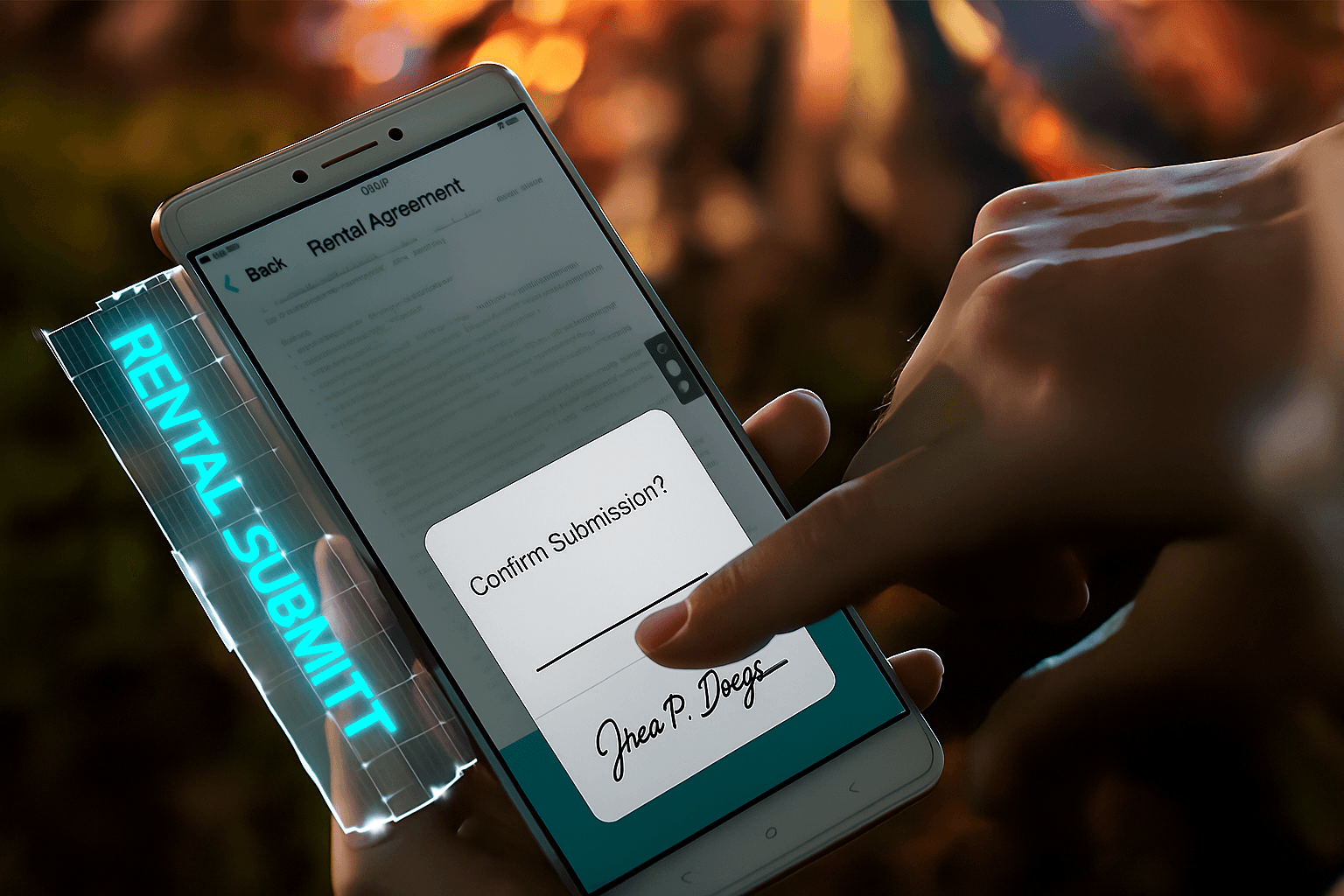
Dalam manajemen kontrak modern, tanda tangan elektronik (e-signature) menawarkan alternatif yang aman dan efisien untuk proses berbasis kertas. Mereka memungkinkan persetujuan cepat, mengurangi kebutuhan penyimpanan, dan memastikan jejak audit kepatuhan. Untuk perusahaan lanskap taman yang berurusan dengan pelanggan atau subkontraktor jarak jauh, e-signature mengurangi waktu penyelesaian dari hari ke jam, secara langsung mendukung strategi yang disebutkan di atas.
Dengan meningkatnya adopsi digital, memilih platform e-signature yang tepat menjadi penting. Berikut adalah perbandingan netral yang berfokus pada fitur yang relevan dengan manajemen kontrak lanskap taman.
| Fitur/Platform | DocuSign | Adobe Sign | eSignGlobal | HelloSign (by Dropbox) |
|---|---|---|---|---|
| Fungsi Inti | E-signature komprehensif, templat, alur kerja | Integrasi dengan ekosistem Adobe, pengisian formulir | Kepatuhan global, dukungan multi-bahasa | Tanda tangan sederhana, templat dasar |
| Harga (Mulai) | $10/pengguna/bulan (Personal) | $10/pengguna/bulan (Individual) | $16.6/pengguna/bulan (Essential) | $15/pengguna/bulan (Essentials) |
| Batas Dokumen | Tidak terbatas (tergantung paket) | Tidak terbatas (tergantung paket) | Hingga 100 dokumen per bulan (Essential) | 3 per bulan (gratis); tidak terbatas berbayar |
| Kepatuhan | ESIGN Act, eIDAS, standar global | ESIGN Act, eIDAS, GDPR | Sesuai di 100+ negara, termasuk persyaratan khusus APAC | ESIGN Act, global dasar |
| Integrasi | 400+ aplikasi (Salesforce, Google) | Aplikasi Adobe, Microsoft | Fokus APAC (misalnya, Singpass), alat CRM | Dropbox, Google Workspace |
| Keamanan | Enkripsi, jejak audit | Enkripsi PKI, sertifikasi kepatuhan | Verifikasi kode akses, opsi blockchain | Otentikasi dua faktor, enkripsi |
| Kursi Pengguna | Terbatas tergantung paket | Terbatas tergantung paket | Tidak terbatas (Essential) | Terbatas tergantung paket |
| Keunggulan Lanskap Taman | Fungsionalitas yang kuat untuk kontrak kompleks | Cocok untuk dokumen intensif desain | Efektivitas biaya untuk operasi regional | Kemudahan penggunaan untuk tim kecil |
| Keterbatasan | Fitur lanjutan lebih mahal | Kurva pembelajaran lebih curam | Lebih baru di beberapa pasar | Alat perusahaan lebih sedikit |
Tabel ini menyoroti trade-off; pilihan tergantung pada ukuran bisnis dan lokasi geografis.
Menjelajahi DocuSign
DocuSign menonjol karena posisinya yang mapan dalam solusi e-signature, menawarkan fitur seperti perutean bersyarat dan tanda tangan seluler, ideal untuk persetujuan lanskap taman di tempat. Ini mendukung templat yang dapat disesuaikan untuk jenis kontrak berulang, seperti perjanjian pemeliharaan, dan terintegrasi dengan alat seperti QuickBooks untuk faktur. Perusahaan menghargai keandalannya dalam skenario volume tinggi, meskipun skalabilitas memerlukan biaya tambahan.

Ikhtisar Adobe Sign
Adobe Sign unggul dalam lingkungan yang membutuhkan penanganan PDF yang mulus, membuatnya cocok untuk cetak biru atau penawaran lanskap taman yang terperinci. Ini menawarkan otomatisasi formulir tingkat lanjut dan analisis perilaku penanda tangan, membantu melacak keterlibatan kontrak. Kekuatannya terletak pada industri kreatif, tetapi pengguna non-Adobe mungkin memerlukan pengaturan tambahan.

HelloSign sebagai Pesaing
HelloSign, sekarang menjadi bagian dari Dropbox, menawarkan antarmuka yang ramah pengguna untuk e-signature sederhana, dengan kesederhanaan seret dan lepas untuk melampirkan foto lokasi lanskap taman. Ini hemat biaya untuk startup, tetapi kurang dalam kedalaman otomatisasi alur kerja dibandingkan dengan pemain yang lebih besar.
eSignGlobal: Pesaing Global
eSignGlobal menyediakan layanan e-signature yang sesuai di lebih dari 100 negara dan wilayah utama, dengan keunggulan khusus di kawasan Asia-Pasifik. Ini secara efektif mendukung peraturan lokal, memastikan bahwa kontrak lanskap taman memenuhi standar internasional untuk proyek lintas batas. Harga kompetitif; misalnya, paket Essential hanya US$16,6 per bulan untuk mengirim hingga 100 dokumen e-signature, kursi pengguna tak terbatas, dan mengamankan dokumen dan tanda tangan dengan verifikasi kode akses. Kombinasi ini memberikan nilai yang kuat berdasarkan kepatuhan, terutama untuk perusahaan yang beroperasi di pasar yang beragam. Selain itu, integrasinya yang mulus dengan iAM Smart Hong Kong dan Singpass Singapura memfasilitasi pemeriksaan keaslian regional.

Kesimpulan: Memilih Alat yang Tepat untuk Bisnis Anda
Untuk perusahaan lanskap taman yang mencari alternatif DocuSign dan memprioritaskan kepatuhan regional, eSignGlobal muncul sebagai pilihan yang seimbang, terutama untuk operasi Asia-Pasifik. Menyelaraskan kebutuhan dengan evaluasi platform ini memastikan bahwa kontrak dikelola secara efektif, mendorong pertumbuhan berkelanjutan.
