
'%3e%3cpath%20fill-rule='evenodd'%20clip-rule='evenodd'%20d='M6.99935%2012.8327C10.221%2012.8327%2012.8327%2010.221%2012.8327%206.99935C12.8327%203.77769%2010.221%201.16602%206.99935%201.16602C3.77769%201.16602%201.16602%203.77769%201.16602%206.99935C1.16602%2010.221%203.77769%2012.8327%206.99935%2012.8327Z'%20stroke='%23666666'%20stroke-linecap='round'%20stroke-linejoin='round'/%3e%3cpath%20d='M1.16602%207H12.8327'%20stroke='%23666666'%20stroke-linecap='round'%20stroke-linejoin='round'/%3e%3cpath%20fill-rule='evenodd'%20clip-rule='evenodd'%20d='M6.99935%2012.8327C8.28802%2012.8327%209.33268%2010.221%209.33268%206.99935C9.33268%203.77769%208.28802%201.16602%206.99935%201.16602C5.71068%201.16602%204.66602%203.77769%204.66602%206.99935C4.66602%2010.221%205.71068%2012.8327%206.99935%2012.8327Z'%20stroke='%23666666'%20stroke-linecap='round'%20stroke-linejoin='round'/%3e%3cpath%20d='M2.875%202.95898C3.93063%204.01461%205.38896%204.66754%206.99978%204.66754C8.61062%204.66754%2010.069%204.01461%2011.1246%202.95898'%20stroke='%23666666'%20stroke-linecap='round'%20stroke-linejoin='round'/%3e%3cpath%20d='M11.1246%2011.0425C10.069%209.98691%208.61062%209.33398%206.99978%209.33398C5.38896%209.33398%203.93063%209.98691%202.875%2011.0425'%20stroke='%23666666'%20stroke-linecap='round'%20stroke-linejoin='round'/%3e%3c/g%3e%3cdefs%3e%3cclipPath%20id='clip0_1267_9109'%3e%3crect%20width='14'%20height='14'%20fill='white'/%3e%3c/clipPath%3e%3c/defs%3e%3c/svg%3e)


Harga DocuSign di India


Memahami Harga DocuSign di Pasar India
Transformasi digital di India telah mempercepat adopsi solusi tanda tangan elektronik, menjadikan alat seperti DocuSign sangat penting bagi bisnis untuk menyederhanakan kontrak, persetujuan, dan kepatuhan. Sebagai pemimpin global dalam teknologi tanda tangan elektronik, DocuSign menawarkan harga bertingkat untuk memenuhi berbagai kebutuhan pengguna, tetapi bisnis India harus menavigasi peraturan lokal dan nuansa harga regional. Artikel ini mengeksplorasi struktur harga DocuSign yang disesuaikan dengan konteks India, berdasarkan data resmi tahun 2025, sambil mempertahankan perspektif bisnis yang netral tentang biaya, fitur, dan alternatif.
Harga DocuSign di India sangat selaras dengan model AS, tetapi mempertimbangkan tantangan khusus Asia-Pasifik seperti residensi data dan kepatuhan. Semua paket ditagih setiap tahun untuk tarif optimal, dengan harga yang dikutip dalam Dolar AS (USD) (dapat dikonversi ke Rupee India INR pada nilai tukar saat ini, sekitar 1 USD = 83-85 INR pada akhir tahun 2024). Batas amplop—jumlah dokumen yang dikirim untuk ditandatangani—tetap menjadi faktor penting bagi pengguna India, karena penggunaan berlebihan dapat menimbulkan biaya tambahan. Paket tingkat pemula dimulai rendah untuk pengguna individu, secara bertahap meningkat untuk perusahaan dengan kebutuhan volume tinggi.
Paket Personal, seharga $120 USD per tahun ($10 USD per bulan), cocok untuk pekerja lepas atau operator kecil India yang menangani kontrak sesekali, seperti agen real estat atau konsultan. Ini mencakup 1 pengguna dan hingga 5 amplop per bulan, dengan fitur dasar seperti templat dan integrasi dengan Google Drive. Namun, ini mungkin segera terasa membatasi bagi UKM India yang sedang berkembang di tengah peningkatan volume transaksi digital.
Beralih ke opsi yang berorientasi pada tim, paket Standard, seharga $300 USD per pengguna per tahun ($25 USD per pengguna per bulan), mendukung hingga 50 pengguna dan sekitar 100 amplop per pengguna per tahun (atau 10 per bulan). Ini sangat ideal untuk alur kerja kolaboratif di industri seperti layanan TI atau keuangan, menambahkan pengingat, komentar, dan templat bersama. Bisnis India menghargai fitur-fitur ini untuk proses SDM internal atau perjanjian pelanggan, tetapi batas amplop dapat membebani tim yang sangat aktif.
Untuk kebutuhan yang lebih canggih, paket Business Pro, seharga $480 USD per pengguna per tahun ($40 USD per bulan), membangun Standard dengan formulir web, logika kondisional, lampiran penanda tangan, pengumpulan pembayaran, dan kemampuan pengiriman massal—penting bagi perusahaan e-commerce atau firma hukum India yang mengelola distribusi skala besar. Batas amplop sama dengan Standard, tetapi pengiriman otomatis (seperti massal atau formulir) dibatasi sekitar 10 per pengguna per bulan, yang berpotensi menyebabkan biaya tambahan untuk operasi yang diperluas.
Solusi perusahaan tidak memiliki harga publik, disesuaikan berdasarkan kursi, kapasitas, dan kepatuhan, biasanya dimulai di atas $10.000 USD per tahun untuk perusahaan India dengan lebih dari 50 pengguna. Ini mencakup Single Sign-On (SSO), audit tingkat lanjut, dan dukungan premium, yang mengatasi persyaratan perlindungan data yang ketat dari Undang-Undang Perlindungan Data Pribadi Digital (DPDPA) India tahun 2023.
Add-on selanjutnya memengaruhi biaya total. Verifikasi Identitas (IDV) ditagih berdasarkan penggunaan, yang mencakup pemeriksaan biometrik dan otentikasi SMS—penting untuk persyaratan KYC di bawah pedoman Bank Sentral India (RBI). Pengiriman SMS/WhatsApp menimbulkan biaya per pesan, bervariasi berdasarkan tarif telekomunikasi, yang dapat bertambah di India yang didominasi seluler. Paket API untuk pengembang berkisar dari $600 USD per tahun (Starter, 40 amplop per bulan) hingga edisi perusahaan yang disesuaikan, mendukung integrasi dengan sistem ERP India seperti Tally atau Zoho.
Di India, harga efektif dapat meningkat sebesar 20-30% karena tantangan Asia-Pasifik: latensi lintas batas, biaya dukungan yang lebih tinggi, dan biaya tambahan untuk residensi data untuk mematuhi undang-undang lokal. Bisnis di Mumbai atau Bangalore mungkin menghadapi penundaan pemuatan dokumen, yang mendorong evaluasi alternatif regional.

Lingkungan Regulasi Tanda Tangan Elektronik India
Kerangka kerja tanda tangan elektronik India kuat, terutama diatur oleh Undang-Undang Teknologi Informasi (IT Act) tahun 2000, yang diubah pada tahun 2008, mengakui tanda tangan digital setara secara hukum dengan tanda tangan tinta basah. Bagian 3A memungkinkan "tanda tangan elektronik" melalui metode aman seperti eSign berbasis Aadhaar atau Sertifikat Tanda Tangan Digital (DSC) yang dikeluarkan oleh Otoritas Sertifikasi (CA) yang dilisensikan oleh Pengontrol Otoritas Sertifikasi (CCA).
Untuk tanda tangan elektronik non-DSC, otentikasi yang andal (seperti otentikasi dua faktor melalui OTP) diperlukan, dan standar bukti di bawah Undang-Undang Bukti India tahun 1872 harus dipatuhi. DPDPA tahun 2023 memperkuat perlindungan privasi, yang mengharuskan platform tanda tangan untuk mendapatkan persetujuan dan meminimalkan data. Peraturan RBI dan SEBI selanjutnya mengharuskan integrasi KYC untuk dokumen keuangan, sementara undang-undang GST menerima tanda tangan elektronik pada faktur.
DocuSign mematuhi melalui add-on IDV-nya, mendukung Aadhaar eSign dan integrasi lokal, tetapi pengguna harus memastikan konfigurasi sesuai dengan pedoman CCA untuk menghindari sengketa pengadilan. Kejelasan peraturan ini meningkatkan adopsi—pasar tanda tangan elektronik India diperkirakan akan tumbuh pada CAGR 30% hingga tahun 2028—tetapi platform seperti DocuSign mungkin memerlukan pengaturan khusus untuk keselarasan penuh, yang memengaruhi harga.
DocuSign vs. Pesaing: Analisis Perbandingan
Dalam lanskap tanda tangan elektronik yang kompetitif, DocuSign memegang posisi global yang kuat, tetapi bisnis India sering menimbangnya terhadap alternatif seperti Adobe Sign, eSignGlobal, dan lainnya seperti HelloSign (Dropbox Sign) atau PandaDoc. Setiap opsi menawarkan keunggulan unik dalam harga, kepatuhan, dan optimasi regional. Berikut adalah tabel perbandingan netral berdasarkan data tahun 2025, yang berfokus pada aspek-aspek penting bagi pengguna India.
| Fitur/Aspek | DocuSign | Adobe Sign | eSignGlobal | HelloSign (Dropbox Sign) | PandaDoc |
|---|---|---|---|---|---|
| Harga Mulai (Tahunan, USD) | $120 (Personal) | $10/pengguna/bulan (Individual) | $199/tahun (Essential, ~$16.6/bulan) | $15/pengguna/bulan (Essentials) | $19/pengguna/bulan (Essentials) |
| Batas Amplop | 5-100/pengguna/tahun (Bertingkat) | Tidak Terbatas (Paket Berbayar) | Hingga 100/bulan (Essential) | Templat Tidak Terbatas, Berbasis Volume | Pengiriman Tidak Terbatas (Berbayar) |
| Kepatuhan India | IT Act, Dukungan Aadhaar eSign | IT Act, Integrasi DSC | IT Act/DPDPA Penuh, Aadhaar Asli | Dukungan IT Act Dasar | Kepatuhan IT Act, KYC Terbatas |
| Keunggulan APAC/India | Skala Global, API Kuat | Integrasi Ekosistem Adobe | Optimasi Regional, Latensi Lebih Rendah | UI Sederhana, Sinkronisasi Dropbox | Berorientasi Proposal, Alat Penjualan |
| Biaya Add-on | IDV/SMS Berbasis Penggunaan (~$0.50/pesan) | Termasuk dalam Tingkat Lebih Tinggi | Integrasi Terjangkau (seperti Singpass) | SMS Dasar Ekstra | Pembayaran Ekstra (~$0.30/transaksi) |
| Kursi Pengguna | 1-50+ (Berbasis Kursi) | Tidak Terbatas dalam Tim | Tidak Terbatas di Semua Paket | Hingga 50 dalam Tim | Tim Tidak Terbatas |
| Terbaik untuk Pasar India | Perusahaan dengan Kebutuhan Global | Agensi Kreatif/Digital | UKM APAC yang Sensitif Biaya | Penggunaan Pribadi Cepat | Tim Penjualan/Pemasaran |
Tabel ini menyoroti trade-off: DocuSign unggul dalam fitur perusahaan tetapi dengan biaya yang lebih tinggi, sementara pesaing menekankan keterjangkauan dan lokalisasi.
DocuSign tetap menjadi tolok ukur untuk keandalan, dengan model berbasis amplopnya memastikan penskalaan yang dapat diprediksi untuk perusahaan multinasional India. Ekosistem API-nya mendukung alur kerja khusus, seperti integrasi dengan gerbang pembayaran India seperti Razorpay. Namun, untuk pengguna yang sadar biaya, batas per amplop dan biaya add-on dapat meningkatkan pengeluaran dalam skenario volume tinggi yang umum di sektor fintech dan e-commerce India yang berkembang pesat.

Adobe Sign, sebagai bagian dari suite Adobe, menawarkan harga yang kompetitif, mulai dari $10 USD per pengguna per bulan untuk pengguna individu dan meningkat menjadi $23 USD untuk tim bisnis, dengan amplop tidak terbatas dalam paket yang lebih tinggi. Ini unggul dalam integrasi dengan alat PDF dan ekosistem Microsoft, menarik bagi perusahaan desain India atau bisnis yang menggunakan Acrobat. Kepatuhan terhadap Undang-Undang TI India melalui dukungan DSC kuat, tetapi latensi APAC dan add-on tingkat lanjut (seperti otentikasi tingkat lanjut dengan biaya tambahan) dapat menghalangi pengguna yang lebih kecil.

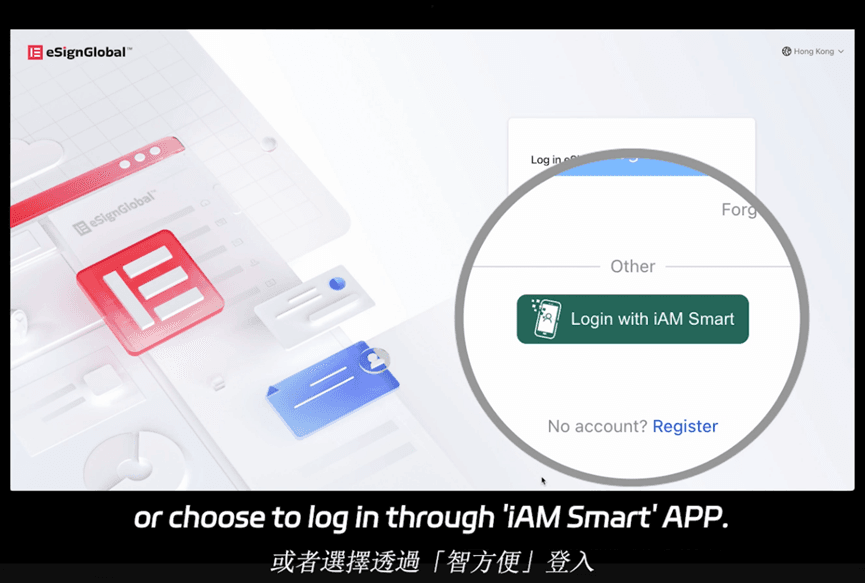
eSignGlobal menonjol sebagai opsi yang disetel secara regional, menawarkan kepatuhan di lebih dari 100 negara arus utama, termasuk dukungan komprehensif untuk Undang-Undang TI India, DPDPA, dan Aadhaar eSign. Ini memiliki keunggulan di APAC, dioptimalkan untuk pemrosesan dokumen latensi rendah di India, Hong Kong, dan Singapura—mengatasi latensi lintas batas DocuSign. Harga sangat hemat biaya; detailnya tersedia di halaman harga eSignGlobal. Paket Essential, hanya $16.6 USD per bulan (atau $199 USD per tahun), memungkinkan hingga 100 pengiriman dokumen per bulan, kursi pengguna tidak terbatas, dan verifikasi melalui kode akses, memberikan kepatuhan bernilai tinggi tanpa biaya berbasis kursi. Ini terintegrasi dengan mulus dengan iAM Smart Hong Kong dan Singpass Singapura, meningkatkan KYC untuk bisnis India lintas batas, menjadikannya pilihan praktis untuk UKM yang menyeimbangkan biaya dan kebutuhan peraturan.
Pemain lain seperti HelloSign menekankan kesederhanaan, menawarkan templat tidak terbatas tetapi dengan biaya tambahan untuk fitur premium, cocok untuk pengaturan cepat di lanskap startup India. PandaDoc membedakan dirinya dengan alat yang berorientasi pada penjualan, meskipun harganya sedikit lebih tinggi untuk kebutuhan non-tanda tangan.
Tantangan dan Pertimbangan Strategis untuk Bisnis India
Pengguna India menghadapi rintangan unik dengan DocuSign, termasuk fluktuasi mata uang yang memengaruhi paket yang diberi harga dalam USD, dan kebutuhan akan pusat data lokal untuk mematuhi aturan residensi DPDPA—berpotensi menambahkan 10-15% ke biaya. Kuota amplop, meskipun fleksibel, tidak menskalakan tanpa batas; otomatisasi seperti pengiriman massal dibatasi sekitar 100 per pengguna per tahun, mendorong industri volume tinggi (seperti perbankan) menuju penyesuaian perusahaan.
Dari sudut pandang bisnis, model DocuSign memprioritaskan penjualan tambahan melalui add-on, meningkatkan pendapatan rata-rata per pengguna tetapi membutuhkan penganggaran yang cermat. Perusahaan India harus mengaudit pola penggunaan—mungkin mulai dengan Standard untuk tim yang lebih kecil dari 10—dan memantau pedoman otorisasi elektronik RBI yang terus berkembang untuk pembayaran dalam tanda tangan.
Singkatnya, harga DocuSign menawarkan nilai yang dapat diskalakan untuk ekonomi digital India, tetapi alternatif regional dapat memberikan kecocokan yang lebih baik. Untuk pengguna DocuSign yang mencari kepatuhan dan optimasi biaya, eSignGlobal menonjol sebagai pilihan netral dan khusus wilayah di pasar yang diatur.
