
'%3e%3cpath%20fill-rule='evenodd'%20clip-rule='evenodd'%20d='M6.99935%2012.8327C10.221%2012.8327%2012.8327%2010.221%2012.8327%206.99935C12.8327%203.77769%2010.221%201.16602%206.99935%201.16602C3.77769%201.16602%201.16602%203.77769%201.16602%206.99935C1.16602%2010.221%203.77769%2012.8327%206.99935%2012.8327Z'%20stroke='%23666666'%20stroke-linecap='round'%20stroke-linejoin='round'/%3e%3cpath%20d='M1.16602%207H12.8327'%20stroke='%23666666'%20stroke-linecap='round'%20stroke-linejoin='round'/%3e%3cpath%20fill-rule='evenodd'%20clip-rule='evenodd'%20d='M6.99935%2012.8327C8.28802%2012.8327%209.33268%2010.221%209.33268%206.99935C9.33268%203.77769%208.28802%201.16602%206.99935%201.16602C5.71068%201.16602%204.66602%203.77769%204.66602%206.99935C4.66602%2010.221%205.71068%2012.8327%206.99935%2012.8327Z'%20stroke='%23666666'%20stroke-linecap='round'%20stroke-linejoin='round'/%3e%3cpath%20d='M2.875%202.95898C3.93063%204.01461%205.38896%204.66754%206.99978%204.66754C8.61062%204.66754%2010.069%204.01461%2011.1246%202.95898'%20stroke='%23666666'%20stroke-linecap='round'%20stroke-linejoin='round'/%3e%3cpath%20d='M11.1246%2011.0425C10.069%209.98691%208.61062%209.33398%206.99978%209.33398C5.38896%209.33398%203.93063%209.98691%202.875%2011.0425'%20stroke='%23666666'%20stroke-linecap='round'%20stroke-linejoin='round'/%3e%3c/g%3e%3cdefs%3e%3cclipPath%20id='clip0_1267_9109'%3e%3crect%20width='14'%20height='14'%20fill='white'/%3e%3c/clipPath%3e%3c/defs%3e%3c/svg%3e)


Tarification de DocuSign en Inde


Comprendre la tarification de DocuSign sur le marché indien
La transformation numérique de l'Inde a accéléré l'adoption des solutions de signature électronique, rendant des outils comme DocuSign indispensables pour les entreprises qui cherchent à rationaliser les contrats, les approbations et la conformité. En tant que leader mondial de la technologie de signature électronique, DocuSign propose une tarification échelonnée pour répondre aux divers besoins des utilisateurs, mais les entreprises indiennes doivent tenir compte des réglementations locales et des nuances de tarification régionales. Cet article explore la structure de tarification de DocuSign spécifiquement pour le contexte indien, en s'appuyant sur les données officielles de 2025, tout en conservant une perspective commerciale neutre sur les coûts, les fonctionnalités et les alternatives.
La tarification de DocuSign en Inde est étroitement alignée sur son modèle américain, mais tient compte des défis spécifiques à la région Asie-Pacifique, tels que la résidence des données et la conformité. Tous les plans sont facturés annuellement pour obtenir les meilleurs tarifs, et les prix sont indiqués en dollars américains (USD) (convertibles en roupies indiennes INR au taux de change en vigueur, environ 1 USD = 83-85 INR, fin 2024). Pour les utilisateurs indiens, les limites d'enveloppes - le nombre de documents envoyés pour signature - restent un facteur essentiel, car les dépassements peuvent entraîner des frais supplémentaires. Les plans d'entrée de gamme commencent bas pour les utilisateurs individuels, augmentant progressivement pour les entreprises ayant des besoins de volume élevés.
Le plan Personal, à 120 USD par an (10 USD par mois), convient aux pigistes ou aux petits exploitants indiens qui traitent des contrats occasionnels, tels que les agents immobiliers ou les consultants. Il comprend 1 utilisateur et jusqu'à 5 enveloppes par mois, avec des fonctionnalités de base telles que des modèles et l'intégration avec Google Drive. Cependant, pour les PME indiennes en pleine croissance, cela peut rapidement devenir restrictif à mesure que les volumes de transactions numériques augmentent.
Passant aux options axées sur l'équipe, le plan Standard, à 300 USD par utilisateur et par an (25 USD par utilisateur et par mois), prend en charge jusqu'à 50 utilisateurs et environ 100 enveloppes par utilisateur et par an (ou 10 par mois). Il est bien adapté aux flux de travail collaboratifs dans des secteurs tels que les services informatiques ou la finance, ajoutant des rappels, des commentaires et des modèles partagés. Les entreprises indiennes apprécient ces fonctionnalités pour les processus RH internes ou les accords clients, mais les plafonds d'enveloppes peuvent mettre à rude épreuve les équipes très actives.
Pour des besoins plus avancés, le plan Business Pro, à 480 USD par utilisateur et par an (40 USD par mois), s'appuie sur le plan Standard en ajoutant des formulaires Web, une logique conditionnelle, des pièces jointes de signataires, la collecte de paiements et des capacités d'envoi groupé - essentiels pour les entreprises de commerce électronique ou les cabinets d'avocats indiens qui gèrent des distributions à grande échelle. Les limites d'enveloppes sont les mêmes que pour le plan Standard, mais les envois automatisés (tels que les envois groupés ou les formulaires) sont plafonnés à environ 10 par utilisateur et par mois, ce qui peut entraîner des coûts supplémentaires pour les opérations évolutives.
Les solutions Enterprise n'ont pas de prix publics et sont personnalisées en fonction du nombre de postes, de la capacité et de la conformité, commençant généralement à plus de 10 000 USD par an pour les entreprises indiennes de plus de 50 utilisateurs. Elles incluent l'authentification unique (SSO), l'audit avancé et un support premium, répondant aux exigences strictes de protection des données de la loi indienne de 2023 sur la protection des données personnelles numériques (DPDPA).
Les modules complémentaires ont un impact supplémentaire sur le coût total. L'authentification d'identité (IDV) est facturée à l'utilisation, couvrant les contrôles biométriques et l'authentification par SMS - essentiels pour les exigences KYC en vertu des directives de la Reserve Bank of India (RBI). La livraison par SMS/WhatsApp entraîne des frais par message, variables en fonction des tarifs des télécommunications, qui peuvent s'accumuler en Inde, où les appareils mobiles sont prédominants. Les plans API pour les développeurs vont de 600 USD par an (Starter, 40 enveloppes par mois) à des versions Enterprise personnalisées, prenant en charge l'intégration avec les systèmes ERP indiens tels que Tally ou Zoho.
En Inde, une tarification efficace peut augmenter de 20 à 30 % en raison des défis de la région Asie-Pacifique : retards transfrontaliers, coûts de support plus élevés et suppléments pour la résidence des données afin de se conformer aux lois locales. Les entreprises de Mumbai ou de Bangalore peuvent être confrontées à des retards de chargement des documents, ce qui les incite à évaluer les alternatives régionales.

Le paysage réglementaire des signatures électroniques en Inde
Le cadre indien pour les signatures électroniques est solide, principalement régi par la loi sur les technologies de l'information (IT Act) de 2000, telle que modifiée en 2008, qui reconnaît l'équivalence juridique des signatures numériques et des signatures manuscrites. L'article 3A autorise les « signatures électroniques » via des méthodes sécurisées, telles que l'eSign basée sur Aadhaar ou les certificats de signature numérique (DSC) délivrés par des autorités de certification (AC), autorisées par le contrôleur des autorités de certification (CCA).
Pour les signatures électroniques non DSC, une authentification fiable (telle que l'authentification à deux facteurs via OTP) est obligatoire, ainsi que le respect des normes de preuve en vertu de la loi indienne sur la preuve de 1872. La DPDPA de 2023 renforce la protection de la vie privée, exigeant des plateformes de signature qu'elles obtiennent le consentement et minimisent les données. Les réglementations de la RBI et de la SEBI exigent en outre l'intégration de KYC pour les documents financiers, tandis que les lois GST acceptent les signatures électroniques sur les factures.
DocuSign se conforme via ses modules complémentaires IDV, prenant en charge Aadhaar eSign et les intégrations locales, mais les utilisateurs doivent s'assurer que les configurations sont conformes aux directives CCA pour éviter les litiges devant les tribunaux. Cette clarté réglementaire stimule l'adoption - le marché indien des signatures électroniques devrait croître à un TCAC de 30 % jusqu'en 2028 - mais des plateformes comme DocuSign peuvent nécessiter des configurations personnalisées pour une cohérence totale, ce qui a un impact sur la tarification.
DocuSign contre ses concurrents : une analyse comparative
Dans le paysage concurrentiel des signatures électroniques, DocuSign détient une forte position mondiale, mais les entreprises indiennes la comparent souvent à des alternatives telles qu'Adobe Sign, eSignGlobal, ainsi que HelloSign (Dropbox Sign) ou PandaDoc. Chaque option offre des avantages distincts en termes de tarification, de conformité et d'optimisation régionale. Voici un tableau comparatif neutre basé sur les données de 2025, mettant en évidence les aspects clés pour les utilisateurs indiens.
| Fonctionnalité/Aspect | DocuSign | Adobe Sign | eSignGlobal | HelloSign (Dropbox Sign) | PandaDoc |
|---|---|---|---|---|---|
| Prix de départ (annuel, USD) | 120 $ (Personal) | 10 $/utilisateur/mois (Individual) | 199 $/an (Essential, ~16,6 $/mois) | 15 $/utilisateur/mois (Essentials) | 19 $/utilisateur/mois (Essentials) |
| Limites d'enveloppes | 5-100/utilisateur/an (échelonné) | Illimité (plans payants) | Jusqu'à 100/mois (Essential) | Modèles illimités, basé sur la capacité | Envois illimités (payant) |
| Conformité indienne | IT Act, prise en charge d'Aadhaar eSign | IT Act, intégration DSC | IT Act/DPDPA complet, Aadhaar natif | Prise en charge de base de l'IT Act | Conformité IT Act, KYC limité |
| Avantages Asie-Pacifique/Inde | Échelle mondiale, API puissantes | Intégration de l'écosystème Adobe | Optimisation régionale, faible latence | Interface utilisateur simple, synchronisation Dropbox | Axé sur les propositions, outils de vente |
| Coûts des modules complémentaires | IDV/SMS mesurés (~0,50 $/message) | Inclus dans les niveaux supérieurs | Intégrations abordables (par exemple, Singpass) | SMS de base en supplément | Paiement en supplément (~0,30 $/transaction) |
| Nombre de postes utilisateur | 1-50+ (basé sur les postes) | Illimité dans les équipes | Illimité dans tous les plans | Jusqu'à 50 dans les équipes | Équipes illimitées |
| Idéal pour le marché indien | Entreprises ayant des besoins mondiaux | Agences créatives/numériques | PME d'Asie-Pacifique sensibles aux coûts | Utilisation personnelle rapide | Équipes de vente/marketing |
Ce tableau met en évidence les compromis : DocuSign excelle dans les fonctionnalités d'entreprise, mais à un coût plus élevé, tandis que les concurrents mettent l'accent sur l'abordabilité et la localisation.
DocuSign reste une référence en matière de fiabilité, son modèle basé sur les enveloppes assurant une évolutivité prévisible pour les multinationales indiennes. Son écosystème API prend en charge les flux de travail personnalisés, tels que l'intégration avec les passerelles de paiement indiennes comme Razorpay. Cependant, pour les utilisateurs soucieux des coûts, les plafonds par enveloppe et les frais de modules complémentaires peuvent gonfler les dépenses dans les scénarios à volume élevé courants dans les secteurs indiens en plein essor de la fintech et du commerce électronique.

Adobe Sign, en tant que partie de la suite Adobe, offre une tarification compétitive, à partir de 10 USD par utilisateur et par mois pour les utilisateurs individuels et s'étendant à 23 USD pour les équipes commerciales, avec des enveloppes illimitées dans les plans supérieurs. Il excelle dans l'intégration avec les outils PDF et l'écosystème Microsoft, attirant les agences de design indiennes ou les entreprises utilisant Acrobat. La conformité à la loi indienne sur les technologies de l'information via la prise en charge de DSC est solide, mais les retards en Asie-Pacifique et les modules complémentaires premium (tels que l'authentification avancée à un coût supplémentaire) peuvent dissuader les petits utilisateurs.

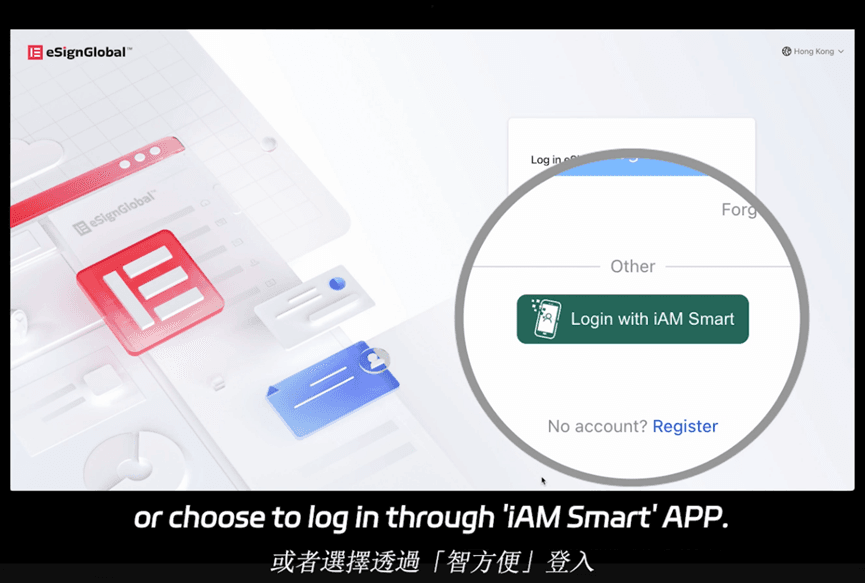
eSignGlobal se distingue comme une option à réglage régional, offrant une conformité dans plus de 100 pays grand public, y compris une prise en charge complète de l'IT Act, de la DPDPA et d'Aadhaar eSign en Inde. Il possède un avantage en Asie-Pacifique, optimisé pour un traitement des documents à faible latence en Inde, à Hong Kong et à Singapour - résolvant les retards transfrontaliers de DocuSign. La tarification est particulièrement rentable ; veuillez consulter la page de tarification d'eSignGlobal pour plus de détails. Le plan Essential, à seulement 16,6 USD par mois (199 USD par an), permet d'envoyer jusqu'à 100 documents par mois, un nombre illimité de postes utilisateur et une vérification par code d'accès, offrant une conformité de grande valeur sans encourir de frais basés sur les postes. Il s'intègre de manière transparente à iAM Smart à Hong Kong et à Singpass à Singapour, améliorant le KYC pour les entreprises indiennes transfrontalières, ce qui en fait un choix pratique pour les PME qui équilibrent les coûts et les besoins réglementaires.
D'autres acteurs comme HelloSign mettent l'accent sur la simplicité, offrant des modèles illimités, mais des fonctionnalités avancées entraînent des frais supplémentaires, ce qui convient à la configuration rapide dans le paysage des startups indiennes. PandaDoc se distingue par ses outils axés sur les ventes, bien que sa tarification soit légèrement plus élevée pour les besoins non liés à la signature.
Défis et considérations stratégiques pour les entreprises indiennes
Les utilisateurs indiens sont confrontés à des obstacles uniques lors de l'utilisation de DocuSign, notamment les fluctuations monétaires qui ont un impact sur les plans libellés en dollars américains et la nécessité de centres de données locaux pour se conformer aux règles de résidence de la DPDPA - ce qui peut ajouter 10 à 15 % aux coûts. Les quotas d'enveloppes, bien que flexibles, ne sont pas évolutifs à l'infini ; les automatisations telles que les envois groupés sont limitées à environ 100 par utilisateur et par an, ce qui incite les secteurs à volume élevé (comme le secteur bancaire) à opter pour des personnalisations d'entreprise.
D'un point de vue commercial, le modèle de DocuSign donne la priorité à la vente incitative via des modules complémentaires, augmentant le revenu moyen par utilisateur, mais nécessitant une budgétisation prudente. Les entreprises indiennes doivent auditer les modèles d'utilisation - en commençant peut-être par le plan Standard avec moins de 10 personnes dans l'équipe - et surveiller les directives en constante évolution de la RBI sur l'autorisation électronique pour les paiements dans les signatures.
En résumé, la tarification de DocuSign offre une valeur évolutive pour l'économie numérique indienne, mais les alternatives régionales peuvent offrir une meilleure adéquation. Pour les utilisateurs de DocuSign qui recherchent la conformité et l'optimisation des coûts, eSignGlobal se distingue comme un choix neutre et spécifique à la région sur les marchés réglementés.
