
'%3e%3cpath%20fill-rule='evenodd'%20clip-rule='evenodd'%20d='M6.99935%2012.8327C10.221%2012.8327%2012.8327%2010.221%2012.8327%206.99935C12.8327%203.77769%2010.221%201.16602%206.99935%201.16602C3.77769%201.16602%201.16602%203.77769%201.16602%206.99935C1.16602%2010.221%203.77769%2012.8327%206.99935%2012.8327Z'%20stroke='%23666666'%20stroke-linecap='round'%20stroke-linejoin='round'/%3e%3cpath%20d='M1.16602%207H12.8327'%20stroke='%23666666'%20stroke-linecap='round'%20stroke-linejoin='round'/%3e%3cpath%20fill-rule='evenodd'%20clip-rule='evenodd'%20d='M6.99935%2012.8327C8.28802%2012.8327%209.33268%2010.221%209.33268%206.99935C9.33268%203.77769%208.28802%201.16602%206.99935%201.16602C5.71068%201.16602%204.66602%203.77769%204.66602%206.99935C4.66602%2010.221%205.71068%2012.8327%206.99935%2012.8327Z'%20stroke='%23666666'%20stroke-linecap='round'%20stroke-linejoin='round'/%3e%3cpath%20d='M2.875%202.95898C3.93063%204.01461%205.38896%204.66754%206.99978%204.66754C8.61062%204.66754%2010.069%204.01461%2011.1246%202.95898'%20stroke='%23666666'%20stroke-linecap='round'%20stroke-linejoin='round'/%3e%3cpath%20d='M11.1246%2011.0425C10.069%209.98691%208.61062%209.33398%206.99978%209.33398C5.38896%209.33398%203.93063%209.98691%202.875%2011.0425'%20stroke='%23666666'%20stroke-linecap='round'%20stroke-linejoin='round'/%3e%3c/g%3e%3cdefs%3e%3cclipPath%20id='clip0_1267_9109'%3e%3crect%20width='14'%20height='14'%20fill='white'/%3e%3c/clipPath%3e%3c/defs%3e%3c/svg%3e)


Aplikasi Tanda Tangan Tatap Muka


Memahami Aplikasi Tanda Tangan Tatap Muka
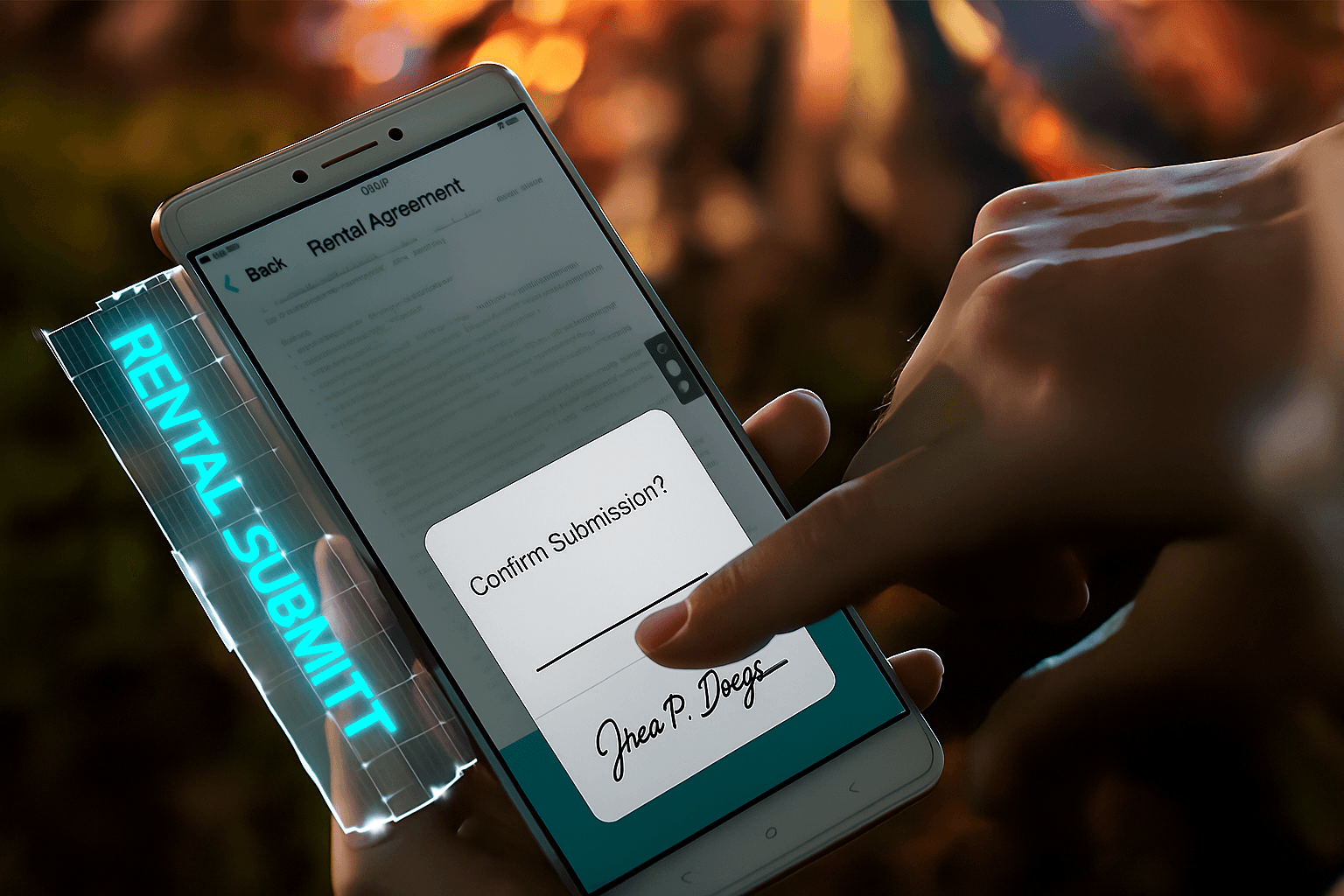
Dalam dunia transaksi bisnis yang serba cepat, aplikasi tanda tangan tatap muka telah muncul sebagai alat penting untuk menyederhanakan pelaksanaan dokumen sambil mempertahankan keamanan dan kedekatan interaksi tatap muka. Aplikasi ini memungkinkan pengguna untuk menangkap tanda tangan elektronik secara langsung selama pertemuan tatap muka, menghilangkan kebutuhan untuk mencetak dokumen, tanda tangan tinta manual, dan proses pemindaian atau pengiriman surat berikutnya. Dari transaksi real estat hingga negosiasi kontrak di ruang rapat dewan, aplikasi tanda tangan tatap muka menjembatani kesenjangan antara ritual tanda tangan tradisional dan efisiensi digital, mengurangi kesalahan, menghemat waktu, dan meningkatkan kepatuhan.
Permintaan untuk aplikasi semacam itu telah meningkat tajam dalam beberapa tahun terakhir, didorong oleh lingkungan kerja hibrida dan kebutuhan akan proses tanda tangan yang aman dan dapat diverifikasi. Perusahaan, terutama di industri seperti hukum, keuangan, dan perawatan kesehatan, menghadapi tantangan seperti memastikan otentikasi penanda tangan, memelihara jejak audit, dan mematuhi standar validitas hukum. Aplikasi tanda tangan tatap muka yang efektif harus mendukung pemeriksaan biometrik waktu nyata, stempel lokasi GPS, dan integrasi dengan perangkat seluler untuk memungkinkan penandatanganan di tempat. Misalnya, dalam proses penjualan properti, agen dapat menggunakan aplikasi tersebut untuk meminta pembeli menandatangani secara digital langsung selama penayangan di tempat, dengan sistem secara otomatis mencatat kehadiran dan persetujuan penanda tangan.
Dari sudut pandang bisnis, penerapan aplikasi tanda tangan tatap muka dapat menghasilkan penghematan biaya yang signifikan. Tanda tangan berbasis kertas tradisional menimbulkan biaya pencetakan, penyimpanan, dan logistik—dengan beberapa industri memperkirakan hingga $20 per dokumen. Alternatif digital dapat mengurangi biaya ini sebesar 70-90% sambil mempercepat siklus transaksi, menurut laporan industri. Namun, tantangan tetap ada: tidak semua aplikasi menangani skenario tatap muka dengan mulus, terutama di wilayah dengan undang-undang privasi data yang ketat. Pengguna harus mengevaluasi kemampuan offline aplikasi, karena masalah konektivitas di daerah terpencil dapat mengganggu sesi. Selain itu, integrasi dengan CRM atau sistem alur kerja yang ada sangat penting untuk skalabilitas.
Fitur utama yang perlu diperhatikan meliputi dukungan multi-penanda tangan, yang memungkinkan banyak pihak untuk menandatangani secara berurutan atau bersamaan secara tatap muka; templat yang dapat disesuaikan untuk pengaturan cepat; dan pemberitahuan pasca-penandatanganan yang dikirim ke semua pemangku kepentingan. Keamanan sangat penting—aplikasi harus menggunakan enkripsi, segel anti-perusakan, dan mematuhi standar seperti standar eIDAS Eropa atau Undang-Undang ESIGN AS. Dalam praktiknya, bisnis melaporkan percepatan proses penandatanganan hingga 50% dengan alat ini, memfasilitasi hubungan pelanggan yang lebih baik melalui pengalaman yang profesional dan berteknologi maju.
Saat pekerjaan jarak jauh mengaburkan batasan, aplikasi tanda tangan tatap muka berkembang menuju model hibrida, mendukung sesi fisik dan virtual. Kemampuan beradaptasi ini sangat penting bagi perusahaan global yang menavigasi lingkungan peraturan yang beragam. Misalnya, dalam negosiasi berisiko tinggi, kemampuan aplikasi untuk merekam persetujuan video atau pengenalan wajah dapat menambahkan lapisan kepercayaan, mengurangi risiko penipuan yang umum terjadi pada platform digital murni.
Lanskap Hukum Tanda Tangan Elektronik di Wilayah Utama
Tanda tangan elektronik, termasuk yang ditangkap melalui aplikasi tanda tangan tatap muka, diatur oleh berbagai yurisdiksi hukum di seluruh dunia, memastikan keberlakuannya sambil melindungi pihak-pihak yang terlibat. Di Amerika Serikat, Undang-Undang Tanda Tangan Elektronik dalam Perdagangan Global dan Nasional (ESIGN) dan Undang-Undang Transaksi Elektronik Seragam (UETA) menyediakan kerangka kerja federal dan negara bagian yang memperlakukan tanda tangan digital sebagai mengikat secara hukum jika membuktikan niat dan persetujuan. Ini sangat relevan untuk aplikasi tatap muka, di mana kedekatan fisik dapat berfungsi sebagai bukti tambahan keaslian.
Di Uni Eropa, peraturan eIDAS menetapkan standar tinggi, mengkategorikan tanda tangan ke dalam tingkat sederhana, lanjutan, dan memenuhi syarat, dengan tanda tangan elektronik yang memenuhi syarat (QES) menawarkan kekuatan hukum terkuat, mirip dengan tanda tangan tulisan tangan. Untuk skenario tatap muka, aplikasi harus mengintegrasikan layanan kepercayaan yang memenuhi syarat untuk kepatuhan, terutama dalam transaksi lintas batas. Asia-Pasifik menghadirkan pertimbangan unik: Undang-Undang Transaksi Elektronik Singapura sangat selaras dengan ESIGN, mendukung tanda tangan digital tatap muka dengan otentikasi kuat melalui sistem nasional seperti Singpass. Di Tiongkok, Undang-Undang Tanda Tangan Elektronik menetapkan metode sertifikasi tertentu, yang mendukung aplikasi yang mendukung PKI (Infrastruktur Kunci Publik) lokal untuk pelaksanaan tatap muka untuk memastikan kedaulatan data.
Ordinansi Transaksi Elektronik Hong Kong mencerminkan standar internasional tetapi menekankan catatan elektronik yang aman, membuat aplikasi tatap muka cocok untuk pemeriksaan kepatuhan waktu nyata. Peraturan ini menggarisbawahi kebutuhan aplikasi untuk menawarkan kemampuan khusus wilayah, seperti integrasi dengan sistem ID pemerintah, untuk menghindari perjanjian yang tidak sah. Ketidakpatuhan dapat menyebabkan perselisihan, penundaan, atau hukuman keuangan, yang menyoroti mengapa bisnis memprioritaskan aplikasi dengan keselarasan hukum global.
Pemain Utama di Pasar Aplikasi Tanda Tangan Tatap Muka
DocuSign
DocuSign tetap menjadi kekuatan dominan dalam solusi tanda tangan elektronik, menawarkan dukungan tanda tangan tatap muka yang kuat melalui aplikasi selulernya. Pengguna dapat memulai sesi tanda tangan menggunakan tablet atau ponsel selama pertemuan, memanfaatkan fitur seperti perutean dalam sesi dan kolaborasi waktu nyata. Kekuatannya terletak pada keamanan tingkat perusahaan, termasuk jejak audit dan integrasi dengan alat seperti Salesforce. Namun, harga dapat meningkat untuk penggunaan tatap muka volume tinggi, dan beberapa pengguna mencatat latensi sesekali di Asia-Pasifik karena perutean data.

Adobe Sign
Adobe Sign, sebagai bagian dari Adobe Document Cloud, unggul dalam integrasi tanpa batas dengan alur kerja PDF, cocok untuk skenario tanda tangan tatap muka di mana dokumen dapat diedit dan ditandatangani secara instan. Ini menawarkan opsi tanda tangan tangkapan seluler, mendukung input gaya tulisan tangan dan pemeriksaan identitas dasar. Perusahaan menghargai kompatibilitasnya dengan ekosistem Microsoft, tetapi fitur tatap muka lanjutan seperti pemrosesan massal mungkin memerlukan add-on, yang dapat meningkatkan biaya untuk tim yang lebih kecil.

eSignGlobal
eSignGlobal memposisikan dirinya sebagai aplikasi tanda tangan tatap muka serbaguna dengan kepatuhan global yang kuat, mendukung tanda tangan elektronik di lebih dari 100 negara dan wilayah utama. Ini berkinerja baik di Asia-Pasifik, menawarkan kinerja yang dioptimalkan untuk masalah latensi lintas batas dan paket hemat biaya yang disesuaikan dengan kebutuhan regional. Misalnya, Edisi Essential hanya berharga $16,6 per bulan, memungkinkan hingga 100 dokumen e-sign, kursi pengguna tak terbatas, dan verifikasi melalui kode akses—semua berdasarkan fondasi kepatuhan yang memberikan nilai luar biasa. Struktur harga ini membuatnya cocok untuk bisnis yang sedang berkembang. Di Asia-Pasifik, kekuatan eSignGlobal mencakup integrasi tanpa batas dengan iAM Smart Hong Kong dan Singpass Singapura untuk otentikasi yang ditingkatkan selama sesi tatap muka, memastikan validitas hukum tanpa hambatan tambahan. Fokusnya pada keterjangkauan dan optimasi regional menarik bagi tim yang mencari pengalaman tanda tangan yang andal dan rendah gesekan.

HelloSign (Dropbox Sign)
HelloSign, sekarang di bawah Dropbox, menawarkan tanda tangan tatap muka yang sederhana melalui antarmuka selulernya yang intuitif, cocok untuk tangkapan cepat selama interaksi pelanggan. Ini mendukung templat dan pengingat, dengan kepatuhan ESIGN yang andal untuk pengguna AS. Meskipun ramah UKM, ia kekurangan beberapa integrasi khusus Asia-Pasifik yang canggih, dan tingkatan gratis membatasi kapasitas tatap muka, mendorong pengguna berat untuk meningkatkan.
Analisis Perbandingan Aplikasi Tanda Tangan Tatap Muka
Untuk membantu pengambilan keputusan, berikut adalah perbandingan netral dari aplikasi tanda tangan tatap muka terkemuka berdasarkan faktor bisnis utama. Meskipun semua aplikasi menawarkan fungsionalitas inti, perbedaan muncul dalam harga, kepatuhan, dan kemampuan beradaptasi regional.
| Fitur/Aspek | DocuSign | Adobe Sign | eSignGlobal | HelloSign (Dropbox Sign) |
|---|---|---|---|---|
| Dukungan Tanda Tangan Tatap Muka | Tangkapan seluler yang kuat, perutean waktu nyata | Tanda tangan seluler dengan integrasi PDF | Kemampuan offline, verifikasi kode akses | Antarmuka seluler yang sederhana |
| Kepatuhan Global | 100+ negara, eIDAS/ESIGN | Luas, kuat di UE/AS | 100+ negara, optimasi Asia-Pasifik (mis. Singpass/iAM Smart) | Fokus utama AS/ESIGN |
| Harga (tingkat awal, bulanan) | $10/pengguna (Personal) | $10/pengguna | $16,6 (Essential, kursi tak terbatas) | Tingkat gratis; $15/pengguna berbayar |
| Amplop/Batas Dokumen | 5/bulan (Personal); dapat ditingkatkan | Tak terbatas dalam paket | 100/bulan (Essential) | Gratis 3/bulan; tak terbatas berbayar |
| Kekuatan Asia-Pasifik | Tersedia tetapi latensi/biaya lebih tinggi | Integrasi standar | Kecepatan lokal, biaya lebih rendah, integrasi ID regional | Fungsionalitas lokal terbatas |
| Integrasi | Luas (mis. Salesforce) | Ekosistem Adobe/Microsoft | CRM + sistem pemerintah Asia-Pasifik | Dropbox/Google Workspace |
| Terbaik untuk | Perusahaan yang membutuhkan skala | Alur kerja intensif PDF | Bisnis Asia-Pasifik yang mencari nilai/kepatuhan | UKM dengan kebutuhan dasar |
Tabel ini menyoroti kekuatan eSignGlobal dalam keterjangkauan dan kepatuhan Asia-Pasifik tanpa menutupi keunggulan pesaing dalam alat perusahaan global.
Kesimpulan
Aplikasi tanda tangan tatap muka mengubah efisiensi bisnis, tetapi memilih yang tepat membutuhkan keseimbangan fungsionalitas, biaya, dan kebutuhan regional. Bagi bisnis yang mencari alternatif DocuSign dengan kepatuhan regional yang kuat, eSignGlobal menonjol sebagai pilihan yang praktis dan digerakkan oleh nilai.
