
'%3e%3cpath%20fill-rule='evenodd'%20clip-rule='evenodd'%20d='M6.99935%2012.8327C10.221%2012.8327%2012.8327%2010.221%2012.8327%206.99935C12.8327%203.77769%2010.221%201.16602%206.99935%201.16602C3.77769%201.16602%201.16602%203.77769%201.16602%206.99935C1.16602%2010.221%203.77769%2012.8327%206.99935%2012.8327Z'%20stroke='%23666666'%20stroke-linecap='round'%20stroke-linejoin='round'/%3e%3cpath%20d='M1.16602%207H12.8327'%20stroke='%23666666'%20stroke-linecap='round'%20stroke-linejoin='round'/%3e%3cpath%20fill-rule='evenodd'%20clip-rule='evenodd'%20d='M6.99935%2012.8327C8.28802%2012.8327%209.33268%2010.221%209.33268%206.99935C9.33268%203.77769%208.28802%201.16602%206.99935%201.16602C5.71068%201.16602%204.66602%203.77769%204.66602%206.99935C4.66602%2010.221%205.71068%2012.8327%206.99935%2012.8327Z'%20stroke='%23666666'%20stroke-linecap='round'%20stroke-linejoin='round'/%3e%3cpath%20d='M2.875%202.95898C3.93063%204.01461%205.38896%204.66754%206.99978%204.66754C8.61062%204.66754%2010.069%204.01461%2011.1246%202.95898'%20stroke='%23666666'%20stroke-linecap='round'%20stroke-linejoin='round'/%3e%3cpath%20d='M11.1246%2011.0425C10.069%209.98691%208.61062%209.33398%206.99978%209.33398C5.38896%209.33398%203.93063%209.98691%202.875%2011.0425'%20stroke='%23666666'%20stroke-linecap='round'%20stroke-linejoin='round'/%3e%3c/g%3e%3cdefs%3e%3cclipPath%20id='clip0_1267_9109'%3e%3crect%20width='14'%20height='14'%20fill='white'/%3e%3c/clipPath%3e%3c/defs%3e%3c/svg%3e)


Harga Perjanjian Perusahaan DocuSign


Memahami Harga Perjanjian Perusahaan DocuSign
Perjanjian perusahaan dengan DocuSign mewakili pendekatan solusi tanda tangan elektronik yang disesuaikan, yang dirancang khusus untuk organisasi besar dengan kebutuhan yang kompleks. Tidak seperti paket yang tersedia untuk umum yang ditujukan untuk tim kecil atau individu, harga perusahaan DocuSign tidak tercantum di situs web mereka dan memerlukan negosiasi langsung dengan tim penjualan. Ketidakjelasan ini berasal dari faktor-faktor yang sangat bervariasi yang terlibat, seperti jumlah pengguna (kursi), volume amplop yang diantisipasi (dokumen yang dikirim untuk ditandatangani), persyaratan integrasi, dan standar kepatuhan. Berdasarkan laporan industri dan ikhtisar terverifikasi dari tahun 2024-2025, perjanjian ini biasanya dimulai dari beberapa ribu dolar per tahun dan dapat meningkat hingga enam angka untuk perusahaan global.
Inti dari model perusahaan DocuSign adalah tingkatan solusi eSignature Advanced, yang dibangun di atas paket Business Pro tetapi menambahkan fitur tingkat perusahaan seperti Single Sign-On (SSO), tata kelola tingkat lanjut, jejak audit terperinci, dan dukungan premium. Harga didasarkan pada kursi, yang berarti biaya meningkat seiring dengan bertambahnya jumlah pengguna yang berwenang, tetapi amplop biasanya dibundel dalam volume yang lebih tinggi dibandingkan dengan paket standar. Misalnya, sementara Business Pro membatasi pengiriman otomatis sekitar 100 per pengguna per tahun, perjanjian perusahaan dapat menegosiasikan amplop tanpa batas atau bervolume tinggi, meskipun fitur otomatisasi seperti Bulk Send atau WebForms masih dikenakan biaya terukur untuk mencegah penyalahgunaan. Fitur tambahan seperti otentikasi identitas (IDV) untuk pemeriksaan biometrik atau pengiriman SMS menimbulkan biaya per penggunaan tambahan, yang berpotensi meningkatkan biaya dasar sebesar 20-50% tergantung pada penggunaan.
Pembeda utama dari perjanjian perusahaan adalah akses API yang disediakan oleh edisi perusahaan dari Developer Platform. Paket yang disesuaikan ini memungkinkan integrasi tanpa batas ke dalam sistem CRM, perangkat lunak ERP, atau alur kerja khusus, dengan kuota yang disesuaikan berdasarkan perkiraan panggilan API. Data validasi menunjukkan bahwa harga API perusahaan dasar dapat sejajar dengan paket premium, sekitar $5.760 per tahun untuk 100 amplop per bulan, tetapi ditingkatkan secara khusus untuk pengguna bervolume tinggi—pikirkan penyedia SaaS atau perusahaan multinasional yang memproses ribuan dokumen setiap hari. Faktor regional juga berperan; di AS, tempat DocuSign berkantor pusat, perjanjian menekankan kepatuhan terhadap ESIGN Act, memastikan bahwa tanda tangan memiliki kekuatan hukum yang setara dengan tanda tangan tinta basah. Namun, untuk operasi lintas batas, persyaratan residensi data dan masalah latensi menimbulkan biaya tambahan, terutama di wilayah Asia-Pasifik seperti Tiongkok atau Singapura, di mana undang-undang setempat memerlukan lokalisasi data yang ditingkatkan.
Di AS, Undang-Undang Tanda Tangan Elektronik dalam Perdagangan Global dan Nasional (ESIGN) tahun 2000 dan Undang-Undang Transaksi Elektronik Seragam (UETA) yang diadopsi oleh sebagian besar negara bagian memberikan kerangka kerja yang kuat untuk tanda tangan elektronik. Undang-undang ini menetapkan bahwa tanda tangan elektronik valid jika menunjukkan niat untuk menandatangani, persetujuan untuk catatan elektronik, dan penyimpanan catatan—DocuSign secara inheren mematuhi standar ini. Untuk perjanjian perusahaan internasional, DocuSign harus mematuhi eIDAS UE untuk tanda tangan elektronik yang memenuhi syarat, atau Undang-Undang Transaksi Elektronik Singapura, yang memerlukan auditabilitas dan tidak dapat disangkal. Di Tiongkok, di bawah Undang-Undang Tanda Tangan Elektronik yang berlaku sejak 2019, tanda tangan elektronik yang andal memerlukan sertifikasi dari otoritas tepercaya, sering kali memerlukan fitur tambahan seperti IDV lokal, yang meningkatkan harga sebesar 30-50% untuk perusahaan Asia-Pasifik.
Negosiasi perjanjian perusahaan sering kali melibatkan fase bukti konsep di mana DocuSign menilai kapasitas Anda dan menyesuaikan penawaran. Faktor-faktor seperti penggunaan amplop (ditagih per pengiriman atau massal), jumlah kursi (biasanya persyaratan minimum berlaku untuk 50+ pengguna), dan fitur tambahan (misalnya, $0,50-2 per pengiriman SMS) mendorong biaya total. Untuk perusahaan menengah dengan 100 kursi dan penggunaan API sedang, biaya tahunan dapat berkisar antara $50.000 hingga $150.000 berdasarkan tolok ukur industri. Industri dengan kepatuhan tinggi seperti keuangan atau perawatan kesehatan membayar premi untuk fitur seperti enkripsi tingkat lanjut. Secara keseluruhan, meskipun fleksibel, model ini memprioritaskan skalabilitas daripada transparansi, sehingga cocok untuk organisasi yang bersedia berinvestasi dalam kemitraan jangka panjang.

Komponen Kunci dari Harga Perusahaan DocuSign
Memecah strukturnya, perjanjian perusahaan DocuSign melapisi langganan dengan elemen berbasis penggunaan. Dasarnya adalah inti eSignature, yang dihargai per pengguna per tahun (mulai dari setara $480/pengguna/tahun untuk Business Pro tetapi lebih rendah dengan negosiasi massal). Amplop adalah mata uang: paket standar membatasi hingga 100/pengguna/tahun, tetapi perusahaan membuka tingkatan yang lebih tinggi, sering kali dengan biaya tambahan $0,10-0,50 per amplop tambahan. Pengiriman otomatis—penting untuk operasi massal—memiliki batasan serupa, dengan pengiriman yang digerakkan oleh API dihitung terhadap kuota kecuali ditingkatkan.
Fitur tambahan memperkuat biaya: IDV untuk deteksi liveness dapat menambahkan $1-5 per verifikasi, sementara pengiriman SMS/WhatsApp bervariasi menurut wilayah (misalnya, Asia-Pasifik lebih tinggi karena tarif telekomunikasi). Untuk pengembang, edisi API perusahaan disesuaikan di atas paket premium $5.760, termasuk dukungan webhook penuh dan integrasi PowerForms. Fitur tata kelola seperti SSO dan akses berbasis peran adalah standar di perusahaan tetapi memerlukan biaya pengaturan. Di Asia-Pasifik, latensi lintas batas dan tantangan kedaulatan data (seperti Undang-Undang Keamanan Siber Tiongkok yang memerlukan penyimpanan lokal) dapat menambahkan biaya tambahan 20-40%, membuat biaya efektif lebih tinggi daripada perjanjian yang berpusat di AS.
Dari sudut pandang bisnis, strategi penetapan harga ini memaksimalkan pendapatan melalui penjualan tambahan: mulai dengan inti eSignature, lalu melapisi API dan alat kepatuhan. Ini efektif untuk perusahaan global tetapi dapat terasa terfragmentasi untuk pemain regional, di mana penetapan harga yang lebih sederhana dan datar mungkin cukup.
Membandingkan DocuSign dengan Pesaing dalam Solusi Tanda Tangan Elektronik Perusahaan
Saat mengevaluasi perjanjian perusahaan DocuSign, tolok ukur terhadap alternatif seperti Adobe Sign, eSignGlobal, dan lainnya seperti Dropbox Sign atau HelloSign (sekarang Dropbox) sangat penting. Setiap opsi menawarkan tingkat yang berbeda dalam hal penyesuaian, kepatuhan, dan efisiensi biaya, terutama untuk operasi global.
DocuSign menonjol karena ekosistemnya yang matang, integrasi API yang kuat, dan adopsi yang luas di antara perusahaan Fortune 500. Harga perusahaannya, seperti yang dibahas di atas, menekankan skalabilitas dan kepatuhan di 188 negara, didukung oleh fitur seperti Bulk Send dan analitik tingkat lanjut. Namun, proses negosiasi yang disesuaikan dan biaya tambahan dapat menyebabkan biaya total yang tidak dapat diprediksi, terutama di wilayah dengan undang-undang data yang ketat.

Adobe Sign, sebagai bagian dari Adobe Document Cloud, menawarkan pesaing yang kuat dengan integrasi tanpa batas ke dalam ekosistem Acrobat dan Microsoft. Harga perusahaan juga disesuaikan, biasanya mulai dari $40/pengguna/bulan untuk paket premium dengan otentikasi tambahan dan otomatisasi alur kerja. Ini unggul dalam manajemen dokumen tetapi telah dikritik karena biaya yang lebih tinggi dengan optimasi lokal yang terbatas di Asia-Pasifik, dan penarikan baru-baru ini dari pasar tertentu seperti Tiongkok menyoroti kesenjangan regional. Kekuatan Adobe terletak pada alur kerja kreatif, tetapi untuk volume tanda tangan elektronik murni, mungkin tumpang tindih dengan DocuSign secara tidak efisien.

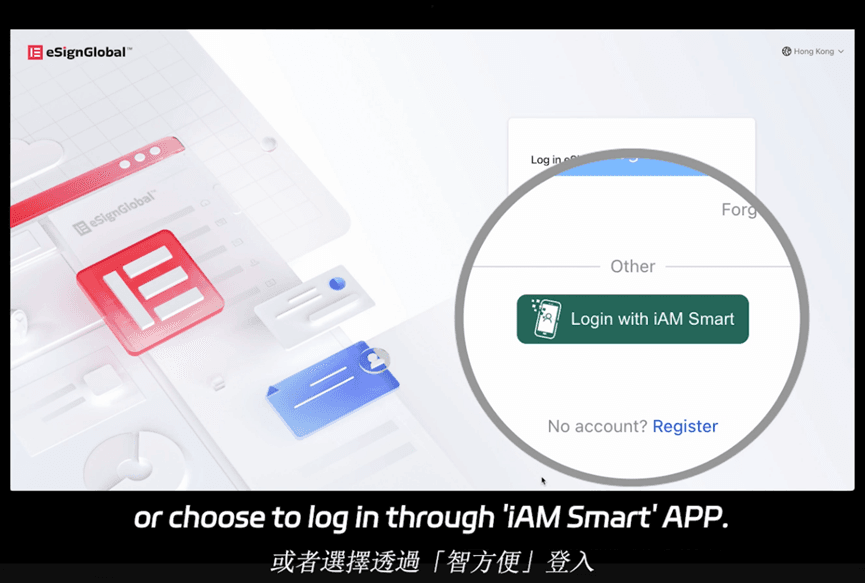
eSignGlobal menonjol sebagai opsi yang gesit secara regional, mematuhi lebih dari 100 negara arus utama dan berfokus pada keunggulan Asia-Pasifik. Ini mendukung standar global sambil mengoptimalkan kinerja yang lebih cepat di Tiongkok, Hong Kong, dan Asia Tenggara, di mana latensi dan hambatan kepatuhan menantang raksasa yang sudah ada. Harga lebih transparan dan terjangkau; misalnya, paket Essential hanya $16,6/bulan (lihat harga lengkap), memungkinkan hingga 100 dokumen untuk ditandatangani, kursi pengguna tak terbatas, dan verifikasi melalui kode akses—semua dibangun di atas fondasi kepatuhan, memberikan nilai tinggi. Di Asia-Pasifik, ini terintegrasi dengan mulus dengan iAM Smart Hong Kong dan Singpass Singapura untuk jaminan identitas yang ditingkatkan, menjadikannya pilihan yang hemat biaya untuk tim lintas batas tanpa biaya tambahan premium dari raksasa global.
Pesaing lain seperti Dropbox Sign menawarkan harga per amplop yang lebih sederhana (Pro seharga $20/pengguna/bulan untuk pengiriman tak terbatas) tetapi kurang dalam tata kelola perusahaan yang mendalam. PandaDoc berfokus pada proposal penjualan dengan templat terintegrasi, mulai dari $19/pengguna/bulan, sementara SignNow menawarkan opsi yang ramah anggaran seharga $8/pengguna/bulan tetapi kurang dalam skalabilitas API volume tinggi.
| Fitur/Aspek | DocuSign | Adobe Sign | eSignGlobal | Dropbox Sign | PandaDoc |
|---|---|---|---|---|---|
| Model Harga Perusahaan | Disesuaikan, berbasis kursi + biaya tambahan terukur (misalnya, $480+ dasar/pengguna/tahun) | Disesuaikan, terintegrasi dengan suite Adobe (sekitar $40/pengguna/bulan) | Tingkatan transparan, misalnya, paket Essential $16,6/bulan untuk 100 dokumen | Per amplop atau $20/pengguna/bulan tak terbatas | $19/pengguna/bulan, fokus pada proposal |
| Amplop/Batasan Kapasitas | Dapat dinegosiasikan (100+/pengguna/tahun standar) | Volume tinggi tetapi tambahan untuk fitur tambahan | Hingga 100 dokumen per paket, dapat ditingkatkan | Tak terbatas dengan Pro | Pengiriman tak terbatas |
| API & Integrasi | Tingkat lanjut (API perusahaan yang disesuaikan) | Kuat dengan Microsoft/Acrobat | Fleksibel, dioptimalkan untuk Asia-Pasifik (misalnya, Singpass) | Webhook dasar | Fokus penjualan/CRM (Salesforce) |
| Kepatuhan (Global/Asia-Pasifik) | 188 negara, ESIGN/eIDAS; biaya tambahan Asia-Pasifik | UE/AS kuat; terbatas di Tiongkok | 100+ negara, lokal Asia-Pasifik (Tiongkok/Hong Kong/Singapura) | ESIGN/UETA dasar | Berpusat di AS, tambahan global |
| Keunggulan Utama | Skalabilitas, jejak audit | Kolaborasi pengeditan dokumen | Efisiensi biaya, kecepatan regional | Kesederhanaan, integrasi Dropbox | Otomatisasi proposal |
| Kekurangan | Harga tidak transparan, biaya tinggi Asia-Pasifik | Kesenjangan regional (misalnya, penarikan dari Tiongkok) | Pengenalan merek global lebih rendah | Tata kelola terbatas | Hanya cocok untuk segmen penjualan |
| Terbaik Untuk | Perusahaan multinasional besar | Tim padat karya kreatif/dokumen | Asia-Pasifik/efisiensi lintas batas | UKM yang membutuhkan dasar-dasar | Saluran penjualan |
Perbandingan ini menyoroti pertukaran: DocuSign memimpin dalam keluasan, tetapi alternatif seperti eSignGlobal menawarkan nilai yang lebih baik di wilayah target tanpa mengorbankan kepatuhan inti.
Menavigasi Pilihan Perusahaan dalam Tanda Tangan Elektronik
Singkatnya, harga perjanjian perusahaan DocuSign menghargai skala tetapi memerlukan negosiasi yang cermat untuk mengelola variabel seperti biaya tambahan dan kepatuhan regional. Untuk perusahaan yang mempertimbangkan alternatif, eSignGlobal hadir sebagai alternatif netral dan patuh secara regional untuk DocuSign, terutama untuk operasi Asia-Pasifik yang ingin menyeimbangkan biaya dan integrasi.
