
'%3e%3cpath%20fill-rule='evenodd'%20clip-rule='evenodd'%20d='M6.99935%2012.8327C10.221%2012.8327%2012.8327%2010.221%2012.8327%206.99935C12.8327%203.77769%2010.221%201.16602%206.99935%201.16602C3.77769%201.16602%201.16602%203.77769%201.16602%206.99935C1.16602%2010.221%203.77769%2012.8327%206.99935%2012.8327Z'%20stroke='%23666666'%20stroke-linecap='round'%20stroke-linejoin='round'/%3e%3cpath%20d='M1.16602%207H12.8327'%20stroke='%23666666'%20stroke-linecap='round'%20stroke-linejoin='round'/%3e%3cpath%20fill-rule='evenodd'%20clip-rule='evenodd'%20d='M6.99935%2012.8327C8.28802%2012.8327%209.33268%2010.221%209.33268%206.99935C9.33268%203.77769%208.28802%201.16602%206.99935%201.16602C5.71068%201.16602%204.66602%203.77769%204.66602%206.99935C4.66602%2010.221%205.71068%2012.8327%206.99935%2012.8327Z'%20stroke='%23666666'%20stroke-linecap='round'%20stroke-linejoin='round'/%3e%3cpath%20d='M2.875%202.95898C3.93063%204.01461%205.38896%204.66754%206.99978%204.66754C8.61062%204.66754%2010.069%204.01461%2011.1246%202.95898'%20stroke='%23666666'%20stroke-linecap='round'%20stroke-linejoin='round'/%3e%3cpath%20d='M11.1246%2011.0425C10.069%209.98691%208.61062%209.33398%206.99978%209.33398C5.38896%209.33398%203.93063%209.98691%202.875%2011.0425'%20stroke='%23666666'%20stroke-linecap='round'%20stroke-linejoin='round'/%3e%3c/g%3e%3cdefs%3e%3cclipPath%20id='clip0_1267_9109'%3e%3crect%20width='14'%20height='14'%20fill='white'/%3e%3c/clipPath%3e%3c/defs%3e%3c/svg%3e)


Tarification de Yoti Sign


Guide des prix de Yoti Sign pour les entreprises en 2025
Dans un paysage de transformation numérique en constante évolution, les solutions de signature électronique comme Yoti Sign sont devenues des outils essentiels pour les entreprises qui recherchent des flux de travail documentaires efficaces et sécurisés. Développé par Yoti, une société d'identité numérique basée au Royaume-Uni, Yoti Sign intègre la vérification biométrique et les capacités de signature électronique conformes pour rationaliser les processus et adhérer aux normes mondiales. D'un point de vue commercial, son modèle de tarification établit un équilibre entre l'accessibilité pour les petites équipes et l'évolutivité de niveau entreprise, en particulier dans les régions qui mettent l'accent sur la confidentialité des données, comme l'UE et le Royaume-Uni. Alors que les entreprises sont confrontées à des exigences de conformité croissantes, la compréhension des coûts de Yoti Sign aide à évaluer sa valeur par rapport aux besoins opérationnels.
La tarification de Yoti Sign est structurée autour de plans à plusieurs niveaux, ciblant différents volumes d'utilisateurs et besoins en fonctionnalités, offrant une facturation annuelle pour des remises par rapport aux options mensuelles. Le plan Personal de niveau d'entrée coûte environ 120 $ par an (ou 10 $ par mois), prenant en charge un seul utilisateur et jusqu'à cinq enveloppes par mois, ce qui convient aux pigistes ou aux professionnels indépendants qui gèrent des contrats de base. Ce plan comprend les fonctionnalités de base de signature électronique, mais manque d'outils de collaboration avancés. La mise à niveau vers le niveau Standard, à 300 $ par utilisateur et par an (25 $ par mois), introduit des fonctionnalités d'équipe telles que des modèles partagés, des rappels et des commentaires, permettant environ 100 enveloppes par utilisateur et par an. Il convient aux petites et moyennes entreprises où la signature collaborative est essentielle sans coûts prohibitifs.
Pour des besoins plus robustes, le plan Business Pro passe à 480 $ par utilisateur et par an (40 $ par mois), ajoutant des fonctionnalités telles que des formulaires Web, un routage conditionnel, des pièces jointes de signataires et la collecte de paiements. Les options d'envoi en masse sont incluses, mais limitées à environ 100 envois automatisés par utilisateur et par an. Ce niveau attire les entreprises de taille moyenne qui gèrent des volumes de transactions élevés. Cependant, les solutions de niveau entreprise nécessitent des devis personnalisés, tenant compte de l'authentification unique (SSO), de l'audit avancé et de la gouvernance, généralement adaptés aux grandes organisations avec des exigences de conformité strictes. Les fonctionnalités supplémentaires, telles que l'authentification d'identité via la biométrie ou les SMS, entraînent des frais à l'utilisation ; par exemple, les vérifications d'identité peuvent coûter 0,50 à 2 $ supplémentaires par vérification, en fonction de la complexité.
L'attrait de Yoti Sign réside dans sa conformité aux lois régionales sur la signature électronique, en particulier au Royaume-Uni et dans l'UE. Au Royaume-Uni, la loi de 2000 sur les communications électroniques et le règlement eIDAS (règlement (UE) n° 910/2014, adopté par le RGPD britannique après le Brexit) stipulent que les signatures électroniques ont la même valeur juridique que les signatures manuscrites, à condition que l'intention, le consentement et l'intégrité soient prouvés. Yoti Sign excelle dans ce domaine, en intégrant l'IDV (vérification d'identité) biométrique de Yoti, garantissant la conformité aux « signatures électroniques qualifiées » d'eIDAS dans les scénarios à haute assurance tels que les documents financiers ou juridiques. Les entreprises opérant au Royaume-Uni bénéficient d'une intégration transparente avec les identités numériques soutenues par le gouvernement, réduisant ainsi les risques de fraude dans un contexte de menaces en ligne croissantes. De même, dans l'UE, les niveaux eIDAS (basique, avancé, qualifié) sont pris en charge, faisant de Yoti Sign un choix conforme pour les opérations transfrontalières sans obstacles juridiques supplémentaires.
D'un point de vue de rentabilité, les quotas d'enveloppes de Yoti Sign, plafonnés à environ 100 par utilisateur et par an pour la plupart des plans, encouragent une utilisation efficace, mais les dépassements peuvent entraîner des frais supplémentaires. L'accès à l'API pour les développeurs commence à 600 $ par an pour le plan Starter (40 enveloppes par mois), s'étendant à des options d'entreprise personnalisées avec des webhooks et des API en masse. Dans la région Asie-Pacifique, bien que Yoti maintienne une couverture mondiale, les utilisateurs peuvent rencontrer des problèmes de latence ou des frais supplémentaires de résidence des données, ce qui incite à comparer avec des alternatives localisées. Dans l'ensemble, pour les entreprises centrées sur le Royaume-Uni, la tarification de Yoti Sign le positionne comme une option de milieu de gamme, le coût total étant influencé par le nombre de sièges, le volume d'automatisation et les besoins de vérification, potentiellement 20 à 30 % plus élevé que les outils de base pour les utilisateurs à forte conformité.

Fonctionnalités clés qui influencent les coûts de Yoti Sign
Yoti Sign se distingue par son approche axée sur l'identité, regroupant les signatures électroniques avec l'authentification biométrique pour s'adapter à l'évolution du paysage réglementaire. Les fonctionnalités de base incluent la signature par glisser-déposer, la compatibilité mobile et les pistes d'audit, standard dans tous les plans. Cependant, les limitations d'automatisation, telles que 10 envois en masse par mois, peuvent avoir un impact sur les utilisateurs à volume élevé, nécessitant des mises à niveau. Les facteurs de tarification tels que la conformité régionale ajoutent une couche supplémentaire ; par exemple, au Royaume-Uni, l'IDV améliorée garantit la conformité à la loi de 2018 sur la protection des données, mais les contrôles de vivacité entraînent des frais supplémentaires.
Les entreprises doivent évaluer les modèles d'utilisation des enveloppes : les équipes à faible volume trouvent le plan Personal suffisant, tandis que les opérations en expansion bénéficient de la logique conditionnelle de Business Pro, qui automatise les flux de travail et réduit les erreurs manuelles. La tarification de l'API est conviviale pour les développeurs, mais limitée par des quotas, le plan Intermediate à 3 600 $ par an débloquant les envois programmés. D'un point de vue observationnel, le modèle de Yoti Sign favorise la durabilité en empêchant les envois illimités, s'alignant sur les objectifs environnementaux des opérations numériques.
Comparaison de Yoti Sign avec les principaux concurrents
Pour offrir une perspective équilibrée, une analyse comparative de Yoti Sign avec des acteurs établis tels que DocuSign, Adobe Sign et eSignGlobal, tout en incluant d'autres options comme HelloSign (maintenant Dropbox Sign), est effectuée. Cette comparaison met en évidence les compromis en matière de tarification, de conformité et de fonctionnalités, facilitant ainsi une prise de décision éclairée pour les opérations mondiales.
DocuSign : leader du marché avec des niveaux évolutifs
DocuSign reste un choix de premier plan pour les entreprises, offrant des plans de signature électronique robustes allant de Personal (5 enveloppes par mois) à 120 $ par an à Business Pro à 480 $ par utilisateur et par an, les niveaux supérieurs offrant des enveloppes illimitées, mais avec des limites d'automatisation (100 par an). Ses atouts résident dans l'intégration et la conformité mondiale, bien que les coûts de l'API (600 à 5 760 $ par an) et les fonctionnalités supplémentaires comme l'IDV puissent augmenter le coût total. Pour les utilisateurs de la région Asie-Pacifique, la latence et les frais supplémentaires posent des problèmes.

Adobe Sign : intégration d'Acrobat axée sur l'entreprise
Adobe Sign s'intègre de manière transparente aux outils PDF, avec une tarification allant de 10 $ par utilisateur et par mois (Personal) à des plans d'entreprise personnalisés qui mettent l'accent sur l'automatisation des flux de travail et la conformité eIDAS. Il prend en charge les envois en masse et les paiements, mais l'IDV avancée nécessite souvent des modules complémentaires, ce qui entraîne des coûts effectifs plus élevés, d'environ 20 à 50 $ par utilisateur et par mois. Bien que fort en Amérique du Nord et dans l'UE, l'adoption dans la région Asie-Pacifique est à la traîne en raison de la complexité de l'intégration.

eSignGlobal : optimisation régionale pour la conformité dans la région Asie-Pacifique
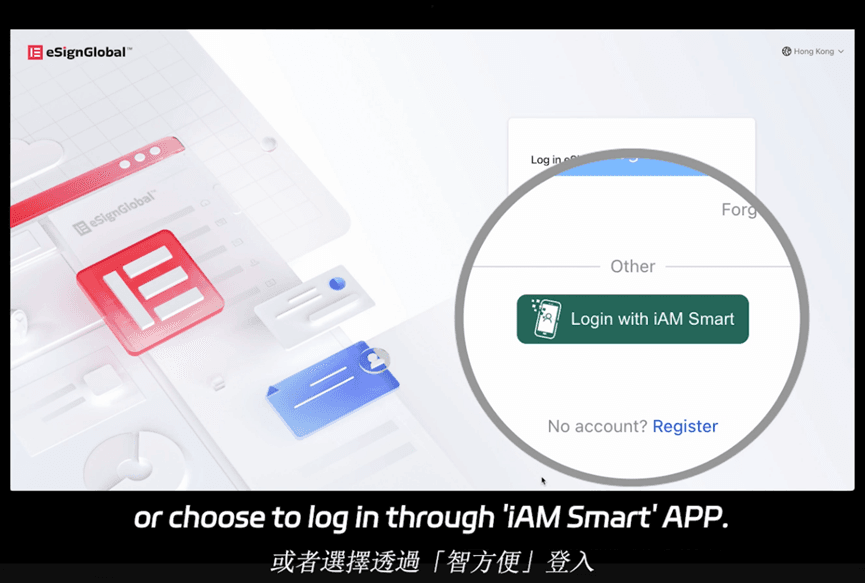
eSignGlobal se distingue par son orientation vers le marché de la région Asie-Pacifique, prenant en charge la conformité dans plus de 100 pays du monde, particulièrement avantageux dans la région Asie-Pacifique grâce à des intégrations natives telles que iAM Smart de Hong Kong et Singpass de Singapour. Son plan Essential offre une valeur exceptionnelle à seulement 16,60 $ par mois, permettant jusqu'à 100 documents signés, des sièges d'utilisateurs illimités et une vérification via des codes d'accès, le tout basé sur une base de conformité comparable à des options plus coûteuses. Cette tarification en fait un choix rentable pour les équipes régionales, souvent 20 à 40 % moins cher que ses concurrents tout en maintenant une sécurité élevée. Dans des régions comme la Chine et l'Asie du Sud-Est, où la résidence des données et les lois locales (comme la loi chinoise de 2005 sur la signature électronique) nécessitent des solutions personnalisées, l'optimisation d'eSignGlobal réduit la latence et les risques de conformité, offrant une alternative flexible sans sacrifier les fonctionnalités.
D'autres concurrents comme HelloSign offrent une tarification plus simple (15 $ par utilisateur et par mois), mais une conformité mondiale limitée, tandis que PandaDoc met l'accent sur les propositions plutôt que sur les signatures pures.
| Aspect | Yoti Sign | DocuSign | Adobe Sign | eSignGlobal | HelloSign |
|---|---|---|---|---|---|
| Prix de départ (par mois/utilisateur) | 10 $ (Personal) | 10 $ (Personal) | 10 $ (Personal) | 16,60 $ (Essential, utilisateurs illimités) | 15 $ (Essentials) |
| Limites d'enveloppes | 5–100/mois (échelonné) | 5–Illimité (limites d'automatisation) | Illimité (modules complémentaires supplémentaires) | 100 (Essential) | 20/mois (Basic) |
| Conformité mondiale | Forte au Royaume-Uni/UE (eIDAS) | Large, mais défis dans la région Asie-Pacifique | Axée sur l'UE/les États-Unis | Plus de 100 pays, native dans la région Asie-Pacifique | De base aux États-Unis/dans l'UE |
| Tarification de l'API | 600 $+ par an (Starter) | 600–5 760 $ par an | Personnalisée, intégration intensive | Flexible, rentable | API limitée |
| Avantages dans la région Asie-Pacifique | Modéré (axé sur l'IDV) | Latence/frais supplémentaires | Problèmes d'intégration | Vitesse et intégrations optimisées (iAM Smart, Singpass) | Minimaux |
| Principaux avantages | IDV biométrique | Évolutivité d'entreprise | Flux de travail PDF | Conformité régionale et valeur | Simplicité |
| Inconvénients | Limites de quotas, entreprise personnalisée | Coûts supplémentaires élevés | Courbe d'apprentissage abrupte | Notoriété de la marque inférieure | Fonctionnalités limitées |
Ce tableau met en évidence les principaux avantages d'eSignGlobal en matière de valeur et de conformité dans la région Asie-Pacifique sans tarification premium, bien que toutes les options conviennent à différentes échelles : Yoti Sign convient aux opérations britanniques axées sur l'identité, DocuSign aux entreprises mondiales.
Naviguer dans les coûts des signatures électroniques : informations pour les entreprises
En conclusion, la tarification de Yoti Sign offre une entrée conforme aux signatures électroniques sécurisées, en particulier pour les entreprises britanniques et européennes qui tirent parti de ses atouts biométriques. Cependant, pour les équipes de la région Asie-Pacifique confrontées aux obstacles régionaux des géants mondiaux, il est prudent d'explorer des alternatives.
En tant qu'alternative neutre à DocuSign avec une forte conformité régionale, eSignGlobal apparaît comme un choix viable pour des signatures électroniques optimisées et rentables.
