
'%3e%3cpath%20fill-rule='evenodd'%20clip-rule='evenodd'%20d='M6.99935%2012.8327C10.221%2012.8327%2012.8327%2010.221%2012.8327%206.99935C12.8327%203.77769%2010.221%201.16602%206.99935%201.16602C3.77769%201.16602%201.16602%203.77769%201.16602%206.99935C1.16602%2010.221%203.77769%2012.8327%206.99935%2012.8327Z'%20stroke='%23666666'%20stroke-linecap='round'%20stroke-linejoin='round'/%3e%3cpath%20d='M1.16602%207H12.8327'%20stroke='%23666666'%20stroke-linecap='round'%20stroke-linejoin='round'/%3e%3cpath%20fill-rule='evenodd'%20clip-rule='evenodd'%20d='M6.99935%2012.8327C8.28802%2012.8327%209.33268%2010.221%209.33268%206.99935C9.33268%203.77769%208.28802%201.16602%206.99935%201.16602C5.71068%201.16602%204.66602%203.77769%204.66602%206.99935C4.66602%2010.221%205.71068%2012.8327%206.99935%2012.8327Z'%20stroke='%23666666'%20stroke-linecap='round'%20stroke-linejoin='round'/%3e%3cpath%20d='M2.875%202.95898C3.93063%204.01461%205.38896%204.66754%206.99978%204.66754C8.61062%204.66754%2010.069%204.01461%2011.1246%202.95898'%20stroke='%23666666'%20stroke-linecap='round'%20stroke-linejoin='round'/%3e%3cpath%20d='M11.1246%2011.0425C10.069%209.98691%208.61062%209.33398%206.99978%209.33398C5.38896%209.33398%203.93063%209.98691%202.875%2011.0425'%20stroke='%23666666'%20stroke-linecap='round'%20stroke-linejoin='round'/%3e%3c/g%3e%3cdefs%3e%3cclipPath%20id='clip0_1267_9109'%3e%3crect%20width='14'%20height='14'%20fill='white'/%3e%3c/clipPath%3e%3c/defs%3e%3c/svg%3e)


Intégration de la signature électronique avec Workday HCM


Naviguer l'intégration de la signature électronique Workday HCM dans les flux de travail RH modernes
Dans le paysage en constante évolution de la gestion du capital humain (HCM), les organisations recherchent de plus en plus des solutions numériques transparentes pour rationaliser les processus administratifs. Workday HCM, en tant que plateforme cloud de premier plan, gère tout, de l'intégration des employés à la gestion des performances, mais l'intégration des signatures électroniques (e-signatures) reste une amélioration essentielle pour l'efficacité. Cette intégration permet aux équipes RH d'automatiser les approbations, les contrats et les confirmations de politiques sans les retards des systèmes papier. D'un point de vue commercial, une telle intégration réduit les coûts opérationnels et améliore la conformité, ce qui en fait une nécessité pour les entreprises compétitives.
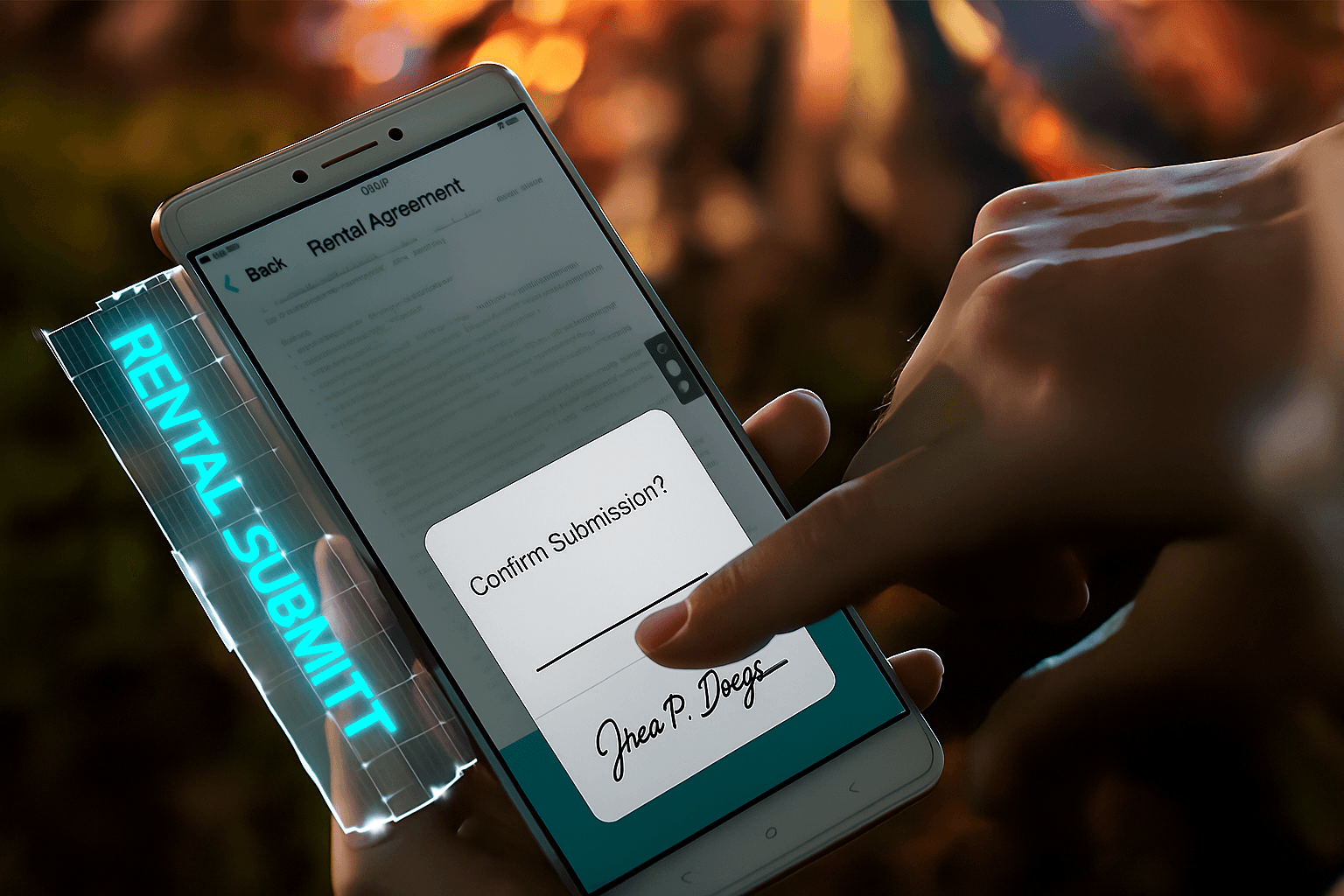
Les bases de l'intégration de la signature électronique Workday HCM
L'écosystème API robuste de Workday HCM facilite l'intégration de la signature électronique, permettant d'intégrer les flux de travail de signature directement dans les fonctions RH de base, telles que les lettres d'offre, les accords de confidentialité et les formulaires d'inscription aux avantages sociaux. Le processus commence généralement par la configuration des outils d'intégration de Workday, tels que Workday Studio ou Enterprise Interface Builder (EIB), pour se connecter à l'API d'un fournisseur de signature électronique. Cette configuration garantit que les documents générés par Workday, tels que les autorisations de paie ou les accords de cessation d'emploi, sont automatiquement acheminés pour la signature numérique et que les pistes d'audit sont renvoyées au système à des fins d'archivage.
Pourquoi l'intégration est importante pour les entreprises
D'un point de vue commercial, l'intégration des signatures électroniques dans Workday HCM résout les principaux problèmes des opérations RH. Les processus de signature manuelle peuvent retarder l'intégration de plusieurs jours, ce qui a un impact sur les indicateurs de temps d'embauche et la satisfaction des employés. Une solution bien intégrée peut accélérer ces cycles, réduisant potentiellement les frais administratifs jusqu'à 70 %, selon les références de l'industrie de Gartner. De plus, à l'ère post-pandémique où le travail à distance domine, les signatures électroniques assurent la continuité des activités tout en maintenant la validité juridique.
Les entreprises doivent évaluer la compatibilité de l'intégration dès le début. Workday prend en charge les normes telles que les API RESTful et OAuth pour un échange de données sécurisé, mais les fournisseurs varient en termes de profondeur des connecteurs spécifiques à Workday. Par exemple, certains proposent des modèles préconstruits qui mappent directement les champs Workday aux champs de signature, minimisant ainsi le développement personnalisé. Ceci est particulièrement précieux pour les entreprises de taille moyenne sans ressources informatiques dédiées, car cela réduit les coûts de mise en œuvre, qui se situent généralement entre 5 000 et 20 000 dollars, selon la taille.
Guide d'intégration étape par étape
Pour une intégration efficace de la signature électronique Workday HCM, suivez ces étapes structurées :
-
Évaluer les besoins : Identifier les documents RH qui nécessitent une signature, tels que les formulaires I-9 ou les accords d'attribution d'actions. Tenir compte des volumes, des rôles des utilisateurs et des exigences de conformité.
-
Sélectionner un fournisseur : Choisir une plateforme de signature électronique avec une intégration certifiée Workday. Vérifier la prise en charge de l'authentification unique (SSO) pour s'aligner sur le modèle de sécurité de Workday.
-
Configurer l'API : Utiliser la plateforme cloud d'intégration de Workday pour créer des connecteurs. Tester le flux de données, en s'assurant que l'authentification du signataire correspond aux profils d'utilisateur HCM.
-
Mapper les flux de travail : Intégrer les demandes de signature dans les tâches Workday. Par exemple, déclencher une signature sur un plan de compensation mis à jour après l'approbation d'une promotion d'employé.
-
Tester et déployer : Effectuer des tests pilotes avec des exemples de documents. Surveiller la latence (une intégration idéale traite les signatures en moins de 10 secondes) et assurer l'accessibilité mobile pour les équipes mondiales.
-
Surveiller la conformité : Après l'intégration, utiliser des analyses pour suivre les taux d'achèvement des signatures et les journaux d'audit, qui sont essentiels pour les audits réglementaires.
Les défis comprennent les risques de confidentialité des données pendant la transmission et les différentes réglementations mondiales. Dans l'UE, le RGPD exige un consentement explicite pour le partage de données, tandis que l'ESIGN Act et l'UETA aux États-Unis offrent une large applicabilité. Pour la région Asie-Pacifique, où l'adoption de Workday est élevée, les lois locales telles que la loi sur les transactions électroniques de Singapour exigent que les signatures soient aussi fiables que les signatures manuscrites, ce qui influence le choix du fournisseur.
Cette intégration améliore non seulement la productivité, mais aussi la précision des données, car les documents signés sont automatiquement renseignés dans Workday, réduisant ainsi les erreurs de saisie manuelle. Les entreprises signalent un retour sur investissement en six mois, grâce à des délais d'exécution plus rapides et à une réduction des coûts liés au papier.
Évaluation des fournisseurs de signature électronique pour Workday HCM
Plusieurs solutions de signature électronique s'intègrent de manière transparente à Workday HCM, chacune offrant des avantages uniques en termes de convivialité, d'évolutivité et de conformité. Ci-dessous, nous examinons les principaux acteurs d'un point de vue commercial neutre, en mettant l'accent sur leur adéquation aux flux de travail RH.
DocuSign : Le leader du marché pour les intégrations d'entreprise
DocuSign se distingue par son connecteur Workday HCM étendu, permettant d'intégrer directement les cérémonies de signature dans les tableaux de bord HCM. Il prend en charge des fonctionnalités avancées telles que le routage conditionnel basé sur les hiérarchies d'approbation et des analyses robustes pour suivre le cycle de vie des documents RH. D'un point de vue commercial, l'évolutivité de DocuSign convient aux grandes entreprises, avec des plans de base à environ 10 dollars par utilisateur et par mois, s'étendant aux niveaux d'entreprise avec des intégrations personnalisées. Sa couverture de conformité mondiale s'étend à plus de 180 pays, soutenue par des fonctionnalités telles que l'authentification biométrique.
Cependant, les configurations complexes peuvent nécessiter l'intervention de développeurs, et une utilisation à volume élevé peut entraîner une augmentation des coûts.

Adobe Sign : Une solution polyvalente pour les environnements à forte densité de documents
Adobe Sign s'intègre efficacement à Workday HCM via Adobe's Document Cloud, permettant aux équipes RH d'exploiter les flux de travail PDF pour gérer les formulaires tels que les évaluations de performance. Il excelle dans la prise en charge multilingue et les fonctionnalités d'accessibilité, ce qui le rend adapté à une main-d'œuvre diversifiée. Les utilisateurs professionnels apprécient son interface glisser-déposer pour personnaliser les champs de signature, qui s'aligne bien avec le système de modèles de Workday. Les prix commencent à environ 10 dollars par utilisateur et par mois, et les options d'entreprise incluent l'accès à l'API pour une intégration plus approfondie. La force d'Adobe Sign réside dans ses liens écosystémiques avec des outils tels que Microsoft Office, améliorant ainsi la productivité globale.
Cela dit, il peut sembler moins spécialisé dans les cas d'utilisation purement HCM par rapport aux fournisseurs axés sur les RH.

eSignGlobal : Un choix conforme pour les opérations mondiales
eSignGlobal offre une intégration simple de Workday HCM via son API, en se concentrant sur la facilité d'utilisation pour les processus RH tels que la signature de contrats. Il prend en charge la conformité dans plus de 100 pays et régions du monde, avec une forte présence dans la région Asie-Pacifique. Par exemple, sa solution est conforme aux réglementations locales telles que l'Electronic Transactions Ordinance de Hong Kong et l'Electronic Transactions Act d'Australie, garantissant que les signatures sont juridiquement valides sans certification supplémentaire. Dans la région Asie-Pacifique, eSignGlobal offre des prix compétitifs : son plan Essential ne coûte que 16,6 dollars par mois, permettant d'envoyer jusqu'à 100 documents à signer, un nombre illimité de sièges d'utilisateurs et une vérification par code d'accès. Cette structure de prix offre une forte valeur sur une base de conformité, souvent 20 à 30 % inférieure à celle de ses concurrents. De plus, il s'intègre de manière transparente aux systèmes d'identité régionaux tels que iAM Smart à Hong Kong et Singpass à Singapour, facilitant ainsi l'authentification sécurisée et localisée pour les équipes multinationales.
Pour les entreprises qui privilégient la rentabilité sur les marchés réglementés, le modèle d'eSignGlobal offre une alternative équilibrée sans sacrifier les fonctionnalités de base.

HelloSign (maintenant Dropbox Sign) : Une solution conviviale pour les PME
HelloSign (maintenant renommé Dropbox Sign) offre une intégration simple avec Workday HCM, en mettant l'accent sur la facilité d'utilisation pour les petites équipes. Il prend en charge les connexions API de base pour l'envoi de documents à partir des modules HCM, avec des fonctionnalités telles que les modèles d'équipe pour les formulaires RH répétitifs. Les prix commencent à environ 15 dollars par utilisateur et par mois, ce qui est attrayant pour les entreprises en croissance. Sa synergie avec Dropbox facilite le stockage de fichiers, mais il lui manque certains des outils de conformité avancés pour les secteurs hautement réglementés.
Analyse comparative des fournisseurs de signature électronique
Pour faciliter la prise de décision, voici une comparaison neutre des principaux fournisseurs en fonction de la facilité d'intégration, des prix, de la conformité et des fonctionnalités pertinentes pour Workday HCM :
| Fournisseur | Profondeur de l'intégration Workday | Prix de départ (par utilisateur/mois) | Couverture de la conformité mondiale | Fonctionnalités clés de HCM | Limites |
|---|---|---|---|---|---|
| DocuSign | Élevée (connecteurs préconstruits) | 10 $ | Plus de 180 pays | Routage conditionnel, analyses | Coûts plus élevés pour les volumes importants |
| Adobe Sign | Moyenne (axée sur l'API) | 10 $ | Plus de 100 pays | Édition de PDF, multilingue | Moins spécifique aux RH |
| eSignGlobal | Moyenne (API avec focus régional) | 16,6 $ (plan Essential) | Plus de 100 pays, forte présence en Asie-Pacifique | Nombre illimité de sièges, intégrations locales (comme Singpass) | Moins d'analyses de niveau entreprise |
| HelloSign (Dropbox Sign) | Faible à moyenne (API de base) | 15 $ | Plus de 150 pays | Modèles simples, synchronisation de fichiers | Routage avancé limité |
Ce tableau met en évidence les compromis : les options de niveau entreprise comme DocuSign excellent en profondeur, tandis qu'eSignGlobal offre une valeur régionale.
Le paysage réglementaire des signatures électroniques sur les principaux marchés
Les lois sur les signatures électroniques varient à l'échelle mondiale, ce qui a un impact sur les intégrations Workday HCM. Aux États-Unis, l'ESIGN Act (2000) et l'UETA garantissent que les signatures électroniques sont juridiquement contraignantes si elles démontrent l'intention et le consentement, sans exigences particulières pour les documents RH. Le règlement eIDAS de l'UE classe les signatures en niveaux de base, avancés et qualifiés, les signatures qualifiées étant requises pour les contrats à haut risque : les utilisateurs de Workday optent généralement pour des signatures électroniques avancées pour répondre à cette exigence. Dans la région Asie-Pacifique, l'Electronic Transactions Act (2010) de Singapour reflète les normes américaines, mais met l'accent sur la fiabilité, tandis que la loi chinoise sur les signatures électroniques (2005) exige une certification d'autorités de confiance pour garantir l'applicabilité. La loi indienne sur les technologies de l'information (2000) prend en charge les signatures électroniques via l'intégration d'Aadhaar, ce qui s'aligne sur les déploiements mondiaux de Workday. Les entreprises qui intègrent des signatures électroniques doivent choisir des fournisseurs qui s'alignent sur ces cadres pour éviter les pièges juridiques, tels que les accords non applicables dans le cadre d'embauches transfrontalières.
Conclusion : Choisir la bonne solution pour votre entreprise
En conclusion, l'intégration de la signature électronique Workday HCM améliore l'agilité opérationnelle, mais le succès dépend de l'adéquation du fournisseur aux besoins de l'entreprise. Pour les utilisateurs qui recherchent une alternative à DocuSign, eSignGlobal se distingue comme une option de conformité régionale, en particulier pour les opérations en Asie-Pacifique, où les réglementations locales et les économies de coûts sont essentielles. Évaluez en fonction de votre taille et de votre situation géographique pour des résultats optimaux.
