
'%3e%3cpath%20fill-rule='evenodd'%20clip-rule='evenodd'%20d='M6.99935%2012.8327C10.221%2012.8327%2012.8327%2010.221%2012.8327%206.99935C12.8327%203.77769%2010.221%201.16602%206.99935%201.16602C3.77769%201.16602%201.16602%203.77769%201.16602%206.99935C1.16602%2010.221%203.77769%2012.8327%206.99935%2012.8327Z'%20stroke='%23666666'%20stroke-linecap='round'%20stroke-linejoin='round'/%3e%3cpath%20d='M1.16602%207H12.8327'%20stroke='%23666666'%20stroke-linecap='round'%20stroke-linejoin='round'/%3e%3cpath%20fill-rule='evenodd'%20clip-rule='evenodd'%20d='M6.99935%2012.8327C8.28802%2012.8327%209.33268%2010.221%209.33268%206.99935C9.33268%203.77769%208.28802%201.16602%206.99935%201.16602C5.71068%201.16602%204.66602%203.77769%204.66602%206.99935C4.66602%2010.221%205.71068%2012.8327%206.99935%2012.8327Z'%20stroke='%23666666'%20stroke-linecap='round'%20stroke-linejoin='round'/%3e%3cpath%20d='M2.875%202.95898C3.93063%204.01461%205.38896%204.66754%206.99978%204.66754C8.61062%204.66754%2010.069%204.01461%2011.1246%202.95898'%20stroke='%23666666'%20stroke-linecap='round'%20stroke-linejoin='round'/%3e%3cpath%20d='M11.1246%2011.0425C10.069%209.98691%208.61062%209.33398%206.99978%209.33398C5.38896%209.33398%203.93063%209.98691%202.875%2011.0425'%20stroke='%23666666'%20stroke-linecap='round'%20stroke-linejoin='round'/%3e%3c/g%3e%3cdefs%3e%3cclipPath%20id='clip0_1267_9109'%3e%3crect%20width='14'%20height='14'%20fill='white'/%3e%3c/clipPath%3e%3c/defs%3e%3c/svg%3e)


Pagkakaiba ng Digital Signature at Electronic Signature


Pag-unawa sa Elektronikong Lagda at Digital na Lagda
Sa modernong kapaligiran ng negosyo, ang paglagda ay lumampas na sa panahon ng panulat at papel, na nagbibigay-daan para sa mas mabilis na transaksyon at malalayong pagtutulungan. Ang elektronikong lagda at digital na lagda ay dalawang mahalagang teknolohiya na nagtutulak sa pagbabagong ito, bagama't magkakapatong ang kanilang mga tungkulin, magkaiba ang kanilang mga gamit. Mula sa pananaw ng negosyo, ang pag-unawa sa kanilang mga pagkakaiba ay tumutulong sa mga organisasyon na pumili ng mga tool na umaayon sa mga pangangailangan sa pagsunod, mga kinakailangan sa seguridad, at kahusayan sa operasyon nang hindi nagkakaroon ng hindi kinakailangang gastos.
Ang elektronikong lagda, na karaniwang tinatawag na e-lagda, ay tumutukoy sa anumang elektronikong datos na kumakatawan sa intensyon ng isang indibidwal na lumagda sa isang dokumento. Maaari itong kasing simple ng pagta-type ng pangalan, pagguhit ng lagda gamit ang mouse, o pag-click sa isang button na "Tanggapin". Malawak silang tinutukoy sa karamihan ng mga hurisdiksyon bilang may legal na katumbas sa mga sulat-kamay na lagda, sa ilalim ng mga batas tulad ng ESIGN Act ng US noong 2000 at ang regulasyon ng eIDAS ng EU. Pinahahalagahan ng mga negosyo ang pagiging madaling gamitin ng mga elektronikong lagda—nagbibigay-daan ito para sa mabilis na pag-apruba ng mga kontrata, invoice, o HR form nang hindi kinakailangang personal na naroroon. Gayunpaman, iba-iba ang kanilang seguridad; maaaring hindi sila naglalaman ng pag-encrypt o pagpapatunay na lampas sa pangunahing pagpapatunay, kaya angkop ang mga ito para sa mga panloob na dokumento na may mababang panganib.
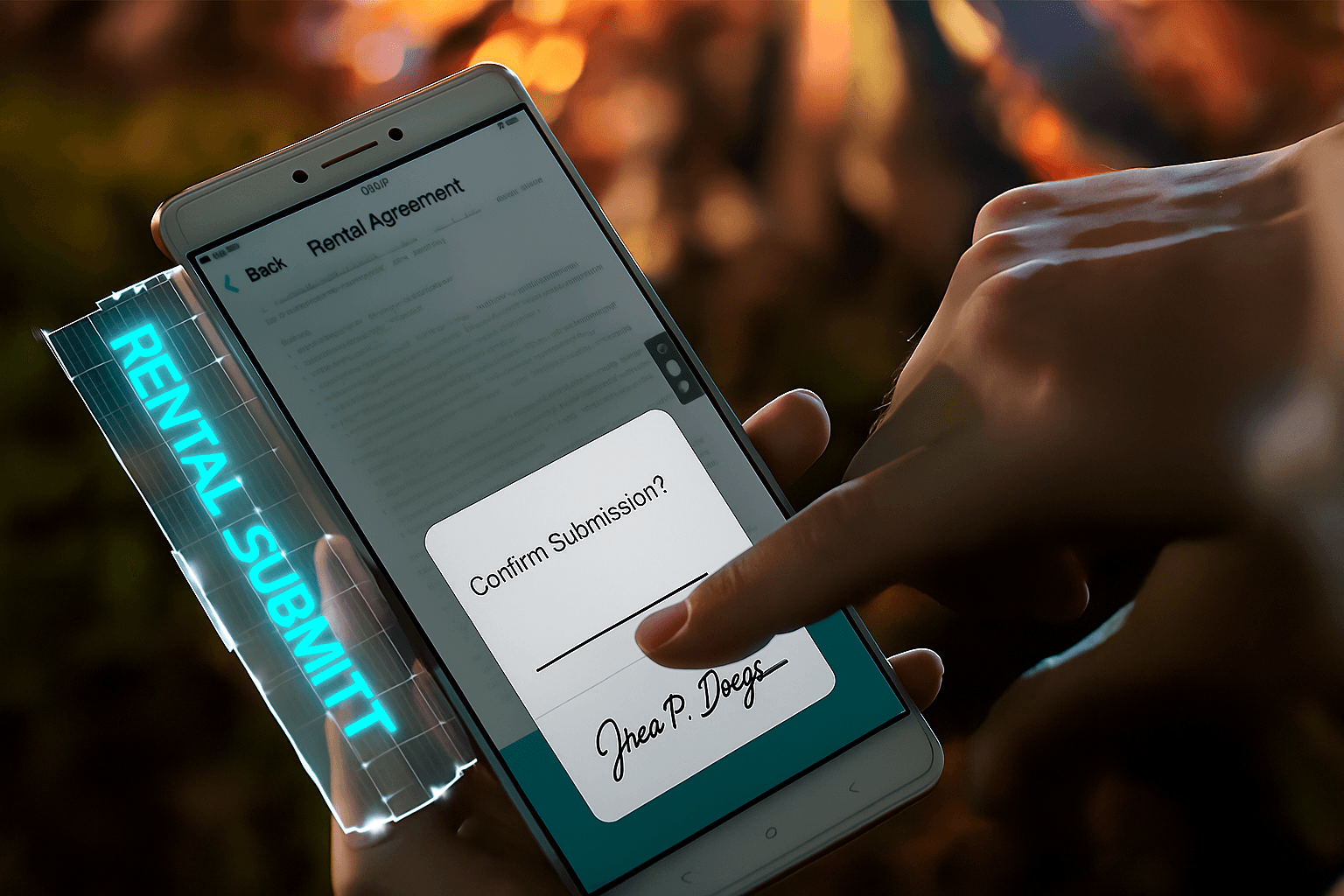
Sa kabilang banda, ang digital na lagda ay isang subset ng elektronikong lagda na nagsasama ng advanced na teknolohiya ng pag-encrypt. Gumagamit sila ng Public Key Infrastructure (PKI) upang lumikha ng natatangi at hindi nababago na selyo. Kapag naglapat ang lumalagda ng digital na lagda, ini-encrypt ng kanilang pribadong key ang hash ng dokumento, na tanging ang kanilang pampublikong key lamang ang makakapag-decrypt—sa gayon ay tinitiyak ang pagiging tunay, integridad, at hindi maitatanggi. Nangangahulugan ito na hindi maitatanggi ng lumalagda ang kanilang aksyon, at ang anumang pagbabago pagkatapos ng paglagda ay magpapawalang-bisa sa lagda. Sa buong mundo, ang mga digital na lagda ay sumusunod sa mahigpit na pamantayan tulad ng NIST framework ng US o ISO 32000 para sa PDF, na ginagawa itong angkop para sa mga senaryo na may mataas na panganib tulad ng mga kasunduan sa pananalapi o paglilipat ng intelektwal na pag-aari.
Ang pangunahing pagkakaiba ay nasa seguridad at legal na bisa. Binibigyang-priyoridad ng mga elektronikong lagda ang kaginhawahan at may legal na bisa sa pang-araw-araw na negosyo, ngunit kulang sila sa cryptographic na patunay na nakapaloob sa mga digital na lagda. Halimbawa, ang elektronikong lagda ay maaaring umasa sa pagpapatunay ng email, habang ang digital na lagda ay nangangailangan ng Certificate Authority (CA) tulad ng Entrust o DigiCert upang mag-isyu ng mga mapapatunayang kredensyal. Mula sa pananaw ng pagmamasid sa negosyo, nakakaapekto ang pagkakaibang ito sa pamamahala ng panganib: Ayon sa mga ulat ng industriya, maaaring bawasan ng mga elektronikong lagda ang mga gastos sa papeles ng hanggang 80%, ngunit maaaring pagaanin ng mga digital na lagda ang mga panganib sa pandaraya sa mga kinokontrol na industriya tulad ng pagbabangko o pangangalagang pangkalusugan, kung saan ang mga multa sa paglabag ay maaaring umabot sa milyon-milyong dolyar.
Ang isa pang mahalagang pagkakaiba ay ang pagiging kumplikado ng pagpapatupad. Ang mga elektronikong lagda ay maaaring walang putol na isama sa mga platform tulad ng email o cloud storage, na sumusuporta sa mga workflow ng maraming partido nang hindi nangangailangan ng nakalaang hardware. Gayunpaman, ang mga digital na lagda ay karaniwang nangangailangan ng software para sa paghawak ng mga sertipiko, tulad ng Adobe Acrobat o mga nakalaang tool ng PKI, na maaaring magdagdag ng oras ng pag-setup at potensyal na mga gastos sa pagsasanay. Dapat ding isaalang-alang ng mga negosyong nakikipagkalakalan sa buong hangganan ang mga pagkakaiba sa rehiyon—sa US at EU, pareho silang itinuturing na wasto, ngunit ang mga bansa tulad ng India sa ilalim ng IT Act 2000 ay nagpapataas ng mga digital na lagda para sa mga pag-file ng gobyerno, habang ang mga pangkalahatang elektronikong lagda ay sapat na para sa mga pribadong kontrata.
Ang proseso ng pagpapatunay ay higit pang nagpapakita ng agwat. Ang mga elektronikong lagda ay maaaring gumamit ng mga simpleng audit tulad ng mga timestamp o IP log, ngunit ang mga digital na lagda ay nagbibigay ng forensic-level na ebidensya sa pamamagitan ng mga chain ng sertipiko at mga pagsusuri sa pagbawi. Ginagawa nitong mas angkop ang mga digital na lagda para sa mga audit na sumusunod sa mga framework tulad ng GDPR o SOX, bagama't maaaring labis ang mga ito para sa mga regular na pag-apruba, na nagdaragdag ng mga gastos. Mula sa pananaw ng negosyo, ang paggamit ng tamang uri ay nagbabalanse sa pagitan ng bilis at seguridad: Maaaring mas gusto ng mga startup ang mga elektronikong lagda para sa liksi, habang mas gusto ng mga enterprise ang mga digital na lagda upang magtatag ng tiwala sa mga kasosyo.
Sa mga tuntunin ng scalability, mahusay ang mga elektronikong lagda sa mga kapaligiran na may mataas na volume, na nagpoproseso ng libu-libong dokumento bawat buwan sa pamamagitan ng mga API. Ang mga digital na lagda ay nauugnay sa mga lifecycle ng sertipiko (karaniwang 1-3 taon), na nagpapakilala ng mga overhead ng pag-renew na maaaring makagambala sa mga operasyon kung hindi maayos na pamahalaan. Napansin ng mga tagamasid na ang mga hybrid na diskarte—gamit ang mga elektronikong lagda na may opsyonal na mga digital na pag-upgrade—ay nagiging popular, na nagpapahintulot sa mga kumpanya na mag-layer ng seguridad batay sa halaga ng dokumento.
Ang pagsunod sa regulasyon ay nagdaragdag ng isa pang layer. Sa US, pareho silang pinamamahalaan ng ESIGN at UETA, ngunit ang mga digital na lagda ay nakakatugon sa mas mataas na pamantayan ng ebidensya sa korte. Tinutukoy ng eIDAS ng EU ang pagitan ng "simpleng" elektronikong lagda (tulad ng mga pangunahing e-lagda) at "kwalipikadong" digital na lagda, na mayroong pagpapalagay ng bisa. Sa Asia-Pacific, tulad ng Electronic Transactions Act ng Singapore o ang Electronic Signature Law ng China, ang mga digital na lagda ay karaniwang nangangailangan ng mga CA na inaprubahan ng gobyerno para sa pagpapatupad, na nagtutulak sa mga negosyo na lumipat sa mga sertipikadong provider upang maiwasan ang mga hindi pagkakaunawaan.
Sa huli, ang pagpili ay nakasalalay sa kaso ng paggamit: ang mga elektronikong lagda para sa malawak na kahusayan, ang mga digital na lagda para sa matibay na proteksyon. Nakakaapekto ang pagkakaibang ito sa pagpili ng vendor, dahil iba-iba ang mga platform sa kanilang suporta para sa bawat isa.
Mga Sikat na Solusyon sa Elektronikong Lagda
DocuSign
Ang DocuSign ay isang lider sa merkado ng mga solusyon sa elektronikong lagda, na nagbibigay ng matatag na mga tool para sa mga negosyo sa buong mundo. Sinusuportahan nito ang mga elektronikong lagda at digital na lagda sa pamamagitan ng mga workflow ng sobre, mga template, at mga pagsasama ng API. Ang pagpepresyo ay nagsisimula sa $10 bawat buwan para sa personal na paggamit, na lumalawak sa mga plano ng enterprise na may kasamang advanced na automation. Mula sa isang neutral na pananaw ng negosyo, mahusay ang DocuSign sa pandaigdigang saklaw at pagsunod, ngunit maaaring makaipon ang mga gastos para sa mga karagdagang feature tulad ng pagpapatunay ng pagkakakilanlan.

Adobe Sign
Ang Adobe Sign ay bahagi ng Adobe Document Cloud, na walang putol na isinasama sa mga PDF at mga creative workflow, na ginagawa itong popular sa mga team ng disenyo at legal. Pinangangasiwaan nito ang mga elektronikong lagda sa pamamagitan ng mga drag-and-drop na field at sumusuporta sa mga digital na lagda na nakabatay sa sertipiko na sumusunod sa mga pandaigdigang pamantayan. Ang mga plano ay nagsisimula sa humigit-kumulang $10 bawat buwan bawat user, na may kasamang mga opsyon ng enterprise na may kasamang analytics at mga mobile app. Pinahahalagahan ng mga negosyo ang synergy nito sa Adobe ecosystem, bagama't maaaring mangailangan ng karagdagang mga lisensya ng Acrobat ang pag-customize.

eSignGlobal
Lumilitaw ang eSignGlobal bilang isang maraming gamit na provider na nakatuon sa pagsunod at affordability, na sumusuporta sa mga elektronikong lagda at digital na lagda sa 100+ pangunahing bansa at rehiyon sa buong mundo. Mayroon itong partikular na lakas sa Asia-Pacific, kung saan tinitiyak nito ang katutubong pagkakahanay sa mga lokal na batas, tulad ng walang putol na pagsasama sa iAM Smart ng Hong Kong at Singpass ng Singapore para sa pinahusay na pagpapatunay. Ang pagpepresyo ng Essential na bersyon ay nagsisimula sa $16.6 lamang bawat buwan, na nagpapahintulot sa pagpapadala ng hanggang 100 elektronikong nilagdaang dokumento, walang limitasyong mga upuan ng user, at pagpapatunay sa pamamagitan ng mga access code—na nagbibigay ng matatag na halaga sa isang batayan ng pagsunod. Para sa detalyadong pagpepresyo, bisitahin ang pahina ng pagpepresyo ng eSignGlobal. Ginagawa nitong isang abot-kayang pagpipilian para sa mga kumpanyang nakatuon sa Asia-Pacific nang hindi isinasakripisyo ang seguridad.

HelloSign (Dropbox Sign)
Ang HelloSign, na ngayon ay bahagi ng Dropbox, ay nag-aalok ng mga user-friendly na feature ng elektronikong lagda, kabilang ang mga reusable na template at pagtutulungan ng team. Sinusuportahan nito ang mga pangunahing feature ng digital na lagda sa pamamagitan ng mga pagsasama, ngunit namumukod-tangi sa pagiging simple nito sa mga maliliit at katamtamang laki ng negosyo. Ang pagpepresyo ay nagsisimula sa isang libreng bersyon para sa limitadong paggamit, hanggang sa $15 bawat buwan bawat user para sa mga propesyonal na plano. Pinupuri ito para sa intuitive na interface nito, bagama't maaaring kulang ito sa lalim sa mga advanced na tool sa pagsunod kumpara sa mas malalaking kakumpitensya.
Paghahambing ng mga Pangunahing Provider
| Feature/Provider | DocuSign | Adobe Sign | eSignGlobal | HelloSign (Dropbox Sign) |
|---|---|---|---|---|
| Pangunahing Suporta | Elektroniko & Digital | Elektroniko & Digital | Elektroniko & Digital (100+ Bansa) | Pangunahing Elektroniko, Pangunahing Digital |
| Pagpepresyo (Entry-Level, Bawat Buwan) | $10/User | $10/User | $16.6 (Walang Limitasyong Upuan) | Libre (Limitado), $15/User |
| Pangunahing Lakas | Pandaigdigang Pagsunod, API | Pagsasama ng PDF, Analytics | Pokus sa Asia-Pacific, Pagsasama (Tulad ng Singpass) | Kadalian ng Paggamit, Pag-synchronize ng Dropbox |
| Limitasyon | Mas Mataas na Karagdagang Gastos | Pagdepende sa Ecosystem | Mas Mababang Pagkilala sa Brand sa Labas ng Asia-Pacific | Mas Kaunting Mga Feature ng Enterprise |
| Pinakaangkop Para sa | Mga Enterprise | Mga Creative/Legal na Team | Mga Pangangailangan sa Pagsunod sa Rehiyon | Mga SMB |
Itinatampok ng talahanayang ito ang mga neutral na trade-off: DocuSign para sa sukat, Adobe para sa pagsasama, eSignGlobal para sa halaga ng rehiyon, HelloSign para sa pagiging madaling gamitin.
Para sa mga negosyong naghahanap ng alternatibo sa DocuSign na may matatag na pagsunod sa rehiyon, nag-aalok ang eSignGlobal ng isang balanseng, na-optimize sa rehiyon na pagpipilian.
