
'%3e%3cpath%20fill-rule='evenodd'%20clip-rule='evenodd'%20d='M6.99935%2012.8327C10.221%2012.8327%2012.8327%2010.221%2012.8327%206.99935C12.8327%203.77769%2010.221%201.16602%206.99935%201.16602C3.77769%201.16602%201.16602%203.77769%201.16602%206.99935C1.16602%2010.221%203.77769%2012.8327%206.99935%2012.8327Z'%20stroke='%23666666'%20stroke-linecap='round'%20stroke-linejoin='round'/%3e%3cpath%20d='M1.16602%207H12.8327'%20stroke='%23666666'%20stroke-linecap='round'%20stroke-linejoin='round'/%3e%3cpath%20fill-rule='evenodd'%20clip-rule='evenodd'%20d='M6.99935%2012.8327C8.28802%2012.8327%209.33268%2010.221%209.33268%206.99935C9.33268%203.77769%208.28802%201.16602%206.99935%201.16602C5.71068%201.16602%204.66602%203.77769%204.66602%206.99935C4.66602%2010.221%205.71068%2012.8327%206.99935%2012.8327Z'%20stroke='%23666666'%20stroke-linecap='round'%20stroke-linejoin='round'/%3e%3cpath%20d='M2.875%202.95898C3.93063%204.01461%205.38896%204.66754%206.99978%204.66754C8.61062%204.66754%2010.069%204.01461%2011.1246%202.95898'%20stroke='%23666666'%20stroke-linecap='round'%20stroke-linejoin='round'/%3e%3cpath%20d='M11.1246%2011.0425C10.069%209.98691%208.61062%209.33398%206.99978%209.33398C5.38896%209.33398%203.93063%209.98691%202.875%2011.0425'%20stroke='%23666666'%20stroke-linecap='round'%20stroke-linejoin='round'/%3e%3c/g%3e%3cdefs%3e%3cclipPath%20id='clip0_1267_9109'%3e%3crect%20width='14'%20height='14'%20fill='white'/%3e%3c/clipPath%3e%3c/defs%3e%3c/svg%3e)


Bayad sa DocuSign ng PayPal


Pag-unawa sa mga Bayarin sa Pagsasama ng PayPal at DocuSign
Sa patuloy na pagbabago ng digital na transaksyon, lalong umaasa ang mga negosyo sa mga platform ng electronic signature tulad ng DocuSign upang gawing mas simple ang mga proseso ng kontrata, habang isinasama ang mga gateway ng pagbabayad tulad ng PayPal para sa walang problemang pangongolekta ng kita. Pinapayagan ng pagsasamang ito ang mga user na direktang ilakip ang mga kahilingan sa pagbabayad sa mga workflow ng pagpirma, na binabawasan ang alitan sa mga proseso ng pagbebenta at serbisyo. Gayunpaman, ang mga kaugnay na bayarin—kabilang ang mga bayarin sa subscription ng DocuSign, paggamit ng envelope, at mga bayarin sa transaksyon ng PayPal—ay maaaring makaapekto sa pangkalahatang gastos. Mula sa pananaw ng negosyo, ang pag-unawa sa mga bayaring ito ay mahalaga para sa pag-optimize ng gastos sa isang mapagkumpitensyang merkado kung saan ang kahusayan at pagsunod ay nagtutulak ng paggamit.
Pagsusuri sa Pangunahing Istruktura ng Pagpepresyo ng DocuSign
Ang modelo ng pagpepresyo ng DocuSign ay tiered, pangunahing nakabatay sa mga user seat, bilang ng mga envelope (ang bawat envelope ay kumakatawan sa isang dokumento o hanay ng mga dokumento na ipinadala para sa pagpirma), at mga add-on. Para sa 2025, ang mga plano ng eSignature ay nagsisimula sa Personal na plano sa $10 bawat buwan ($120 bawat taon), na angkop para sa mga indibidwal, na nag-aalok ng 5 envelope bawat buwan. Ang Standard na plano ay umaabot sa $25 bawat user bawat buwan ($300 bawat taon), na sumusuporta sa hanggang 50 user, na may humigit-kumulang 100 envelope bawat user bawat taon sa ilalim ng taunang pagsingil. Ang Business Pro na plano ay nagkakahalaga ng $40 bawat user bawat buwan ($480 bawat taon), na nagdaragdag ng mga advanced na feature tulad ng bulk sending at conditional logic, na nagpapanatili ng mga katulad na limitasyon sa envelope.
Ang mga plano sa antas ng enterprise ay may custom na pagpepresyo, na karaniwang lumalampas sa $480 bawat user bawat taon, kabilang ang mga custom na envelope at mga tool sa pagsunod. Ang mga automated na pagpapadala, kabilang ang mga pagpapadala na na-trigger sa pamamagitan ng mga pagsasama, ay karaniwang limitado—100 bawat user bawat taon sa ilalim ng taunang mga plano—anuman ang pangkalahatang quota ng envelope. Ang mga add-on tulad ng paghahatid ng SMS/WhatsApp ay nagdudulot ng mga bayarin bawat mensahe, na nag-iiba ayon sa rehiyon, habang ang pagpapatunay ng pagkakakilanlan (IDV) ay sinusukat, na nagdaragdag ng mga gastos para sa mga biometric check o pag-scan ng dokumento.
Mga Detalye ng Pagsasama ng PayPal at Mga Kaugnay na Bayarin
Ang mga query na "PayPal DocuSign fees" ay karaniwang umiikot sa kung paano nakikipag-ugnayan ang feature ng pangongolekta ng pagbabayad ng DocuSign sa PayPal. Available sa Business Pro at mas mataas na mga plano, pinapayagan ng feature na ito ang mga kahilingan sa pagbabayad ng PayPal na ilakip sa mga envelope, na nagbibigay-daan sa mga lumalagda na magbayad sa pamamagitan ng credit card, balanse ng PayPal, o paglilipat ng banko sa panahon ng proseso ng pagpirma. Ang DocuSign mismo ay hindi naniningil ng karagdagang bayad para sa pagsasama—kasama ito sa presyo ng plano—ngunit ang mga gastos ay nagmumula sa paggamit at sa panig ng PayPal.
Nalalapat ang mga bayarin sa envelope ng DocuSign: ang bawat envelope na pinagana ng pagbabayad ay binibilang sa iyong quota. Ang mga labis ay sinisingil sa humigit-kumulang $0.10–$1 bawat envelope, depende sa mga pangako sa dami. Para sa mga user na may mataas na volume, maaaring makipag-ayos ang mga custom na kontrata para sa mas mababang mga rate, ngunit ang mga karaniwang labis ay mabilis na naipon para sa mga negosyong humahawak ng madalas na mga transaksyon.
Sa panig ng PayPal, ang mga bayarin sa transaksyon ay pamantayan: 2.9% + $0.30 para sa mga domestic na transaksyon ng mga kalakal/serbisyo, na tumataas sa 4.4% + nakapirming bayad para sa mga internasyonal na transaksyon. Ang pag-convert ng pera ay nagdaragdag ng 3–4% kung ang mga pagbabayad ay tumatawid sa mga hangganan. Dapat ding isaalang-alang ng mga negosyo ang pag-setup ng PayPal: libreng mga account sa negosyo, ngunit ang mga advanced na feature tulad ng pag-invoice o advanced na proteksyon sa pandaraya ay maaaring mangailangan ng karagdagang mga subscription, na nagsisimula sa $10 bawat buwan.
Mula sa isang pananaw ng negosyo, ang kumbinasyong ito ay mahusay para sa e-commerce o mga negosyong nakabatay sa serbisyo—isipin ang mga ahente ng real estate na nangongolekta ng mga deposito o mga provider ng SaaS na humahawak ng mga subscription. Gayunpaman, ang kabuuang gastos ay maaaring nakakagulat: ang isang katamtamang laki ng team na gumagamit ng Business Pro (50 user sa mahigit $20,000 bawat taon) kasama ang mga bayarin sa PayPal sa $100,000 sa mga transaksyon ay maaaring lumampas sa 5% sa overhead. Pinapalaki ng mga salik sa rehiyon ang puntong ito; sa US, ang mga electronic signature ay pinamamahalaan ng ESIGN Act (2000) at UETA, na tinitiyak ang legal na pagpapatupad ng mga kontrata na isinama sa pagbabayad. Sa EU, ang mga regulasyon ng eIDAS ay nangangailangan ng mga kwalipikadong electronic signature para sa mga transaksyon na may mataas na halaga, na maaaring mangailangan ng add-on ng IDV ng DocuSign, na nagsisimula sa karagdagang mga sinusukat na bayarin. Ang mga merkado ng APAC, tulad ng China sa ilalim ng Electronic Signature Law (2005, na-update noong 2019), ay nangangailangan ng lokalisasyon ng data, na hindi direktang nagpapataas ng mga bayarin sa pamamagitan ng mga tool sa pagsunod.
Mga Nakatagong Gastos at Mga Istratehiya sa Pag-optimize
Higit pa sa mga pangunahing bayarin, kasama sa mga hindi direktang gastos ang paggamit ng API para sa pag-automate ng mga proseso ng PayPal-DocuSign. Ang mga plano ng developer ay mula sa $600 bawat taon (Starter, 40 envelope bawat buwan) hanggang $5,760 (Advanced), na may custom na enterprise. Ang bawat envelope ng pagbabayad na na-trigger ng API ay binibilang, na may mga labis na nalalapat. Halimbawa, ang bulk sending na isinama sa PayPal ay maaaring mabilis na maubos ang mga quota, na humahantong sa mga pag-upgrade sa mas mataas na mga tier.
Mula sa isang pananaw ng negosyo, ang pag-optimize ay nagsasangkot ng taunang pagsingil para sa 20% na diskwento, paggamit ng mga template upang i-recycle ang mga envelope upang i-minimize ang paggamit, at pagsubaybay sa pamamagitan ng mga dashboard ng DocuSign. Ang pagsasama ng PayPal nang maaga sa funnel ng pagbebenta ay maaaring mapabuti ang mga rate ng conversion ng 20–30% batay sa mga benchmark ng industriya, na nagbabawas sa mga bayarin. Gayunpaman, para sa mga pandaigdigang operasyon, ang mga pagkaantala sa pagbabayad sa cross-border (hal., APAC-US) ay nagdaragdag ng mga pagkaantala sa pagproseso, na maaaring mangailangan ng mas mahal na mga add-on tulad ng paghahatid ng SMS sa $0.10–$0.50 bawat mensahe.
Sa buod, ang mga bayarin sa PayPal DocuSign ay pinagsama ang mga subscription ($10–$40+ bawat user bawat buwan), mga envelope/labis ($0.10+ bawat isa), at mga pagbabawas sa transaksyon ng PayPal na 2.9%+. Para sa isang 10-user na pag-setup ng Business Pro na humahawak ng 500 envelope at $50,000 sa mga pagbabayad bawat taon, asahan ang kabuuang mga gastos na $5,000–$7,000 bawat taon—nasusukat ngunit mabigat sa gastos para sa mga startup.

Paghahambing ng DocuSign sa Mga Kakumpitensya sa Merkado ng Electronic Signature
Habang tinimbang ng mga negosyo ang mga opsyon, ang paghahambing ng DocuSign sa mga kakumpitensya tulad ng Adobe Sign, eSignGlobal, at iba pa ay nagpapakita ng mga trade-off sa pagpepresyo, mga feature, at rehiyonal na pagbagay. Ang pagsusuring ito ay batay sa pampublikong data noong 2025, na nakatuon sa mga pagsasama ng pagbabayad (tulad ng PayPal) at mga kakayahan sa pagsunod.
DocuSign: Pandaigdigang Lider na May Matatag na Pagsasama
Mahusay ang DocuSign sa mga tool sa antas ng enterprise, kabilang ang walang problemang pagsasama ng PayPal para sa mga pagbabayad sa loob ng envelope. Ang lakas nito ay nakasalalay sa scalability—sinusuportahan ng Business Pro ang bulk sending at conditional field, na angkop para sa mga workflow ng pagbabayad. Gayunpaman, ang mga cap ng envelope at mga karagdagang gastos ay maaaring magpalaki ng mga bayarin, lalo na para sa mga user na gumagamit ng API nang madalas. Ang transparency ng pagpepresyo ay mataas, ngunit ang pagsunod sa APAC ay madalas na nangangailangan ng mga karagdagang feature tulad ng IDV, na nagtutulak ng mga gastos nang 20–30% sa rehiyon.

Adobe Sign: Enterprise-Oriented na May Malakas na Pagsasama sa Adobe Ecosystem
Ang Adobe Sign, bilang bahagi ng Adobe Document Cloud, ay nag-aalok ng mapagkumpitensyang pagpepresyo, na nagsisimula sa $10 bawat user bawat buwan para sa mga indibidwal (10 envelope), na umaabot sa $27 bawat user bawat buwan para sa mga team, na may walang limitasyong mga envelope sa mas mataas na mga tier. Ang mga pagsasama ng pagbabayad, kabilang ang PayPal, ay available sa Standard at mas mataas, na may mga feature tulad ng mga pinagsamang daloy ng electronic signature + pagbabayad. Namumukod-tangi ito sa mga creative na industriya sa pamamagitan ng koneksyon nito sa Acrobat, ngunit ang suporta sa APAC na mobile-first ay nahuhuli. Ang mga limitasyon sa envelope ay mas mapagbigay (walang limitasyon sa enterprise), ngunit ang mga custom na kontrata para sa IDV o SSO ay nagdaragdag ng mga bayarin na katulad ng DocuSign. Mula sa isang pananaw ng negosyo, ito ay angkop para sa mga negosyong gumagamit ng maraming dokumento, bagaman ang pagiging kumplikado ng pag-setup ay maaaring makahadlang sa mga SMB.

eSignGlobal: APAC-Optimized na May Cost-Effective na Pagsunod
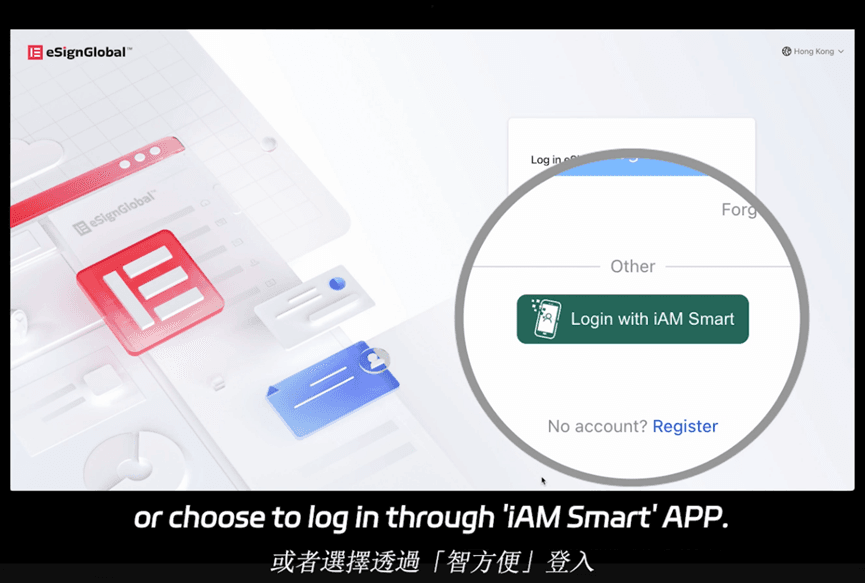
Pinoposisyon ng eSignGlobal ang sarili bilang isang rehiyonal na inangkop na alternatibo, na sumusunod sa mahigit 100 pangunahing bansa, na may partikular na lakas sa APAC. Ang Essential na plano nito ay nagkakahalaga lamang ng $16.60 bawat buwan, na nagpapahintulot ng hanggang 100 pirmahang dokumento, walang limitasyong mga user seat, at pagpapatunay sa pamamagitan ng mga access code—na nag-aalok ng mataas na halaga sa pagsunod nang hindi isinasakripisyo ang mga cap ng envelope ng mga kakumpitensya. Ang mga pagsasama ng pagbabayad, kabilang ang mga gateway na katulad ng PayPal, ay sumusuporta sa mga walang problemang daloy, na may transparent na pagpepresyo. Para sa higit pang mga detalye, tingnan ang kanilang pahina ng pagpepresyo. Sa APAC, katutubo itong isinama sa iAM Smart ng Hong Kong at Singpass ng Singapore para sa pagpapatunay ng pagkakakilanlan, na binabawasan ang mga karagdagang pangangailangan at gastos, na nagpapababa ng mga gastos nang 20–40% kumpara sa DocuSign. Ginagawa nitong kaakit-akit sa mga cross-border na negosyong nahaharap sa mga hadlang sa paninirahan ng data.
Iba Pang Mga Kakumpitensya: Pangkalahatang-ideya ng HelloSign at PandaDoc
Ang HelloSign ng Dropbox (ngayon ay Dropbox Sign) ay nagsisimula sa $15 bawat buwan (20 envelope), na may Pro na bersyon ($25 bawat buwan, walang limitasyong mga envelope) na sumusuporta sa pagsasama ng PayPal. Ito ay madaling gamitin para sa mga SMB ngunit kulang sa advanced na automation. Ang PandaDoc, sa $19 bawat user bawat buwan, ay nagbubuklod ng mga panukala sa mga electronic signature at pagbabayad, na angkop para sa mga team ng pagbebenta, bagaman ang mga bayarin sa API ay maaaring maipon para sa mga pagsasama.
| Feature/Aspect | DocuSign | Adobe Sign | eSignGlobal | HelloSign (Dropbox) | PandaDoc |
|---|---|---|---|---|---|
| Starting Price (Monthly, per User) | $10 (Personal) | $10 (Individual) | $16.60 (Essential, Unlimited Seats) | $15 (Basic) | $19 (Essentials) |
| Envelope Limits | 5–100/year (tiered) | Unlimited (higher tiers) | Up to 100 docs (Essential) | 20 (Basic); Unlimited (Pro) | Unlimited templates; usage-based |
| PayPal Integration | Yes (Business Pro+) | Yes (Standard+) | Yes, with regional gateways | Yes (Pro) | Yes, embedded payments |
| API/Developer Plans | $50–$480+/month | Custom (from $600/year) | Flexible, lower entry | $25+/month | $49+/month |
| Regional Compliance (APAC Focus) | Strong global; extras for APAC | Good EU/US; APAC add-ons | Native in 100+ countries; APAC optimized (e.g., iAM Smart, Singpass) | Basic; US-centric | Moderate; sales-focused |
| Key Strength | Enterprise scalability | Document ecosystem | Cost-effective APAC compliance | Simplicity | Proposal + sign bundles |
| Potential Drawback | High add-on fees | Complex setup | Less brand recognition globally | Limited advanced logic | Higher for non-sales use |
Binibigyang-diin ng talahanayang ito ang mga lakas ng eSignGlobal sa affordability at pagsunod sa APAC nang hindi isinasakripisyo ang mga pangunahing feature, bagaman nangunguna ang DocuSign sa pandaigdigang paggamit ng enterprise. Ang pagpili ay nakasalalay sa laki at lokasyon—halimbawa, ang Adobe ay angkop para sa mga creative na workflow, at ang HelloSign ay angkop para sa mabilis na pag-setup.
Pag-navigate sa Mga Pagpipilian sa Electronic Signature Para sa Kahusayan ng Negosyo
Sa isang merkado na inaasahang lalago ng 30% bawat taon hanggang 2030, ang pagpili ng isang provider ng electronic signature ay nagsasangkot ng pagbabalanse ng mga bayarin, pagsasama, at pagsunod. Para sa mga user ng PayPal-DocuSign, binibigyang-diin ng mga bayarin ang pangangailangan para sa pagpaplano ng volume. Habang lumilitaw ang mga alternatibo, nakakakuha ng traksyon ang mga rehiyonal na manlalaro.
Para sa mga naghahanap ng alternatibo sa DocuSign na may matatag na rehiyonal na pagsunod, nag-aalok ang eSignGlobal ng isang balanseng opsyon, lalo na sa mga kapaligirang na-optimize sa APAC.
