
'%3e%3cpath%20fill-rule='evenodd'%20clip-rule='evenodd'%20d='M6.99935%2012.8327C10.221%2012.8327%2012.8327%2010.221%2012.8327%206.99935C12.8327%203.77769%2010.221%201.16602%206.99935%201.16602C3.77769%201.16602%201.16602%203.77769%201.16602%206.99935C1.16602%2010.221%203.77769%2012.8327%206.99935%2012.8327Z'%20stroke='%23666666'%20stroke-linecap='round'%20stroke-linejoin='round'/%3e%3cpath%20d='M1.16602%207H12.8327'%20stroke='%23666666'%20stroke-linecap='round'%20stroke-linejoin='round'/%3e%3cpath%20fill-rule='evenodd'%20clip-rule='evenodd'%20d='M6.99935%2012.8327C8.28802%2012.8327%209.33268%2010.221%209.33268%206.99935C9.33268%203.77769%208.28802%201.16602%206.99935%201.16602C5.71068%201.16602%204.66602%203.77769%204.66602%206.99935C4.66602%2010.221%205.71068%2012.8327%206.99935%2012.8327Z'%20stroke='%23666666'%20stroke-linecap='round'%20stroke-linejoin='round'/%3e%3cpath%20d='M2.875%202.95898C3.93063%204.01461%205.38896%204.66754%206.99978%204.66754C8.61062%204.66754%2010.069%204.01461%2011.1246%202.95898'%20stroke='%23666666'%20stroke-linecap='round'%20stroke-linejoin='round'/%3e%3cpath%20d='M11.1246%2011.0425C10.069%209.98691%208.61062%209.33398%206.99978%209.33398C5.38896%209.33398%203.93063%209.98691%202.875%2011.0425'%20stroke='%23666666'%20stroke-linecap='round'%20stroke-linejoin='round'/%3e%3c/g%3e%3cdefs%3e%3cclipPath%20id='clip0_1267_9109'%3e%3crect%20width='14'%20height='14'%20fill='white'/%3e%3c/clipPath%3e%3c/defs%3e%3c/svg%3e)


Стоимость интеграции Stripe и DocuSign


Понимание интеграции Stripe и DocuSign
В постоянно меняющемся ландшафте цифровых платежей и управления документами интеграция Stripe и DocuSign предоставляет предприятиям беспрепятственный способ объединить безопасные электронные подписи с эффективной обработкой платежей. Эта интеграция позволяет пользователям встраивать запросы на оплату непосредственно в рабочие процессы подписания, оптимизируя операции для отделов продаж, юридических отделов и платформ электронной коммерции. С коммерческой точки зрения, такая интеграция может уменьшить количество ручных ошибок, ускорить закрытие сделок и улучшить качество обслуживания клиентов, позволяя совершать платежи в один клик рядом с подписью. Однако ее истинная ценность заключается в понимании связанных с этим затрат, которые варьируются в зависимости от использования, масштаба и дополнительных функций.
Интеграция обычно включает в себя использование API DocuSign для запуска платежных ссылок Stripe в конвертах (термин DocuSign для пакетов документов). Эта настройка особенно подходит для услуг на основе подписки, утверждения счетов или завершения контрактов, где оплата является предварительным условием. Предприятия должны сопоставить первоначальные затраты на разработку с долгосрочной экономией времени и соблюдением нормативных требований.

Разбивка затрат на интеграцию Stripe DocuSign
Затраты на интеграцию Stripe и DocuSign многогранны и включают в себя плату за подписку, транзакционные сборы, работу по разработке и потенциальные дополнения. Для многих предприятий эта интеграция попадает под план Business Pro или выше от DocuSign, где сбор платежей поддерживается изначально. Давайте разберем эти элементы, чтобы предоставить ясность лицам, принимающим решения, для оценки рентабельности инвестиций.
Стоимость подписки DocuSign
Ценообразование DocuSign является многоуровневым и основано на количестве мест, при этом годовая оплата обеспечивает наилучшие тарифы. План Personal начинается с 120 долларов США в год для одного пользователя и 5 конвертов в месяц, но не подходит для интеграции из-за ограниченного доступа к API. План Standard стоит 300 долларов США в год на пользователя (25 долларов США в месяц) и включает в себя совместную работу в команде и шаблоны, но не имеет функций оплаты. Для интеграции Stripe необходим план Business Pro, который стоит 480 долларов США в год на пользователя (40 долларов США в месяц). Этот уровень включает сбор платежей через интегрированные шлюзы, такие как Stripe, а также массовую отправку и условную логику — все это имеет решающее значение для автоматизации процесса оплаты и подписания.
Использование конвертов является ключевым фактором, определяющим затраты. Каждый интегрированный документ считается одним конвертом, и Business Pro позволяет отправлять примерно 100 конвертов в год на пользователя в рамках годового плана. Превышение этого лимита влечет за собой плату за превышение, обычно в размере 1–2 долларов США за каждый дополнительный конверт, в зависимости от объема обязательств. Для интеграции на основе API подходит план Developer от DocuSign: план Intermediate стоит 3600 долларов США в год и поддерживает около 100 конвертов в месяц с функциями совместной работы, а план Advanced за 5760 долларов США в год добавляет API массовой отправки, подходящий для больших объемов транзакций Stripe.
С коммерческой точки зрения эти затраты масштабируются в зависимости от количества пользовательских мест и объема транзакций. Небольшая команда из 5 человек, использующая Business Pro, может потратить 2400 долларов США в год только на подписку, плюс плата за превышение лимита конвертов, если она обрабатывает сотни платежей в месяц.
Комиссии за транзакции Stripe
Stripe сам по себе не взимает плату за настройку или интеграцию, что делает его удобным для разработчиков. Стандартная цена составляет 2,9% + 0,30 доллара США за успешную транзакцию с карты внутри страны. За международные карты добавляется дополнительная комиссия за трансграничные операции в размере 1–2%. В контексте DocuSign каждый платеж, собранный во время подписания, влечет за собой эти комиссии, которые перекладываются на предприятие, если они не поглощаются для удержания клиентов.
Например, контракт на 1000 долларов США, интегрированный с платежом Stripe, повлечет за собой комиссию примерно в 29,30 долларов США. Пользователи с большим объемом могут согласовать индивидуальные тарифы, возможно, снизив их до 2,5% + 0,20 доллара США. Сама интеграция не влечет за собой дополнительных затрат, поскольку API Stripe бесплатен для использования, но рекомендуется тестирование в режиме песочницы, чтобы избежать реальных сборов во время настройки.
Затраты на разработку и внедрение
Создание интеграции требует технических ресурсов. Используя REST API DocuSign и SDK Stripe, разработчики могут создавать веб-хуки для синхронизации статусов платежей с завершением подписания. Для готовых решений Marketplace DocuSign предлагает предварительно созданные коннекторы, уменьшая потребность в пользовательском кодировании. Однако пользовательские реализации — такие как встраивание элементов Stripe в шаблоны DocuSign — могут стоить от 5000 до 20 000 долларов США в качестве первоначальных затрат, в зависимости от сложности и привлечения внутренних разработчиков или агентств.
Постоянное обслуживание, включая обновления API и проверки соответствия требованиям, добавляет 10–20% к первоначальным затратам ежегодно. Предприятия в регулируемых отраслях, таких как финансы, могут потребовать дополнительных аудитов, что увеличивает общие затраты на интеграцию в первый год для операций среднего размера до 10 000–50 000 долларов США.
Дополнения и скрытые затраты
Такие функции, как отправка SMS для уведомлений об оплате, добавляют плату за сообщение (0,10–0,50 доллара США, в зависимости от региона), а проверка личности (IDV) для транзакций с высокой стоимостью оплачивается дополнительно — около 1–5 долларов США за проверку. Автоматизированная отправка, включая платежи, запускаемые API, ограничена примерно 10 отправками в месяц на пользователя, с дополнительной платой за превышение.
В Азиатско-Тихоокеанском регионе (АТР) задержки при трансграничных операциях и требования к хранению данных могут увеличить затраты на 20–30%, поскольку требуются дополнительные инструменты управления. В целом, для сбалансированной интеграции, когда команда из 10 человек обрабатывает 500 транзакций в год, общие затраты в первый год могут составить 10 000–15 000 долларов США, включая подписку (4800 долларов США), комиссии Stripe (около 7500 долларов США при 2,9%) и разработку (2000 долларов США и более).
Подробный анализ цен и функций DocuSign
DocuSign остается лидером на рынке электронных подписей с надежной поддержкой API для интеграций, таких как Stripe. Его планы подчеркивают масштабируемость, от личного использования до автоматизации на уровне предприятия. Основные уровни электронной подписи — Personal, Standard, Business Pro — постепенно наращиваются, а Advanced Solutions предназначены для пользовательских потребностей. Планы API дополнительно ориентированы на разработчиков, начиная с базового доступа за 600 долларов США в год.
Ключевые преимущества включают беспрепятственное встраивание платежей и соответствие глобальным стандартам, таким как Закон США об электронных подписях ESIGN и eIDAS ЕС. Однако ограничения по конвертам и дополнительное ценообразование могут удивить растущие предприятия.

Альтернативы DocuSign: сравнительный анализ
Хотя DocuSign превосходит по глобальному охвату, конкуренты предлагают различные цены и региональную оптимизацию, особенно для интеграции Stripe. В этом разделе сравниваются ключевые игроки, уделяя особое внимание затратам, функциям и соответствию требованиям.
Adobe Sign
Adobe Sign, как часть Adobe Document Cloud, хорошо интегрируется со Stripe через API для рабочих процессов оплаты. Цены начинаются с 10 долларов США в месяц (оплачивается ежегодно) для отдельных лиц и расширяются до 25 долларов США в месяц на пользователя для команд с расширенной маршрутизацией и формами. Корпоративные планы настраиваются и обычно превышают 40 долларов США в месяц на пользователя. Он превосходен в средах с интенсивным использованием PDF, тесно интегрируясь с экосистемой Adobe, но может показаться раздутым для простых интеграций. Ограничения по конвертам более мягкие (неограниченно на более высоких уровнях), хотя доступ к API требует дополнений, начиная с 1000 долларов США в год.

eSignGlobal
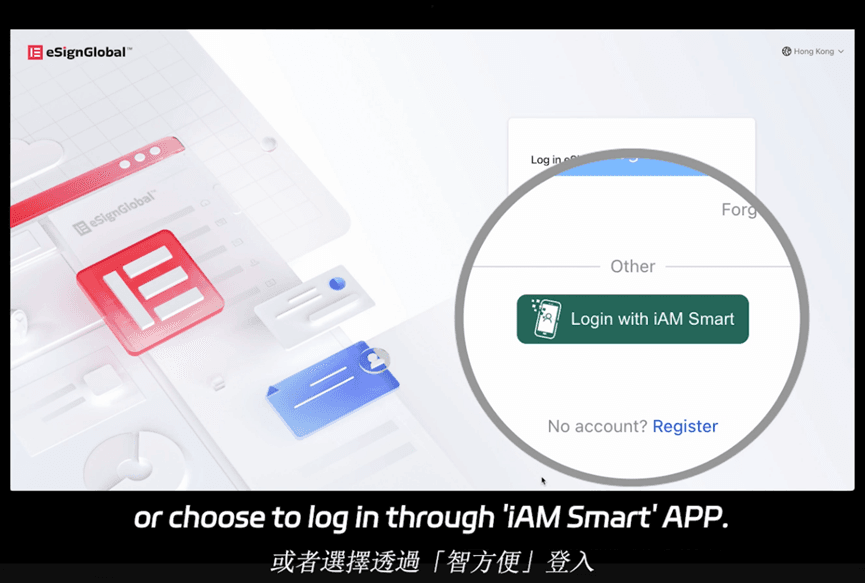
eSignGlobal позиционирует себя как совместимую и экономически эффективную альтернативу, поддерживающую электронные подписи в более чем 100 основных странах и регионах по всему миру. Он имеет особое преимущество в Азиатско-Тихоокеанском регионе (АТР), соответствуя местным правилам, таким как ETLO в Гонконге и ETA в Сингапуре. Цены прозрачны и конкурентоспособны; подробности см. на странице цен eSignGlobal. План Essential всего за 16,6 долларов США в месяц позволяет отправлять до 100 документов с электронной подписью, неограниченное количество пользовательских мест и проверку с помощью кода доступа — обеспечивая высокую ценность для соответствия требованиям без ограничений по конвертам, обычно встречающихся у конкурентов. Он беспрепятственно интегрируется с региональными системами, такими как iAM Smart в Гонконге и Singpass в Сингапуре, уменьшая трения при настройке для предприятий в АТР. Это делает его привлекательным для команд, которые отдают приоритет доступности и локальной оптимизации в рабочих процессах, связанных со Stripe.
Другие конкуренты
PandaDoc предлагает интегрированный инструмент для предложений с интеграцией Stripe, начиная с 19 долларов США в месяц на пользователя, с упором на автоматизацию продаж, а не на чистые электронные подписи. HelloSign (от Dropbox) проще, 15 долларов США в месяц на пользователя, с неограниченным количеством конвертов, но ограниченной глубиной API. SignNow предлагает гибкие цены, начиная с 8 долларов США в месяц, и силен в мобильных платежах.
| Функция/Аспект | DocuSign | Adobe Sign | eSignGlobal | PandaDoc | HelloSign |
|---|---|---|---|---|---|
| Стартовая цена (на пользователя/месяц, годовая) | $10 (Personal) | $10 | $16.6 (Essential, неограниченное количество мест) | $19 | $15 |
| Ограничения по конвертам | 5–100/пользователь/год | Неограниченно (на более высоких уровнях) | 100/месяц (Essential) | Неограниченно | Неограниченно |
| Интеграция Stripe | Business Pro изначально | На основе API | Беспрепятственный API | Встроен в предложения | Базовый API |
| Глобальное соответствие требованиям | Надежный (ESIGN, eIDAS) | Отличный (глобальный) | 100+ стран, акцент на АТР | Хороший (США/ЕС) | Надежный (ориентирован на США) |
| Стоимость API | $600+/год (Developer) | Дополнительно ~$1,000/год | Включено в планы | Включено | Базовый бесплатный, расширенный $ |
| Преимущества в АТР | Ограниченные (более высокие затраты) | Умеренные | Оптимизированный (локальные интеграции) | Базовый | Ограниченные |
| Лучше всего подходит для | Корпоративный масштаб | Рабочие процессы PDF | Экономически эффективное соответствие требованиям в АТР | Отделы продаж | Простое подписание |
Эта таблица подчеркивает преимущества eSignGlobal в ценообразовании и соответствии требованиям в АТР, хотя все варианты подходят для различных потребностей.
Региональные соображения соответствия требованиям
Для предприятий, работающих на международном уровне, законы об электронных подписях различаются. В США Закон ESIGN и UETA обеспечивают исполнимость, что соответствует внутреннему фокусу Stripe. eIDAS ЕС регулирует расширенные подписи для трансграничной действительности. В Азиатско-Тихоокеанском регионе такие страны, как Сингапур (Закон об электронных транзакциях) и Гонконг (Постановление об электронных транзакциях), требуют локальной обработки данных, что влияет на затраты на интеграцию за счет увеличения потребностей в проверке. Выбор поставщика с региональной поддержкой может минимизировать юридические риски.
Заключительные мысли об экономически эффективном выборе
В заключение, затраты на интеграцию Stripe DocuSign зависят от подписки, транзакций и разработки, обычно составляя более 10 000 долларов США в год для команд среднего размера. Хотя DocuSign предлагает надежность, альтернативы, такие как eSignGlobal, предоставляют нейтральные, регионально совместимые варианты для операций, ориентированных на АТР, стремясь сбалансировать цены и беспрепятственную локальную интеграцию. Оцените в соответствии с вашим объемом транзакций и географическим положением для оптимального соответствия.
