

how to reduce docusign envelope usage


Understanding DocuSign Envelopes and Their Impact on Costs
In the digital workflow landscape, DocuSign envelopes represent a core unit of consumption for electronic signature services, encapsulating documents, signers, and related actions within a single transaction. From a business perspective, envelopes are not just technical constructs but direct drivers of operational expenses, as pricing tiers often tie costs to envelope volume. High usage can inflate budgets, especially for scaling teams or enterprises handling repetitive contracts like NDAs, invoices, or HR forms. Reducing envelope consumption isn’t merely about cost-cutting; it’s a strategic move to enhance efficiency, minimize waste, and align with broader digital transformation goals. Businesses observing rising SaaS expenditures are increasingly scrutinizing such metrics to maintain lean operations without sacrificing compliance or speed.

Strategies to Reduce DocuSign Envelope Usage
Optimizing DocuSign envelope usage requires a mix of best practices, feature leverage, and process redesign. According to DocuSign’s 2025 pricing structure, plans like Personal limit users to 5 envelopes monthly, while Standard and Business Pro cap automation sends at around 100 per user annually. Exceeding these can trigger overage fees or necessitate upgrades, making reduction tactics essential for cost control.
Leverage Templates and Reusable Components
One of the most effective ways to cut envelope counts is by maximizing templates. DocuSign allows creating reusable templates for recurring documents, such as standard sales agreements or employee onboarding packets. Instead of generating a new envelope for each instance, populate a template with dynamic fields for signer-specific data. This approach can reduce envelopes by up to 50% in high-volume scenarios, as evidenced by teams in sales and legal departments. Business Pro users benefit from advanced template features like conditional logic, which automates field visibility based on inputs, further streamlining workflows without multiple sends.
From a commercial standpoint, this tactic shifts focus from quantity to quality, enabling faster turnaround while preserving audit trails. Track template adoption via DocuSign’s analytics to identify underutilized ones and refine them, potentially saving hundreds of envelopes yearly for mid-sized firms.
Implement Bulk Send and Automation Features
DocuSign’s Bulk Send, available in Business Pro and higher tiers, consolidates multiple similar documents into one envelope process. For instance, sending personalized offer letters to 50 candidates traditionally requires 50 envelopes; Bulk Send merges them into a single operation with individualized routing. This is particularly valuable for marketing campaigns or compliance updates, where envelope quotas—limited to about 10 automation sends monthly—can quickly deplete.
Pair this with PowerForms or Web Forms for self-service signing. PowerForms generate public links for recipients to initiate signing without sender intervention, ideal for vendor registrations or customer consents. Automation via API integrations (e.g., with CRM tools like Salesforce) can trigger sends only when necessary, avoiding premature envelope creation. Enterprises should audit API usage under plans like Intermediate ($3,600/year for ~100 envelopes/month) to ensure bulk operations don’t inadvertently inflate counts. Observers note that firms adopting these see 30-40% reductions in envelope spend, balancing the metered costs of add-ons like SMS delivery.
Optimize Signer Management and Routing
Envelope bloat often stems from inefficient routing. Use sequential or parallel signing to minimize revisions; for example, route a contract from legal to sales to client in one envelope rather than sequential sends. DocuSign’s reminders and comments features in Standard plans help keep processes moving without resends.
Additionally, consolidate multi-document needs into single envelopes. An envelope can hold up to 25 documents and multiple signers, so bundle related items like a lease agreement with addendums. For identity verification (an add-on with metered fees), apply it selectively to high-risk transactions only, avoiding blanket use that could compound costs.
Monitor and Analyze Usage Patterns
Regularly review DocuSign’s usage reports to pinpoint waste. Identify patterns like abandoned envelopes or over-sending for low-value docs, then pivot to alternatives like email attachments for non-binding pre-approvals. For API-heavy users, the Advanced plan ($5,760/year) includes webhooks for real-time monitoring, helping cap quotas proactively.
In APAC regions, where cross-border latency adds indirect costs, optimizing for fewer, more efficient envelopes aligns with compliance needs like data residency. Businesses report that combining these strategies yields 20-60% savings, depending on volume, without compromising security.
Integrate with Broader Workflow Tools
Extend reductions by integrating DocuSign with no-code platforms like Zapier or Microsoft Power Automate. These trigger envelopes conditionally—e.g., only after form submissions—preventing unnecessary creations. For developer teams, the Starter API plan ($600/year) supports basic automations that scale efficiently, ensuring envelope quotas match actual needs.
Overall, these methods transform envelope management from a reactive chore to a proactive efficiency lever, allowing companies to reallocate budgets toward innovation.
Comparing DocuSign with Key Competitors
As businesses seek envelope optimization, evaluating alternatives becomes crucial. DocuSign dominates with robust features but faces scrutiny for envelope-based pricing and regional limitations. Here’s a neutral overview of major players, including Adobe Sign and eSignGlobal, alongside others like HelloSign (Dropbox Sign) and PandaDoc.
DocuSign: A Market Leader with Envelope-Centric Pricing
DocuSign offers tiered plans from Personal ($10/month, 5 envelopes) to Business Pro ($40/month/user, ~100 envelopes/year), emphasizing compliance and integrations. Strengths include Bulk Send and API depth, but envelope caps and add-ons like IDV can escalate costs for high-volume users.

Adobe Sign: Enterprise-Focused with Flexible Scaling
Adobe Sign integrates seamlessly with Adobe’s ecosystem, offering plans starting at $10/user/month for individuals up to enterprise custom pricing. It supports unlimited envelopes in higher tiers but charges per transaction for advanced routing. Ideal for creative industries, it excels in document editing but may require add-ons for bulk features, potentially mirroring DocuSign’s usage pitfalls in cost-sensitive setups.

eSignGlobal: Regionally Optimized for Compliance and Value
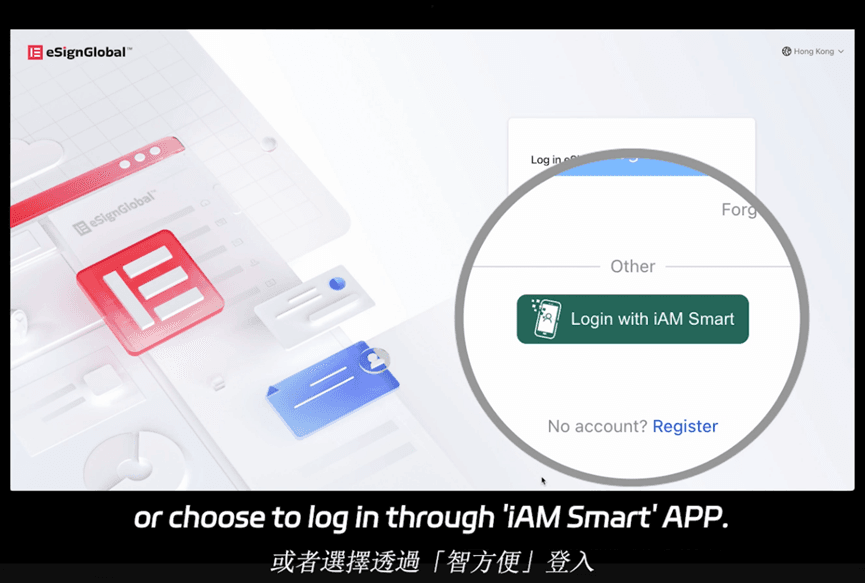
eSignGlobal provides compliant e-signing across 100 mainstream global countries, with a strong edge in APAC through features like seamless integration with Hong Kong’s iAM Smart and Singapore’s Singpass. Its Essential plan, at just $16.6/month, allows sending up to 100 documents, unlimited user seats, and verification via access codes—delivering high cost-effectiveness on a compliant foundation. For detailed pricing, visit eSignGlobal’s pricing page. This makes it appealing for cross-border teams facing DocuSign’s latency or surcharges in regions like China and SEA.
Other Competitors: Brief Insights
HelloSign (now Dropbox Sign) starts at $15/month with 20 envelopes, focusing on simplicity and unlimited templates, suiting small teams. PandaDoc combines signing with proposals, pricing from $19/user/month, but emphasizes content over pure volume control.
| Feature/Aspect | DocuSign | Adobe Sign | eSignGlobal | HelloSign | PandaDoc |
|---|---|---|---|---|---|
| Starting Price (Monthly) | $10 (Personal) | $10/user | $16.6 (Essential) | $15 | $19/user |
| Envelope/Doc Limit (Base) | 5/month (Personal); ~100/year (Pro) | Unlimited (higher tiers) | 100 docs/month | 20/month | Unlimited sends |
| User Seats | 1 (Personal); Up to 50 (Pro) | Unlimited in enterprise | Unlimited | Up to 20 | Unlimited |
| APAC Compliance | Limited; extra costs | Good, but global focus | Native (100 countries; iAM Smart/Singpass integration) | Basic | Moderate |
| Bulk/Automation | Strong (Business Pro+) | Available, add-on heavy | Included; cost-effective | Basic | Proposal-focused |
| API Access | Tiered ($600+/year) | Robust | Flexible, affordable | Limited | Integrated |
| Best For | Global enterprises | Adobe users | APAC/cross-border | SMBs | Sales teams |
This table highlights trade-offs: DocuSign leads in features but lags in APAC affordability, where eSignGlobal shines for balanced compliance and pricing.
For teams optimizing beyond DocuSign, consider regional-compliant alternatives like eSignGlobal for streamlined, cost-effective e-signing.
Часто задаваемые вопросы

 Разрешено использовать только корпоративные адреса электронной почты

 +852-46749867
 sales@esignglobal.com
 support@esignglobal.com
 Онлайн-консультация

