
'%3e%3cpath%20fill-rule='evenodd'%20clip-rule='evenodd'%20d='M6.99935%2012.8327C10.221%2012.8327%2012.8327%2010.221%2012.8327%206.99935C12.8327%203.77769%2010.221%201.16602%206.99935%201.16602C3.77769%201.16602%201.16602%203.77769%201.16602%206.99935C1.16602%2010.221%203.77769%2012.8327%206.99935%2012.8327Z'%20stroke='%23666666'%20stroke-linecap='round'%20stroke-linejoin='round'/%3e%3cpath%20d='M1.16602%207H12.8327'%20stroke='%23666666'%20stroke-linecap='round'%20stroke-linejoin='round'/%3e%3cpath%20fill-rule='evenodd'%20clip-rule='evenodd'%20d='M6.99935%2012.8327C8.28802%2012.8327%209.33268%2010.221%209.33268%206.99935C9.33268%203.77769%208.28802%201.16602%206.99935%201.16602C5.71068%201.16602%204.66602%203.77769%204.66602%206.99935C4.66602%2010.221%205.71068%2012.8327%206.99935%2012.8327Z'%20stroke='%23666666'%20stroke-linecap='round'%20stroke-linejoin='round'/%3e%3cpath%20d='M2.875%202.95898C3.93063%204.01461%205.38896%204.66754%206.99978%204.66754C8.61062%204.66754%2010.069%204.01461%2011.1246%202.95898'%20stroke='%23666666'%20stroke-linecap='round'%20stroke-linejoin='round'/%3e%3cpath%20d='M11.1246%2011.0425C10.069%209.98691%208.61062%209.33398%206.99978%209.33398C5.38896%209.33398%203.93063%209.98691%202.875%2011.0425'%20stroke='%23666666'%20stroke-linecap='round'%20stroke-linejoin='round'/%3e%3c/g%3e%3cdefs%3e%3cclipPath%20id='clip0_1267_9109'%3e%3crect%20width='14'%20height='14'%20fill='white'/%3e%3c/clipPath%3e%3c/defs%3e%3c/svg%3e)


Гарантированная плата за подписание


Навигация по расходам на безопасную подпись в эпоху цифровых технологий
В современном быстро меняющемся деловом мире электронные подписи стали незаменимым инструментом для оптимизации контрактов и соглашений. Однако концепция «расходов на безопасную подпись» часто вызывает вопросы у предприятий, стремящихся к надежным, соответствующим требованиям и экономически эффективным решениям. Эти расходы охватывают сборы, связанные с процессами безопасной электронной подписи, которые обеспечивают юридическую силу, защиту данных и контрольный журнал. С коммерческой точки зрения понимание этих расходов имеет решающее значение для оптимизации операционных затрат и снижения рисков в глобальных транзакциях. В этой статье рассматриваются сложности расходов на безопасную подпись, анализируются ключевые правила и сравниваются ведущие поставщики, чтобы помочь предприятиям принимать обоснованные решения.

Основы расходов на безопасную подпись
Расходы на безопасную подпись относятся к моделям ценообразования, связанным с платформами электронной подписи, которые уделяют первостепенное внимание функциям безопасности, таким как шифрование, защита от несанкционированного доступа и соответствие международным стандартам, таким как eIDAS в Европе или ESIGN Act в США. Предприятия часто сталкиваются с этими расходами, поскольку им необходимо найти баланс между доступностью и надежной защитой для предотвращения мошенничества, утечки данных или юридических споров. В коммерческих операциях непредвиденные расходы могут снизить рентабельность, особенно для малых и средних предприятий, обрабатывающих большие объемы документов.
По своей сути расходы на безопасную подпись строятся вокруг уровней использования — ценообразование за конверт для случайных подписывающих или планы подписки для частых пользователей. Например, базовая безопасная подпись может стоить от 0,50 до 2 долларов США за документ, но дополнительные функции, такие как многофакторная аутентификация или глобальное соответствие требованиям, могут увеличить цену. С точки зрения бизнеса, ключевая проблема заключается в непрозрачности ценообразования: многие поставщики объединяют функции безопасности в расплывчатые «корпоративные» планы, что приводит к переплате. Отраслевые отчеты за 2023 год подчеркивают, что 40% компаний переплачивают за инструменты электронной подписи из-за неправильного понимания структуры расходов, что подчеркивает необходимость прозрачности.
Чтобы решить эту проблему, предприятия должны оценивать расходы на основе трех столпов: базовая стоимость, масштабируемость и добавленная безопасность. Базовая стоимость обычно начинается с 10-20 долларов США в месяц на пользователя для планов начального уровня и увеличивается до более чем 40 долларов США для расширенной безопасности. Масштабируемость гарантирует, что расходы не будут расти в пиковые сезоны, а элементы добавленной стоимости, такие как журналы аудита в реальном времени или интеграция с системами CRM, оправдывают надбавку за счет сокращения административных издержек. На практике расходы на безопасную подпись могут сэкономить до 70% времени по сравнению с традиционными методами мокрой печати, если они соответствуют потребностям бизнеса.
Соответствие нормативным требованиям еще больше усложняет расходы. В регионах со строгим законодательством могут потребоваться дополнительные сборы за сертификацию. Например, в Европейском Союзе соответствие eIDAS требует квалифицированных электронных подписей (QES), что может увеличить расходы на 20-50% из-за сертифицированных доверенных служб. Аналогичным образом, в Азиатско-Тихоокеанском регионе правила суверенитета данных варьируются в таких странах, как Китай или Индия, что требует локализованных серверов, что влияет на ценообразование. Предприятия должны проверять эти элементы, чтобы избежать штрафов за несоблюдение требований, которые могут превышать 100 000 долларов США.
Другой аспект — скрытые расходы в расходах на безопасную подпись. Плата за интеграцию API, модули обучения или хранение подписанных документов могут увеличить общую сумму на 10-15%. Наблюдатели за бизнесом отмечают тенденцию к переходу к ценообразованию «все включено» для решения этой проблемы, когда поставщики предлагают неограниченное количество конвертов на более высоких уровнях. Однако для глобальных компаний колебания валютных курсов и региональные налоги, такие как НДС в Европе или налог на товары и услуги в Австралии, представляют собой риск.
В заключение, решение проблемы расходов на безопасную подпись требует всестороннего анализа: расчета общей стоимости владения (TCO), включая аудит безопасности и юридическую проверку. Такие инструменты, как калькуляторы расходов поставщиков, могут помочь, но независимые тесты показывают, что планы среднего уровня часто обеспечивают наилучшую рентабельность инвестиций, в среднем 15-25 долларов США в месяц на пользователя для безопасных подписей в больших объемах.
Правила электронной подписи на основных мировых рынках
Хотя «расходы на безопасную подпись» не связаны с конкретной страной, глобальные предприятия должны учитывать разнообразные законы, чтобы гарантировать, что расходы покрывают услуги, соответствующие требованиям. В Соединенных Штатах Закон ESIGN (2000 г.) и UETA обеспечивают юридическую эквивалентность рукописным подписям, подчеркивая намерение и целостность записи. Здесь расходы сосредоточены на базовой безопасности, с минимальными дополнительными расходами на федеральное соответствие.
В Европейском Союзе правила eIDAS (2014 г.) классифицируют подписи на простые, расширенные и квалифицированные уровни, причем QES требует сертифицированных поставщиков, что увеличивает расходы для потребностей с высокой степенью защиты. Предприятия, осуществляющие трансграничные операции, платят надбавку за юридическую силу в разных юрисдикциях.
Переходя к Азиатско-Тихоокеанскому региону, многие компании стремятся к экономической эффективности, а правила варьируются. Закон Китая об электронной подписи (2005 г., с поправками 2019 г.) требует надежности и неопровержимости, отдавая приоритет местным поставщикам для локализации данных; расходы включают сертификацию соответствия. В Индии Закон об информационных технологиях (2000 г.) признает цифровые подписи через удостоверяющие центры, а расходы связаны с инфраструктурой PKI. Закон Австралии об электронных транзакциях (1999 г.) отражает стандарты США, но добавляет уровень конфиденциальности в соответствии с Законом о конфиденциальности, что влияет на расходы на безопасное хранение.
Эти законы напрямую влияют на расходы на безопасную подпись, требуя определенных региональных функций, таких как языковая поддержка или интеграция с нотариусом, увеличивая затраты на 15-30% на рынках за пределами США.
Сравнение ведущих поставщиков электронной подписи
Чтобы развеять тайну расходов на безопасную подпись, сравнение ведущих поставщиков — DocuSign, Adobe Sign, eSignGlobal и других, таких как HelloSign (Dropbox Sign) и PandaDoc — выявляет компромиссы в отношении ценообразования, безопасности и соответствия требованиям. В следующей таблице выделены ключевые аспекты на основе текущих стандартных планов.
| Функция/Поставщик | DocuSign | Adobe Sign | eSignGlobal | HelloSign | PandaDoc |
|---|---|---|---|---|---|
| Начальная ежемесячная плата (на пользователя) | $10 (Personal) | $10 (Individual) | $16.6 (Essential) | $15 | $19 |
| Количество документов в месяц | 5 (Personal); неограниченно на более высоких уровнях | Неограниченно (ограничения на отправку) | До 100 (Essential); Pro неограниченно | 3 бесплатно; неограниченно платно | Неограниченное количество шаблонов; плата за конверт |
| Функции безопасности | Шифрование, контрольный журнал, MFA | Шифрование, шаблоны, соответствующие требованиям, Adobe Trust | Глобальное соответствие требованиям в более чем 100 странах, проверка кода доступа, шифрование | Базовое шифрование, шаблоны | Шифрование, доступ на основе ролей |
| Глобальное соответствие требованиям | Сильное в США/ЕС; ограниченная глубина в Азиатско-Тихоокеанском регионе | Широкое в ЕС/США; слабое в Азиатско-Тихоокеанском регионе | Соответствие требованиям в 100 основных странах; сильные стороны в Азиатско-Тихоокеанском регионе (например, интеграция с Гонконгом/Сингапуром) | В основном США; базовая международная | В основном США/ЕС; другие требуют дополнений |
| Интеграция | Широкая (Salesforce, Google) | Экосистема Adobe, Microsoft | CRM, IAm Smart (Гонконг), Singpass (Сингапур) | Google Workspace, Slack | В основном CRM (HubSpot) |
| Масштабируемость расходов | Дополнительно за конверт; корпоративная настройка | Скидки за объем | Неограниченное количество мест; экономичное расширение | Простые уровни | Ориентирован на предложения; более высокие цены для расширенных функций |
| Лучше всего подходит для | Корпоративная безопасность | Творческие/документальные рабочие процессы | Соответствие требованиям в Азиатско-Тихоокеанском регионе/глобальное соответствие требованиям в рамках бюджета | Простота для малого и среднего бизнеса | Коммерческие предложения |
Это сравнение показывает, что расходы на безопасную подпись варьируются в зависимости от приоритетов: корпоративная надежность против региональной доступности.
DocuSign: отраслевой стандарт
DocuSign доминирует на рынке благодаря своей комплексной платформе, предлагая расходы на безопасную подпись, начиная с базового плана за 10 долларов США в месяц. Он превосходен в безопасности благодаря шифрованию AES-256 и подробным контрольным журналам, что подходит для контрактов с высоким риском. Однако расходы могут увеличиться из-за дополнительных функций, таких как доступ к API (дополнительно 25 долларов США и более), а соответствие требованиям в Азиатско-Тихоокеанском регионе может показаться второстепенным по сравнению с сильными сторонами в США/ЕС. Предприятия ценят его время безотказной работы 99,9%, но отмечают, что плата за конверт сверх лимита (например, 0,40 доллара США за документ) является проблемой для пользователей с большими объемами.

Adobe Sign: мощный источник бесшовной интеграции
Adobe Sign глубоко интегрирован с рабочими процессами PDF, а расходы на безопасную подпись начинаются с 10 долларов США на пользователя. Он предлагает надежное шифрование и соответствие eIDAS, что подходит для творческих отраслей. Стандартные планы включают неограниченную отправку, но расширенные функции, такие как настраиваемый брендинг, увеличивают стоимость на 5-15 долларов США в месяц. Хотя глобальный охват надежен, адаптация к конкретным потребностям Азиатско-Тихоокеанского региона отстает, что может увеличить косвенные затраты для региональных предприятий.

eSignGlobal: конкурент, соответствующий требованиям и экономически эффективный
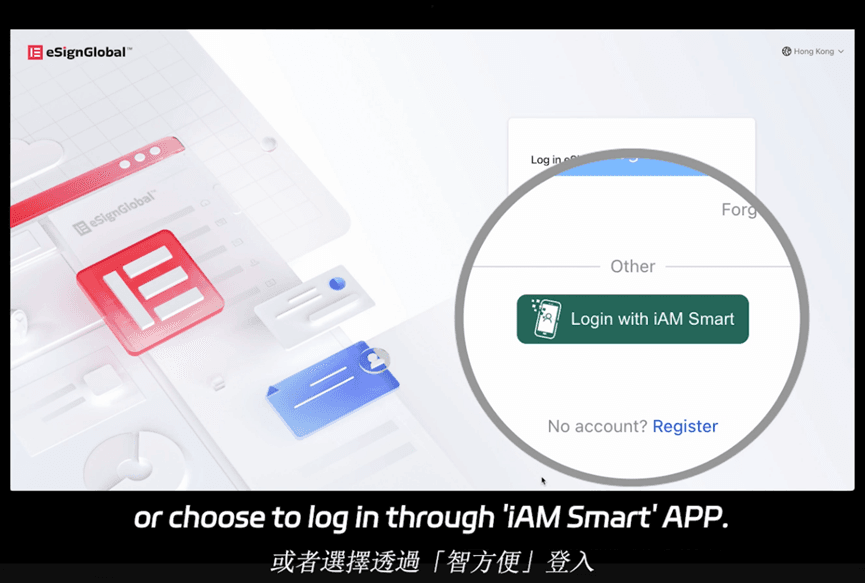
eSignGlobal выделяется своим глобальным соответствием требованиям в 100 основных странах и регионах, особенно в Азиатско-Тихоокеанском регионе. Его план Essential стоит всего 16,6 долларов США в месяц (см. подробности о ценах), позволяет отправлять до 100 документов с электронной подписью, неограниченное количество мест для пользователей и проверку кода доступа — обеспечивая высокую ценность на основе соответствия требованиям. По сравнению с конкурентами, он более доступен в Азиатско-Тихоокеанском регионе, где он легко интегрируется с IAm Smart в Гонконге и Singpass в Сингапуре, снижая затраты на настройку и повышая региональную эффективность. Это делает его привлекательным для предприятий, которые уделяют первостепенное внимание безопасной подписи без надбавки.
Краткий обзор других конкурентов
HelloSign предлагает удобство для малого и среднего бизнеса с простой платой в размере 15 долларов США в месяц, хотя безопасность является базовой. PandaDoc делает упор на предложения, с начальной ценой 19 долларов США, но для чистого объема подписей требуются дополнительные расходы.
Заключительные мысли о выборе безопасной подписи
Для предприятий, сталкивающихся с расходами на безопасную подпись, DocuSign остается надежным эталоном, но такие альтернативы, как eSignGlobal, предлагают надежные, соответствующие региональным требованиям варианты, особенно в Азиатско-Тихоокеанском регионе, эффективно балансируя затраты и безопасность.
