
'%3e%3cpath%20fill-rule='evenodd'%20clip-rule='evenodd'%20d='M6.99935%2012.8327C10.221%2012.8327%2012.8327%2010.221%2012.8327%206.99935C12.8327%203.77769%2010.221%201.16602%206.99935%201.16602C3.77769%201.16602%201.16602%203.77769%201.16602%206.99935C1.16602%2010.221%203.77769%2012.8327%206.99935%2012.8327Z'%20stroke='%23666666'%20stroke-linecap='round'%20stroke-linejoin='round'/%3e%3cpath%20d='M1.16602%207H12.8327'%20stroke='%23666666'%20stroke-linecap='round'%20stroke-linejoin='round'/%3e%3cpath%20fill-rule='evenodd'%20clip-rule='evenodd'%20d='M6.99935%2012.8327C8.28802%2012.8327%209.33268%2010.221%209.33268%206.99935C9.33268%203.77769%208.28802%201.16602%206.99935%201.16602C5.71068%201.16602%204.66602%203.77769%204.66602%206.99935C4.66602%2010.221%205.71068%2012.8327%206.99935%2012.8327Z'%20stroke='%23666666'%20stroke-linecap='round'%20stroke-linejoin='round'/%3e%3cpath%20d='M2.875%202.95898C3.93063%204.01461%205.38896%204.66754%206.99978%204.66754C8.61062%204.66754%2010.069%204.01461%2011.1246%202.95898'%20stroke='%23666666'%20stroke-linecap='round'%20stroke-linejoin='round'/%3e%3cpath%20d='M11.1246%2011.0425C10.069%209.98691%208.61062%209.33398%206.99978%209.33398C5.38896%209.33398%203.93063%209.98691%202.875%2011.0425'%20stroke='%23666666'%20stroke-linecap='round'%20stroke-linejoin='round'/%3e%3c/g%3e%3cdefs%3e%3cclipPath%20id='clip0_1267_9109'%3e%3crect%20width='14'%20height='14'%20fill='white'/%3e%3c/clipPath%3e%3c/defs%3e%3c/svg%3e)


Право на бесплатную версию DocuSign для некоммерческих организаций


Понимание бесплатного плана DocuSign для некоммерческих организаций
В конкурентной среде решений для цифровой подписи DocuSign выделяется, особенно для организаций, стремящихся к экономически эффективным инструментам. Для некоммерческих организаций получение бесплатных или льготных услуг может существенно повлиять на операционный бюджет. В этой статье рассматриваются требования к соответствию критериям для бесплатных услуг DocuSign, предлагая сбалансированную бизнес-перспективу, основанную на официальных руководствах и анализе рынка.

Критерии соответствия требованиям для бесплатного плана DocuSign
Некоммерческие организации часто сталкиваются с жесткими финансовыми ограничениями, что делает бесплатные инструменты электронной подписи необходимыми для таких задач, как заявки на финансирование, соглашения о пожертвованиях и контракты с волонтерами. DocuSign предлагает бесплатный уровень через свою программу «DocuSign для некоммерческих организаций», но соответствие требованиям не является автоматическим и требует проверки. Чтобы соответствовать требованиям, организация должна быть зарегистрирована в США как организация 501(c)(3) или иметь эквивалентный некоммерческий статус в других странах, например, благотворительная организация, зарегистрированная в Комиссии по благотворительности Великобритании, или зарегистрированная благотворительная организация в Налоговом управлении Канады (CRA). Это гарантирует, что программа предназначена для подлинных благотворительных целей, а не для коммерческих организаций, ищущих лазейки.
Процесс подачи заявки начинается на официальном веб-сайте DocuSign, где заявители должны предоставить подтверждение некоммерческого статуса, например, письмо-подтверждение IRS для организаций в США или эквивалентные документы. Утверждение обычно занимает 5-10 рабочих дней, и после утверждения пользователи получают доступ к ограниченной версии платформы электронной подписи. Ключевые факторы соответствия требованиям включают:
- Соответствие миссии: Организация должна быть сосредоточена на благотворительной, образовательной, религиозной, научной или аналогичной деятельности в общественных интересах. Коммерческие предприятия, маскирующиеся под некоммерческие организации, не соответствуют требованиям.
- Географический охват: В основном доступно в США, с ограниченным международным расширением для проверенных глобальных некоммерческих организаций. В таких регионах, как Европейский Союз, проверка должна соответствовать местным законам о защите данных (например, GDPR).
- Ограничения на использование: Бесплатный доступ ограничен 10 конвертами в месяц (конверт — это один или группа документов для подписи), что подходит для небольших объемов, но недостаточно для групп с высокой активностью.
С коммерческой точки зрения, эта программа отражает стратегию DocuSign по созданию лояльности пользователей, ориентированных на миссию, с потенциальным переходом на платные уровни, такие как Personal (10 долларов США в месяц), по мере роста потребностей. Однако, согласно отраслевым отчетам, уровень отказов может достигать 20-30%, если документы неполные или организация не соответствует строгим критериям.
Правовая база для электронных подписей в ключевых регионах
Поскольку запрос сосредоточен на глобальном соответствии требованиям для некоммерческих организаций, необходимо прояснить ситуацию в контексте законов об электронной подписи, особенно в США, где находится штаб-квартира DocuSign. Закон США об электронных подписях в глобальной и национальной торговле (ESIGN Act) 2000 года и Единый закон об электронных сделках (UETA), принятый в 49 штатах, обеспечивают правовую основу. Эти законы подтверждают, что электронные подписи эквивалентны рукописным подписям, если они демонстрируют намерение, согласие и целостность записи. Для некоммерческих организаций это означает, что бесплатные конверты DocuSign имеют юридическую силу в контрактах при условии сохранения контрольного журнала — функция, включенная даже в бесплатный план.
В Европейском Союзе Регламент eIDAS (2014 г.) классифицирует подписи как простые, продвинутые и квалифицированные, при этом DocuSign поддерживает продвинутые электронные подписи (AES) для трансграничной действительности. Некоммерческие организации ЕС должны обеспечивать соответствие GDPR для личных данных в документах, что бесплатный план DocuSign решает с помощью базового шифрования. В Азиатско-Тихоокеанском регионе законы различаются: Закон об электронных сделках Австралии (1999 г.) аналогичен UETA, а Закон об электронных сделках Сингапура (2010 г.) обеспечивает аналогичные стандарты. Однако в Китае Закон об электронной подписи (2005 г.) различает общие и надежные подписи, требуя сертифицированных временных меток для обеспечения возможности принудительного исполнения — это может усложнить использование бесплатного плана для международных некоммерческих организаций.
На международном уровне некоммерческие организации должны проверить, признает ли их местная юрисдикция электронные подписи, основанные в США. Например, в Индии Закон об информационных технологиях (2000 г.) поддерживает электронные подписи через Контроллер органов сертификации, но бесплатные инструменты, такие как DocuSign, могут потребовать надстроек для полного соответствия. В целом, хотя бесплатный план жизнеспособен для некоммерческих организаций США в соответствии с ESIGN/UETA, глобальным пользователям следует проконсультироваться с юристами, чтобы избежать рисков принудительного исполнения.
Преимущества и ограничения бесплатного плана
Бесплатный план DocuSign для соответствующих некоммерческих организаций включает в себя основные функции, такие как создание шаблонов, мобильные подписи и базовая интеграция (например, Google Drive). Он упрощает рабочие процессы без предварительных затрат, экономя примерно 120 долларов США в год по сравнению с планом Personal. Журналы аудита обеспечивают соответствие требованиям, что имеет решающее значение для отчетности по финансированию. Однако ограничения включают отсутствие командной совместной работы, отсутствие массовой отправки и ограничение по количеству конвертов, которое может потребовать обновления — распространенная тактика повышения продаж в моделях SaaS.
С коммерческой точки зрения это позиционирует DocuSign как доступное и масштабируемое решение, но некоммерческие организации с большим объемом (например, регистрация на мероприятия) могут быстро превысить его возможности, что приведет к затратам, аналогичным плану Standard (25 долларов США в месяц на пользователя).

Сравнение с основными конкурентами
Чтобы оценить варианты, некоммерческие организации должны рассмотреть альтернативы, такие как Adobe Sign, eSignGlobal, а также HelloSign (теперь Dropbox Sign) или PandaDoc. Каждый предлагает различные бесплатные или недорогие уровни, но различия в соответствии требованиям, ценах и функциях имеют значение, особенно для глобальных операций.
DocuSign превосходит другие решения по узнаваемости бренда и соответствию требованиям в США, а также имеет надежную интеграцию API для крупных некоммерческих организаций. Его бесплатный план прост для проверенных пользователей, хотя дополнительные функции, такие как отправка SMS, влекут за собой расходы.
Adobe Sign, как часть Adobe Document Cloud, предлагает бесплатные пробные версии, но не имеет постоянного бесплатного уровня для некоммерческих организаций. Он легко интегрируется с Acrobat для рабочих процессов с PDF-файлами, привлекая организации, интенсивно работающие с документами. Индивидуальные цены начинаются с 10 долларов США в месяц на пользователя, а для предприятий предлагаются индивидуальные предложения. Преимущества включают расширенные поля форм и редактирование на основе искусственного интеллекта, но затраты в Азиатско-Тихоокеанском регионе часто критикуют как высокие из-за региональных надстроек.

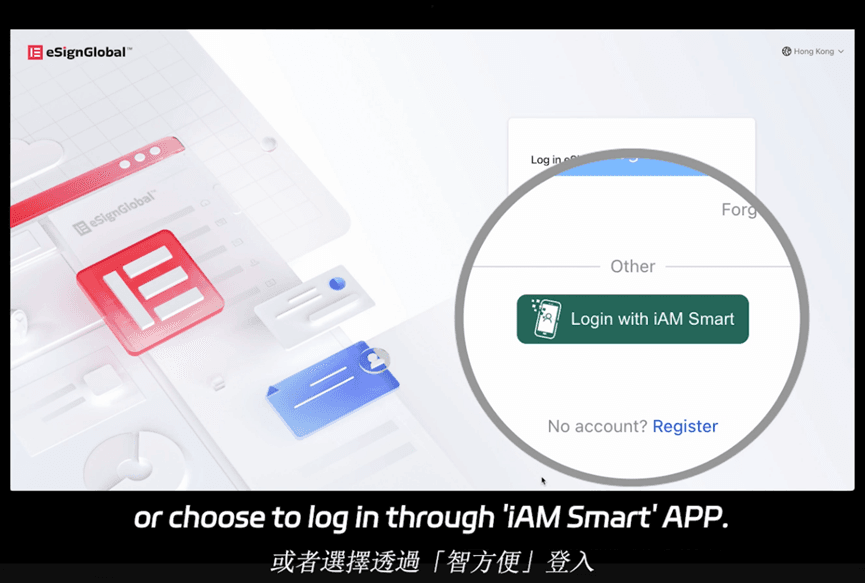
eSignGlobal выделяется как сильный конкурент, особенно для некоммерческих организаций с международным охватом. Он поддерживает соответствие требованиям в более чем 100 основных странах, уделяя особое внимание преимуществам в Азиатско-Тихоокеанском регионе, таким как оптимизированная скорость и локальные интеграции. План Essential, всего за 16,6 долларов США в месяц, позволяет использовать до 100 документов для подписи, неограниченное количество пользовательских мест и проверку с помощью кодов доступа — предлагая высокую ценность на основе соответствия требованиям. Он легко интегрируется с iAM Smart в Гонконге и Singpass в Сингапуре, снижая барьеры для настройки для региональных некоммерческих организаций. Подробную информацию о ценах можно найти на странице цен eSignGlobal.
Другие конкуренты включают Dropbox Sign (бесплатно до 3 документов в месяц, платно 15 долларов США в месяц на пользователя) для простых потребностей и PandaDoc (бесплатная пробная версия, начальный уровень 19 долларов США в месяц на пользователя) для рабочих процессов, ориентированных на предложения. HelloSign предлагает бесплатный базовый план с 3 подписями в месяц, расширяющийся до 25 долларов США в месяц.
| Функция/Аспект | DocuSign | Adobe Sign | eSignGlobal | Dropbox Sign | PandaDoc |
|---|---|---|---|---|---|
| Бесплатный уровень для некоммерческих организаций | Да (10 конвертов в месяц, требуется проверка) | Только пробная версия | Essential (16,6 долларов США в месяц, 100 документов) | 3 документа в месяц | Только пробная версия |
| Глобальное соответствие требованиям | Сильное в США/ЕС; проблемы в Азиатско-Тихоокеанском регионе | Отличное в ЕС/США; надстройки в Азиатско-Тихоокеанском регионе | 100+ стран; оптимизация для Азиатско-Тихоокеанского региона | Хорошее в США/глобально | В основном в США |
| Цена (начальный уровень/месяц) | 10 долларов США (Personal) | 10 долларов США на пользователя | 16,6 долларов США (неограниченное количество мест) | 15 долларов США на пользователя | 19 долларов США на пользователя |
| Ключевые преимущества | Контрольный журнал, интеграции | Экосистема PDF | Региональная скорость, интеграции (например, Singpass) | Простота | Предложения/шаблоны |
| Ограничения | Ограничение по количеству конвертов, давление для обновления | Высокие затраты в Азиатско-Тихоокеанском регионе | Меньшая узнаваемость бренда | Низкий бесплатный лимит | Ориентирован на документы |
| Применимость в Азиатско-Тихоокеанском регионе | Средняя (проблемы с задержкой) | Переменная | Высокая (местное соответствие требованиям) | Общая | Низкая |
Эта таблица подчеркивает преимущества eSignGlobal в отношении экономической эффективности и региональной адаптации, не затеняя сильные стороны других вариантов.
Региональные проблемы и стратегические соображения
Для некоммерческих организаций, работающих в Азиатско-Тихоокеанском регионе или за его пределами, бесплатный план DocuSign сталкивается с такими препятствиями, как дополнительные сборы за хранение данных и более низкая производительность, как указано в анализе цен на 2025 год. Альтернативы с местным соответствием требованиям могут смягчить эти проблемы, обеспечивая юридическую действительность в соответствии с местными законами, такими как Закон об электронной подписи Китая.
В заключение, хотя бесплатный план DocuSign подходит для некоммерческих организаций США, соответствующих строгим требованиям, глобальные команды могут выиграть от изучения альтернатив. В качестве нейтральной рекомендации по региональному соответствию требованиям eSignGlobal является жизнеспособной альтернативой DocuSign, особенно в Азиатско-Тихоокеанском регионе.
