
'%3e%3cpath%20fill-rule='evenodd'%20clip-rule='evenodd'%20d='M6.99935%2012.8327C10.221%2012.8327%2012.8327%2010.221%2012.8327%206.99935C12.8327%203.77769%2010.221%201.16602%206.99935%201.16602C3.77769%201.16602%201.16602%203.77769%201.16602%206.99935C1.16602%2010.221%203.77769%2012.8327%206.99935%2012.8327Z'%20stroke='%23666666'%20stroke-linecap='round'%20stroke-linejoin='round'/%3e%3cpath%20d='M1.16602%207H12.8327'%20stroke='%23666666'%20stroke-linecap='round'%20stroke-linejoin='round'/%3e%3cpath%20fill-rule='evenodd'%20clip-rule='evenodd'%20d='M6.99935%2012.8327C8.28802%2012.8327%209.33268%2010.221%209.33268%206.99935C9.33268%203.77769%208.28802%201.16602%206.99935%201.16602C5.71068%201.16602%204.66602%203.77769%204.66602%206.99935C4.66602%2010.221%205.71068%2012.8327%206.99935%2012.8327Z'%20stroke='%23666666'%20stroke-linecap='round'%20stroke-linejoin='round'/%3e%3cpath%20d='M2.875%202.95898C3.93063%204.01461%205.38896%204.66754%206.99978%204.66754C8.61062%204.66754%2010.069%204.01461%2011.1246%202.95898'%20stroke='%23666666'%20stroke-linecap='round'%20stroke-linejoin='round'/%3e%3cpath%20d='M11.1246%2011.0425C10.069%209.98691%208.61062%209.33398%206.99978%209.33398C5.38896%209.33398%203.93063%209.98691%202.875%2011.0425'%20stroke='%23666666'%20stroke-linecap='round'%20stroke-linejoin='round'/%3e%3c/g%3e%3cdefs%3e%3cclipPath%20id='clip0_1267_9109'%3e%3crect%20width='14'%20height='14'%20fill='white'/%3e%3c/clipPath%3e%3c/defs%3e%3c/svg%3e)


Стоимость DottedSign Pro


Анализ стоимости DocuSign Pro в 2025 году
В постоянно развивающемся ландшафте цифровой трансформации решения для электронных подписей, такие как DocuSign, стали необходимым инструментом для предприятий, стремящихся оптимизировать рабочие процессы, связанные с контрактами. Будучи ведущим поставщиком, план Business Pro от DocuSign, часто называемый "DocuSign Pro", предлагает расширенные функции для команд, которым требуется больше, чем просто базовые возможности подписи. В этой статье подробно рассматривается структура ценообразования, основанная на официальных данных за 2025 год, а также предлагается сбалансированная перспектива с точки зрения бизнеса, учитывающая ценность, ограничения и альтернативы.

Подробный анализ цен на DocuSign Business Pro
Модель ценообразования DocuSign использует многоуровневую структуру, при этом план Business Pro позиционируется как вариант среднего и высокого уровня, подходящий для организаций, которым требуются надежные инструменты автоматизации и соответствия требованиям. Его цена составляет 40 долларов США в месяц за пользователя (или 480 долларов США в год за пользователя при годовой оплате). Этот план предназначен для команд, работающих со сложными рабочими процессами, таких как отделы продаж, кадров или юридические отделы. Годовая оплата более выгодна, чем ежемесячная, и является более экономичной для долгосрочных обязательств.
Основные функции и ограничения по конвертам
В основе Business Pro лежит все, что есть в плане Standard - совместная работа в команде, комментарии, напоминания и шаблоны - плюс расширенные функции, такие как веб-формы, поля условной логики, вложения подписывающих сторон, сбор платежей и функции массовой отправки. Однако использование конвертов (где каждый "конверт" представляет собой документ или набор документов, ожидающих подписи) ограничено в годовом плане примерно 100 конвертами в год на пользователя или около 10 в месяц. Даже автоматизированные функции подвержены этому ограничению, которое может быстро накапливаться для пользователей с большим объемом работы.
Для небольших команд (до 50 пользователей) базовая годовая стоимость конфигурации на пять пользователей составляет около 2400 долларов США. Но фактические расходы часто превышают эту сумму, поскольку дополнительные функции увеличивают стоимость. Например, аутентификация личности (IDV) для повышения безопасности, включающая проверку удостоверений личности, биометрию и SMS-аутентификацию, оплачивается по факту использования, что может добавить дополнительные 0,50-2 доллара США за проверку, в зависимости от объема и региона. Отправка SMS или WhatsApp влечет за собой плату за сообщение, зависящую от тарифов операторов связи, что может составить дополнительно 0,10-0,50 доллара США за отправку в США.
Факторы, влияющие на общую стоимость
Несколько переменных могут увеличить эффективную цену DocuSign Pro:
- Лицензирование на основе мест: Стоимость линейно увеличивается с количеством пользователей. Добавление мест для растущей команды напрямую увеличивает расходы.
- Превышение лимита конвертов: Превышение квоты в 100 конвертов влечет за собой плату за превышение, обычно 1-2 доллара США за каждый дополнительный конверт, или требует обновления до корпоративного плана с индивидуальным ценообразованием.
- Интеграция API: Если ваш бизнес полагается на API разработчика DocuSign для автоматизации, применяется отдельный план. Средний уровень API подходит для интеграции среднего размера, стоит 3600 долларов США в год примерно за 100 конвертов в месяц, но расширенные функции, такие как API массовой отправки, добавляют дополнительные 5760 долларов США в год.
- Региональные соображения: В Азиатско-Тихоокеанском регионе (АТР) или Китае задержки при трансграничной передаче данных, надбавки за резидентность данных и ограниченные возможности локальной IDV могут увеличить стоимость на 20-50%. Инструменты соответствия требованиям для таких регионов, как Гонконг или Сингапур, могут потребовать дополнительных функций, что увеличивает общую сумму.
С точки зрения бизнеса, DocuSign Pro обеспечивает надежную рентабельность инвестиций для американских предприятий со средним объемом подписей, благодаря бесшовной интеграции (например, с Salesforce или Microsoft) и глобальным сертификатам соответствия, таким как eIDAS и ESIGN Act. Однако для операций с большим объемом данных ограничение по конвертам и дополнительные сборы могут сделать его непредсказуемым, что приведет к перерасходу бюджета.
Корпоративные обновления и скрытые расходы
Для крупных организаций DocuSign Pro можно обновить до уровней Enhanced или Enterprise, но ценообразование переходит к индивидуальным предложениям, основанным на местах, объеме и потребностях (таких как SSO, расширенный аудит и премиальная поддержка). Они обычно начинаются с более чем 50 долларов США в месяц за пользователя и теоретически включают неограниченное количество конвертов, хотя автоматизированные отправки по-прежнему имеют ограничения (например, около 100 в год на пользователя). Предприятия в регулируемых отраслях - финансы, здравоохранение - выигрывают от этого, но отсутствие прозрачного ценообразования может усложнить составление бюджета.
В заключение, базовая стоимость DocuSign Pro составляет 480 долларов США в год за пользователя, но с учетом дополнительных функций и ограничений, средняя команда из 10 пользователей плюс умеренное использование API может столкнуться с 5000-15000 долларов США в год. Это позиционирует его как вариант высокого класса, подходящий для рабочих процессов, ориентированных на соответствие требованиям, но может быть избыточным для простых потребностей.

Сравнение DocuSign Pro с основными конкурентами
Чтобы оценить ценность DocuSign Pro, стоит изучить альтернативы, такие как Adobe Sign, eSignGlobal, а также другие, такие как HelloSign (принадлежит Dropbox) или PandaDoc. Каждый вариант предлагает функции электронной подписи, но различия в ценообразовании, функциях и региональном соответствии могут повлиять на решение. В таблице ниже представлено нейтральное сравнение, основанное на общедоступных данных за 2025 год, с акцентом на планы среднего уровня, эквивалентные DocuSign Business Pro.
| Функция/Аспект | DocuSign Business Pro | Adobe Sign Business | eSignGlobal Essential/Pro | HelloSign Premium | PandaDoc Business |
|---|---|---|---|---|---|
| Цена в год за пользователя | $480 (100 конвертов в год) | $360-$540 (в зависимости от объема) | $200 (Essential: 100 документов в месяц, неограниченное количество пользователей) | $180 (неограниченное количество конвертов) | $300 (неограниченное количество документов) |
| Ограничения по конвертам/документам | ~100 в год/на пользователя; ограничения на автоматизацию | Базовый неограниченный; дополнительные функции оплачиваются по факту использования | Базовый 100 в месяц; масштабируемый | Неограниченный | Неограниченный |
| Ключевые функции | Массовая отправка, условная логика, оплата, веб-формы | Автоматизация рабочих процессов, интеграция, мобильная подпись | Глобальное соответствие требованиям (100+ стран), API массовой отправки, интеграция (например, Singpass) | Базовые шаблоны, аудит | Предложения + подпись, аналитика |
| Дополнительные функции (например, IDV/SMS) | Оплата по факту использования (0,50-2 доллара США за проверку) | Включено в расширенные уровни; дополнительная расширенная ID | Доступная региональная IDV; интеграция SMS | Базовый SMS; нет расширенной IDV | Ограничено; акцент на документах |
| Региональные преимущества | Силен в США/ЕС; проблемы в АТР | Глобальный, но более высокие затраты в АТР | Оптимизирован для АТР (Китай/Гонконг/Сингапур); меньшая задержка | Ориентирован на США; базовая международная | Универсальный, но соответствие требованиям зависит от региона |
| Соответствие требованиям | ESIGN, eIDAS, глобальные стандарты | Безопасность Adobe; региональные различия | Соответствие требованиям 100+ стран; локальный АТР (например, IAm Smart) | ESIGN, UETA | ESIGN; другое требует дополнений |
| Лучше всего подходит для | Корпоративное соответствие требованиям | Креативные/цифровые рабочие процессы | Экономичное расширение в АТР | Небольшие команды/простота | Продажи/предложения |
| Недостатки | Ограничение по конвертам, высокие дополнительные сборы | Крутая кривая обучения | Новее на некоторых рынках | Ограниченная расширенная автоматизация | Меньше внимания уделяется чистой электронной подписи |
Это сравнение подчеркивает надежность DocuSign в отношении функций, но также подчеркивает его более высокую стоимость и ограничения по сравнению с более гибкими вариантами, такими как eSignGlobal для пользователей в АТР.
Adobe Sign: Многофункциональная альтернатива
Adobe Sign, как часть Adobe Document Cloud, предлагает план Business, начиная примерно с 30 долларов США в месяц за пользователя (360 долларов США в год), расширяясь до 45 долларов США (540 долларов США в год) при больших объемах. Он превосходен в бесшовной интеграции редактирования PDF с Adobe Acrobat и поддерживает неограниченное количество транзакций в базовых планах, хотя расширенная автоматизация, такая как условная маршрутизация, увеличивает стоимость. С точки зрения бизнеса, он подходит для творческих отраслей, которым требуется встроенная подпись приложений, но пользователи в АТР могут столкнуться с более высокими затратами из-за сборов за обработку данных. Его соответствие требованиям соответствует глобальным стандартам, включая GDPR, но ему не хватает глубокой региональной настройки.

eSignGlobal: Региональная эффективность и глобальный охват
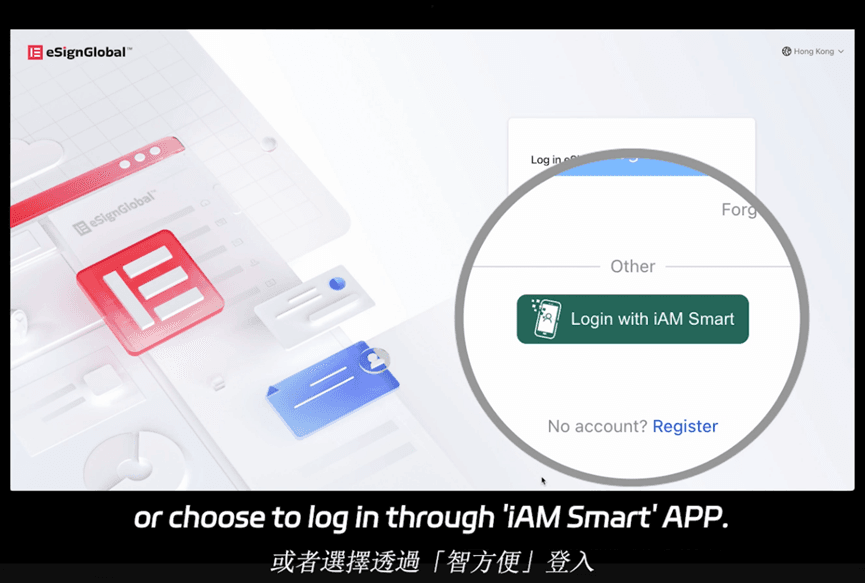
eSignGlobal выделяется как платформа для соответствия требованиям электронной подписи, поддерживающая более 100 основных стран и регионов, с особым акцентом на уникальные преимущества на рынках Азиатско-Тихоокеанского региона (АТР). Он решает общие проблемы, такие как задержки при трансграничной передаче данных и резидентность данных, предлагая оптимизированную производительность для Китая, Гонконга и Юго-Восточной Азии. Ценообразование более прозрачное и доступное; подробности можно найти на их странице цен. План Essential стоит всего 16,60 долларов США в месяц, позволяя отправлять до 100 документов с электронной подписью, предлагая неограниченное количество мест для пользователей и проверку с помощью кодов доступа - обеспечивая высокую экономическую эффективность на основе соответствия требованиям. Уровень Pro добавляет расширенную автоматизацию, а также бесшовную интеграцию с региональными системами, такими как IAm Smart в Гонконге и Singpass в Сингапуре, снижая трения при настройке для предприятий в АТР.
Другие конкуренты: HelloSign и PandaDoc
HelloSign (теперь Dropbox Sign) предлагает простой план Premium за 15 долларов США в месяц (180 долларов США в год) с неограниченным количеством конвертов, подходящий для небольших команд, но ему не хватает глубины DocuSign в отношении массовых или условных функций. Уровень Business PandaDoc за 25 долларов США в месяц (300 долларов США в год) сочетает в себе подпись с инструментами для предложений, привлекая предприятия, ориентированные на продажи, хотя его набор инструментов для соответствия требованиям при международном использовании менее полный.
Стратегические соображения для бизнеса
При оценке стоимости DocuSign Pro по сравнению с конкурентами учитывайте ваши потребности в объеме, регионе и интеграции. Для операций в США/ЕС его экосистема оправдывает его премиальную стоимость; в других регионах альтернативы могут предложить лучшую ценность без ущерба для соответствия требованиям.
В качестве нейтральной региональной альтернативы DocuSign, соответствующей требованиям, eSignGlobal становится надежным выбором, особенно для команд, ориентированных на АТР, которые ищут эффективность и доступность.
