
'%3e%3cpath%20fill-rule='evenodd'%20clip-rule='evenodd'%20d='M6.99935%2012.8327C10.221%2012.8327%2012.8327%2010.221%2012.8327%206.99935C12.8327%203.77769%2010.221%201.16602%206.99935%201.16602C3.77769%201.16602%201.16602%203.77769%201.16602%206.99935C1.16602%2010.221%203.77769%2012.8327%206.99935%2012.8327Z'%20stroke='%23666666'%20stroke-linecap='round'%20stroke-linejoin='round'/%3e%3cpath%20d='M1.16602%207H12.8327'%20stroke='%23666666'%20stroke-linecap='round'%20stroke-linejoin='round'/%3e%3cpath%20fill-rule='evenodd'%20clip-rule='evenodd'%20d='M6.99935%2012.8327C8.28802%2012.8327%209.33268%2010.221%209.33268%206.99935C9.33268%203.77769%208.28802%201.16602%206.99935%201.16602C5.71068%201.16602%204.66602%203.77769%204.66602%206.99935C4.66602%2010.221%205.71068%2012.8327%206.99935%2012.8327Z'%20stroke='%23666666'%20stroke-linecap='round'%20stroke-linejoin='round'/%3e%3cpath%20d='M2.875%202.95898C3.93063%204.01461%205.38896%204.66754%206.99978%204.66754C8.61062%204.66754%2010.069%204.01461%2011.1246%202.95898'%20stroke='%23666666'%20stroke-linecap='round'%20stroke-linejoin='round'/%3e%3cpath%20d='M11.1246%2011.0425C10.069%209.98691%208.61062%209.33398%206.99978%209.33398C5.38896%209.33398%203.93063%209.98691%202.875%2011.0425'%20stroke='%23666666'%20stroke-linecap='round'%20stroke-linejoin='round'/%3e%3c/g%3e%3cdefs%3e%3cclipPath%20id='clip0_1267_9109'%3e%3crect%20width='14'%20height='14'%20fill='white'/%3e%3c/clipPath%3e%3c/defs%3e%3c/svg%3e)


Adakah Tandatangan Elektronik Sah di Jepun?


Memahami Tandatangan Elektronik di Jepun
Tandatangan elektronik telah menjadi asas kepada operasi perniagaan moden di seluruh dunia, membolehkan penyederhanaan kontrak, kelulusan dan transaksi sambil mengurangkan penggunaan kertas. Di Jepun, perniagaan sering ingin tahu tentang kedudukan undang-undang alat digital ini, terutamanya dengan peningkatan inisiatif transformasi digital. Dari sudut pandangan perniagaan, memahami landskap peraturan adalah penting untuk pematuhan, pengurangan risiko dan pengoptimuman kecekapan bagi syarikat yang beroperasi di Jepun atau bekerjasama dengan Jepun.
Pengendalian tandatangan elektronik di Jepun dikawal terutamanya oleh Akta Penggunaan Teknologi Maklumat dan Komunikasi dalam Prosedur Pentadbiran (Akta e-Kerajaan) dan Akta Tandatangan Elektronik dan Perniagaan Pensijilan, kedua-duanya digubal pada awal tahun 2000-an dan dikemas kini secara berkala untuk sejajar dengan piawaian global. Undang-undang ini menetapkan bahawa tandatangan elektronik adalah sah dari segi undang-undang seperti tandatangan bertulis tangan dalam keadaan tertentu, yang mempromosikan penggunaannya dalam sektor awam dan swasta.
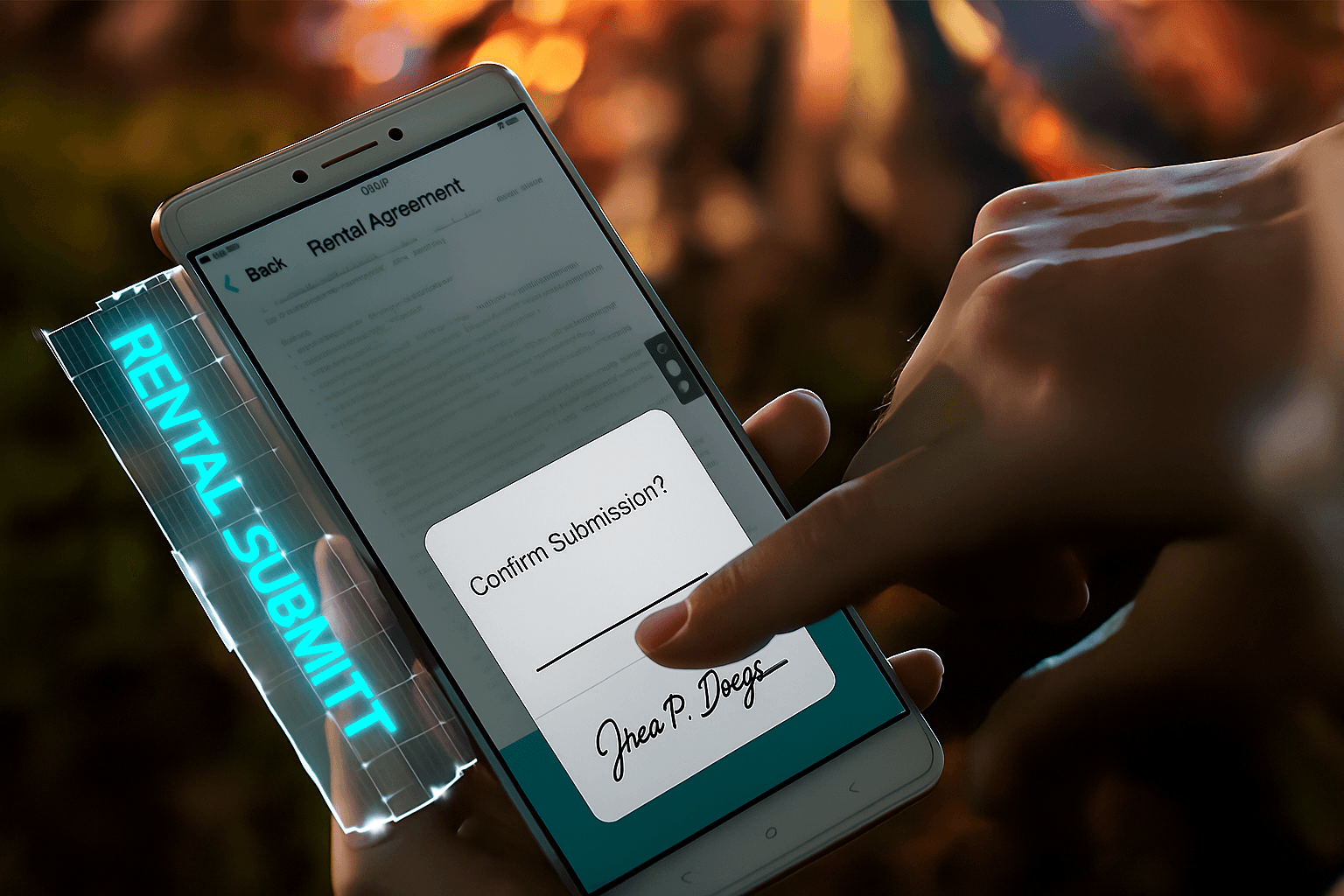
Rangka Kerja Undang-undang untuk Tandatangan Elektronik di Jepun
Inti peraturan tandatangan elektronik Jepun terletak pada pengiktirafan bahawa kaedah digital boleh menggantikan tandatangan dakwat basah tradisional, dengan syarat ia memenuhi piawaian kebolehpercayaan dan integriti. Akta Tandatangan Elektronik 2000 mentakrifkan "tandatangan elektronik" sebagai data yang dilampirkan secara elektronik kepada atau dikaitkan secara logik dengan data elektronik lain dan digunakan untuk mengenal pasti penandatangan dan menunjukkan kelulusan. Untuk mempunyai kesan undang-undang, tandatangan ini mestilah unik kepada penandatangan, di bawah kawalan eksklusif mereka dan boleh disahkan melalui kaedah yang boleh dipercayai—biasanya melibatkan teknik kriptografi seperti Infrastruktur Kunci Awam (PKI).
Jepun membezakan antara dua jenis utama: tandatangan elektronik ringkas (serupa dengan imej yang diimbas atau nama yang ditaip) dan tandatangan elektronik berkelayakan (QES), yang memerlukan pensijilan lanjutan daripada pihak berkuasa yang diiktiraf. Tandatangan ringkas sesuai untuk kebanyakan perjanjian komersial, seperti memo dalaman atau kontrak bukan kritikal, selagi pihak bersetuju dan proses memastikan ketulenan. Walau bagaimanapun, untuk dokumen berisiko tinggi seperti transaksi hartanah, wasiat atau perjanjian kewangan tertentu, QES atau kaedah elektronik yang dinotari mungkin diperlukan untuk mematuhi keperluan undang-undang sivil.
Akta e-Kerajaan yang disemak pada 2021 mengukuhkan lagi rangka kerja ini dengan mewajibkan agensi kerajaan menerima penyerahan elektronik, dengan itu mempercepatkan penggunaan dalam persekitaran B2B dan B2G. Perniagaan juga mesti mematuhi peraturan perlindungan data di bawah Akta Perlindungan Maklumat Peribadi (APPI), memastikan data penandatangan dikendalikan dengan selamat untuk mengelakkan kebocoran. Ketidakpatuhan boleh membawa kepada liabiliti sivil atau pembatalan kontrak, yang menekankan keperluan untuk menggunakan platform yang teguh.
Dari perspektif pemerhatian perniagaan, rangka kerja Jepun mengimbangi antara inovasi dan berhati-hati, dipengaruhi oleh penekanan budaya terhadap kepercayaan dan ketepatan dalam transaksi. Penggunaan melonjak selepas pandemik 2020, dengan tinjauan oleh Kementerian Ekonomi, Perdagangan dan Industri (METI) menunjukkan bahawa lebih 70% perniagaan menggunakan tandatangan elektronik menjelang 2023. Walau bagaimanapun, cabaran masih wujud: saling kendalian antara sistem, pengiktirafan rentas sempadan (Jepun mematuhi Undang-undang Model UNCITRAL PBB), dan penyepaduan dengan proses legasi. Bagi syarikat multinasional, memastikan tandatangan mematuhi undang-undang Jepun dan antarabangsa—seperti peraturan eIDAS EU—menambah kerumitan tetapi juga membuka peluang untuk operasi global yang lancar.
Dalam amalan, platform mesti menyokong antara muka Jepun, cap masa dan jejak audit untuk memenuhi piawaian bukti mahkamah. Mahkamah Agung Jepun telah menyokong tandatangan elektronik dalam pelbagai kes, mengesahkan kebolehkuatkuasaannya apabila dilaksanakan dengan betul. Kejelasan undang-undang ini menggalakkan pelaburan, tetapi syarikat harus menjalankan usaha wajar, mungkin berunding dengan pakar undang-undang, untuk menyesuaikan penyelesaian untuk industri tertentu seperti kewangan atau penjagaan kesihatan, yang tertakluk kepada peraturan tambahan.
Pembekal Tandatangan Elektronik Popular untuk Perniagaan di Jepun
Beberapa pembekal global dan serantau menawarkan penyelesaian yang disesuaikan untuk pasaran Jepun, masing-masing dengan kekuatan dalam pematuhan, kebolehgunaan dan harga. Penilaian neutral terhadap pembekal ini membantu perniagaan membuat pilihan termaklum berdasarkan keperluan seperti volum transaksi, penyepaduan dan sokongan serantau.
DocuSign
DocuSign ialah platform tandatangan elektronik global terkemuka yang digunakan secara meluas di Jepun kerana fungsi komprehensif dan pematuhan yang teguh terhadap undang-undang tempatan. Ia menyokong tandatangan ringkas dan lanjutan, termasuk pilihan berasaskan PKI untuk kesetaraan QES, dan disepadukan dengan alat perniagaan Jepun seperti LINE atau sistem perusahaan. Harga bermula dari $10 sebulan untuk kegunaan peribadi, meningkat kepada $40 sebulan setiap pengguna untuk pelan perniagaan, dengan tambahan pengesahan identiti tersedia. Di Jepun, ia mengendalikan had sampul surat dengan cekap, walaupun automasi volum tinggi memerlukan bayaran API tambahan.

Adobe Sign
Adobe Sign, sebahagian daripada Adobe Document Cloud, menawarkan keupayaan tandatangan elektronik yang mantap yang disepadukan dengan lancar dengan aliran kerja PDF, menjadikannya popular dalam kalangan pasukan kreatif dan undang-undang di Jepun. Ia mematuhi Akta Tandatangan Elektronik Jepun melalui proses tandatangan yang selamat dan log audit, menyokong templat berbilang bahasa termasuk bahasa Jepun. Ciri seperti medan bersyarat dan pengumpulan pembayaran meningkatkan kebolehgunaan kontrak. Harga adalah berdasarkan langganan, selalunya dibundel dengan Adobe Acrobat, dengan pelan asas bermula pada $10 sebulan setiap pengguna, dan pilihan perusahaan disesuaikan untuk persekitaran intensif pematuhan. Perusahaan menghargai kebolehskalaannya, walaupun persediaan mungkin memerlukan penglibatan IT untuk penjajaran APPI yang optimum.

eSignGlobal
eSignGlobal menonjol sebagai pembekal yang memfokuskan serantau, menyokong pematuhan di lebih 100 negara dan wilayah arus perdana di seluruh dunia, menawarkan kelebihan khusus di rantau Asia Pasifik (APAC). Ia mematuhi sepenuhnya peraturan tandatangan elektronik Jepun, menyediakan pilihan tandatangan yang selamat dan boleh disahkan yang memenuhi piawaian PKI tanpa kerumitan yang tidak perlu. Di APAC, ia cemerlang dalam kelajuan dan penyepaduan tempatan, seperti sambungan lancar dengan iAM Smart Hong Kong dan Singpass Singapura, yang membantu operasi rentas sempadan yang melibatkan Jepun. Harga adalah kompetitif; butiran boleh didapati di halaman harga eSignGlobal. Edisi Essential hanya $16.6 sebulan, membenarkan penghantaran sehingga 100 dokumen yang ditandatangani secara elektronik, tempat duduk pengguna tanpa had dan pengesahan kod akses—menawarkan keberkesanan kos yang tinggi berdasarkan pematuhan.

HelloSign (Kini Dropbox Sign)
HelloSign, kini dinamakan semula sebagai Dropbox Sign, menawarkan penyelesaian tandatangan elektronik mesra pengguna yang disepadukan dengan ekosistem storan Dropbox, menjadikannya popular dalam kalangan PKS di Jepun kerana persediaan pantas. Ia menyokong keperluan undang-undang Jepun melalui tandatangan yang disulitkan dan penjejakan terperinci, dan menawarkan templat Jepun yang boleh disesuaikan. Pelan asas bermula pada $15 sebulan, menawarkan tandatangan tanpa had, sesuai untuk pengguna volum rendah, manakala pelan pasukan menambah alat kerjasama. Kekuatannya terletak pada kesederhanaan, walaupun ciri pematuhan lanjutan mungkin memerlukan tambahan untuk penggunaan Jepun peringkat perusahaan.
Perbandingan Penyelesaian Tandatangan Elektronik
Untuk membantu membuat keputusan, berikut ialah perbandingan neutral pembekal utama berdasarkan harga, ciri dan kesesuaian Jepun/APAC (data adalah anggaran untuk 2025; sila sahkan kadar semasa):
| Pembekal | Harga Permulaan (Setiap Pengguna/Bulan, Dibilkan Tahunan) | Ciri Utama | Pematuhan Jepun | Kelebihan APAC | Had Sampul Surat Pelan Asas |
|---|---|---|---|---|---|
| DocuSign | $10 (Peribadi) hingga $40 (Perniagaan Pro) | Templat, Penghantaran Pukal, Penyepaduan API | Teguh (Sokongan PKI) | Skala Global, Tetapi Lebih Mahal | 5–100/Bulan |
| Adobe Sign | $10 (Dibundel dengan Acrobat) | Pengeditan PDF, Logik Bersyarat | Lengkap (Jejak Audit) | Penyepaduan dengan Alat Kreatif | Tanpa Had (Berdasarkan Volum Transaksi) |
| eSignGlobal | $16.6 (Essential) | Tempat Duduk Tanpa Had, Pengesahan Kod Akses | Komprehensif (100+ Wilayah di Seluruh Dunia) | Kelajuan Dioptimumkan, Penyepaduan Serantau | Sehingga 100/Bulan |
| HelloSign | $15 (Essentials) | Aliran Kerja Mudah, Penyegerakan Dropbox | Mencukupi (Penyulitan Asas) | Mampu Milik SMB | Tanpa Had |
Jadual ini menyerlahkan pertukaran: gergasi global seperti DocuSign dan Adobe menawarkan kedalaman tetapi pada harga yang lebih tinggi, manakala pilihan serantau seperti eSignGlobal memberikan nilai dalam pematuhan APAC.
Pertimbangan Perniagaan untuk Penggunaan di Jepun
Penggunaan tandatangan elektronik di Jepun memerlukan penilaian jumlah kos pemilikan, termasuk latihan dan penyepaduan. Laporan METI menunjukkan peningkatan kecekapan sebanyak 25% dalam kalangan pengguna, tetapi perniagaan mesti mengutamakan pembekal dengan pusat data tempatan untuk mematuhi APPI dan mengelakkan isu kependaman. Untuk perdagangan rentas sempadan, penyelesaian yang menyokong pengiktirafan bersama di bawah Perjanjian Ekonomi Digital APEC adalah ideal. Akhirnya, pilihan bergantung pada saiz syarikat, industri dan volum transaksi—menguji pelbagai alat boleh mendedahkan padanan terbaik.
Kesimpulannya, tandatangan elektronik yang mematuhi adalah sah sepenuhnya di Jepun, memperkasakan perniagaan untuk mendigitalkan dengan yakin. Bagi mereka yang mencari alternatif DocuSign dengan pematuhan serantau yang teguh, eSignGlobal menonjol sebagai pilihan yang seimbang dan dioptimumkan APAC.
