
'%3e%3cpath%20fill-rule='evenodd'%20clip-rule='evenodd'%20d='M6.99935%2012.8327C10.221%2012.8327%2012.8327%2010.221%2012.8327%206.99935C12.8327%203.77769%2010.221%201.16602%206.99935%201.16602C3.77769%201.16602%201.16602%203.77769%201.16602%206.99935C1.16602%2010.221%203.77769%2012.8327%206.99935%2012.8327Z'%20stroke='%23666666'%20stroke-linecap='round'%20stroke-linejoin='round'/%3e%3cpath%20d='M1.16602%207H12.8327'%20stroke='%23666666'%20stroke-linecap='round'%20stroke-linejoin='round'/%3e%3cpath%20fill-rule='evenodd'%20clip-rule='evenodd'%20d='M6.99935%2012.8327C8.28802%2012.8327%209.33268%2010.221%209.33268%206.99935C9.33268%203.77769%208.28802%201.16602%206.99935%201.16602C5.71068%201.16602%204.66602%203.77769%204.66602%206.99935C4.66602%2010.221%205.71068%2012.8327%206.99935%2012.8327Z'%20stroke='%23666666'%20stroke-linecap='round'%20stroke-linejoin='round'/%3e%3cpath%20d='M2.875%202.95898C3.93063%204.01461%205.38896%204.66754%206.99978%204.66754C8.61062%204.66754%2010.069%204.01461%2011.1246%202.95898'%20stroke='%23666666'%20stroke-linecap='round'%20stroke-linejoin='round'/%3e%3cpath%20d='M11.1246%2011.0425C10.069%209.98691%208.61062%209.33398%206.99978%209.33398C5.38896%209.33398%203.93063%209.98691%202.875%2011.0425'%20stroke='%23666666'%20stroke-linecap='round'%20stroke-linejoin='round'/%3e%3c/g%3e%3cdefs%3e%3cclipPath%20id='clip0_1267_9109'%3e%3crect%20width='14'%20height='14'%20fill='white'/%3e%3c/clipPath%3e%3c/defs%3e%3c/svg%3e)


Medan Pembayaran dalam Tandatangan


Memahami Medan Pembayaran dalam Tandatangan Elektronik
Dalam landskap transaksi digital yang terus berkembang, penyepaduan medan pembayaran ke dalam proses tandatangan elektronik telah menjadi asas bagi perniagaan untuk menyelaraskan operasi dan meningkatkan pengalaman pelanggan. Medan pembayaran membolehkan pengguna menyelesaikan transaksi kewangan dengan lancar dalam aliran kerja menandatangani dokumen, mengurangkan geseran dan meminimumkan ralat. Dari sudut pandangan perniagaan, penyepaduan ini menangani titik kesakitan utama dalam industri seperti hartanah, kewangan dan e-dagang, di mana kelewatan dalam pemprosesan pembayaran boleh menyebabkan kehilangan peluang atau risiko pematuhan.
Apakah Medan Pembayaran dalam Tandatangan?
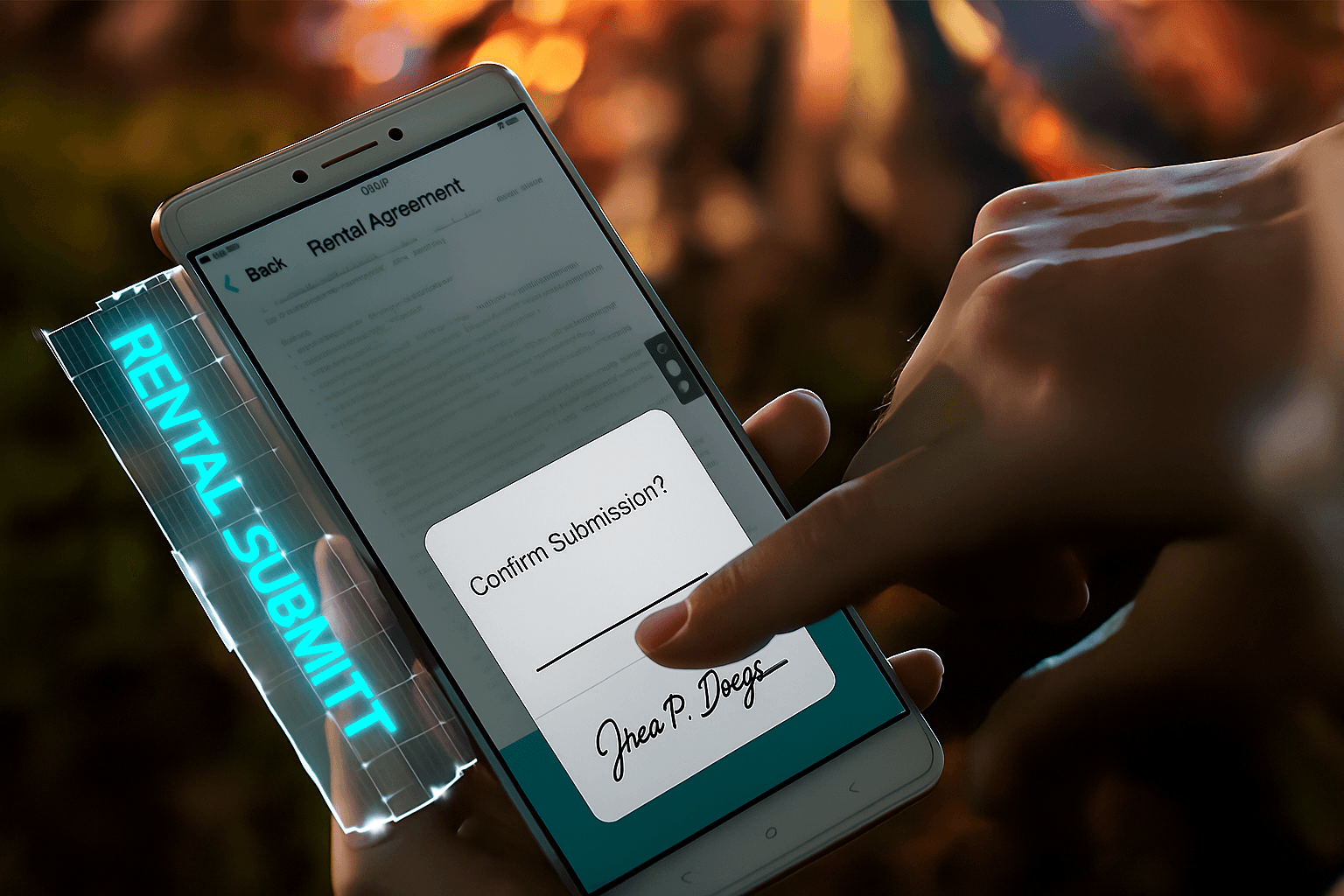
Medan pembayaran dalam tandatangan elektronik merujuk kepada fungsi yang dibenamkan dalam platform tandatangan elektronik yang membolehkan pengumpulan pembayaran secara langsung semasa permintaan tandatangan. Medan ini boleh menyokong pelbagai kaedah pembayaran, seperti kad kredit, pindahan ACH atau dompet digital seperti PayPal, sambil memastikan keseluruhan proses mengikat dari segi undang-undang. Bagi perniagaan, ini bermakna transaksi tunggal dan bersatu: kontrak disemak, ditandatangani dan dibayar tanpa perlu menavigasi berbilang sistem.
Faedah utama ialah kecekapan. Proses tradisional selalunya melibatkan invois dan langkah pembayaran yang berasingan selepas tandatangan, yang boleh memanjangkan kitaran selama beberapa hari. Dengan medan pembayaran, pembayaran boleh dibenarkan dalam masa nyata, mencetuskan pemenuhan segera—contohnya, melepaskan aset digital atau mengaktifkan perkhidmatan. Dari sudut pandangan perniagaan, ini mempercepatkan aliran tunai dan meningkatkan kadar penukaran, dengan kajian laporan industri menunjukkan bahawa sistem bersepadu boleh meningkatkan kelajuan penutupan transaksi sehingga 30%.
Walau bagaimanapun, pelaksanaan memerlukan pertimbangan yang teliti terhadap keselamatan dan pematuhan. Medan pembayaran mesti mematuhi piawaian perlindungan data seperti PCI DSS, memastikan maklumat kewangan sensitif tidak terdedah semasa penghantaran. Perniagaan juga perlu menilai keupayaan platform, kerana tidak semua alat tandatangan elektronik menawarkan penyepaduan pembayaran asli; sesetengah bergantung pada gerbang pihak ketiga seperti Stripe atau Authorize.net, yang menambah kerumitan persediaan.
Pertimbangan Undang-undang dan Peraturan untuk Medan Pembayaran
Walaupun medan pembayaran meningkatkan kebolehgunaan, penggunaannya bersilang dengan undang-undang tandatangan elektronik, yang berbeza mengikut bidang kuasa. Di Amerika Syarikat, Akta ESIGN (2000) dan UETA (Akta Transaksi Elektronik Seragam, yang diterima pakai oleh 49 negeri) menyediakan rangka kerja persekutuan dan peringkat negeri yang mengesahkan kesahihan tandatangan elektronik dan transaksi berkaitan mereka (termasuk pembayaran), selagi mereka menunjukkan niat dan persetujuan. Ini menjadikan tandatangan bersepadu pembayaran sangat boleh dipercayai dalam operasi domestik AS, tetapi aktiviti rentas sempadan memerlukan penelitian yang teliti.
Untuk persekitaran antarabangsa, peraturan eIDAS EU (2014, dikemas kini pada 2024) mengkategorikan tandatangan elektronik kepada tahap asas, lanjutan dan berkelayakan, dengan medan pembayaran jatuh ke dalam tahap lanjutan jika ia termasuk ciri-ciri yang tidak boleh dinafikan. Di rantau Asia Pasifik, peraturan seperti Akta Transaksi Elektronik Singapura (2010) dan Ordinan Transaksi Elektronik Hong Kong (2000) mencerminkan prinsip ESIGN, menyokong medan pembayaran dengan syarat jejak audit dikekalkan. Undang-undang Tandatangan Elektronik China (2005, dipinda pada 2019) lebih ketat, memerlukan dokumen kewangan menggunakan cap masa yang berkelayakan, yang mempengaruhi cara platform mengendalikan pengesahan pembayaran dalam transaksi rentas sempadan.
Dari sudut pandangan pemerhatian perniagaan, ketidakpatuhan boleh menyebabkan kontrak tidak sah atau denda—di EU, pemprosesan data yang tidak betul di bawah GDPR boleh didenda sehingga €20 juta. Syarikat mesti memilih platform yang menyediakan alat pematuhan khusus rantau, seperti log audit yang boleh disesuaikan, untuk mengurangkan risiko sambil memanfaatkan kecekapan medan pembayaran.
Cabaran dan Amalan Terbaik untuk Melaksanakan Medan Pembayaran
Pengambilan medan pembayaran tidak tanpa halangan. Kos penyepaduan mungkin berbeza-beza bergantung pada gerbang: perniagaan kecil mungkin menghadapi yuran persediaan $500 hingga $5,000, manakala dalam senario volum tinggi, isu kebolehskalaan timbul, dengan had transaksi setiap sampul surat yang berpotensi mengehadkan daya pemprosesan. Selain itu, penerimaan pengguna juga menimbulkan cabaran; penandatangan yang biasa dengan pembayaran berasingan mungkin teragak-agak, memerlukan reka bentuk UI dan tutorial yang jelas.
Amalan terbaik termasuk memulakan program perintis dalam bidang berisiko rendah (seperti kelulusan dalaman) sebelum berkembang kepada kontrak yang menghadap pelanggan. Perniagaan harus mengutamakan platform dengan pemetaan medan yang fleksibel—membenarkan logik pencetus pembayaran, seperti hanya melepaskan dana selepas tandatangan. Metrik pemantauan seperti kadar pengabaian (biasanya 15-20% apabila penyepaduan lancar tiada) membantu mengoptimumkan proses. Akhirnya, medan pembayaran mewakili pelaburan strategik, berpotensi meningkatkan hasil setiap transaksi sebanyak 10-15% dengan mengurangkan overhed pentadbiran.
Membandingkan Platform Tandatangan Elektronik Terkemuka dan Sokongan Medan Pembayaran Mereka
Apabila perniagaan menilai pilihan untuk tandatangan bersepadu pembayaran, perbandingan neutral pemain utama mendedahkan pertukaran antara ciri, harga dan pematuhan. Platform seperti DocuSign, Adobe Sign, eSignGlobal dan HelloSign (kini sebahagian daripada Dropbox) masing-masing mempunyai fokus yang berbeza, daripada automasi peringkat perusahaan kepada penyelesaian ekonomi untuk PKS.
DocuSign: Penyepaduan Perusahaan yang Mantap
DocuSign menerajui bahagian pasaran dengan suite tandatangan elektroniknya yang komprehensif, di mana medan pembayaran ialah ciri teras dalam pelan Business Pro dan ke atas. Pengguna boleh membenamkan permintaan pembayaran melalui penyepaduan dengan Stripe, PayPal atau LawPay, membenarkan pembayaran bersyarat yang terikat dengan tandatangan. Ini amat sesuai untuk sektor undang-undang dan kewangan, menyokong sehingga 100 sampul surat setiap pengguna setiap tahun dan dengan keupayaan penghantaran pukal. Walau bagaimanapun, harga bermula pada $40 setiap pengguna setiap bulan, dengan ciri tambahan seperti pengesahan identiti yang menimbulkan yuran meter tambahan, menjadikannya lebih mahal untuk operasi Asia Pasifik volum tinggi disebabkan oleh isu kependaman dan surcaj pematuhan.

Adobe Sign: Automasi Aliran Kerja yang Lancar
Adobe Sign cemerlang dalam persekitaran perusahaan, menyepadukan medan pembayaran melalui Adobe Experience Manager atau gerbang pihak ketiga seperti Braintree. Ia menyokong borang dinamik di mana pembayaran membuka kunci langkah tandatangan seterusnya, sesuai untuk kontrak jualan. Pematuhan adalah mantap, sejajar dengan eIDAS dan ESIGN AS, tetapi kerumitan platform mungkin membebankan pasukan yang lebih kecil. Harga adalah tersuai, biasanya $20-50 setiap pengguna setiap bulan, menekankan ciri analisis untuk menjejaki penukaran pembayaran kepada tandatangan.

eSignGlobal: Fokus pada Pematuhan dan Ekonomi Asia Pasifik
eSignGlobal membezakan dirinya dengan liputan pematuhan global merentasi 100 negara arus perdana, terutamanya mantap di rantau Asia Pasifik. Ia menawarkan sokongan medan pembayaran asli dalam pelannya, membolehkan penyepaduan lancar untuk transaksi rentas sempadan. Di Asia Pasifik, ia menawarkan kelebihan seperti kelajuan yang dioptimumkan dan kos yang lebih rendah daripada pesaing—pelan Essentialnya hanya $16.6 sebulan, membenarkan sehingga 100 dokumen tandatangan, tempat duduk pengguna tanpa had dan pengesahan kod akses. Ini memberikan nilai tinggi berdasarkan pematuhan dan disepadukan dengan lancar dengan iAM Smart Hong Kong dan Singpass Singapura untuk pemeriksaan identiti yang dipertingkatkan. Untuk harga terperinci, lawati halaman harga eSignGlobal.

HelloSign (Dropbox Sign): Mesra Pengguna untuk PKS
HelloSign, dinamakan semula di bawah Dropbox, menawarkan medan pembayaran mudah melalui penyepaduan Stripe, sesuai untuk persediaan pantas untuk pasukan yang lebih kecil. Ia menekankan kemudahan penggunaan, dengan templat dan tandatangan mudah alih, mematuhi ESIGN dan eIDAS asas. Harga adalah mesra bajet pada $15 sebulan untuk sampul surat tanpa had, tetapi kekurangan automasi lanjutan seperti penghantaran pukal, mengehadkan kebolehskalaan untuk perusahaan yang lebih besar.
Jadual Perbandingan Neutral
| Ciri/Aspek | DocuSign | Adobe Sign | eSignGlobal | HelloSign (Dropbox Sign) |
|---|---|---|---|---|
| Sokongan Medan Pembayaran | Asli melalui Stripe/PayPal; Logik bersyarat | Borang dinamik melalui Braintree; Fokus perusahaan | Sokongan asli dengan pengesahan kod akses; Penyepaduan Asia Pasifik | Penyepaduan Stripe asas; Berasaskan templat |
| Harga (Peringkat Kemasukan, Bulanan) | $25/pengguna (Standard); $40/pengguna (Pro) | Tersuai (anggaran $20-50/pengguna) | $16.6 (Essential, tempat duduk tanpa had) | $15 (Sampul surat tanpa had) |
| Had Sampul Surat | ~100/pengguna/tahun (Tahunan) | Tanpa had (berdasarkan kapasiti) | 100 dokumen/bulan (Essential) | Tanpa had |
| Kekuatan Pematuhan | ESIGN, eIDAS; SSO Perusahaan | eIDAS/ESIGN yang mantap; GDPR | 100 negara; Asli Asia Pasifik (iAM Smart, Singpass) | ESIGN/eIDAS asas |
| Kesesuaian Asia Pasifik | Sederhana (isu kependaman) | Baik (global tetapi tersuai) | Cemerlang (dioptimumkan, ekonomi) | Umum (berpusatkan AS) |
| Sesuai untuk | Pasukan besar, automasi pukal | Perusahaan intensif aliran kerja | Pematuhan Asia Pasifik/rentas sempadan | PKS, penyepaduan mudah |
Jadual ini menyerlahkan bahawa walaupun DocuSign dan Adobe Sign menguasai pasaran dalam kedalaman ciri, eSignGlobal dan HelloSign menawarkan ekonomi yang lebih baik untuk keperluan serantau atau berskala lebih kecil tanpa mengorbankan fungsi pembayaran teras.
Wawasan Strategik Perniagaan
Dari sudut pandangan perniagaan, memilih platform untuk medan pembayaran dalam tandatangan bergantung pada mengimbangi kos, pematuhan dan kebolehskalaan. Perniagaan dengan jejak global mungkin cenderung ke arah keteguhan DocuSign, manakala perniagaan yang berpusatkan Asia Pasifik mendapat manfaat daripada pilihan setempat untuk mengurangkan overhed. Dengan pertumbuhan transaksi digital—dijangka mencapai $10 trilion di seluruh dunia menjelang 2026—pembayaran bersepadu akan menjadi elemen yang sangat diperlukan bagi kelebihan daya saing.
Kesimpulannya, bagi perniagaan yang mencari alternatif DocuSign dengan pematuhan serantau yang mantap, eSignGlobal menonjol sebagai pilihan yang seimbang.
