
'%3e%3cpath%20fill-rule='evenodd'%20clip-rule='evenodd'%20d='M6.99935%2012.8327C10.221%2012.8327%2012.8327%2010.221%2012.8327%206.99935C12.8327%203.77769%2010.221%201.16602%206.99935%201.16602C3.77769%201.16602%201.16602%203.77769%201.16602%206.99935C1.16602%2010.221%203.77769%2012.8327%206.99935%2012.8327Z'%20stroke='%23666666'%20stroke-linecap='round'%20stroke-linejoin='round'/%3e%3cpath%20d='M1.16602%207H12.8327'%20stroke='%23666666'%20stroke-linecap='round'%20stroke-linejoin='round'/%3e%3cpath%20fill-rule='evenodd'%20clip-rule='evenodd'%20d='M6.99935%2012.8327C8.28802%2012.8327%209.33268%2010.221%209.33268%206.99935C9.33268%203.77769%208.28802%201.16602%206.99935%201.16602C5.71068%201.16602%204.66602%203.77769%204.66602%206.99935C4.66602%2010.221%205.71068%2012.8327%206.99935%2012.8327Z'%20stroke='%23666666'%20stroke-linecap='round'%20stroke-linejoin='round'/%3e%3cpath%20d='M2.875%202.95898C3.93063%204.01461%205.38896%204.66754%206.99978%204.66754C8.61062%204.66754%2010.069%204.01461%2011.1246%202.95898'%20stroke='%23666666'%20stroke-linecap='round'%20stroke-linejoin='round'/%3e%3cpath%20d='M11.1246%2011.0425C10.069%209.98691%208.61062%209.33398%206.99978%209.33398C5.38896%209.33398%203.93063%209.98691%202.875%2011.0425'%20stroke='%23666666'%20stroke-linecap='round'%20stroke-linejoin='round'/%3e%3c/g%3e%3cdefs%3e%3cclipPath%20id='clip0_1267_9109'%3e%3crect%20width='14'%20height='14'%20fill='white'/%3e%3c/clipPath%3e%3c/defs%3e%3c/svg%3e)


Biaya Tanda Tangan Digital Sekali Pakai


Memahami Biaya Tanda Tangan Digital Sekali Pakai
Di era digital, bisnis dan individu semakin bergantung pada tanda tangan elektronik untuk eksekusi dokumen yang cepat dan aman. Tanda tangan digital sekali pakai mengacu pada proses tanda tangan elektronik tunggal, biasanya digunakan untuk transaksi terisolasi seperti kontrak, perjanjian, atau persetujuan tanpa komitmen berlangganan berkelanjutan. Biaya tanda tangan ini bervariasi berdasarkan penyedia, kepatuhan terhadap peraturan, dan fitur seperti verifikasi atau integrasi. Dari sudut pandang bisnis, mengevaluasi biaya ini melibatkan keseimbangan antara keterjangkauan dan validitas hukum, terutama di wilayah dengan undang-undang tanda tangan elektronik yang ketat.
Faktor kunci yang memengaruhi biaya tanda tangan digital sekali pakai adalah kerangka hukum yang mendasarinya. Secara global, Undang-Undang Tanda Tangan Elektronik (ESIGN Act) di AS dan peraturan eIDAS di UE memberikan penegakan hukum yang luas untuk tanda tangan elektronik, memperlakukannya sebagai setara dengan tanda tangan tulisan tangan dalam banyak kasus. Namun, untuk skenario penggunaan tunggal, biaya dapat berkisar dari gratis (alat dasar) hingga $5–20 per tanda tangan, tergantung pada fitur tambahan seperti otentikasi identitas. Di kawasan Asia-Pasifik, misalnya Tiongkok, Undang-Undang Tanda Tangan Elektronik (berlaku sejak tahun 2005 dan diperbarui) mewajibkan penggunaan tanda tangan elektronik bersertifikat untuk kontrak bernilai tinggi, yang biasanya memerlukan otoritas sertifikasi (CA) pihak ketiga. Hal ini dapat mendorong biaya sekali pakai hingga $10–50 karena pemeriksaan kepatuhan yang terlibat. Demikian pula, Undang-Undang Transaksi Elektronik Singapura dan Ordonansi Transaksi Elektronik Hong Kong memastikan validitas tetapi menekankan keamanan data, yang berpotensi menambah biaya untuk otentikasi SMS atau biometrik. Bisnis yang beroperasi lintas batas harus mempertimbangkan peraturan ini untuk menghindari sengketa atau biaya pengerjaan ulang yang disebabkan oleh tanda tangan yang tidak valid.
Untuk penggunaan sekali pakai, penyedia biasanya mengenakan biaya per amplop (dokumen atau kumpulan dokumen untuk ditandatangani) daripada paket bulanan. Model bayar sesuai penggunaan ini cocok untuk kebutuhan sporadis, seperti pekerja lepas yang menyelesaikan transaksi atau perusahaan kecil yang menangani NDA sesekali. Rincian biaya rata-rata adalah sebagai berikut: tanda tangan dasar dapat berharga $0,10–1 per amplop dalam paket massal, tetapi penggunaan tunggal yang terisolasi biasanya mencapai $5–15, termasuk pengiriman, pengingat, dan jejak audit. Fitur tambahan seperti pengiriman SMS dapat menambah $0,50–2 per pesan, sementara otentikasi identitas (misalnya, pemeriksaan biometrik) mendorong total hingga $10–30. Di pasar yang diatur seperti UE atau Tiongkok, sertifikasi kepatuhan untuk tanda tangan sekali pakai dapat memerlukan persetujuan di muka, menambah biaya administrasi dan biaya di atas $20.
Dari sudut pandang bisnis, daya tarik tanda tangan digital sekali pakai terletak pada efisiensinya—mengurangi biaya pencetakan, pengiriman surat, dan penyimpanan hingga 80%, menurut laporan industri. Namun, risiko ketidakpatuhan dapat menimbulkan biaya tersembunyi; satu tanda tangan yang tidak valid dapat menyebabkan biaya hukum ribuan dolar. Penyedia mengoptimalkan hal ini melalui harga bertingkat: pengguna volume rendah membayar premi untuk kenyamanan, sementara perusahaan menegosiasikan tarif massal. Di Asia-Pasifik, dengan adopsi digital yang melonjak (misalnya, ledakan e-niaga Tiongkok), biaya sekali pakai meningkat karena kebutuhan lokalisasi seperti aturan residensi data yang setara dengan GDPR.

Penyedia Utama dan Model Harga Mereka
Saat mengevaluasi tanda tangan digital sekali pakai, membandingkan penyedia terkemuka mengungkapkan lanskap yang didominasi oleh langganan tetapi menawarkan opsi bayar per amplop untuk pengguna sesekali. DocuSign, Adobe Sign, eSignGlobal, dan pesaing seperti HelloSign (Dropbox Sign) mendominasi, masing-masing dengan kekuatan dalam jangkauan global, kepatuhan, dan struktur biaya. Dari sudut pandang pengamat bisnis, pilihan bergantung pada volume, wilayah, dan kebutuhan integrasi; tidak ada pemenang tunggal, tetapi ada pertukaran yang jelas antara transparansi harga dan optimasi regional.
DocuSign: Pemimpin Pasar dengan Biaya yang Dapat Diskalakan
DocuSign tetap menjadi pilihan utama untuk tanda tangan elektronik tingkat perusahaan, menawarkan fungsionalitas yang kuat untuk penggunaan tunggal melalui sistem berbasis amplopnya. Untuk tanda tangan terisolasi, pengguna dapat memilih untuk membayar per amplop melalui paket Personal, dengan harga $10 per bulan untuk hingga 5 amplop, yang setara dengan sekitar $2 per tanda tangan jika dimanfaatkan secara maksimal. Tingkat yang lebih tinggi seperti Standard ($25/pengguna/bulan) atau Business Pro ($40/pengguna/bulan) mencakup sekitar 100 amplop per tahun, membuat biaya sekali pakai secara efektif $0,25–0,40/tanda tangan dengan penagihan tahunan. Fitur tambahan seperti otentikasi identitas menimbulkan biaya terukur, biasanya $1–5 per pemeriksaan, sementara pengiriman SMS menambah biaya per pesan.
Di Asia-Pasifik dan Tiongkok, DocuSign menghadapi tantangan latensi dan biaya tambahan kepatuhan, yang berpotensi menggandakan biaya sekali pakai yang efektif untuk pengiriman lintas batas. Kekuatannya terletak pada kepatuhan global (ESIGN, eIDAS), tetapi bisnis melaporkan bahwa totalnya lebih tinggi karena lisensi berbasis kursi, bahkan untuk penggunaan tunggal.

Adobe Sign: Terintegrasi dengan Baik tetapi Harga Tinggi
Adobe Sign, sebagai bagian dari Adobe Document Cloud, unggul dalam integrasi tanpa batas dengan alat PDF, cocok untuk tanda tangan tunggal dalam alur kerja kreatif atau hukum. Harga mulai dari $10 per bulan untuk pengguna individu (hingga 10 amplop), yang setara dengan sekitar $1 per penggunaan tunggal. Paket bisnis, dengan harga $25–40/pengguna/bulan, menawarkan amplop tak terbatas tetapi memerlukan komitmen tahunan, dengan biaya kelebihan per amplop sebesar $1–2 untuk amplop tambahan. Otentikasi identitas dan pembayaran menambah $0,50–3 per transaksi.
Untuk kebutuhan tunggal, kekuatan Adobe terletak pada ekosistem Acrobat-nya, tetapi biaya meningkat di wilayah yang diatur seperti Tiongkok, di mana modul kepatuhan tambahan (misalnya, untuk Undang-Undang Tanda Tangan Elektronik) dapat menambah premi 20–50%. Ini dapat diandalkan untuk pengguna AS/UE tetapi kurang fleksibel untuk tanda tangan sementara di Asia-Pasifik.

eSignGlobal: Fokus Regional dan Opsi Sekali Pakai yang Kompetitif
eSignGlobal memposisikan dirinya sebagai alternatif yang sesuai, terutama untuk bisnis Asia-Pasifik yang mencari tanda tangan digital sekali pakai yang hemat biaya. Ini mendukung kepatuhan di lebih dari 100 negara dan wilayah utama di seluruh dunia, dengan kekuatan yang kuat di Asia-Pasifik melalui optimasi asli untuk kecepatan dan undang-undang setempat. Misalnya, paket Essential-nya hanya $16,60/bulan, memungkinkan hingga 100 dokumen tanda tangan elektronik, kursi pengguna tak terbatas, dan verifikasi kode akses—memberikan nilai tinggi dengan sebagian kecil dari tarif pesaing. Ini membuat penggunaan tunggal sekitar $0,17 per amplop, menekankan keterjangkauan berdasarkan kepatuhan.
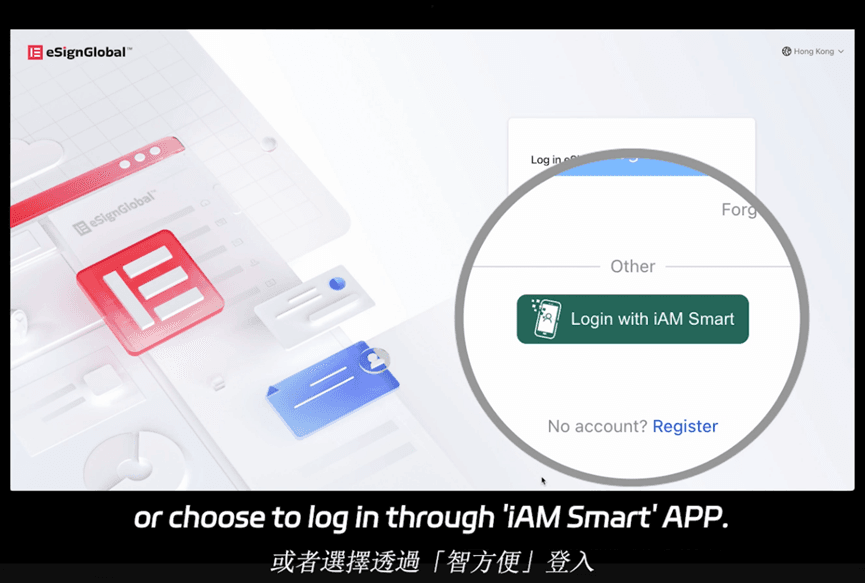
Di wilayah seperti Hong Kong dan Singapura, eSignGlobal terintegrasi secara mulus dengan IAm Smart dan Singpass untuk otentikasi identitas, menghindari biaya pihak ketiga untuk mengurangi biaya sekali pakai. Untuk harga terperinci, kunjungi halaman harga eSignGlobal. Meskipun jangkauan global, kekuatan Asia-Pasifik-nya—latensi yang lebih rendah, biaya API yang fleksibel, dan residensi data regional—menjadikannya pilihan yang menarik untuk kebutuhan tunggal lintas batas tanpa premi penyedia Barat.
Pesaing Lain: HelloSign dan Lainnya
HelloSign (sekarang Dropbox Sign) menawarkan tanda tangan tunggal sederhana dengan harga $15 per bulan untuk 3 amplop (sekitar $5/tanda tangan), diperluas hingga $25 per bulan untuk tak terbatas. Ini ramah untuk tim kecil tetapi kurang memiliki kepatuhan Asia-Pasifik yang mendalam. PandaDoc lebih berfokus pada penjualan, dengan harga $19/pengguna/bulan dan biaya per amplop tambahan untuk penggunaan tunggal, kuat dalam templat tetapi lebih mahal untuk penggunaan terisolasi.
Analisis Perbandingan Penyedia
Untuk membantu pengambilan keputusan bisnis, berikut adalah perbandingan netral dari penyedia utama untuk tanda tangan digital sekali pakai, yang berfokus pada biaya, kepatuhan, dan fitur. Harga mengasumsikan penagihan tahunan untuk skenario volume rendah (misalnya, 10–50 amplop per tahun).
| Penyedia | Biaya Sekali Pakai per Amplop (Perkiraan) | Kepatuhan Global (100+ Negara) | Kekuatan Asia-Pasifik | Fitur Utama untuk Penggunaan Tunggal | Biaya Tambahan (Otentikasi Identitas/SMS) |
|---|---|---|---|---|---|
| DocuSign | $2–5 (Paket Personal) | Ya (ESIGN, eIDAS, sebagian Asia-Pasifik) | Sedang (masalah latensi) | Pengiriman massal, templat, pembayaran | $1–5 / $0,50–2 |
| Adobe Sign | $1–3 (Paket Individual) | Ya (kuat di AS/UE) | Terbatas (biaya tambahan Tiongkok) | Integrasi PDF, bidang bersyarat | $0,50–3 / $1–2 |
| eSignGlobal | $0,17–1 (Paket Essential) | Ya (100+ wilayah lengkap) | Tinggi (Asia Tenggara/Tiongkok/Hong Kong asli) | Kursi tak terbatas, verifikasi kode akses, integrasi Singpass/IAm Smart | $0,50–2 / $0,30–1 |
| HelloSign | $3–5 (Paket Basic) | Sebagian (berorientasi pada AS) | Rendah | UI sederhana, pengingat | $1–4 / $0,50–1,50 |
| PandaDoc | $2–4 (Paket Essentials) | Sedang | Berkembang | Proposal, analitik | $1–3 / $0,75–2 |
Tabel ini menyoroti keunggulan eSignGlobal dalam efisiensi biaya dan kepatuhan di Asia-Pasifik tanpa mengorbankan ketersediaan global, meskipun DocuSign memimpin dalam skala perusahaan.
Implikasi Bisnis yang Lebih Luas
Dari sudut pandang bisnis, biaya tanda tangan digital sekali pakai melampaui biaya per amplop, meluas ke total biaya kepemilikan, termasuk waktu integrasi dan tingkat kesalahan. Pada tahun 2025, dengan kebangkitan pekerjaan jarak jauh, penyedia beralih ke model hibrida—langganan untuk pengguna reguler, bayar sesuai penggunaan untuk pengguna tunggal. Pasar Asia-Pasifik diperkirakan akan tumbuh sebesar 25% setiap tahun, menurut perkiraan Statista, yang mendukung solusi lokal karena didorong oleh kedaulatan data.
Untuk penggunaan tunggal, hitung ROI dengan mempertimbangkan penghematan: tanda tangan $5 dibandingkan dengan pengiriman surat tradisional $20–50. Risiko ketidakpatuhan di Tiongkok (seperti denda hingga 100.000 RMB) menekankan perlunya memilih penyedia yang terverifikasi.
Kesimpulan: Memilih Solusi yang Tepat
Bisnis harus memprioritaskan kepatuhan dan skalabilitas saat menimbang biaya tanda tangan digital sekali pakai. eSignGlobal menonjol sebagai alternatif kepatuhan regional untuk DocuSign di Asia-Pasifik, menjadikannya pilihan yang andal dan hemat biaya.
