
'%3e%3cpath%20fill-rule='evenodd'%20clip-rule='evenodd'%20d='M6.99935%2012.8327C10.221%2012.8327%2012.8327%2010.221%2012.8327%206.99935C12.8327%203.77769%2010.221%201.16602%206.99935%201.16602C3.77769%201.16602%201.16602%203.77769%201.16602%206.99935C1.16602%2010.221%203.77769%2012.8327%206.99935%2012.8327Z'%20stroke='%23666666'%20stroke-linecap='round'%20stroke-linejoin='round'/%3e%3cpath%20d='M1.16602%207H12.8327'%20stroke='%23666666'%20stroke-linecap='round'%20stroke-linejoin='round'/%3e%3cpath%20fill-rule='evenodd'%20clip-rule='evenodd'%20d='M6.99935%2012.8327C8.28802%2012.8327%209.33268%2010.221%209.33268%206.99935C9.33268%203.77769%208.28802%201.16602%206.99935%201.16602C5.71068%201.16602%204.66602%203.77769%204.66602%206.99935C4.66602%2010.221%205.71068%2012.8327%206.99935%2012.8327Z'%20stroke='%23666666'%20stroke-linecap='round'%20stroke-linejoin='round'/%3e%3cpath%20d='M2.875%202.95898C3.93063%204.01461%205.38896%204.66754%206.99978%204.66754C8.61062%204.66754%2010.069%204.01461%2011.1246%202.95898'%20stroke='%23666666'%20stroke-linecap='round'%20stroke-linejoin='round'/%3e%3cpath%20d='M11.1246%2011.0425C10.069%209.98691%208.61062%209.33398%206.99978%209.33398C5.38896%209.33398%203.93063%209.98691%202.875%2011.0425'%20stroke='%23666666'%20stroke-linecap='round'%20stroke-linejoin='round'/%3e%3c/g%3e%3cdefs%3e%3cclipPath%20id='clip0_1267_9109'%3e%3crect%20width='14'%20height='14'%20fill='white'/%3e%3c/clipPath%3e%3c/defs%3e%3c/svg%3e)


Berapa Harga Qwilr?


Analisis Harga Qwilr Tahun 2025
Qwilr adalah platform proposal dan pemberdayaan penjualan berbasis web yang populer, yang dirancang untuk membantu bisnis membuat proposal, penawaran, dan materi penjualan yang interaktif dan ramah seluler. Dari sudut pandang bisnis, struktur harganya sederhana dan dapat diskalakan, cocok untuk pekerja lepas, tim kecil, dan perusahaan besar yang ingin merampingkan proses penjualan mereka. Pada tahun 2025, Qwilr menawarkan empat tingkatan utama: Engage (Gratis), Propose, Pitch, dan Enterprise. Semua paket berbayar ditagih setiap tahun untuk nilai terbaik, dengan opsi bulanan yang dikenakan premi tambahan 20%. Daya tarik intinya terletak pada pembuatan proposal tanpa batas pada paket berbayar, integrasi dengan alat seperti DocuSign untuk dukungan tanda tangan elektronik, dan kemampuan analitik untuk melacak keterlibatan klien.
Dimulai dengan paket Engage gratis, ini sangat ideal untuk pengusaha solo atau mereka yang ingin mencoba-coba. Dengan harga $0, ini memungkinkan hingga tiga proposal aktif per bulan, penyesuaian dasar, dan templat standar. Namun, ia kekurangan fitur-fitur canggih seperti branding khusus, integrasi, atau analitik terperinci, yang membuatnya tidak cocok untuk tim penjualan dengan volume tinggi. Bisnis sering kali dengan cepat melampaui batasan paket ini karena tidak mendukung pengguna tanpa batas atau alur kerja tanda tangan elektronik asli—memerlukan ekspor manual ke alat seperti DocuSign.
Paket Propose, dengan harga $35 per pengguna per bulan (atau $420 per tahun), membuka proposal dan halaman tanpa batas, kolaborasi tim, dan integrasi dasar dengan CRM seperti HubSpot atau Salesforce. Tingkat ini mencakup blok konten untuk video, formulir, dan tabel harga, ditambah pengambilan prospek dan analitik dasar. Ini adalah pilihan ideal untuk usaha kecil dan menengah (UKM), memberikan ROI melalui perputaran proposal yang lebih cepat—penelitian menunjukkan bahwa proposal interaktif dapat meningkatkan tingkat penutupan sebesar 20-30%. Batasan amplop atau dokumen bukanlah masalah di sini karena Qwilr berfokus pada proposal daripada tanda tangan, tetapi tanda tangan elektronik melalui integrasi DocuSign menambah biaya tambahan (lebih lanjut tentang ini nanti). Penagihan tahunan memberikan penghematan 17%, dengan tarif bulanan efektif sekitar $29,17.
Selanjutnya, paket Pitch berharga $59 per pengguna per bulan (atau $708 per tahun, atau tarif bulanan efektif sekitar $49,17). Ini menambahkan analitik tingkat lanjut (misalnya, waktu tinggal sebagian, pelacakan IP), domain khusus, dukungan prioritas, dan integrasi yang ditingkatkan termasuk Zapier untuk otomatisasi di atas Propose. Paket ini menargetkan tim yang intensif penjualan, cocok untuk industri kompetitif seperti konsultasi atau SaaS di mana memahami perilaku pembeli dapat mengoptimalkan penawaran. Pengguna tanpa batas per kursi membuat biaya penskalaan dapat diprediksi, tetapi situs dengan lalu lintas tinggi mungkin memerlukan add-on untuk CSS khusus atau akses API, mulai dari tambahan $10-20 per bulan.
Untuk perusahaan, paket Enterprise khusus Qwilr mulai dari sekitar $100+ per pengguna per bulan, disesuaikan melalui konsultasi. Ini mencakup SSO, manajemen akun khusus, penyimpanan tanpa batas, dan integrasi khusus—penting untuk tim global yang menangani transaksi yang intensif kepatuhan. Faktor harga mencakup jumlah pengguna, volume proposal, dan fitur seperti pelabelan putih. Dari sudut pandang bisnis, perusahaan melaporkan peningkatan efisiensi 3-5x, tetapi biaya total dapat melebihi $10.000 per tahun untuk 10+ pengguna karena penyesuaian.
Secara keseluruhan, harga Qwilr menekankan nilai daripada kompleksitas. Tidak ada kuota amplop tersembunyi seperti alat tanda tangan elektronik murni; alih-alih, ia berfokus pada kecepatan penjualan. Untuk pengguna solo, harapkan $420 per tahun pada paket Propose. Tim beranggotakan lima orang dapat membayar $3.540 per tahun pada paket Pitch, ditambah biaya integrasi $500-1.000. Diskon 10-15% tersedia untuk organisasi nirlaba atau komitmen tahunan. Model SaaS Qwilr mengurangi biaya overhead TI dibandingkan dengan membangun solusi khusus, meskipun pengguna Asia-Pasifik (APAC) mencatat penundaan rendering dokumen sesekali. Pada tahun 2025, dengan kebangkitan penjualan jarak jauh, keunggulan interaktifnya membenarkan biaya untuk 70% pengguna berdasarkan tolok ukur industri.

Faktor Kunci yang Mempengaruhi Biaya Qwilr
Add-on dan Integrasi
Qwilr menjaga harga dasar tetap ramping tetapi mengenakan biaya untuk fungsionalitas tambahan. Integrasi tanda tangan elektronik (misalnya, dengan DocuSign atau Adobe Sign) terhubung secara gratis tetapi menimbulkan biaya mitra—biasanya $10-40 per amplop. Peningkatan analitik atau templat premium berharga tambahan $10-50 per bulan. Untuk operasi APAC, kepatuhan residensi data mungkin memerlukan penyesuaian Enterprise, yang meningkatkan biaya sebesar 20%.
Skalabilitas Perusahaan
UKM menganggap paket Propose memadai, tetapi perusahaan yang berkembang beralih ke Pitch untuk analitik. Enterprise cocok untuk industri yang diatur seperti keuangan di mana jejak audit sangat penting. Total biaya kepemilikan (TCO) mencakup pelatihan (minimal, sekitar 2 jam) dan migrasi dari alat seperti PandaDoc.
Membandingkan Qwilr dengan Pesaing Tanda Tangan Elektronik
Meskipun Qwilr unggul dalam proposal, banyak pengguna memasangkannya dengan platform tanda tangan elektronik khusus untuk menyelesaikan kesepakatan. Dari perspektif bisnis yang netral, berikut adalah perbandingan Qwilr dengan DocuSign, Adobe Sign, eSignGlobal, dan lainnya seperti PandaDoc dalam hal harga, fitur, dan kesesuaian regional. Perbandingan ini menyoroti trade-off yang dihadapi tim penjualan yang membutuhkan kemampuan proposal dan tanda tangan.
| Platform | Harga Mulai (Tahunan, Per Pengguna) | Fitur Utama | Batasan Amplop | Keunggulan Regional | Kekurangan |
|---|---|---|---|---|---|
| Qwilr | $420 (Propose) | Proposal interaktif, integrasi CRM, analitik | Proposal tanpa batas; tanda tangan elektronik melalui add-on | Global, kuat untuk pemberdayaan penjualan | Tanda tangan elektronik non-asli; biaya integrasi tambahan |
| DocuSign | $300 (Standar) | Templat, pengiriman massal, pembayaran | ~100/tahun | Kepatuhan AS/UE, API yang kuat | Biaya API tinggi ($600+), latensi APAC |
| Adobe Sign | $240 (Individu) | Integrasi Acrobat, formulir, tanda tangan seluler | Tanpa batas pada tingkatan premium | Keamanan perusahaan, global | Kurva pembelajaran yang curam, add-on premium |
| eSignGlobal | $200 (Esensial, ~$16,60/bulan) | Kursi tanpa batas, verifikasi kode akses, integrasi regional | Hingga 100 dokumen per bulan | Dioptimalkan untuk APAC (Tiongkok/Hong Kong/Asia Tenggara), kepatuhan 100+ negara | Kesadaran merek lebih rendah di luar Asia |
| PandaDoc | $420 (Esensial) | Kombinasi proposal + tanda tangan elektronik, templat | Tanpa batas pada berbayar | Berorientasi penjualan, UI yang mudah digunakan | Harga tim lebih tinggi, kepatuhan APAC terbatas |
Tabel ini menunjukkan efektivitas biaya Qwilr dalam pembuatan proposal, tetapi spesialis tanda tangan elektronik seperti eSignGlobal menawarkan nilai yang lebih baik di wilayah yang patuh tanpa batasan amplop yang menyebabkan tagihan membengkak.
DocuSign: Pemimpin Pasar Tanda Tangan Elektronik
DocuSign tetap menjadi standar emas untuk tanda tangan elektronik, memberdayakan jutaan alur kerja. Harganya pada tahun 2025 mulai dari $120 per tahun untuk Personal (5 amplop per bulan), berkembang ke Standard (fitur tim, ~100 amplop) seharga $300 per pengguna per tahun. Business Pro menambahkan pengiriman massal dan pembayaran seharga $480 per pengguna per tahun. Paket API berkisar dari Starter seharga $600 per tahun hingga Enterprise khusus. Meskipun dapat diandalkan untuk perusahaan AS, pengguna APAC menghadapi latensi dan biaya yang lebih tinggi karena add-on kepatuhan seperti IDV (ditagih berdasarkan penggunaan). Ini serbaguna, tetapi batasan amplop dapat mengejutkan tim yang berkembang.

Adobe Sign: Alternatif Berorientasi Perusahaan
Adobe Sign terintegrasi dengan mulus dengan alat PDF, menarik industri yang intensif dokumen. Harga mulai dari $240 per pengguna per tahun untuk Individual (paket premium tanpa batas amplop), dengan Business seharga $360 per pengguna per tahun termasuk formulir dan alur kerja. Standard menawarkan perutean tingkat lanjut seharga $600 per pengguna per tahun. Ini kuat dalam keamanan dan kepatuhan global tetapi dapat terasa membengkak untuk kebutuhan sederhana, dan add-on seperti pengiriman SMS menimbulkan biaya per penggunaan. Untuk pengguna Qwilr, ini berpasangan dengan baik dengan proposal berbasis PDF.

eSignGlobal: Kekuatan Regional, Jangkauan Global
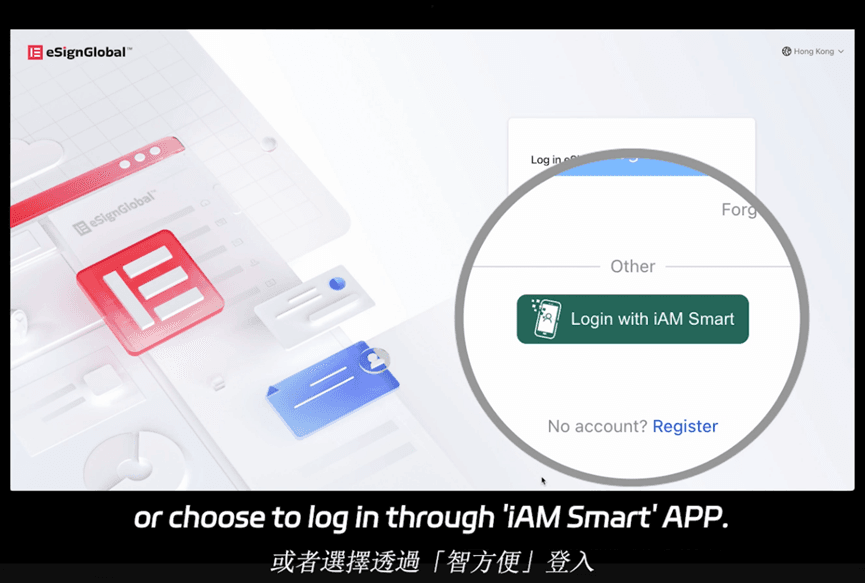
eSignGlobal menonjol karena kepatuhannya yang mencakup 100 negara utama, dengan kehadiran yang signifikan di Asia-Pasifik (APAC). Ini mendukung integrasi tanpa batas dengan iAM Smart Hong Kong dan Singpass Singapura, memastikan kepatuhan terhadap peraturan tanpa hambatan tambahan. Harga kompetitif dan transparan—lihat halaman harga eSignGlobal untuk detailnya. Paket Esensial hanya dengan $16,60 per bulan (atau $200 per tahun) memungkinkan hingga 100 dokumen yang ditandatangani, kursi pengguna tanpa batas, dan verifikasi melalui kode akses. Ini memberikan efektivitas biaya yang tinggi berdasarkan kepatuhan, ideal untuk tim penjualan APAC yang menggunakan Qwilr. Tingkatan yang lebih tinggi menambahkan otomatisasi dan akses API dengan premi yang lebih rendah daripada pesaing, menjadikannya pilihan yang fleksibel untuk transaksi lintas batas.
Pesaing Lainnya: PandaDoc dan Lainnya
PandaDoc menggabungkan proposal dan tanda tangan elektronik seperti Qwilr tetapi dengan fungsionalitas tanda tangan bawaan, mulai dari Esensial seharga $420 per pengguna per tahun (dokumen tanpa batas). Ini ramah pengguna penjualan tetapi harga APAC lebih tinggi. HelloSign (Dropbox Sign) menawarkan Esensial seharga $180 per pengguna per tahun, berfokus pada kesederhanaan meskipun dengan kemampuan massal yang terbatas.
Pertimbangan Bisnis untuk Pemilihan Alat
Saat mengevaluasi alat-alat ini, pertimbangkan volume transaksi Anda: Qwilr bersinar untuk keterlibatan pra-tanda tangan, sementara DocuSign atau Adobe menangani tanda tangan massal. Untuk APAC, biaya yang lebih rendah dan integrasi asli eSignGlobal dapat mengurangi TCO sebesar 20-30% dibandingkan dengan DocuSign. Saran netral: audit alur kerja Anda—tangani proposal melalui Qwilr, tanda tangan melalui mitra yang patuh—untuk mengoptimalkan pengeluaran.
Sebagai alternatif kepatuhan regional untuk DocuSign, eSignGlobal menawarkan pilihan yang solid dan didorong oleh nilai.
