
'%3e%3cpath%20fill-rule='evenodd'%20clip-rule='evenodd'%20d='M6.99935%2012.8327C10.221%2012.8327%2012.8327%2010.221%2012.8327%206.99935C12.8327%203.77769%2010.221%201.16602%206.99935%201.16602C3.77769%201.16602%201.16602%203.77769%201.16602%206.99935C1.16602%2010.221%203.77769%2012.8327%206.99935%2012.8327Z'%20stroke='%23666666'%20stroke-linecap='round'%20stroke-linejoin='round'/%3e%3cpath%20d='M1.16602%207H12.8327'%20stroke='%23666666'%20stroke-linecap='round'%20stroke-linejoin='round'/%3e%3cpath%20fill-rule='evenodd'%20clip-rule='evenodd'%20d='M6.99935%2012.8327C8.28802%2012.8327%209.33268%2010.221%209.33268%206.99935C9.33268%203.77769%208.28802%201.16602%206.99935%201.16602C5.71068%201.16602%204.66602%203.77769%204.66602%206.99935C4.66602%2010.221%205.71068%2012.8327%206.99935%2012.8327Z'%20stroke='%23666666'%20stroke-linecap='round'%20stroke-linejoin='round'/%3e%3cpath%20d='M2.875%202.95898C3.93063%204.01461%205.38896%204.66754%206.99978%204.66754C8.61062%204.66754%2010.069%204.01461%2011.1246%202.95898'%20stroke='%23666666'%20stroke-linecap='round'%20stroke-linejoin='round'/%3e%3cpath%20d='M11.1246%2011.0425C10.069%209.98691%208.61062%209.33398%206.99978%209.33398C5.38896%209.33398%203.93063%209.98691%202.875%2011.0425'%20stroke='%23666666'%20stroke-linecap='round'%20stroke-linejoin='round'/%3e%3c/g%3e%3cdefs%3e%3cclipPath%20id='clip0_1267_9109'%3e%3crect%20width='14'%20height='14'%20fill='white'/%3e%3c/clipPath%3e%3c/defs%3e%3c/svg%3e)


Biaya Implementasi DocuSign


Memahami Biaya Implementasi DocuSign
Ketika bisnis mempertimbangkan untuk mengadopsi DocuSign untuk tanda tangan elektronik, aspek keuangan penting di luar biaya berlangganan adalah biaya implementasi. Biaya ini mencakup pengaturan awal, penyesuaian, pelatihan, dan proses mengintegrasikan platform ke dalam alur kerja organisasi agar berfungsi. Dari perspektif pengamatan bisnis, model implementasi DocuSign dirancang untuk skalabilitas, tetapi dapat bervariasi secara signifikan berdasarkan ukuran perusahaan, kompleksitas, dan persyaratan regional. Artikel ini akan menguraikan biaya-biaya ini, komponennya, dan faktor-faktor yang memengaruhinya untuk membantu bisnis membuat keputusan yang tepat.
Biaya implementasi DocuSign biasanya terjadi selama fase orientasi, terutama untuk organisasi menengah hingga besar yang memilih paket seperti Business Pro, Enhanced, atau Enterprise. Tidak seperti harga berlangganan langsung—seperti paket Personal seharga $10 per bulan atau Business Pro seharga $40 per pengguna per bulan—biaya ini sering kali berbasis proyek dan dikutip setelah penilaian kebutuhan. Berdasarkan dokumentasi publik dan laporan industri dari tahun 2024-2025, implementasi dasar untuk tim kecil dapat menelan biaya antara $1.000 dan $5.000, sementara pengaturan tingkat perusahaan dapat melebihi $50.000 atau lebih, tergantung pada integrasi khusus.
Komponen Biaya Implementasi DocuSign
Layanan implementasi DocuSign dikemas ke dalam paket layanan profesional yang mencakup:
-
Pengaturan dan Konfigurasi: Ini melibatkan konfigurasi akun pengguna, templat, alur kerja, dan identitas merek. Untuk paket standar, ini mungkin swalayan dengan biaya minimal (pengaturan terpandu sekitar $500-$2.000). Namun, untuk penyebaran Enhanced atau berbasis API, konsultan menangani bidang khusus, logika kondisional, dan otomatisasi pengiriman massal, yang mendorong biaya hingga di atas $10.000.
-
Layanan Integrasi: DocuSign unggul dalam integrasi API dengan alat seperti Salesforce, Microsoft Dynamics, atau Google Workspace. Biaya di sini bergantung pada kedalaman—pengaturan OAuth sederhana melalui Developer API (mulai dari $600 per tahun untuk paket Starter) dapat menambahkan biaya implementasi $2.000-$5.000, sementara fitur webhook atau Connect tingkat lanjut dalam paket Advanced (mulai dari $5.760 per tahun) dapat memerlukan $15.000-$30.000 untuk pengkodean dan pengujian khusus.
-
Pelatihan dan Dukungan Adopsi: DocuSign menawarkan sesi pelatihan virtual atau di tempat. Modul online dasar gratis, tetapi lokakarya khusus untuk tim (misalnya, 50+ pengguna) berkisar antara $3.000 hingga $10.000. Ini sangat penting untuk memastikan kepatuhan dan mengurangi kesalahan di industri berisiko tinggi seperti keuangan atau hukum.
-
Fitur Tambahan dan Pengaturan Kepatuhan: Fitur seperti pengiriman SMS/WhatsApp atau otentikasi identitas (IDV) menimbulkan biaya terukur selama implementasi. Misalnya, menyiapkan otentikasi multi-faktor atau pemeriksaan biometrik dapat menambahkan $5.000-$20.000, terutama di industri yang diatur. Pencatatan audit dan konfigurasi SSO untuk paket Enterprise juga lebih mahal.
Komponen-komponen ini sering kali dihargai berdasarkan waktu dan material, dengan mitra DocuSign mengenakan biaya $150-$300 per jam. Implementasi bisnis kecil yang khas dapat berjumlah $5.000-$15.000, berlangsung selama 2-4 minggu, sementara penyebaran perusahaan penuh dapat mencapai $50.000-$200.000, termasuk migrasi data dari sistem lama.
Faktor-faktor yang Mempengaruhi Biaya Implementasi DocuSign
Beberapa variabel dapat meningkatkan atau menurunkan biaya ini:
-
Ukuran Organisasi dan Tingkat Paket: Paket Personal dan Standard biasanya memiliki biaya implementasi rendah atau tanpa biaya karena bersifat plug-and-play. Business Pro memperkenalkan lebih banyak kompleksitas, seperti formulir web dan pembayaran, yang meningkatkan biaya pengaturan. Fitur khusus Enterprise, seperti alat tata kelola dan dukungan tingkat lanjut, secara signifikan meningkatkan tagihan.
-
Persyaratan Kustomisasi: Penggunaan langsung dapat menjaga biaya tetap rendah, tetapi penyesuaian untuk alur kerja tertentu—seperti batasan pengiriman massal hingga 100 amplop per pengguna per tahun atau kuota API—memerlukan keterlibatan ahli.
-
Pertimbangan Regional dan Kepatuhan: Biaya implementasi dapat bervariasi berdasarkan lokasi geografis. Di AS dan UE, undang-undang tanda tangan elektronik seperti ESIGN Act (AS) atau eIDAS (UE) memberikan dukungan hukum yang kuat untuk kontrak elektronik, sehingga pengaturan sederhana dengan fitur tambahan minimal. Namun, lapisan kepatuhan tambahan muncul di wilayah Asia-Pasifik seperti Tiongkok atau Singapura. Misalnya, Undang-Undang Tanda Tangan Elektronik Tiongkok (2005, sebagaimana diubah) memerlukan sertifikasi aman dan lokalisasi data, yang berpotensi menambahkan lebih dari $10.000 untuk integrasi IDV yang sesuai dengan standar lokal. Undang-Undang Transaksi Elektronik Singapura selaras erat dengan norma global, tetapi dokumen terkait pemerintah memerlukan integrasi Singpass, yang didukung DocuSign melalui fitur tambahan tetapi dengan biaya tambahan. Penundaan lintas batas dan biaya tambahan residensi data di Asia-Pasifik dapat semakin meningkatkan biaya sebesar 20-30%.
-
Keterlibatan Mitra: Menggunakan mitra bersertifikasi DocuSign dapat menyederhanakan implementasi tetapi dengan premi. Implementasi mandiri melalui dokumentasi dapat menghemat uang tetapi berisiko penundaan.
Dari sudut pandang bisnis, biaya ini mewakili investasi dalam efisiensi—DocuSign melaporkan ROI melalui pengurangan biaya kertas dan siklus yang dipercepat—tetapi bisnis harus membuat anggaran dengan hati-hati. Penggunaan amplop berlebihan (melebihi 100 per pengguna per tahun) atau otomatisasi yang tidak digunakan dapat menambah pengeluaran tambahan setelah implementasi.

Membandingkan DocuSign dengan Pesaing Utama
Untuk mengevaluasi biaya implementasi DocuSign dalam konteks, berguna untuk membandingkannya dengan alternatif seperti Adobe Sign, eSignGlobal, dan opsi lain seperti Dropbox Sign (sebelumnya HelloSign). Analisis ini didasarkan pada ikhtisar harga tahun 2025, dengan fokus pada aspek implementasi, fungsionalitas inti, dan adaptasi regional. Meskipun DocuSign memimpin dalam adopsi perusahaan global, pesaing menawarkan nilai yang berbeda dalam hal biaya, kepatuhan, dan kemudahan pengaturan.
Ikhtisar DocuSign
DocuSign tetap menjadi pemimpin pasar, dengan alat tanda tangan elektronik yang kuat mulai dari templat dasar dalam paket Personal hingga otomatisasi tingkat lanjut di Business Pro. Implementasi didorong oleh layanan profesional, cocok untuk perusahaan yang kompleks tetapi berpotensi mahal untuk UKM. Ekosistem API-nya mendukung integrasi yang mulus, meskipun biaya untuk pekerjaan khusus patut diperhatikan.

Ikhtisar Adobe Sign
Adobe Sign, bagian dari Adobe Document Cloud, menekankan integrasi dengan alur kerja PDF dan alat kreatif. Harga mulai dari sekitar $10 per bulan untuk pengguna individu hingga lebih dari $40 per pengguna per bulan untuk tingkat perusahaan. Biaya implementasi mirip dengan DocuSign, biasanya $5.000-$50.000, dengan fokus pada integrasi Acrobat. Ini unggul dalam industri kreatif tetapi mungkin terasa membengkak untuk kebutuhan tanda tangan sederhana, dan tambahan kepatuhan Asia-Pasifik menghadirkan tantangan yang mirip dengan DocuSign.

Ikhtisar eSignGlobal
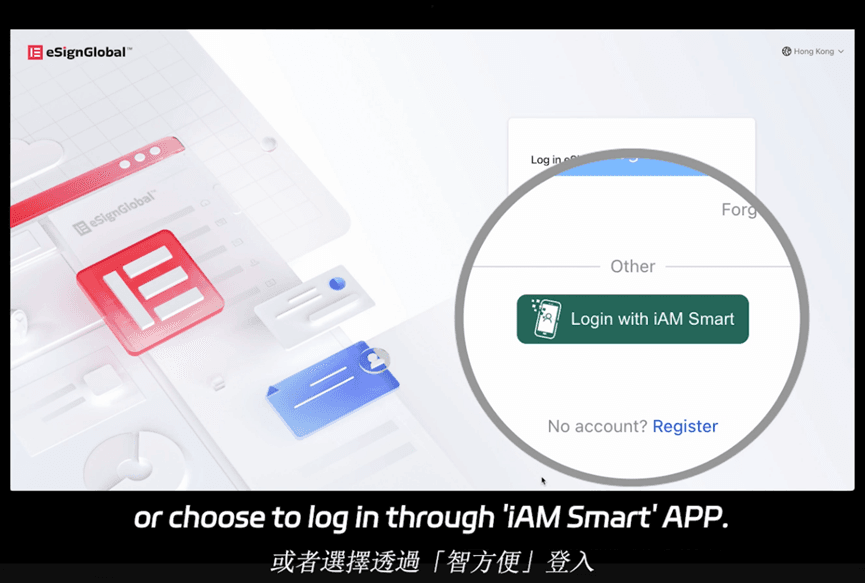
eSignGlobal memposisikan dirinya sebagai alternatif yang dioptimalkan secara regional, terutama untuk bisnis Asia-Pasifik. Ini mendukung kepatuhan di lebih dari 100 negara arus utama di seluruh dunia, memberikan keunggulan di Asia-Pasifik melalui kinerja yang lebih cepat dan biaya yang lebih rendah. Misalnya, paket Essential hanya seharga $16,6 per bulan untuk mengirim hingga 100 dokumen tanda tangan elektronik, kursi pengguna tak terbatas, dan verifikasi kode akses—semuanya berdasarkan fondasi kepatuhan, memberikan nilai tinggi. Di Hong Kong, ia terintegrasi dengan mulus dengan iAM Smart; di Singapura, dengan Singpass. Untuk detail harga, kunjungi halaman harga eSignGlobal. Biaya implementasi secara signifikan lebih rendah, biasanya di bawah $5.000 untuk sebagian besar pengaturan, berkat alat intuitif dan fokus regional.
Pesaing Lain
Dropbox Sign menawarkan antarmuka yang ramah pengguna dengan paket mulai dari $15 per bulan, menekankan kesederhanaan dan integrasi Dropbox. Implementasi minimal (biasanya $1.000-$3.000), cocok untuk tim kecil. PandaDoc menggabungkan tanda tangan dengan proposal, mulai dari $19 per pengguna per bulan, tetapi implementasi dengan integrasi CRM dapat mencapai $10.000. Opsi-opsi ini menawarkan fleksibilitas tetapi mungkin kekurangan kedalaman DocuSign dalam kepatuhan perusahaan.
Tabel Perbandingan Pesaing
| Fitur/Aspek | DocuSign | Adobe Sign | eSignGlobal | Dropbox Sign |
|---|---|---|---|---|
| Harga Mulai (Bulanan) | $10 (Personal) | $10 (Individual) | $16.6 (Essential) | $15 (Essentials) |
| Biaya Implementasi (Perkiraan) | $5.000-$200.000+ (Tergantung Tingkat) | $5.000-$50.000 | $1.000-$5.000 (Fokus Regional) | $1.000-$3.000 |
| Amplop/Batasan Dokumen | 5-100/Bulan/Pengguna | Tidak Terbatas (Otomatisasi Terbatas) | Hingga 100 (Essential) | 5-Tidak Terbatas (Berdasarkan Paket) |
| Kursi Pengguna | 1-50+ (Per Pengguna) | Per Pengguna | Tidak Terbatas | Hingga 50+ |
| API/Integrasi | Tingkat Lanjut (Biaya Tambahan) | Kuat (Ekosistem Adobe) | Fleksibel, Dioptimalkan untuk Asia-Pasifik | Dasar hingga Tingkat Lanjut |
| Kepatuhan Regional (Asia-Pasifik) | Didukung, tetapi Tambahan Mahal | Baik, tetapi dengan Masalah Latensi | Asli (100+ Negara, iAM Smart/Singpass) | Terbatas |
| Keunggulan Utama | Skalabilitas Perusahaan | Alur Kerja PDF | Kepatuhan yang Hemat Biaya | Kesederhanaan untuk UKM |
| Kekurangan | Biaya Implementasi Khusus Tinggi | Berlebihan untuk Kebutuhan Dasar | Kesadaran Merek Global Lebih Rendah | Fitur Perusahaan Lebih Sedikit |
Tabel ini menyoroti trade-off: DocuSign unggul dalam fungsionalitas komprehensif tetapi dengan harga yang lebih tinggi, sementara eSignGlobal menonjol dalam efisiensi Asia-Pasifik tanpa mengorbankan kemampuan inti.
Singkatnya, biaya implementasi DocuSign layak dipertimbangkan untuk perusahaan global yang mencari keandalan, meskipun memerlukan perencanaan yang cermat. Untuk bisnis yang memprioritaskan kepatuhan regional dan penghematan biaya, alternatif seperti eSignGlobal berfungsi sebagai alternatif DocuSign, menawarkan pilihan yang seimbang dan dioptimalkan secara regional.
