
'%3e%3cpath%20fill-rule='evenodd'%20clip-rule='evenodd'%20d='M6.99935%2012.8327C10.221%2012.8327%2012.8327%2010.221%2012.8327%206.99935C12.8327%203.77769%2010.221%201.16602%206.99935%201.16602C3.77769%201.16602%201.16602%203.77769%201.16602%206.99935C1.16602%2010.221%203.77769%2012.8327%206.99935%2012.8327Z'%20stroke='%23666666'%20stroke-linecap='round'%20stroke-linejoin='round'/%3e%3cpath%20d='M1.16602%207H12.8327'%20stroke='%23666666'%20stroke-linecap='round'%20stroke-linejoin='round'/%3e%3cpath%20fill-rule='evenodd'%20clip-rule='evenodd'%20d='M6.99935%2012.8327C8.28802%2012.8327%209.33268%2010.221%209.33268%206.99935C9.33268%203.77769%208.28802%201.16602%206.99935%201.16602C5.71068%201.16602%204.66602%203.77769%204.66602%206.99935C4.66602%2010.221%205.71068%2012.8327%206.99935%2012.8327Z'%20stroke='%23666666'%20stroke-linecap='round'%20stroke-linejoin='round'/%3e%3cpath%20d='M2.875%202.95898C3.93063%204.01461%205.38896%204.66754%206.99978%204.66754C8.61062%204.66754%2010.069%204.01461%2011.1246%202.95898'%20stroke='%23666666'%20stroke-linecap='round'%20stroke-linejoin='round'/%3e%3cpath%20d='M11.1246%2011.0425C10.069%209.98691%208.61062%209.33398%206.99978%209.33398C5.38896%209.33398%203.93063%209.98691%202.875%2011.0425'%20stroke='%23666666'%20stroke-linecap='round'%20stroke-linejoin='round'/%3e%3c/g%3e%3cdefs%3e%3cclipPath%20id='clip0_1267_9109'%3e%3crect%20width='14'%20height='14'%20fill='white'/%3e%3c/clipPath%3e%3c/defs%3e%3c/svg%3e)


Cara Termurah Menggunakan DocuSign


Memahami Struktur Harga DocuSign
DocuSign, sebagai platform tanda tangan elektronik terkemuka, menawarkan serangkaian paket yang disesuaikan dengan berbagai kebutuhan pengguna, mulai dari individu hingga perusahaan besar. Bagi bisnis dan profesional yang mencari solusi terjangkau, mencari cara termurah untuk menggunakan DocuSign melibatkan evaluasi opsi tingkat pemula dan strategi untuk mengoptimalkan biaya. Pendekatan ini tidak hanya memastikan kepatuhan terhadap standar tanda tangan digital tetapi juga selaras dengan batasan anggaran di pasar yang kompetitif.
Titik masuk yang paling terjangkau adalah paket Personal, dengan harga $10 per bulan atau $120 per tahun (ditagih setiap tahun). Tingkat ini dirancang untuk pengguna solo atau operasi skala kecil, menawarkan hingga 5 amplop per bulan—setiap amplop dapat berisi beberapa dokumen dan penanda tangan. Ini sangat ideal untuk penggunaan sesekali, seperti freelancer yang mengirim kontrak atau individu yang menangani perjanjian pribadi. Untuk memaksimalkan nilai, pengguna harus fokus membuat templat yang dapat digunakan kembali untuk menstandarisasi dokumen, sehingga mengurangi kebutuhan untuk sering membuat amplop baru. Selain itu, integrasi dengan alat gratis seperti Google Drive dapat menyederhanakan alur kerja tanpa biaya tambahan.
Bagi mereka yang membutuhkan sedikit lebih banyak fleksibilitas, paket Standard dengan harga $25 per pengguna per bulan (atau $300 per tahun) mendukung kolaborasi tim, ulasan, pengingat, dan hingga 100 amplop per pengguna per tahun pada paket tahunan. Namun, untuk menjaga biaya tetap rendah, penting untuk tetap menggunakan paket Personal dan menghindari fitur tambahan. Biaya tambahan untuk amplop yang melebihi batas dapat berkisar antara $0,50 hingga $1 per amplop, sehingga pemantauan penggunaan sangat penting. Bisnis dapat menghemat lebih banyak dengan memilih penagihan tahunan, yang sering kali menyertakan diskon, dan dengan memanfaatkan uji coba gratis DocuSign untuk menguji kebutuhan.
Strategi Termurah untuk Menggunakan DocuSign
Untuk benar-benar meminimalkan pengeluaran, pertimbangkan tips praktis ini berdasarkan model harga DocuSign tahun 2025. Pertama, evaluasi volume amplop Anda: jika kurang dari 5 per bulan, paket Personal sudah cukup, sehingga tidak perlu peningkatan. Untuk fitur otomatisasi seperti pengiriman massal, yang bahkan memiliki batasan di tingkat yang lebih tinggi (sekitar 10 per bulan), menggunakan proses manual dalam paket dasar dapat menghindari peningkatan yang tidak perlu. Pengguna API harus memulai dengan paket Developer Starter, dengan harga $600 per tahun, yang mencakup sekitar 40 amplop per bulan, tetapi bagi non-pengembang, menghindari API dapat menghindari biaya ini.
Faktor regional juga berperan dalam efisiensi biaya. Di AS, harga DocuSign distandarisasi, dan tanda tangan elektronik mengikat secara hukum berdasarkan ESIGN Act tahun 2000 dan UETA, memastikan bahwa tidak ada alternatif berbasis kertas yang diperlukan untuk penegakan. Namun, bagi pengguna di Asia Pasifik, penundaan lintas batas dan fitur tambahan kepatuhan seperti otentikasi identitas (dikenakan biaya tambahan per penggunaan) dapat menambah tagihan. Untuk mengatasi hal ini, lokalkan templat dan gunakan pengiriman email daripada fitur tambahan SMS/WhatsApp (yang terakhir dikenakan biaya per pesan, tergantung pada tarif telekomunikasi).
Strategi penghematan biaya lainnya adalah dengan mengaudit pola penggunaan. Dasbor DocuSign memungkinkan pelacakan amplop dan pengiriman otomatis (dibatasi sekitar 100 per pengguna per tahun), membantu menghindari kejutan. Untuk tim kecil, berbagi satu akun Personal—meskipun tidak sesuai dengan kepatuhan—dapat digunakan sementara, tetapi untuk pertumbuhan, disarankan untuk meningkatkan ke Standard untuk akses multi-pengguna. Terakhir, menggabungkan dengan ekosistem perangkat lunak yang ada, seperti integrasi Microsoft 365, dapat mengurangi biaya administrasi tanpa pengeluaran DocuSign tambahan.
Dalam skenario perusahaan, harga khusus untuk Advanced Solutions dimulai lebih tinggi tetapi diskalakan dengan volume; menegosiasikan berdasarkan jumlah kursi dan kebutuhan amplop dapat menghasilkan diskon. Secara keseluruhan, paket Personal tetap menjadi titik masuk berbiaya terendah, yang berpotensi menghemat ratusan dolar dibandingkan dengan tingkat profesional untuk pengguna dengan volume rendah.
Membandingkan DocuSign dengan Pesaing
Meskipun DocuSign mendominasi pasar tanda tangan elektronik, alternatif seperti Adobe Sign, eSignGlobal, dan lainnya menawarkan proposisi nilai yang berbeda. Dari sudut pandang bisnis, pilihan tergantung pada transparansi harga, kepatuhan regional, dan skalabilitas fitur. Berikut adalah tabel perbandingan netral berdasarkan data publik tahun 2025 yang menyoroti aspek-aspek utama.
| Fitur/Aspek | DocuSign | Adobe Sign | eSignGlobal | Lainnya (misalnya HelloSign/DocuSeal) |
|---|---|---|---|---|
| Harga Tingkat Pemula (per bulan, USD) | $10 (Personal, 5 amplop) | $10 (Individual, 10 dokumen) | $16.60 (Essential, 100 dokumen) | $15 (Basic, 20 dokumen) |
| Kursi Pengguna | 1 (Personal); Hingga 50 (Pro) | Tidak terbatas dalam paket lanjutan | Tidak terbatas | Terbatas 3-5 dalam Basic |
| Batas Amplop/Dokumen | 5/bulan (Personal); 100/tahun (Pro) | 10/bulan (Individual) | 100/bulan (Essential) | 20-50/bulan |
| Cakupan Kepatuhan | Global, kuat di AS/UE | ESIGN/UETA, ekosistem Adobe | 100+ negara, dioptimalkan untuk Asia Pasifik | Global dasar, bervariasi menurut alat |
| Akses API | Starter $50/bulan | Termasuk dalam paket profesional | Fleksibel, terjangkau | Dasar dalam lanjutan |
| Fitur Tambahan (misalnya IDV) | Per penggunaan, biaya tambahan | Terintegrasi dengan Acrobat | Termasuk verifikasi kode akses | Biasanya tambahan |
| Kekuatan Regional | Fokus AS, fokus perusahaan | Integrasi dengan alat PDF | Asia Pasifik (Tiongkok/Hong Kong/Singapura), latensi rendah | Sederhana, terjangkau untuk UKM |
| Nilai Keseluruhan | Andal tetapi fitur tambahan bertambah | Mulus untuk pengguna Adobe | Hemat biaya, terjangkau di Asia Pasifik | Tingkat pemula yang ramah anggaran |
Tabel ini menyoroti bahwa DocuSign unggul dalam keandalan perusahaan tetapi mungkin bukan yang paling ekonomis untuk semua pengguna, terutama di wilayah dengan kebutuhan kepatuhan yang unik.
DocuSign: Penawaran Pemimpin Pasar
Ekosistem DocuSign kuat, dengan paket mulai dari Personal hingga Enterprise. Tingkat Personal cocok untuk individu yang sadar anggaran, sementara Business Pro dengan harga $40 per bulan menambahkan pengiriman massal dan kemampuan pembayaran. Namun, batasan otomatisasi (misalnya, 10 pengiriman massal per bulan) dan fitur tambahan seperti IDV dapat membuat biaya lebih tinggi untuk tim yang berkembang. Di Asia Pasifik, biaya tambahan residensi data dan integrasi lokal yang terbatas dapat membuatnya kurang ideal, meskipun kepatuhan globalnya tetap menarik.

Adobe Sign: Alternatif yang Berfokus pada Integrasi
Adobe Sign, sebagai bagian dari Adobe Document Cloud, menarik pengguna yang sudah berada di suite Adobe, dimulai dengan paket Individual seharga $10 per bulan untuk 10 dokumen. Ini menawarkan kontak pengeditan PDF yang kuat dan kepatuhan ESIGN, tetapi kurangnya kursi tak terbatas dalam paket dasar dan fitur perusahaan dapat menjadi mahal. Untuk operasi di AS, ini efisien, tetapi pengguna di Asia Pasifik mungkin menghadapi biaya integrasi yang lebih tinggi.

eSignGlobal: Efisiensi Regional dengan Jangkauan Global
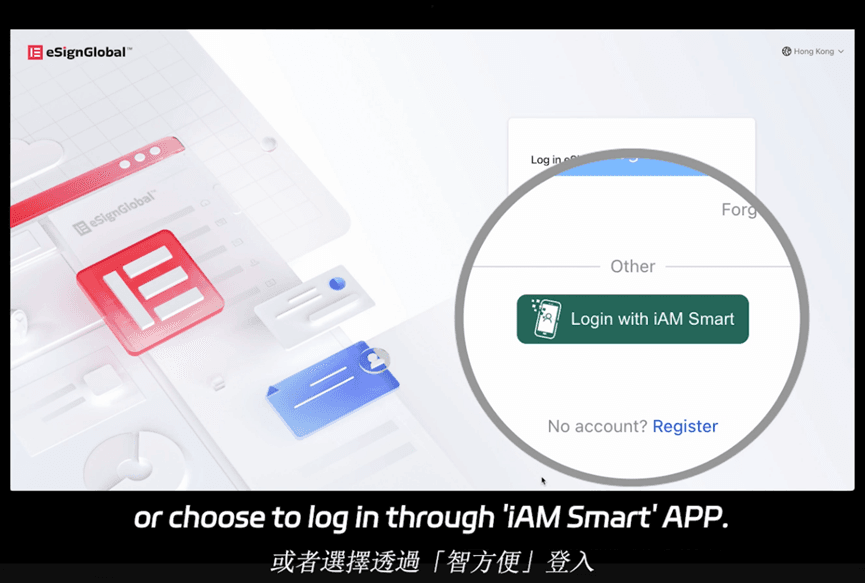
eSignGlobal memposisikan dirinya sebagai solusi tanda tangan elektronik yang sesuai, mendukung lebih dari 100 negara dan wilayah utama, dengan penekanan pada kekuatan Asia Pasifik seperti kecepatan yang dioptimalkan di Tiongkok, Hong Kong, dan Asia Tenggara. Paket Essential-nya, yang dirinci di halaman harga, hanya dengan $16,60 per bulan—lebih murah daripada banyak pesaing untuk volume serupa—memungkinkan hingga 100 dokumen untuk ditandatangani secara elektronik, kursi pengguna tak terbatas, dan verifikasi melalui kode akses. Pengaturan ini memberikan efektivitas biaya tinggi berdasarkan kepatuhan, mengintegrasikan iAM Smart Hong Kong dan Singpass Singapura dengan mulus untuk keamanan regional yang ditingkatkan tanpa biaya tambahan.
Pesaing Lain di Bidang Ini
Alat seperti HelloSign (sekarang Dropbox Sign) menawarkan antarmuka sederhana dengan harga $15 per bulan untuk Basic, cocok untuk bisnis menengah dengan kebutuhan sedang. DocuSeal menawarkan fleksibilitas sumber terbuka untuk pengguna yang paham teknologi, seringkali kurang dari $20 per bulan, tetapi kepatuhannya kurang mapan. PandaDoc berfokus pada proposal dengan tanda tangan elektronik, mulai dari sekitar $19 per bulan, secara efektif menggabungkan alat penjualan.
Pemikiran Akhir tentang Pilihan Terjangkau
Singkatnya, cara termurah untuk menggunakan DocuSign adalah dengan memanfaatkan paket Personal untuk kebutuhan volume rendah dan melengkapinya dengan optimalisasi penggunaan. Untuk alternatif yang lebih luas, menjelajahi opsi terintegrasi seperti Adobe Sign atau eSignGlobal sebagai alternatif DocuSign yang sesuai secara regional—terutama di Asia Pasifik—dapat memberikan nilai yang lebih baik tanpa mengorbankan fungsionalitas. Bisnis harus mengevaluasi persyaratan kepatuhan dan volume khusus untuk memilih yang paling sesuai.
