
'%3e%3cpath%20fill-rule='evenodd'%20clip-rule='evenodd'%20d='M6.99935%2012.8327C10.221%2012.8327%2012.8327%2010.221%2012.8327%206.99935C12.8327%203.77769%2010.221%201.16602%206.99935%201.16602C3.77769%201.16602%201.16602%203.77769%201.16602%206.99935C1.16602%2010.221%203.77769%2012.8327%206.99935%2012.8327Z'%20stroke='%23666666'%20stroke-linecap='round'%20stroke-linejoin='round'/%3e%3cpath%20d='M1.16602%207H12.8327'%20stroke='%23666666'%20stroke-linecap='round'%20stroke-linejoin='round'/%3e%3cpath%20fill-rule='evenodd'%20clip-rule='evenodd'%20d='M6.99935%2012.8327C8.28802%2012.8327%209.33268%2010.221%209.33268%206.99935C9.33268%203.77769%208.28802%201.16602%206.99935%201.16602C5.71068%201.16602%204.66602%203.77769%204.66602%206.99935C4.66602%2010.221%205.71068%2012.8327%206.99935%2012.8327Z'%20stroke='%23666666'%20stroke-linecap='round'%20stroke-linejoin='round'/%3e%3cpath%20d='M2.875%202.95898C3.93063%204.01461%205.38896%204.66754%206.99978%204.66754C8.61062%204.66754%2010.069%204.01461%2011.1246%202.95898'%20stroke='%23666666'%20stroke-linecap='round'%20stroke-linejoin='round'/%3e%3cpath%20d='M11.1246%2011.0425C10.069%209.98691%208.61062%209.33398%206.99978%209.33398C5.38896%209.33398%203.93063%209.98691%202.875%2011.0425'%20stroke='%23666666'%20stroke-linecap='round'%20stroke-linejoin='round'/%3e%3c/g%3e%3cdefs%3e%3cclipPath%20id='clip0_1267_9109'%3e%3crect%20width='14'%20height='14'%20fill='white'/%3e%3c/clipPath%3e%3c/defs%3e%3c/svg%3e)


Tarifs de DocuSign pour les freelances


Comprendre les coûts de DocuSign pour les freelances
Les freelances s'appuient souvent sur des outils efficaces pour gérer les contrats et les accords avec les clients sans les frais généraux des logiciels d'entreprise complexes. DocuSign, en tant que plateforme de signature électronique de premier plan, propose des plans adaptés aux utilisateurs individuels, ce qui en fait un choix populaire pour les professionnels indépendants. Cependant, il est essentiel de comprendre sa structure de prix, car les coûts varient en fonction de l'utilisation, des fonctionnalités et du cycle de facturation. Dans cette analyse, nous allons décomposer les options de DocuSign pour les freelances, en mettant l'accent sur l'accessibilité financière, les limitations et la valeur sur un marché concurrentiel.
Décomposition des prix de DocuSign pour les freelances
Pour les freelances, le plan d'entrée de gamme de DocuSign est conçu pour gérer les besoins de signature à faible volume sans les fonctionnalités d'équipe. L'offre principale est le plan Personal, facturé 10 $ par mois avec une facturation annuelle (120 $ par an). Ce niveau prend en charge un seul utilisateur et autorise jusqu'à 5 enveloppes par mois - chaque enveloppe pouvant contenir plusieurs documents et signataires, ce qui convient à l'envoi occasionnel de contrats tels que des propositions de freelance ou des accords de confidentialité.
Les fonctionnalités clés du plan Personal incluent la création de modèles de base pour standardiser les documents, l'intégration avec le stockage cloud comme Google Drive ou Dropbox, et le suivi en temps réel de la progression des signatures avec des pistes d'audit. Il est bien adapté aux freelances dans des domaines tels que le conseil, la conception graphique ou la rédaction, où la fréquence des signatures est faible - peut-être seulement quelques accords clients par trimestre. Cependant, le dépassement de la limite de 5 enveloppes entraîne des frais supplémentaires, généralement d'environ 1 à 2 $ par enveloppe supplémentaire, ce qui peut s'accumuler pendant les périodes chargées.
La mise à niveau vers le plan Standard, à 25 $ par utilisateur et par mois (facturé annuellement à 300 $ par an), introduit des outils de collaboration d'équipe tels que des modèles partagés, des commentaires et des rappels. Bien que les freelances n'aient pas besoin d'un accès multi-utilisateurs, ce plan augmente la limite d'enveloppes à environ 100 par an par utilisateur (ou 10 par mois avec une facturation mensuelle), ce qui convient aux utilisateurs qui développent leur activité. Les fonctionnalités d'automatisation restent limitées dans tous les plans - environ 10 envois automatisés par mois - même les niveaux supérieurs n'autorisent pas les opérations en masse illimitées.
Pour des besoins plus avancés, tels que les champs conditionnels dans les contrats ou la collecte de paiements, le plan Business Pro coûte 40 $ par utilisateur et par mois (480 $ par an), avec un quota d'enveloppes similaire. Les freelances qui traitent des formulaires Web ou des pièces jointes de signataires (comme demander aux clients de télécharger) peuvent trouver ce plan intéressant, mais le saut de prix peut peser sur un budget individuel à moins que le volume ne justifie sa valeur.
Les fonctionnalités supplémentaires ont un impact supplémentaire sur les coûts. La livraison de notifications SMS entraîne des frais par message (généralement de 0,10 à 0,50 $ selon la région), tandis que l'authentification d'identité (IDV) pour les contrats à haut risque (tels que les accords financiers) est facturée à l'utilisation, potentiellement de 1 à 5 $ par utilisation. Si l'intégration de DocuSign dans les outils de freelance (tels que les logiciels de facturation) est envisagée, l'accès à l'API commence à 600 $ par an pour le plan Starter avec 40 enveloppes par mois - trop redondant pour la plupart des utilisateurs individuels.
D'un point de vue commercial, la tarification de DocuSign met l'accent sur les licences basées sur les sièges et l'utilisation des enveloppes, ce qui s'aligne sur la charge de travail variable des freelances, mais les engagements annuels permettent d'économiser jusqu'à 20 % par rapport à la facturation mensuelle. Dans des régions comme les États-Unis, où les signatures électroniques sont régies par l'ESIGN Act et l'UETA pour garantir la validité juridique, la conformité de DocuSign garantit que les contrats tiennent devant les tribunaux. Cependant, pour les freelances internationaux, en particulier en Asie-Pacifique, les frais supplémentaires liés aux retards transfrontaliers et à la résidence des données peuvent augmenter les coûts effectifs de 10 à 20 %, comme le montrent les analyses régionales.
Dans l'ensemble, pour un freelance typique qui envoie 3 à 5 documents par mois, le plan Personal offre une valeur solide à un coût équivalent inférieur à 10 $ par mois, mais l'augmentation au-delà de ce seuil augmente rapidement les dépenses. Les utilisateurs soucieux de leur budget doivent d'abord vérifier leur volume de signatures pour éviter les surprises.
Comparaison de DocuSign avec ses concurrents : un aperçu neutre
Bien que DocuSign domine le marché de la signature électronique, les freelances bénéficient de l'évaluation des alternatives en termes de coût, de fonctionnalités et d'adaptation régionale. Les concurrents tels qu'Adobe Sign, eSignGlobal, ainsi que d'autres comme HelloSign (maintenant Dropbox Sign) ou PandaDoc, offrent différents degrés d'équilibre entre l'accessibilité financière et les fonctionnalités. Voici un tableau comparatif Markdown mettant en évidence les aspects clés pour les freelances, basé sur les données de prix publiques de 2025 (facturation annuelle, USD ; susceptibles de changer).
| Fonctionnalité/Aspect | DocuSign (Personal/Standard) | Adobe Sign (Individual/Teams) | eSignGlobal (Essential/Pro) | Dropbox Sign (Essentials) | PandaDoc (Free/Paid) |
|---|---|---|---|---|---|
| Prix de départ (équivalent mensuel) | 10 $ (Personal) / 25 $ (Standard) | 10 $ (Individual) / 25 $ (Teams) | 16,60 $ (Essential) / 33 $ (Pro) | 15 $ (Essentials) | Gratuit (limité) / 19 $ (Essentials) |
| Limites d'enveloppes/documents | 5/mois (Personal) ; 100/an (Standard) | Illimité (mais comptage des dépassements) | Jusqu'à 100/mois (Essential) ; Illimité (Pro) | 5/mois (niveau gratuit) ; Illimité avec abonnement | Modèles illimités ; 100 documents/mois avec abonnement |
| Nombre d'utilisateurs | 1 (Personal) ; Jusqu'à 50 (Standard) | 1 (Individual) ; Illimité (Teams) | Illimité (tous les plans) | 1 (Essentials) | Illimité (avec abonnement) |
| Fonctionnalités clés pour les freelances | Modèles, intégrations de base, pistes d'audit | Édition de PDF, signatures mobiles, écosystème Adobe | Vérification du code d'accès, conformité régionale, intégrations (comme Singpass) | Flux de travail simples, intégration Dropbox | Création de propositions, collecte de paiements |
| Fonctionnalités supplémentaires (ex. SMS/IDV) | Comptage (0,10 $+/message ; 1-5 $/IDV) | Inclus dans les niveaux supérieurs ; IDV avancé en supplément | SMS à faible coût ; IDV APAC intégré | SMS de base ; pas d'IDV avancé | Intégration de paiement en supplément |
| Conformité (accent mondial/APAC) | Solide aux États-Unis/UE ; défis APAC (latence, frais supplémentaires) | Conformité ESIGN/UETA ; prise en charge native limitée de l'APAC | Conformité dans plus de 100 pays ; Optimisé pour l'APAC (ex. intégrations HK/SG) | Mondial de base ; Accent mis sur les États-Unis | Bon pour les documents de vente ; International variable |
| Accès API | 600 $/an Starter (40 enveloppes/mois) | Inclus dans Teams ; Personnalisation pour les développeurs | Flexible, entrée de gamme plus basse (200 $+/an) | API de base avec abonnement | Automatisation solide |
| Idéal pour les freelances | Utilisateurs américains à faible volume | Utilisateurs Adobe qui ont besoin d'outils PDF | Freelances APAC/internationaux à la recherche de valeur | Signatures rapides et simples | Créateurs de contenu de propositions |
| Inconvénients | Limites d'enveloppes ; Coûts plus élevés en APAC | Courbe d'apprentissage abrupte | Moins de notoriété de la marque en dehors de l'APAC | Logique avancée limitée | Plus axé sur les ventes que sur la signature pure |
Ce tableau souligne la fiabilité de DocuSign pour les besoins simples, mais met en évidence la façon dont les concurrents résolvent les problèmes tels que l'utilisation illimitée ou la conformité régionale à des coûts similaires ou inférieurs.
DocuSign : avantages et limites pour les utilisateurs individuels
DocuSign excelle en matière de signatures sécurisées et juridiquement contraignantes, dotées de pistes d'audit robustes, ce qui en fait un choix de premier ordre pour les freelances dans les secteurs réglementés tels que le droit ou l'immobilier. Son interface est intuitive et l'intégration avec des outils tels que Salesforce ou Microsoft Office rationalise les flux de travail. Cependant, les limites d'enveloppes et les frais supplémentaires peuvent le rendre moins économique pour les freelances en pleine croissance, en particulier ceux qui opèrent à l'international.

Adobe Sign : une alternative axée sur le PDF
Adobe Sign s'intègre de manière transparente à l'écosystème Adobe, ce qui plaît aux freelances qui travaillent fréquemment avec des PDF. Le plan Individual commence à 10 $ par mois et offre des enveloppes illimitées, mais facture des frais par enveloppe après le quota de base. Les fonctionnalités telles que l'édition dans le document et l'optimisation mobile sont solides, bien que l'authentification d'identité avancée nécessite une mise à niveau vers Teams (25 $+ par mois). Pour les freelances américains, il est conforme à ESIGN et UETA, mais les utilisateurs APAC peuvent rencontrer des obstacles d'intégration similaires à ceux de DocuSign.

eSignGlobal : valeur régionale et couverture mondiale
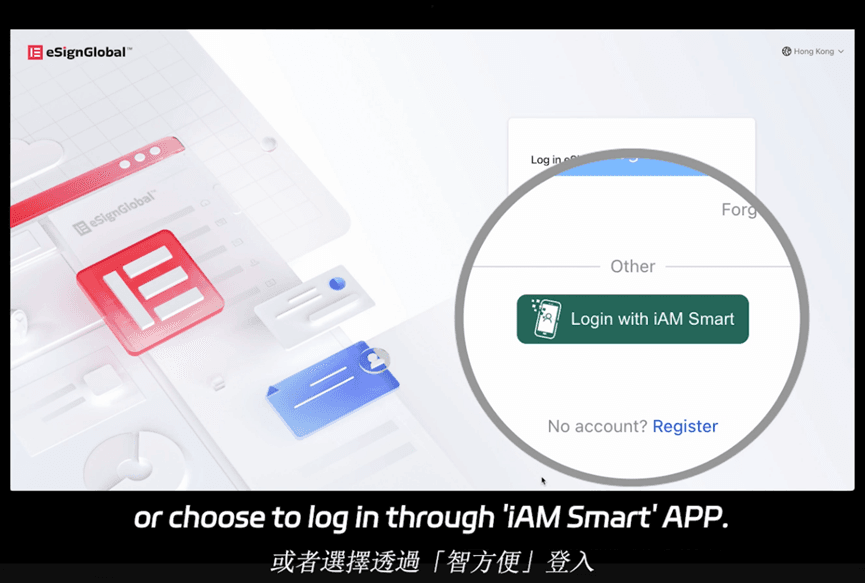
eSignGlobal se positionne comme une option conforme et rentable, en particulier pour les freelances en Asie-Pacifique et au-delà. Il prend en charge les signatures électroniques dans plus de 100 pays principaux, garantissant la validité juridique en vertu des lois locales (telles que la loi ETA de Singapour ou l'ordonnance sur les transactions électroniques de Hong Kong). En Asie-Pacifique, il offre des avantages tels qu'une vitesse optimisée, une latence plus faible et une intégration transparente avec les systèmes d'identification gouvernementaux (tels que iAM Smart de Hong Kong et Singpass de Singapour), réduisant ainsi les frictions de conformité pour le travail transfrontalier.
La tarification est compétitive : le plan Essential coûte 16,60 $ par mois avec une facturation annuelle, permettant jusqu'à 100 documents signés, un nombre illimité d'utilisateurs (utile pour les collaborateurs) et une vérification via des codes d'accès pour une authentification sécurisée et simple. Cette configuration offre un rapport coût-efficacité élevé sur une base de conformité, souvent moins cher que les offres équivalentes de DocuSign, sans limite d'enveloppes au niveau de base. Pour un plan détaillé, consultez la page de tarification d'eSignGlobal. Bien qu'il puisse manquer de la renommée mondiale de la marque DocuSign, sa flexibilité convient aux freelances internationaux qui privilégient l'accessibilité financière et le support régional.
Bref aperçu des autres concurrents
Dropbox Sign (anciennement HelloSign) propose un plan simple à 15 $ par mois avec des enveloppes illimitées avec abonnement, adapté à une intégration rapide mais manquant de logique avancée. PandaDoc, à 19 $ par mois, se distingue parmi les freelances qui regroupent les propositions et les signatures, bien qu'il soit plus axé sur les ventes. Chaque option répond à des créneaux où la structure de DocuSign peut sembler restrictive.
Réflexions finales : choisir le bon plan
Pour la plupart des freelances, le plan Personal de DocuSign offre une valeur solide à un faible coût d'entrée, mais il est nécessaire d'évaluer l'utilisation et les besoins spécifiques à l'emplacement. En tant qu'alternative neutre qui met l'accent sur la conformité régionale, eSignGlobal se distingue par des fonctionnalités similaires à celles de DocuSign pour les utilisateurs de l'APAC, avec une meilleure accessibilité financière.
