
'%3e%3cpath%20fill-rule='evenodd'%20clip-rule='evenodd'%20d='M6.99935%2012.8327C10.221%2012.8327%2012.8327%2010.221%2012.8327%206.99935C12.8327%203.77769%2010.221%201.16602%206.99935%201.16602C3.77769%201.16602%201.16602%203.77769%201.16602%206.99935C1.16602%2010.221%203.77769%2012.8327%206.99935%2012.8327Z'%20stroke='%23666666'%20stroke-linecap='round'%20stroke-linejoin='round'/%3e%3cpath%20d='M1.16602%207H12.8327'%20stroke='%23666666'%20stroke-linecap='round'%20stroke-linejoin='round'/%3e%3cpath%20fill-rule='evenodd'%20clip-rule='evenodd'%20d='M6.99935%2012.8327C8.28802%2012.8327%209.33268%2010.221%209.33268%206.99935C9.33268%203.77769%208.28802%201.16602%206.99935%201.16602C5.71068%201.16602%204.66602%203.77769%204.66602%206.99935C4.66602%2010.221%205.71068%2012.8327%206.99935%2012.8327Z'%20stroke='%23666666'%20stroke-linecap='round'%20stroke-linejoin='round'/%3e%3cpath%20d='M2.875%202.95898C3.93063%204.01461%205.38896%204.66754%206.99978%204.66754C8.61062%204.66754%2010.069%204.01461%2011.1246%202.95898'%20stroke='%23666666'%20stroke-linecap='round'%20stroke-linejoin='round'/%3e%3cpath%20d='M11.1246%2011.0425C10.069%209.98691%208.61062%209.33398%206.99978%209.33398C5.38896%209.33398%203.93063%209.98691%202.875%2011.0425'%20stroke='%23666666'%20stroke-linecap='round'%20stroke-linejoin='round'/%3e%3c/g%3e%3cdefs%3e%3cclipPath%20id='clip0_1267_9109'%3e%3crect%20width='14'%20height='14'%20fill='white'/%3e%3c/clipPath%3e%3c/defs%3e%3c/svg%3e)


Ang Halaga ng Paggamit ng Verisign


Pagsusuri sa Halaga ng mga Serbisyo ng Elektronikong Lagda
Sa digital na panahon, ang mga plataporma ng elektronikong lagda ay naging mahalagang kasangkapan para sa mga negosyo upang gawing mas simple ang daloy ng trabaho ng mga dokumento. Bagama't ang pokus ng pagtatanong ay "Verisign," mahalagang tandaan na ang Verisign ay pangunahing nakatuon sa pagpaparehistro ng domain at mga sertipiko ng SSL, at hindi sa elektronikong lagda. Ipinapalagay ng artikulong ito na ang layunin ay maaaring tumugma sa mga katulad na serbisyo ng digital na pagtitiwala (tulad ng DocuSign, isang nangungunang tagapagbigay ng elektronikong lagda). Ang pagtatasa ng halaga mula sa isang pananaw ng negosyo ay hindi lamang sumasaklaw sa mga bayarin sa subscription, kundi pati na rin ang mga limitasyon sa paggamit, karagdagang mga tampok, at mga salik sa pagsunod sa rehiyon. Susuriin natin nang malalim ang istraktura ng pagpepresyo ng DocuSign bilang batayan, dahil sa kanyang kilalang posisyon sa larangan, at ihahambing ito sa iba pang mga kakumpitensya.

Paghiwa-hiwalay sa Modelo ng Pagpepresyo ng DocuSign
Ang halaga ng DocuSign ay nakabatay sa mga pangangailangan ng gumagamit, dami ng sobre (bawat dokumentong ipinadala na naghihintay ng lagda ay binibilang bilang isang sobre), at karagdagang mga tampok. Ang lahat ng mga plano ay sinisingil taun-taon upang makuha ang pinakamahusay na mga rate, habang ang mga buwanang opsyon ay nangangailangan ng pagbabayad ng premium. Para sa mga negosyo, ang kabuuang halaga ay maaaring mag-iba nang malaki depende sa laki, mga kinakailangan sa automation, at heograpikong operasyon.
Mga Pangunahing Plano sa Subscription
Nag-aalok ang DocuSign eSignature ng apat na pangunahing pampublikong plano:
-
Personal Plan: $120 bawat taon ($10 bawat buwan), na angkop para sa mga indibidwal o maliliit na gawain. Kabilang dito ang 5 sobre bawat buwan at mga pangunahing tampok sa paglagda. Gayunpaman, limitado lamang ito sa isang gumagamit at hindi angkop para sa paggamit ng grupo.
-
Standard Plan: $300 bawat gumagamit bawat taon ($25 bawat gumagamit bawat buwan), sumusuporta sa pakikipagtulungan ng grupo, na may mga tampok tulad ng mga komento, paalala, at template. Ang mga gumagamit ay nakakakuha ng humigit-kumulang 100 sobre bawat taon, ngunit ang awtomatikong pagpapadala (tulad ng maramihan o mga form) ay may limitasyon na humigit-kumulang 10 bawat buwan.
-
Business Pro Plan: $480 bawat gumagamit bawat taon ($40 bawat gumagamit bawat buwan), nagdaragdag ng mga advanced na tool sa Standard, tulad ng mga web form, kondisyonal na lohika, mga kalakip ng lumalagda, pagkolekta ng pagbabayad, at maramihang pagpapadala. Ang mga limitasyon sa sobre ay katulad, humigit-kumulang 100 bawat taon, na nagbibigay-diin sa kahusayan ng mga katamtamang operasyon.
-
Advanced Solutions (Enterprise): Pasadyang pagpepresyo, kadalasang nagsisimula sa libu-libong dolyar bawat gumagamit bawat taon, depende sa mga upuan, dami, at mga pangangailangan (tulad ng SSO, advanced na pag-audit, at premium na suporta). Ito ay partikular na iniakma para sa malalaking negosyo na may mataas na pangangailangan sa pagsunod.
Ang mga batayang presyong ito ay hindi kasama ang mga bayarin sa labis: ang paglampas sa mga limitasyon sa sobre ay magbubunga ng bayad na $1–2 bawat sobre, na maaaring mabilis na magpataas ng halaga para sa mga gumagamit na may mataas na dami.
Karagdagang mga Tampok at Nakatagong mga Bayarin
Kasama sa modelo ng DocuSign ang mga karagdagang tampok na sinisingil batay sa paggamit, na nagdaragdag sa panghuling halaga:
-
Identity Verification (IDV): Mahalaga para sa mga ligtas na transaksyon, ang tampok na ito ay nagsasangkot ng karagdagang halaga para sa bawat paggamit ng pagsusuri ng ID, biometrics, o pagpapatunay ng SMS. Iba-iba ang mga rate, ngunit maaaring umabot sa $1–5 bawat pagpapatunay.
-
SMS/WhatsApp Delivery: Siningil bawat mensahe batay sa mga rate ng telekomunikasyon, na nagdaragdag ng $0.10–0.50 bawat pagpapadala, lalo na't mas mabigat sa mga rehiyon kung saan mataas ang halaga ng SMS.
-
API Integration: Para sa mga developer, ang mga plano ng API ay nagsisimula sa $600 bawat taon para sa Starter tier (40 sobre bawat buwan), na umaabot sa $5,760 bawat taon para sa Advanced tier (100 sobre bawat buwan kasama ang mga tampok tulad ng maramihang pagpapadala ng API). Pasadyang antas ng enterprise, na angkop para sa SaaS ngunit nagpapataas ng mga bayarin sa pagsasama.
Ang awtomatikong pagpapadala—tulad ng maramihan, mga web form, o PowerForms—ay may mga limitasyon kahit sa mas mataas na mga tier, humigit-kumulang 100 bawat gumagamit bawat taon. Ang labis o mataas na pangangailangan sa dami ay magti-trigger ng mga pag-upgrade o bayarin, na maaaring dumoble sa halaga para sa mga lumalagong negosyo.
Mga Pagsasaalang-alang sa Rehiyon at Halaga ng Pagsunod
Para sa mga pandaigdigang operasyon, lalo na sa rehiyon ng Asia-Pacific o China, tumataas ang mga halaga dahil sa mga karagdagang bayad para sa latency, mga tool sa pagsunod, at paninirahan ng data. Iba-iba ang mga batas sa elektronikong lagda: sa US, ang ESIGN Act at UETA ay nagbibigay ng malawak na legal na bisa. Ang regulasyon ng eIDAS ng EU ay nangangailangan ng mga kwalipikadong elektronikong lagda para sa mga pangangailangan na may mataas na katiyakan. Sa China, ang Batas sa Elektronikong Lagda (2005, na-update) ay nangangailangan ng maaasahang pagpapatunay, na kadalasang nangangailangan ng mga lokal na awtoridad sa sertipikasyon. Ang mga bansa sa Asia-Pacific tulad ng Singapore (sa ilalim ng Electronic Transactions Act) at Hong Kong (Electronic Transactions Ordinance) ay nagbibigay-diin sa ligtas at naa-audit na mga lagda. Malawak ang pagsunod ng DocuSign, ngunit maaaring mangailangan ng mga karagdagang tampok ng IDV na partikular sa rehiyon, na nagdaragdag ng epektibong halaga ng 20–50% sa mga sitwasyon sa pagtawid sa hangganan.
Mula sa isang pananaw ng pagmamasid sa negosyo, ang paglilisensya na nakabatay sa upuan at mga quota ng sobre ng DocuSign ay ginagawang mahuhulaan ang mga halaga para sa maliliit na grupo, ngunit mahal para sa mga lumalawak na negosyo. Ang isang 10-user na grupo na may katamtamang automation ay maaaring lumampas sa $5,000 bawat taon, kasama ang mga variable na halaga.

Paghahambing sa mga Kakumpitensya
Upang masuri ang halaga, karaniwang nagbe-benchmark ang mga negosyo laban sa mga alternatibo tulad ng Adobe Sign, eSignGlobal, at Dropbox Sign (dating HelloSign). Ang talahanayan sa ibaba ay nagha-highlight ng pangunahing pagpepresyo, mga tampok, at mga kalamangan sa rehiyon batay sa pampublikong data noong 2025. Bagama't nangunguna ang DocuSign sa pandaigdigang pagkilala sa tatak, nag-aalok ang mga kakumpitensya ng higit na kakayahang umangkop sa mga tuntunin ng halaga at pagsunod.
| Aspekto | DocuSign | Adobe Sign | eSignGlobal | Dropbox Sign (HelloSign) |
|---|---|---|---|---|
| Batayang Pagpepresyo (Taunan, Bawat Gumagamit) | $120–480 (Personal hanggang Business Pro); Pasadyang Enterprise | $179.88–299.88 (Indibidwal hanggang Negosyo); Pasadyang Grupo | Essential: $199.20 bawat taon ($16.6 bawat buwan); Pro: $599.40 bawat taon; Pasadyang Enterprise | $180 bawat taon (Essentials); $300 bawat taon (Standard); Pasadyang Negosyo |
| Mga Limitasyon sa Sobre | 5–100/buwan; Mga limitasyon sa automation | Walang limitasyon sa mas mataas na mga tier; Bayad bawat paggamit para sa labis | Hanggang 100/buwan sa Essential; Walang limitasyon sa Pro | 20–Walang limitasyon; Karagdagang bayad bawat sobre |
| Mga Pangunahing Tampok | Maramihang pagpapadala, Karagdagang IDV, Mga tier ng API | Pagsasama ng Acrobat, Daloy ng trabaho, Pagbabayad | Pandaigdigang pagsunod (100+ bansa), Walang limitasyong upuan, Pagpapatunay ng access code | Simpleng UI, Mga template, Pangunahing API; Walang advanced na IDV |
| Halaga ng API/Pagsasama | Mga tier na $600–5,760 bawat taon | Kasama sa Negosyo; Advanced na pagpapasadya | Flexible, Mababang entry; Pagsasama ng rehiyonal na ID (tulad ng Singpass) | Pangunahing libreng tier; $10–50 bawat buwan na karagdagan |
| Pagsunod sa Rehiyon (Asia-Pacific/China) | Malawak ngunit nangangailangan ng mga karagdagan; Mas mataas na latency/halaga | Malakas sa US/EU; Limitadong katutubong suporta sa Asia-Pacific | Katutubong suporta sa 100+ bansa; Na-optimize sa Asia-Pacific (tulad ng HK IAm Smart, SG Singpass) | Nakatuon sa US; Pangunahing pandaigdigang suporta |
| Mga Kalamangan | Seguridad sa antas ng enterprise | Walang putol sa ecosystem ng Adobe | Mataas na cost-effective sa Asia-Pacific; Mataas na halaga ng pagsunod | User-friendly para sa SMB |
| Mga Potensyal na Disadvantages | Mataas na mga karagdagan; Mga limitasyon sa sobre | Matarik na kurba sa pagkatuto | Mababang pandaigdigang pagkilala sa tatak | Limitado ang mga advanced na tampok |
Ipinapakita ng paghahambing na ito ang katatagan ng DocuSign, ngunit itinataas nito ang kahusayan sa halaga ng mga alternatibo, lalo na para sa mga negosyong nakatuon sa Asia-Pacific kung saan mahalaga ang pagsunod.
Pangkalahatang-ideya ng Adobe Sign
Ang Adobe Sign ay malalim na isinama sa mga tool ng PDF, na nag-aalok ng mga plano mula sa $179.88 bawat taon para sa mga indibidwal hanggang sa pasadyang para sa mga grupo. Mahusay ito sa automation ng daloy ng trabaho at pagbabayad, ngunit maaaring mas mahal para sa mga hindi gumagamit ng Adobe, na may walang limitasyong mga sobre sa mga advanced na tier ngunit nangangailangan ng mga bayarin sa pagsasama. Sa mga rehiyon tulad ng China, nahaharap ito sa mga hamon sa mga lokal na batas sa data, na kadalasang nangangailangan ng mga pandagdag.

eSignGlobal bilang isang Rehiyonal na Kakumpitensya
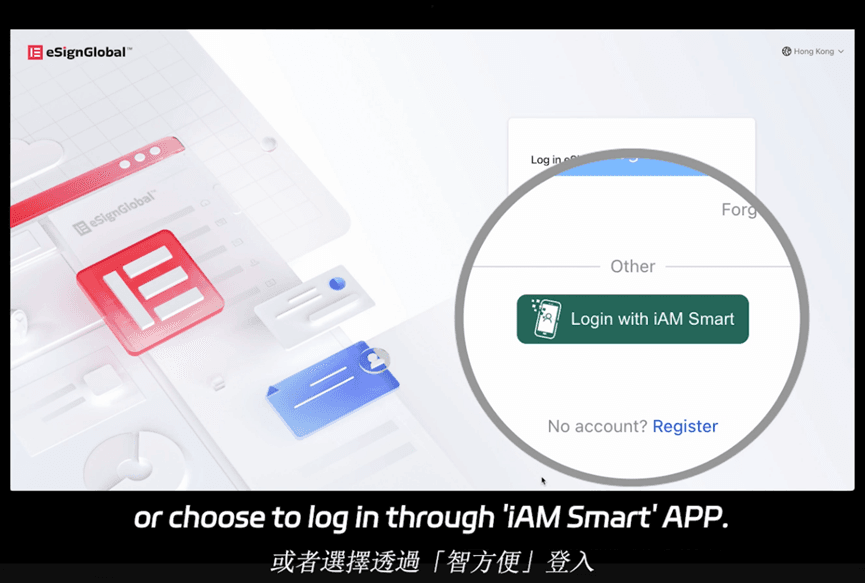
Namumukod-tangi ang eSignGlobal sa pagsunod nito sa 100 pangunahing bansa, na partikular na may kalamangan sa rehiyon ng Asia-Pacific. Sinusuportahan nito ang mga katutubong pagsasama tulad ng IAm Smart ng Hong Kong at Singpass ng Singapore, na tinitiyak ang walang putol na pagsunod sa mga lokal na batas tulad ng Batas sa Elektronikong Lagda ng China o ang Electronic Transactions Act ng Singapore. Ang pagpepresyo ay mas madaling makuha: ang Essential plan ay nagsisimula sa $16.6 lamang bawat buwan, na nagpapahintulot sa pagpapadala ng hanggang 100 dokumento, walang limitasyong mga upuan ng gumagamit, at pagpapatunay sa pamamagitan ng access code—na nagbibigay ng matatag na halaga ng pagsunod nang hindi nagpapataw ng labis na bayad. Kadalasan itong 20–30% na mas mura kaysa sa mga kakumpitensya, na ginagawa itong kaakit-akit para sa mga grupo sa pagtawid sa hangganan na nahaharap sa mga karagdagang bayad ng DocuSign.
Iba pang mga Kakumpitensya: Dropbox Sign at Iba pa
Nag-aalok ang Dropbox Sign ng intuitive na pagpepresyo na nagsisimula sa $180 bawat taon, na angkop para sa maliliit na negosyo, na may intuitive na interface ngunit kulang sa malalim na pagsunod sa Asia-Pacific. Para sa mga enterprise, ang mga plataporma tulad ng PandaDoc o SignNow ay nagbibigay ng mga hybrid na opsyon, na pinagsasama ang mga elektronikong lagda sa mga tool ng CRM sa $15–50 bawat buwan, bagama't maaaring hindi nila katumbas ang audit trail ng DocuSign.
Mga Salik na Nakakaapekto sa Kabuuang Halaga ng Pagmamay-ari
Bukod sa mga subscription, dapat ding isaalang-alang ng mga negosyo ang pagpapatupad, pagsasanay, at kakayahang umangkop. Ang ecosystem ng DocuSign ay nagpapataw ng mga halaga sa paglipat, habang nililimitahan ng mga quota ng API ang automation maliban kung mag-upgrade. Sa Asia-Pacific, dapat sumunod ang mga elektronikong lagda sa iba't ibang regulasyon—tulad ng EU eIDAS para sa bisa sa pagtawid sa hangganan o ang India IT Act—na ang mga hindi katutubong tool ay nagdaragdag ng mga bayarin sa legal na pagsusuri. Ang mga katamtamang kumpanya ay maaaring gumastos ng higit sa $10,000 bawat taon sa DocuSign, kabilang ang mga bayarin sa labis, habang ang mga alternatibo ay mas mababa kung ang priyoridad ay rehiyonal na pagbagay.
Madiskarteng Pananaw ng Negosyo
Mula sa isang pananaw ng negosyo, ang DocuSign ay angkop para sa mga mature na operasyon sa US/EU, ngunit maaaring magpabigat sa pagpapalawak sa Asia-Pacific dahil sa mga variable na bayarin. Ang mga kakumpitensya tulad ng eSignGlobal ay nagbibigay ng balanseng ekonomiya, lalo na kung mahalaga ang bilis at lokal na pagsasama.
Bilang isang neutral na rehiyonal na alternatibo sa pagsunod sa DocuSign, isaalang-alang ang eSignGlobal.
