
'%3e%3cpath%20fill-rule='evenodd'%20clip-rule='evenodd'%20d='M6.99935%2012.8327C10.221%2012.8327%2012.8327%2010.221%2012.8327%206.99935C12.8327%203.77769%2010.221%201.16602%206.99935%201.16602C3.77769%201.16602%201.16602%203.77769%201.16602%206.99935C1.16602%2010.221%203.77769%2012.8327%206.99935%2012.8327Z'%20stroke='%23666666'%20stroke-linecap='round'%20stroke-linejoin='round'/%3e%3cpath%20d='M1.16602%207H12.8327'%20stroke='%23666666'%20stroke-linecap='round'%20stroke-linejoin='round'/%3e%3cpath%20fill-rule='evenodd'%20clip-rule='evenodd'%20d='M6.99935%2012.8327C8.28802%2012.8327%209.33268%2010.221%209.33268%206.99935C9.33268%203.77769%208.28802%201.16602%206.99935%201.16602C5.71068%201.16602%204.66602%203.77769%204.66602%206.99935C4.66602%2010.221%205.71068%2012.8327%206.99935%2012.8327Z'%20stroke='%23666666'%20stroke-linecap='round'%20stroke-linejoin='round'/%3e%3cpath%20d='M2.875%202.95898C3.93063%204.01461%205.38896%204.66754%206.99978%204.66754C8.61062%204.66754%2010.069%204.01461%2011.1246%202.95898'%20stroke='%23666666'%20stroke-linecap='round'%20stroke-linejoin='round'/%3e%3cpath%20d='M11.1246%2011.0425C10.069%209.98691%208.61062%209.33398%206.99978%209.33398C5.38896%209.33398%203.93063%209.98691%202.875%2011.0425'%20stroke='%23666666'%20stroke-linecap='round'%20stroke-linejoin='round'/%3e%3c/g%3e%3cdefs%3e%3cclipPath%20id='clip0_1267_9109'%3e%3crect%20width='14'%20height='14'%20fill='white'/%3e%3c/clipPath%3e%3c/defs%3e%3c/svg%3e)


Mga Bayarin sa Smallpdf eSign


Detalyadong Pagsusuri sa Halaga ng Smallpdf eSign sa 2025
Sa patuloy na pag-unlad ng digital na pamamahala ng dokumento, ang mga tool sa elektronikong lagda (eSign) tulad ng Smallpdf ay naging mahalaga para sa mga negosyo upang gawing mas simple ang kanilang mga daloy ng trabaho. Bilang isang tanyag na plataporma na kilala sa madaling gamiting mga tampok sa pag-edit at paglagda ng PDF, ang eSign functionality ng Smallpdf ay isang pangunahing produkto nito, na tumutulong sa mga user na ligtas na lumagda, magpadala, at subaybayan ang mga dokumento. Gayunpaman, ang pag-unawa sa mga gastos nito ay mahalaga para sa maliliit na team at negosyo upang masuri ang halaga kumpara sa mga pangangailangan. Sinusuri ng artikulong ito ang istraktura ng pagpepresyo, mga limitasyon sa paggamit, at mga nakatagong salik ng Smallpdf eSign, na nagbibigay ng mga pananaw mula sa isang neutral na pananaw ng negosyo kung ito ay naaayon sa laki ng iyong operasyon.
Gumagamit ang Smallpdf ng isang freemium model, na ginagawa itong madaling ma-access para sa mga casual user habang napapalawak upang matugunan ang mga propesyonal na pangangailangan. Pinapayagan ng libreng tier ang mga pangunahing eSign function, tulad ng paglagda sa iyong sariling mga PDF o simpleng pagbabahagi ng dokumento, ngunit limitado sa mga hindi nagbubuklod na lagda at kulang sa advanced na pagsubaybay o suporta sa maraming lumalagda. Para sa mga negosyong nangangailangan ng legal na nagbubuklod na mga elektronikong lagda na sumusunod sa mga pamantayan tulad ng eIDAS o ESIGN Act, kinakailangan ang mga bayad na plano. Simula sa 2025, binibigyang-diin ng pagpepresyo ng Smallpdf ang mga taunang subscription para sa pagtitipid sa gastos, habang nag-aalok ng mga buwanang opsyon, ngunit may dagdag na bayad.
Mga Pangunahing Tier ng Pagpepresyo ng Smallpdf eSign
Sa antas ng pagpasok, ang Pro plan ng Smallpdf ay nagsisimula sa humigit-kumulang $108 USD bawat taon (o $12 USD bawat buwan na sinisingil taun-taon), na angkop para sa mga indibidwal at maliliit na team. Kabilang dito ang walang limitasyong pagpapadala ng eSign, pagsubaybay sa dokumento, at pagsasama sa cloud storage tulad ng Google Drive o Dropbox. Ang mga user ay maaaring magpadala ng hanggang 100 dokumento bawat buwan para sa paglagda, na may mga tampok kabilang ang mga nako-customize na template at mobile na paglagda. Gayunpaman, ang limitasyon sa envelope—ang tawag ng Smallpdf sa mga kahilingan sa paglagda—ay nire-reset buwan-buwan, at ang paglampas sa limitasyon ay magreresulta sa dagdag na bayad na humigit-kumulang $0.50 USD bawat karagdagang envelope.
Para sa mga lumalagong negosyo, ang Teams plan ay umaabot sa $144 USD bawat user bawat taon (o $15 USD bawat user bawat buwan), na nagdaragdag ng mga tool sa pakikipagtulungan tulad ng mga nakabahaging template, mga kontrol sa pangangasiwa, at prayoridad na suporta. Sinusuportahan ng tier na ito ang walang limitasyong mga user sa loob ng account, ngunit pinapanatili ang 100 envelope cap bawat user bawat buwan, na angkop para sa mga departamento na humahawak ng katamtamang dami. Ang pag-customize sa antas ng enterprise ay nagsisimula sa humigit-kumulang $250 USD bawat user bawat taon batay sa quote sa ilalim ng Enterprise plan, kabilang ang SSO, advanced na mga log ng pag-audit, at pag-access sa API para sa pagsasama. Ang pagpepresyo dito ay isinasaalang-alang ang mga user seat, dami ng dokumento, at mga kinakailangan sa pagsunod, na kadalasang nagpapataas ng kabuuang gastos para sa mga pandaigdigang operasyon.
Mga Karagdagang Serbisyo at Gastos Batay sa Paggamit
Ang mga gastos ng eSign ng Smallpdf ay umaabot sa kabila ng mga pangunahing subscription sa pamamagitan ng mga sinusukat na karagdagang serbisyo. Halimbawa, ang pagpapatunay ng pagkakakilanlan ay nagdaragdag ng $1–2 USD bawat pagpapatunay para sa mga tampok tulad ng pagpapatunay ng email o paghahatid ng SMS, na mahalaga para sa mga industriyang may mataas na seguridad tulad ng pananalapi. Pinapayagan ng bulk sending ang malawakang pamamahagi ng dokumento, na may cap na 50 envelope bawat batch sa Pro, na magreresulta sa karagdagang mga bayarin para sa mas malalaking volume—karaniwang $10 USD bawat 100 karagdagang envelope. Ang paggamit ng Developer API ay sumusunod sa mga hiwalay na tier: ang pangunahing Developer API ay kasama sa Enterprise, ngunit ang independiyenteng pag-access ay nangangailangan ng $50 USD bawat buwan na may pang-araw-araw na quota na 500 API call.
Mula sa isang pananaw ng negosyo, ang mga tiered na gastos na ito ay ginagawang kaakit-akit ang Smallpdf para sa mga solopreneur o mga startup na may mababang pangangailangan, kung saan ang isang nakapirming taunang bayad ay nagbibigay ng mahuhulaan na badyet. Gayunpaman, para sa mga operasyon na may mataas na throughput, ang bawat envelope at mga karagdagang bayarin ay maaaring mabilis na makaipon, na posibleng lumampas sa 20% ng pangunahing subscription sa unang taon. Ang mga pagkakaiba sa rehiyon, tulad ng mga bayarin sa SMS sa Asia-Pacific (APAC) dahil sa mas mataas na mga rate ng telekomunikasyon, ay higit na nakakaapekto sa kabuuang halaga ng pagmamay-ari. Dapat i-audit ng mga negosyo ang kanilang dami ng paglagda—ang average na maliit na kumpanya ay nagpapadala ng 50–200 envelope bawat buwan—upang maiwasan ang mga hindi inaasahang bayarin.
Mga Limitasyon at Pagsasaalang-alang sa Pagpapalawak
Habang mahusay ang Smallpdf sa pagiging simple, ang mga cap nito sa eSign ay nagha-highlight ng mga hamon sa pagpapalawak. Ang 100 envelope bawat user bawat buwan na limitasyon ay nalalapat sa lahat ng mga plano, at ang mga automated na function tulad ng mga web form o paulit-ulit na mga template ay binibilang sa quota na ito. Ang mga dagdag na bayarin ay sinisingil sa pagtatapos ng buwan, na maaaring makagambala sa cash flow para sa mga pana-panahong negosyo. Ang pagsunod ay matatag sa EU at US, ngunit ang mga user sa APAC ay maaaring makaranas ng mga isyu sa latency o limitadong lokal na pagsasama, na hindi direktang nagpapataas ng mga gastos sa pamamagitan ng mas mabagal na mga daloy ng trabaho.
Sa kabuuan, ang mga gastos ng eSign ng Smallpdf ay nagkakahalaga ng $10–40 USD bawat user bawat buwan para sa karamihan ng mga user, ngunit ang epektibong pagpepresyo ay nakasalalay sa dami at mga karagdagang serbisyo. Para sa isang limang-taong team na nagpapadala ng 300 envelope bawat quarter, asahan ang $600–1,000 USD bawat taon, hindi kasama ang mga karagdagang bayarin. Inilalagay nito ang Smallpdf bilang isang cost-effective na entry point, ngunit hindi gaanong perpekto para sa mga enterprise scale nang walang pasadyang negosasyon.

Paghahambing ng Smallpdf eSign sa mga Pangunahing Kakumpitensya
Habang tinimbang ng mga negosyo ang mga opsyon sa eSign, ang paghahambing ng Smallpdf sa mga itinatag na manlalaro tulad ng DocuSign, Adobe Sign, at mga rehiyonal na alternatibo ay nagpapakita ng mga trade-off sa pagpepresyo, functionality, at pagsunod. Mula sa isang neutral na pananaw ng negosyo, ang bawat tool ay nagsisilbi sa iba't ibang mga segment ng merkado: Smallpdf para sa mabilis, abot-kayang mga gawain na nakasentro sa PDF; DocuSign para sa matatag na mga daloy ng trabaho ng enterprise; Adobe Sign para sa pagsasama ng ecosystem; at eSignGlobal para sa pagsunod na na-optimize sa APAC. Sa ibaba, sinusuri namin ang mga ito, na sinusundan ng isang Markdown na talahanayan ng paghahambing.
Pangkalahatang-ideya ng DocuSign eSign
Ang DocuSign ay nananatiling pinuno ng merkado, na may mga tiered na plano na nagsisimula sa $120 USD bawat taon para sa Personal (5 envelope bawat buwan) na umaabot sa $480 USD bawat user bawat taon para sa Business Pro (walang limitasyong mga envelope na may bulk sending). Ang enterprise-grade ay pasadyang, kadalasang higit sa $40 USD bawat user bawat buwan kasama ang mga karagdagang serbisyo tulad ng pagpapatunay ng ID ($1–5 USD bawat isa). Kasama sa mga lakas ang advanced na automation at pandaigdigang pagsunod, ngunit ang mataas na mga gastos sa API (higit sa $600 USD bawat taon para sa entry-level) at mga cap sa mga automated na envelope (100 bawat user bawat taon) ay maaaring magpalaki ng mga gastos para sa mga lumalawak na team. Ito ay angkop para sa mga operasyon na nakasentro sa US/EU, ngunit maaaring madama na mahal sa APAC dahil sa latency at mga karagdagang bayarin.

Pangkalahatang-ideya ng Adobe Sign eSign
Ang Adobe Sign ay walang putol na isinasama sa mga ecosystem ng Acrobat at Microsoft, na may pagpepresyo na mula sa $10 USD bawat user bawat buwan para sa Individual hanggang sa higit sa $40 USD bawat user bawat buwan para sa Enterprise. Sinasaklaw ng mga pangunahing tampok ang walang limitasyong mga lagda at template, ngunit ang mga karagdagang serbisyo tulad ng pagkolekta ng pagbabayad o paghahatid ng SMS ay nagdaragdag ng $0.50–2 USD bawat isa. Ang pag-access sa API ay nangangailangan ng mga advanced na tier (higit sa $25 USD bawat buwan), at habang pandaigdigang pagsunod, ang suporta sa APAC ay nahuhuli, at ang pag-set up ng paninirahan ng data ay mas mahal. Ito ay isang malakas na pagpipilian para sa mga gumagamit ng creative o Office 365, bagaman ang pagsubaybay sa envelope ay maaaring hindi kasing intuitive ng DocuSign.

Pangkalahatang-ideya ng eSignGlobal eSign
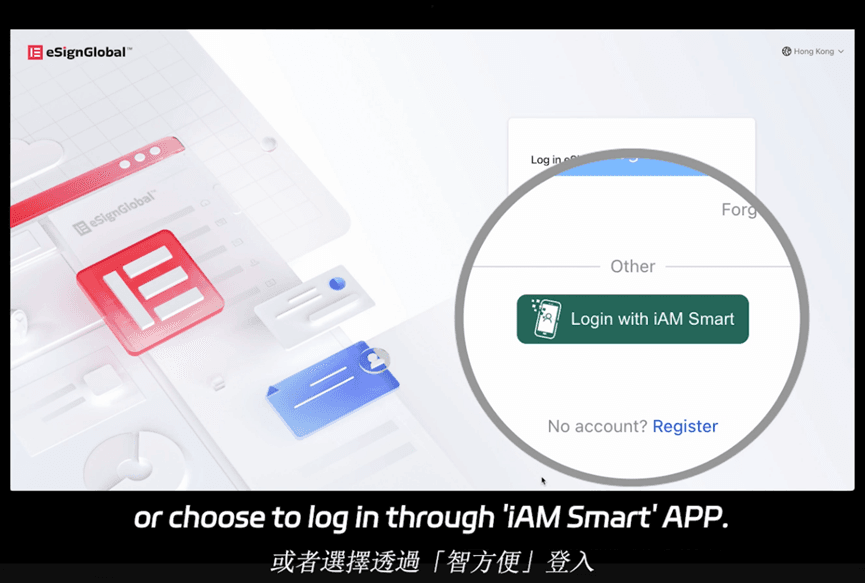
Inilalagay ng eSignGlobal ang sarili nito bilang isang alternatibong sumusunod, na sumusuporta sa mga elektronikong lagda sa mahigit 100 pangunahing bansa at rehiyon sa buong mundo. Mayroon itong partikular na lakas sa Asia-Pacific (APAC), na nag-aalok ng na-optimize na pagganap para sa mga cross-border na operasyon, kabilang ang walang putol na pagsasama sa Hong Kong iAM Smart at Singapore Singpass para sa pinahusay na pagpapatunay ng pagkakakilanlan. Ang pagpepresyo ay transparent at mapagkumpitensya; bisitahin ang kanilang opisyal na pahina ng pagpepresyo para sa mga detalye. Ang Essential plan ay nagkakahalaga lamang ng $16.60 USD bawat buwan, na nagpapahintulot sa pagpapadala ng hanggang 100 dokumento para sa mga elektronikong lagda, walang limitasyong mga user seat, at pagpapatunay sa pamamagitan ng mga access code—habang tinitiyak ang pagsunod sa regulasyon. Ang pag-set up na ito ay nagbibigay ng malakas na halaga, lalo na para sa mga kumpanya sa APAC na nahaharap sa mas mataas na mga gastos sa ibang lugar, nang hindi isinasakripisyo ang mga tampok tulad ng bulk sending o mga web form. Sa pangkalahatan, binabalanse nito ang pagiging abot-kaya sa mga rehiyonal na lakas, na ginagawa itong isang viable na opsyon para sa mga pandaigdigang team na nagbibigay-priyoridad sa pagsunod at bilis.
Iba pang mga Kakumpitensya: HelloSign at PandaDoc
Nag-aalok ang HelloSign (ngayon ay Dropbox Sign) ng mga plano na nagsisimula sa $15 USD bawat user bawat buwan, na nakatuon sa pagiging simple na may walang limitasyong mga envelope ngunit limitadong lalim ng API. Pinagsasama ng PandaDoc ang eSign sa mga panukala, na nagsisimula sa $19 USD bawat user bawat buwan, na angkop para sa mga team ng pagbebenta ngunit nagdaragdag ng pagiging kumplikado para sa mga purong pangangailangan sa paglagda. Ang parehong mga ito ay nasa gitnang tier sa mga tuntunin ng gastos ngunit kulang sa enterprise governance ng DocuSign o Adobe.
| Tampok/Aspeto | Smallpdf | DocuSign | Adobe Sign | eSignGlobal | HelloSign | PandaDoc |
|---|---|---|---|---|---|---|
| Panimulang Presyo (bawat user/buwan, taun-taon) | $9 (Pro) | $10 (Personal) | $10 (Individual) | $16.60 (Essential) | $15 | $19 |
| Limitasyon sa Envelope (bawat buwan) | 100/user | 5–Walang Limitasyon (Tiered) | Walang Limitasyon | 100 (Essential) | Walang Limitasyon | Walang Limitasyon |
| Walang Limitasyong mga User | Hindi (Teams Add-on) | Oo (Mas Mataas na Tier) | Oo (Enterprise) | Oo (Lahat ng Plano) | Oo | Oo |
| Gastos sa Pag-access sa API | Kasama sa Enterprise (Dagdag na ~$20/buwan) | $50+/buwan para sa Entry-Level | $25+/buwan | Flexible, Kasama sa Gitnang Tier | $25/buwan | $29+/buwan |
| Pagsunod/Pagsasama sa APAC | Basic (Nakatuon sa EU/US) | Limitado, Mas Mataas na Latency | Katamtaman, Nakadepende sa Ecosystem | Malakas (100+ Bansa, iAM Smart/Singpass) | Basic | Katamtaman |
| Mga Karagdagang Serbisyo (hal. IDV/SMS) | $1–$2/bawat isa | $1–$5/bawat isa + Sinusukat | $0.50–$2/bawat isa | Kasama ang Pagpapatunay ng Access Code; SMS ~$0.10 | $1/bawat isa | $1–$3/bawat isa |
| Pinakamahusay para sa | Maliliit na Team, Pag-edit ng PDF | Enterprise Automation | Pagsasama ng Adobe/MS | Pagsunod sa APAC/Global | Simpleng Pag-sync ng Dropbox | Mga Panukala sa Pagbebenta |
| Kabuuang Gastos para sa 5 User (Taun-taon, Katamtamang Paggamit) | ~$600 | ~$1,500+ | ~$800 | ~$1,000 | ~$900 | ~$1,200 |
Ang talahanayang ito ay batay sa pampublikong data noong 2025, na nagpapakita ng pagiging abot-kaya ng Smallpdf para sa mga user na may mababang volume ngunit nagha-highlight kung paano nag-aalok ang mga kakumpitensya tulad ng eSignGlobal ng mas mahusay na halaga sa mga rehiyon na may masinsinang pagsunod nang walang matarik na mga karagdagang serbisyo. Dapat suriin ng mga negosyo batay sa lokasyon at laki—halimbawa, ang mga kumpanya sa APAC ay maaaring makatipid ng 20–30% sa pamamagitan ng paggamit ng mga lokal na tool.
Epekto sa Negosyo at Pangwakas na Kaisipan
Mula sa isang pananaw ng negosyo, ang mga gastos ng eSign ay bumubuo lamang ng 1–5% ng mga badyet sa pamamahala ng dokumento, ngunit ang mga hindi magandang pagpipilian ay maaaring humantong sa mga panganib sa pagsunod o mga bottleneck sa daloy ng trabaho. Mahusay ang Smallpdf sa mga self-contained na operasyon, ngunit habang lumalaki ang volume, nag-aalok ang mga alternatibo ng higit na flexibility. Para sa mga user na naghahanap ng alternatibo sa DocuSign, namumukod-tangi ang eSignGlobal bilang isang rehiyonal na opsyon sa pagsunod na may malakas na lakas sa APAC.
(Bilang ng salita: 1,048)
