
'%3e%3cpath%20fill-rule='evenodd'%20clip-rule='evenodd'%20d='M6.99935%2012.8327C10.221%2012.8327%2012.8327%2010.221%2012.8327%206.99935C12.8327%203.77769%2010.221%201.16602%206.99935%201.16602C3.77769%201.16602%201.16602%203.77769%201.16602%206.99935C1.16602%2010.221%203.77769%2012.8327%206.99935%2012.8327Z'%20stroke='%23666666'%20stroke-linecap='round'%20stroke-linejoin='round'/%3e%3cpath%20d='M1.16602%207H12.8327'%20stroke='%23666666'%20stroke-linecap='round'%20stroke-linejoin='round'/%3e%3cpath%20fill-rule='evenodd'%20clip-rule='evenodd'%20d='M6.99935%2012.8327C8.28802%2012.8327%209.33268%2010.221%209.33268%206.99935C9.33268%203.77769%208.28802%201.16602%206.99935%201.16602C5.71068%201.16602%204.66602%203.77769%204.66602%206.99935C4.66602%2010.221%205.71068%2012.8327%206.99935%2012.8327Z'%20stroke='%23666666'%20stroke-linecap='round'%20stroke-linejoin='round'/%3e%3cpath%20d='M2.875%202.95898C3.93063%204.01461%205.38896%204.66754%206.99978%204.66754C8.61062%204.66754%2010.069%204.01461%2011.1246%202.95898'%20stroke='%23666666'%20stroke-linecap='round'%20stroke-linejoin='round'/%3e%3cpath%20d='M11.1246%2011.0425C10.069%209.98691%208.61062%209.33398%206.99978%209.33398C5.38896%209.33398%203.93063%209.98691%202.875%2011.0425'%20stroke='%23666666'%20stroke-linecap='round'%20stroke-linejoin='round'/%3e%3c/g%3e%3cdefs%3e%3cclipPath%20id='clip0_1267_9109'%3e%3crect%20width='14'%20height='14'%20fill='white'/%3e%3c/clipPath%3e%3c/defs%3e%3c/svg%3e)


Pagpepresyo ng LegalSign


Pagsusuri ng Pagpepresyo ng LegalSign sa 2025
Ang LegalSign ay isang platform ng electronic signature na nakabase sa UK na nag-aalok ng iba't ibang plano para sa mga negosyong naghahanap ng mga solusyon sa digital signature na sumusunod sa regulasyon. Mula sa maliliit na team hanggang sa malalaking enterprise, binibigyang-diin ng kanilang istruktura ng pagpepresyo ang pagiging matipid at scalability, lalo na para sa mga organisasyong nag-ooperate sa Europa at iba pang lugar. Susuriin ng pagsusuring ito ang mga pangunahing plano, karagdagang serbisyo, at mga salik na nakakaapekto sa gastos, batay sa opisyal na mga update sa 2025. Ang pangkalahatang-ideya na ito ay naglalayong magbigay ng kalinawan sa mga gumagawa ng desisyon na sinusuri ang mga tool sa electronic signature, upang makagawa ng mga pagpipilian sa isang mapagkumpitensyang merkado.
Mga Pangunahing Plano sa Subscription
Ang istruktura ng pagpepresyo ng LegalSign ay simple at direkta, na may mga diskwento sa taunang pagsingil upang hikayatin ang pangmatagalang commitment. Ang entry-level na Starter Plan ay nagkakahalaga ng $10 bawat user kada buwan (o $120 kada taon), na sumusuporta sa hanggang 5 envelope kada buwan, na angkop para sa mga solong user o maliliit na practice. Kasama sa planong ito ang mga pangunahing electronic signature, template ng dokumento, at audit trail, na perpekto para sa mga freelancer o mga user na may mababang volume.
Ang pag-upgrade sa Professional Plan, na nagkakahalaga ng $25 bawat user kada buwan (o $300 kada taon), ay nagbubukas ng mga feature ng team tulad ng shared template, paalala, at collaborative review. Sinusuportahan nito ang humigit-kumulang 100 envelope bawat user kada taon, na angkop para sa mga medium-sized na law firm o sales team na nangangailangan ng kahusayan sa workflow nang hindi nangangailangan ng pagiging kumplikado.
Para sa mga advanced na pangangailangan, ang Enterprise Plan ay nagsisimula sa $40 bawat user kada buwan (o $480 kada taon), na nagdaragdag ng mga web form, conditional routing, bulk sending, at payment collection. Ang limitasyon sa envelope ay nananatiling humigit-kumulang 100 bawat user kada taon, ngunit ang mas mataas na kapasidad ay maaaring makamit sa pamamagitan ng mga custom na add-on. Ang lahat ng mga plano ay sumusunod sa mga regulasyon ng eIDAS ng EU at UK, na tinitiyak ang legal na bisa ng mga electronic signature.
Sa konteksto ng UK, kung saan nakabase ang LegalSign, ang mga electronic signature ay pinamamahalaan ng Electronic Communications Act 2000 at ang post-Brexit na katumbas ng eIDAS. Hinihiling ng mga batas na ito na ang mga signature ay dapat na natatangi, eksklusibong kontrolado ng signatory, at naka-link sa dokumento sa paraang nakakadetect ng tampering—na katutubong natutugunan ng LegalSign ang mga pamantayang ito. Binabawasan ng regulatory alignment na ito ang mga panganib sa pagsunod para sa mga negosyo sa UK, lalo na sa mga industriya tulad ng pananalapi at real estate.
Mga Add-on at Gastos Batay sa Paggamit
Bilang karagdagan sa mga pangunahing subscription, naniningil ang LegalSign para sa mga karagdagang serbisyo tulad ng identity verification (IDV), na sinisingil batay sa paggamit na nagsisimula sa $1-2 bawat check, na sumasaklaw sa biometric liveness detection at pag-scan ng dokumento. Ang pagpapadala ng SMS ay nagdaragdag ng $0.10-0.50 bawat mensahe, depende sa rehiyon, habang ang API access para sa mga integration ay nagsisimula sa $600 kada taon (na may pangunahing quota na hanggang 40 envelope kada buwan).
Ang mga envelope overage ay nagkakaroon ng humigit-kumulang $0.50 bawat isa, ang bulk sending ay limitado sa 10-100 bawat buwan depende sa plano, at ang mga tool sa automation tulad ng PowerForms ay magagamit bilang mga opsyon sa pag-upgrade. Para sa mga pandaigdigang operasyon, ang mga opsyon sa data residency ng EU/UK ay nagdaragdag ng 10-20% sa mga gastos upang matugunan ang mga kinakailangan ng GDPR.
Maaaring tumaas ang pagpepresyo batay sa mga user seat, volume ng envelope, at mga pangangailangan sa pagsunod. Halimbawa, ang isang 10-user na Professional Plan ay maaaring umabot sa $3,000 kada taon, na may karagdagang $500 para sa IDV kung 250 pagkakakilanlan ang na-verify. Ang pagpapalawak sa Asia-Pacific ay nagpapakilala ng mga hamon tulad ng mas mataas na latency at mga regional surcharge, na maaaring magpataas ng epektibong gastos ng 15-25%.
Mga Salik na Nakakaapekto sa Kabuuang Gastos ng Pagmamay-ari
Dapat isaalang-alang ng mga negosyo hindi lamang ang presyong nakalista kundi pati na rin ang kabuuang gastos ng pagmamay-ari (TCO). Ang modelo ng LegalSign na batay sa seat ay linearly scales, ngunit ang mga high-volume na user ay maaaring mangailangan ng negosasyon sa enterprise para sa walang limitasyong mga envelope. Ang mga integration sa mga tool tulad ng Microsoft 365 o Salesforce ay libre sa mas mataas na tier, na nagpapababa ng mga gastos sa pag-setup.
Sa mga rehiyon tulad ng EU, ang eIDAS ay nagtatakda ng mahigpit na pamantayan para sa mga Qualified Electronic Signature (QES), na sinusuportahan ng LegalSign sa pamamagitan ng certified timestamping na binuo sa QES, na iniiwasan ang mga gastos ng third-party. Sa kabaligtaran, ang mga non-EU market ay maaaring mangailangan ng mga add-on para sa mga lokal na batas, tulad ng Electronic Signature Law ng China, na nangangailangan ng secure hashing at non-repudiation—na sinusuportahan ng LegalSign sa pamamagitan ng mga partner.
Para sa mga negosyo sa UK, ang mga lokal na data center ng platform ay nagpapaliit ng latency, na sumusunod sa mga panuntunan sa data sovereignty pagkatapos ng Brexit. Sa pangkalahatan, ipinoposisyon ng LegalSign ang sarili bilang isang matipid na opsyon para sa mga regulated na industriya, na iniiwasan ang mga hindi inaasahang bill sa pamamagitan ng transparent na metering.

Competitive Landscape: Paghahambing ng mga Provider ng Electronic Signature
Sa merkado ng electronic signature, nakikipagkumpitensya ang LegalSign sa mga kilalang player tulad ng DocuSign, Adobe Sign, at mga regional alternative tulad ng eSignGlobal. Ang bawat provider ay may natatanging lakas sa pagpepresyo, pagsunod, at mga feature, ngunit ang pagpili ay nakasalalay sa lokasyon, laki, at mga pangangailangan sa regulasyon. Sa ibaba, sinusuri namin ang mga pangunahing kakumpitensya, na sinusundan ng isang side-by-side na paghahambing.
Pangkalahatang-ideya ng DocuSign
Ang DocuSign ay nananatiling lider sa merkado na may malakas na pandaigdigang presensya, ngunit ang pagpepresyo nito ay sumasalamin sa isang high-end na posisyon. Ang Personal Plan ay nagsisimula sa $10 kada buwan (o $120 kada taon) na sumusuporta sa 5 envelope, na umaabot sa Business Pro sa $40 bawat user kada buwan (o $480 kada taon) na may kasamang bulk sending at pagbabayad. Ang mga API plan ay mula sa entry-level na $600 kada taon hanggang sa mga custom na enterprise tier. Bagama't mayaman sa feature, ang mga add-on tulad ng IDV (sinisingil batay sa paggamit) at SMS (nagsisimula sa $0.10 bawat mensahe) ay nagdaragdag ng mga gastos, at ang mga operasyon sa Asia-Pacific ay nahaharap sa latency at mga surcharge sa pagsunod.
Mahusay ang DocuSign sa enterprise governance ngunit maaaring masyadong kumplikado para sa mga SMB, at ang mga limitasyon sa envelope (~100 bawat user kada taon) ay naglilimita sa automation maliban kung mag-upgrade.

Pangkalahatang-ideya ng Adobe Sign
Ang Adobe Sign ay walang putol na nag-iintegrate sa Acrobat at Creative Cloud, na umaakit sa mga workflow na may maraming dokumento. Ang pagpepresyo ay nagsisimula sa $10 bawat user kada buwan para sa indibidwal, $25 bawat user kada buwan para sa negosyo, at custom para sa enterprise. Sinusuportahan nito ang walang limitasyong mga envelope sa mas mataas na tier, ngunit ang advanced routing ay nagkakaroon ng karagdagang $5-10 bawat user kada buwan. Ang mga add-on ng IDV at SMS ay sumusunod sa mga pamantayan ng industriya, na nagkakahalaga ng humigit-kumulang $1-2 bawat verification.
Kasama sa mga lakas ang PDF editing integration, ngunit ang pandaigdigang pagsunod ay nag-iiba ayon sa rehiyon, na may malakas na suporta sa eIDAS sa Europa ngunit mas mataas na gastos sa mga non-US na rehiyon. Ang ecosystem ng Adobe ay angkop para sa mga creative firm, bagama't ang mga API quota ay nagsisimula sa $360 kada taon.

Pangkalahatang-ideya ng eSignGlobal
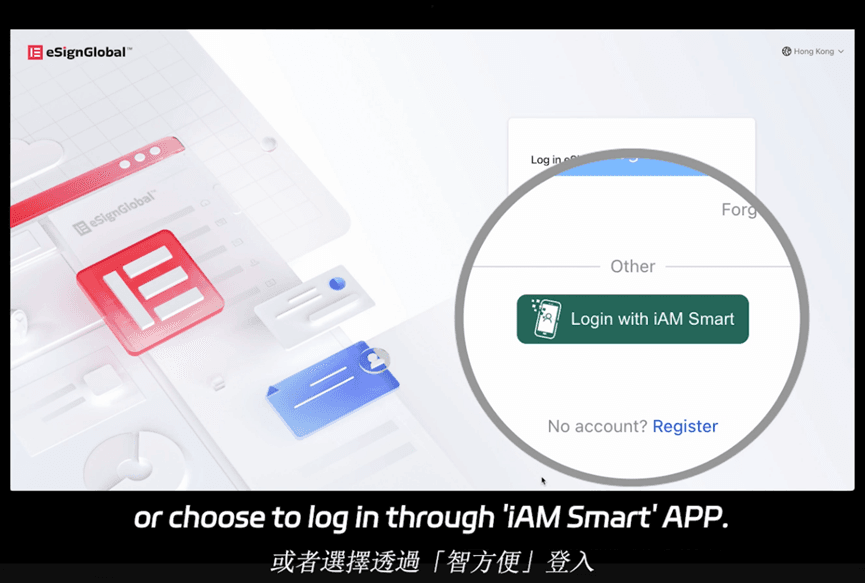
Nag-aalok ang eSignGlobal ng mga solusyon na sumusunod sa regulasyon at matipid na na-optimize para sa mga merkado ng Asia-Pacific at pandaigdig. Sinusuportahan nito ang mga electronic signature sa mahigit 100 pangunahing bansa, na tinitiyak ang pagsunod sa mga lokal na batas tulad ng eIDAS, ESIGN Act, at mga regulasyon na partikular sa Asya. Sa Asia-Pacific, mayroon itong mga kalamangan sa bilis at integration, tulad ng walang putol na koneksyon sa iAM Smart ng Hong Kong at Singpass ng Singapore para sa pagpapatunay.
Sa $16.60 lamang kada buwan, ang Essential Plan ay nagbibigay-daan sa hanggang 100 dokumento na maipadala, walang limitasyong mga user seat, at access code verification—na nag-aalok ng mataas na halaga sa pagsunod nang walang mga limitasyon sa seat. Ang mas mataas na tier ay nag-scale nang matipid, at ang mga opsyon sa API ay mas flexible kaysa sa mga kakumpitensya. Para sa detalyadong pagpepresyo, bisitahin ang opisyal na website ng eSignGlobal. Ginagawa nitong kaakit-akit ang regional focus na ito para sa mga cross-border team, na binabalanse ang gastos at pagiging maaasahan.
Iba pang mga Kakumpitensya
Binibigyang-diin ng PandaDoc ang mga proposal na may mga signature, na nagsisimula sa $19 bawat user kada buwan, na angkop para sa mga benta ngunit mas mahina sa purong pagsunod. Nag-aalok ang HelloSign (Dropbox) ng mga pangunahing feature sa $15 bawat user kada buwan, na angkop para sa integration ngunit limitado sa bulk functionality. Nagbibigay ang SignNow ng entry-level sa $8 bawat user kada buwan, na matipid ngunit pangunahin para sa mga enterprise.
| Aspekto | LegalSign | DocuSign | Adobe Sign | eSignGlobal | PandaDoc |
|---|---|---|---|---|---|
| Panimulang Presyo (bawat user/buwan) | $10 | $10 | $10 | $16.60 (Essential, walang limitasyong seat) | $19 |
| Limitasyon sa Envelope (Pangunahin) | 5-100/taon | 5-100/taon | Walang limitasyon (mas mataas na tier) | 100/buwan (Essential) | Walang limitasyong template, 100 padala |
| Saklaw ng Pagsunod | UK/EU eIDAS focus | Pandaigdig, 100+ bansa | Malakas na EU/US | 100+ bansa, na-optimize para sa Asia-Pacific | US/ESIGN pangunahin |
| Pagpepresyo ng API (Taunang Entry) | $600 | $600 | $360 | Flexible, mas mababang entry | $1,200+ |
| Kalamangan sa Asia-Pacific | Katamtaman (nakasentro sa EU) | Mga isyu sa latency, mas mataas na gastos | Variable integration | Katutubong bilis, iAM Smart/Singpass | Limitadong suporta sa rehiyon |
| Pangunahing Lakas | Matipid na pagsunod sa UK | Mga feature ng enterprise | PDF ecosystem | Matipid na pandaigdig/Asia-Pacific | Mga proposal sa benta |
| Mga Kahinaan | Limitadong lalim sa Asia-Pacific | High-end na pagpepresyo | Mga gastos sa add-on | Mas mababang brand awareness | Niche focus |
Itinatampok ng talahanayang ito ang mga trade-off: Nangunguna ang DocuSign at Adobe sa maturity, namumukod-tangi ang LegalSign sa halaga sa UK, habang namumukod-tangi ang eSignGlobal sa kahusayan sa Asia-Pacific at transparency sa pagpepresyo, na nag-aalok ng competitive edge sa regional compliance nang hindi nagdaragdag ng mga gastos.
Mga Trend sa Merkado at Madiskarteng Pagsasaalang-alang
Inaasahang lalago ang industriya ng electronic signature ng 30% bawat taon hanggang 2028, na hinihimok ng remote work at mga regulasyon na nagtutulak sa digital adoption. Sa UK, pinalalakas ng Digital Economy Act ang posisyon ng LegalSign sa pamamagitan ng pag-uutos sa mga pampublikong sektor na gumamit ng mga electronic na proseso. Ang mga pandaigdigang pagkakaiba tulad ng mahigpit na data localization ng China (sa ilalim ng Cybersecurity Law) ay pinapaboran ang mga provider na may regional infrastructure.
Dapat i-audit ng mga negosyo ang mga pangangailangan: Ang mga enterprise na nakatuon sa volume ay maaaring mas gusto ang walang limitasyong mga plano, habang ang mga nakatuon sa pagsunod ay inuuna ang QES. Karaniwang nagpapakita ang mga pagsusuri sa TCO ng 20-40% na pagtitipid sa mga mid-tier na opsyon kumpara sa high-end.
Para sa mga user na naghahanap ng mga alternatibo sa DocuSign, namumukod-tangi ang eSignGlobal bilang isang neutral, regional compliant na pagpipilian, lalo na para sa mga operasyon sa Asia-Pacific na nagbabalanse sa gastos at pagiging maaasahan.
