
'%3e%3cpath%20fill-rule='evenodd'%20clip-rule='evenodd'%20d='M6.99935%2012.8327C10.221%2012.8327%2012.8327%2010.221%2012.8327%206.99935C12.8327%203.77769%2010.221%201.16602%206.99935%201.16602C3.77769%201.16602%201.16602%203.77769%201.16602%206.99935C1.16602%2010.221%203.77769%2012.8327%206.99935%2012.8327Z'%20stroke='%23666666'%20stroke-linecap='round'%20stroke-linejoin='round'/%3e%3cpath%20d='M1.16602%207H12.8327'%20stroke='%23666666'%20stroke-linecap='round'%20stroke-linejoin='round'/%3e%3cpath%20fill-rule='evenodd'%20clip-rule='evenodd'%20d='M6.99935%2012.8327C8.28802%2012.8327%209.33268%2010.221%209.33268%206.99935C9.33268%203.77769%208.28802%201.16602%206.99935%201.16602C5.71068%201.16602%204.66602%203.77769%204.66602%206.99935C4.66602%2010.221%205.71068%2012.8327%206.99935%2012.8327Z'%20stroke='%23666666'%20stroke-linecap='round'%20stroke-linejoin='round'/%3e%3cpath%20d='M2.875%202.95898C3.93063%204.01461%205.38896%204.66754%206.99978%204.66754C8.61062%204.66754%2010.069%204.01461%2011.1246%202.95898'%20stroke='%23666666'%20stroke-linecap='round'%20stroke-linejoin='round'/%3e%3cpath%20d='M11.1246%2011.0425C10.069%209.98691%208.61062%209.33398%206.99978%209.33398C5.38896%209.33398%203.93063%209.98691%202.875%2011.0425'%20stroke='%23666666'%20stroke-linecap='round'%20stroke-linejoin='round'/%3e%3c/g%3e%3cdefs%3e%3cclipPath%20id='clip0_1267_9109'%3e%3crect%20width='14'%20height='14'%20fill='white'/%3e%3c/clipPath%3e%3c/defs%3e%3c/svg%3e)


DocuSign Intelligent Insights: Pagkuha ng Datos mula sa mga Lumang Kontrata


Pag-navigate sa mga Legacy Contract sa Panahon ng Digital
Sa mabilis na takbo ng kapaligiran ng negosyo ngayon, madalas na nahaharap ang mga organisasyon sa napakaraming legacy contract—mga dokumentong nakabatay sa papel o mga lumang digital archive na naglalaman ng mahalagang datos ngunit nakabaon sa mga hindi nakaayos na format. Ang pagkuha ng mga actionable insight mula sa mga kontratang ito ay isang mahalagang hamon para sa mga legal, pinansyal, at operational team. Ang Intelligent Insights ng DocuSign ay namumukod-tangi sa kontekstong ito, gamit ang AI upang i-automate ang pagkuha at pagsusuri ng datos, na ginagawang mga dynamic asset ang mga static na kasunduan na nagtutulak ng pagdedesisyon.
Ang Hamon ng mga Legacy Contract
Ang mga legacy contract ay madalas na sumasaklaw sa mga dekada, na kumakatawan sa isang minahan ng ginto ng makasaysayang datos ngunit nagpapakita rin ng mga malaking hadlang. Ang mga manu-manong proseso ng pagsusuri ay matagal, madaling magkamali, at hindi scalable habang lumalaki ang bilang ng mga kontrata. Ang mga negosyo sa mga industriya tulad ng pananalapi, real estate, at pagmamanupaktura ay madalas na humaharap sa libu-libong ganitong mga dokumento, kung saan ang mga pangunahing probisyon tulad ng mga iskedyul ng pagbabayad, mga termino, o mga obligasyon ay naka-lock sa mga PDF, mga scan, o kahit na mga pisikal na archive. Ayon sa mga ulat ng industriya, ang mga kumpanya ay gumagastos ng hanggang 40% ng kanilang legal na badyet sa mga hindi epektibong isyu sa pamamahala ng kontrata, na nagpapakita ng pangangailangan para sa matalinong automation.
Mula sa isang pananaw ng negosyo, ang pagkabigong gawing moderno ang mga asset na ito ay maaaring humantong sa mga panganib sa pagsunod, mga napalampas na pagkakataon sa pag-renew, o hindi napapansing mga leverage sa negosasyon. Ang mga matalinong solusyon tulad ng produkto ng DocuSign ay nagbibigay-daan sa mas mabilis na pagtatasa ng panganib at mga estratehikong insight sa pamamagitan ng paglalapat ng machine learning upang i-parse, ikategorya, at kunin ang datos.
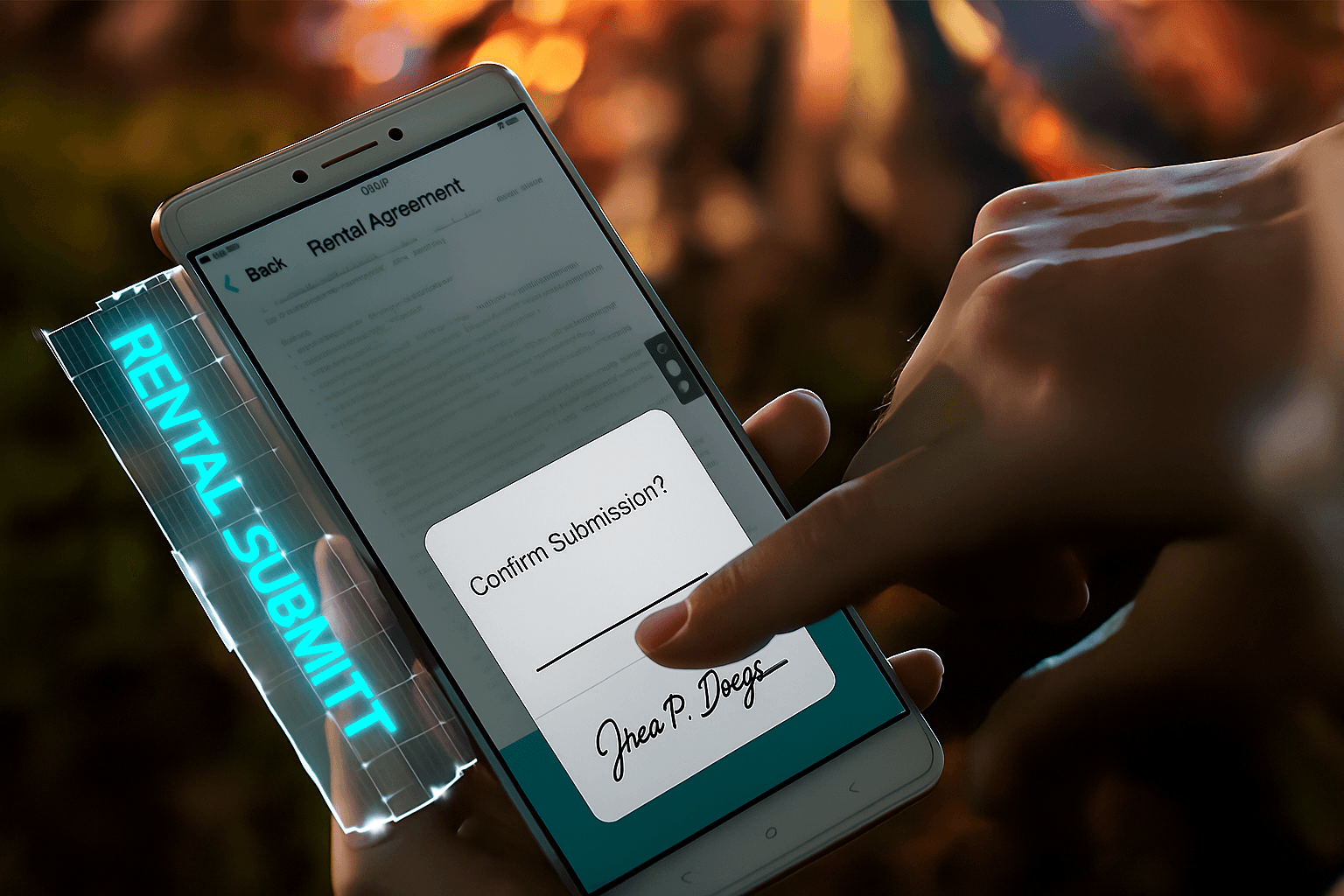
DocuSign Intelligent Insights: Isang Malalim na Pagsusuri
Ang DocuSign Intelligent Insights ay bahagi ng mas malawak na Intelligent Agreement Management (IAM) suite ng kumpanya, na idinisenyo upang harapin ang mga kumplikado ng Contract Lifecycle Management (CLM). Pinagsasama ng IAM CLM ang mga tool na pinapagana ng AI upang gawing simple ang lahat mula sa pagbalangkas hanggang sa pagpapatupad at pagsusuri, kung saan nakatuon ang Intelligent Insights sa pagkuha ng halaga pagkatapos ng pagpapatupad.
Sa puso nito, ginagamit ng Intelligent Insights ang Natural Language Processing (NLP) at Optical Character Recognition (OCR) upang i-scan ang mga legacy contract. Kinikilala at kinukuha nito ang mga pangunahing punto ng datos tulad ng mga partido, mga petsa ng pagkabisa, mga probisyon sa pagwawakas, mga tuntunin sa pananalapi, at mga sukatan ng pagsunod. Halimbawa, sa isang legacy lease agreement, maaaring awtomatikong kunin ng tool ang mga petsa ng pag-renew at mga pagtaas ng upa, at i-flag ang mga potensyal na hindi pagkakaunawaan nang maaga.
Nagsisimula ang proseso sa pag-upload ng mga dokumento sa platform ng DocuSign, kung saan sinusuri ng mga AI model na sinanay sa milyun-milyong kasunduan ang nilalaman sa loob ng ilang segundo. Maaaring i-customize ng mga user ang mga panuntunan sa pagkuha sa pamamagitan ng isang interface na walang code, na inaayos ang mga ito sa mga partikular na pangangailangan ng industriya, tulad ng mga clause ng GDPR para sa mga operasyon sa Europa o pagsunod sa UCC sa US. Kasama sa mga output ang nakaayos na pag-export ng datos sa Excel, JSON, o mga integrated CRM system tulad ng Salesforce, na nagbibigay-daan sa walang problemang pagsasama ng workflow.
Mula sa isang pananaw ng negosyo, maaaring bawasan ng kakayahang ito ang mga oras ng pagsusuri ng hanggang 80%, ayon sa mga case study ng DocuSign, na nagpapahintulot sa mga team na tumuon sa mga gawaing may mataas na halaga. Ang pagpepresyo para sa IAM CLM ay nagsisimula sa antas ng enterprise, kadalasang naka-customize batay sa volume, ngunit ang mga add-on tulad ng Intelligent Insights ay maaaring mapahusay ang ROI para sa mga organisasyong may malalaking legacy archive. Gayunpaman, nangangailangan ang pagpapatupad ng malinis na pagpasok ng datos, at ang paunang pag-setup ay maaaring may kasangkot na pagsasanay sa AI gamit ang mga proprietary template para sa pinakamainam na katumpakan.

Pagkuha ng Halaga: Mga Hakbang-hakbang na Aplikasyon
Upang ilarawan, isaalang-alang ang isang multinational corporation na lumilipat mula sa mga kontratang nakabatay sa papel. Hakbang isa: digitization sa pamamagitan ng mga tool sa pag-scan ng DocuSign. Hakbang dalawa: Inilalapat ng Intelligent Insights ang entity recognition upang i-tag ang mga elemento tulad ng "force majeure" o "indemnification." Hakbang tatlo: Bumubuo ng mga dashboard na nagpapakita ng mga panganib sa portfolio, tulad ng mga nalalapit na obligasyon sa mahigit 1,000 dokumento.
Hindi lamang ito tungkol sa pagkuha—ito ay tungkol sa pagbuo ng insight. Iniugnay ng tool ang datos sa mga kontrata, na nagpapakita ng mga pattern tulad ng mga panganib sa konsentrasyon ng supplier o mga undervalued asset. Para sa mga negosyo sa mga regulated na industriya, tinitiyak nito ang mga ulat na handa sa pag-audit, na sumusunod sa mga pamantayan tulad ng US ESIGN Act o EU eIDAS. Kasama sa mga limitasyon ang paghawak sa mga multilingual o lubhang redacted na dokumento, kung saan maaaring kailanganin pa rin ang manu-manong pangangasiwa, ngunit pinapagaan ng mga patuloy na pag-update ng AI ang mga isyung ito.
Sa pagsasagawa, ang mga kumpanyang gumagamit ng IAM CLM ay nag-uulat ng 30-50% na pagtitipid sa mga gastos sa pamamahala ng kontrata, na ginagawa itong isang estratehikong pamumuhunan para sa pagpapalawak ng mga operasyon.
Nagkukumpara ng mga platform ng e-signature na may DocuSign o Adobe Sign?
Nag-aalok ang eSignGlobal ng mas flexible at cost-effective na solusyon sa e-signature, na may global compliance, transparent na pagpepresyo, at mas mabilis na proseso ng onboarding.
👉 Magsimula ng libreng pagsubok
Pagtatasa ng mga Solusyon sa E-Signature para sa Pagkuha ng Legacy Data
Habang nangunguna ang DocuSign sa mga insight na pinapagana ng AI, nag-aalok ang merkado ng e-signature ng magkakaibang mga opsyon para sa paghawak sa mga legacy contract. Mula sa isang neutral na pananaw ng negosyo, ang pagpili ng isang platform ay nakasalalay sa mga salik tulad ng mga pangangailangan sa pagsasama, pagsunod sa rehiyon, at mga istruktura ng gastos. Sa ibaba, inihahambing namin ang mga pangunahing manlalaro, kabilang ang DocuSign, Adobe Sign, eSignGlobal, at HelloSign (bahagi na ngayon ng Dropbox), na nakatuon sa kanilang mga kakayahan sa pagkuha ng datos mula sa mga legacy na dokumento.
Adobe Sign: Enterprise-Oriented na may Malakas na Pagsasama
Ang Adobe Sign, bahagi ng Adobe Document Cloud, ay mahusay sa walang problemang pagsasama sa mga workflow ng PDF, na ginagawa itong angkop para sa pagkuha ng datos mula sa mga legacy na PDF. Ang mga kakayahan nito sa AI, na pinapagana ng Adobe Sensei, ay nag-a-automate ng pagtukoy ng clause at pagkuha ng metadata, katulad ng DocuSign ngunit may higit na diin sa mga creative tool tulad ng pagpuno ng form. Para sa mga legacy contract, sinusuportahan nito ang batch processing at pag-export sa mga platform ng analytics.
Ang pagpepresyo ay tiered, na nagsisimula sa humigit-kumulang $10 bawat user bawat buwan para sa mga pangunahing edisyon, na umaabot sa mga enterprise plan na may advanced analytics. Kasama sa mga kalamangan ang malalim na koneksyon sa Microsoft ecosystem, ngunit maaaring mangailangan ng higit pang pag-customize para sa mga non-PDF format. Sa pangkalahatan, ito ay isang maaasahang pagpipilian para sa mga industriyang masinsinan sa disenyo.

eSignGlobal: Na-optimize para sa APAC, Global Coverage
Ipinoposisyon ng eSignGlobal ang sarili bilang isang cost-effective na alternatibo, lalo na para sa mga negosyong humaharap sa mga fragmented na regulasyon. Sinusuportahan nito ang pagsunod sa mahigit 100 pangunahing bansa at rehiyon sa buong mundo, na may malaking presensya sa Asia-Pacific (APAC). Ang tanawin ng e-signature sa APAC ay nailalarawan sa pamamagitan ng fragmentation, mataas na pamantayan, at mahigpit na regulasyon—hindi katulad ng mga framework-based na diskarte sa Kanluran (tulad ng ESIGN sa US o eIDAS sa EU), binibigyang-diin ng mga pamantayan ng APAC ang mga solusyon sa "ecosystem integration." Nangangailangan ito ng malalim na hardware at API-level na pagsasama sa mga digital identity ng gobyerno-sa-negosyo (G2B), na higit pa sa mga simpleng pag-verify ng email o mga self-asserted na pamamaraan na karaniwan sa Americas at Europe.
Para sa pagkuha ng legacy contract, ginagamit ng AI-Hub ng eSignGlobal ang NLP para sa pagtatasa ng panganib, pagbubuod, at pagsasalin, na nagbibigay-daan sa mahusay na pagkuha ng datos mula sa mga multilingual na dokumento. Ang Essential plan nito ay nagkakahalaga lamang ng $16.6 bawat buwan (o $199 bawat taon), na nagpapahintulot ng hanggang 100 ipinadalang e-signature na dokumento, walang limitasyong mga user seat, at pag-verify sa pamamagitan ng access code—habang pinapanatili ang mataas na pagsunod. Walang putol itong isinasama sa iAM Smart ng Hong Kong at Singpass ng Singapore, na nag-aalok ng pambihirang pagganap sa rehiyon nang walang mga bayarin sa seat.

Naghahanap ng mas matalinong alternatibo sa DocuSign?
Nag-aalok ang eSignGlobal ng mas flexible at cost-effective na solusyon sa e-signature, na may global compliance, transparent na pagpepresyo, at mas mabilis na proseso ng onboarding.
👉 Magsimula ng libreng pagsubok
HelloSign (Dropbox Sign): Pagiging Simple para sa mga SMB
Ang HelloSign, na kilala na ngayon bilang Dropbox Sign, ay nakatuon sa isang user-friendly na interface para sa mga maliliit at katamtamang laki ng mga negosyo (SMB). Ang mga tool nito sa pagkuha ng datos ay mas basic, na umaasa sa mga template at API hook upang kunin ang mga pangunahing field mula sa mga legacy na file, ngunit kulang sa advanced na lalim ng AI ng DocuSign. Ang pagsasama sa Dropbox storage ay tumutulong sa legacy digitization, na may pagpepresyo mula sa isang libreng tier hanggang $15 bawat user bawat buwan.
Ito ay angkop para sa mga simpleng pangangailangan ngunit maaaring hindi sapat para sa kumplikado, mataas na volume na pagkuha.
Pangkalahatang-ideya ng Paghahambing
| Tampok/Platform | DocuSign (IAM CLM) | Adobe Sign | eSignGlobal | HelloSign (Dropbox Sign) |
|---|---|---|---|---|
| AI Data Extraction | Advanced NLP/OCR para sa mga clause, panganib; nako-customize na mga panuntunan | Sensei AI para sa PDF; malakas na metadata | AI-Hub para sa pagbubuod, pagsasalin; APAC-focused | Basic template-based; limitadong AI |
| Legacy Handling | Batch upload, cross-document association | PDF-centric; form automation | Suporta sa multilingual; ecosystem integration | Simpleng digitization sa pamamagitan ng storage |
| Compliance | Global (ESIGN, eIDAS); enterprise SSO | Malakas sa US/EU; GDPR | 100+ bansa; APAC depth (iAM Smart, Singpass) | Basic global; US-oriented |
| Pricing (Entry) | Custom enterprise (basic ~ $40/user/month) | $10/user/month | $16.6/month (Essential, walang limitasyong user) | Libre hanggang $15/user/month |
| Best For | Malakihang insight, integration | PDF workflows, creative team | Cost-effective APAC/global compliance | SMB simplicity |
| Limitations | Mas mataas na gastos; kumplikadong setup | Hindi flexible para sa non-PDF | Umuusbong na AI depth sa labas ng APAC | Kulang sa advanced analytics |
Itinatampok ng talahanayang ito ang mga trade-off: DocuSign para sa lalim, Adobe para sa pagsasama, eSignGlobal para sa affordability at regional fit, at HelloSign para sa kadalian ng paggamit.
Mga Estratehikong Pagsasaalang-alang para sa mga Negosyo
Ang pag-adopt ng mga tool tulad ng Intelligent Insights ay nangangailangan ng pagtatasa ng kabuuang halaga ng pagmamay-ari, kabilang ang pagsasanay at scalability. Para sa mga global na operasyon, ang isang hybrid na diskarte—pagsasama-sama ng AI ng DocuSign sa mga regional player—ay maaaring mag-optimize ng mga resulta. Habang umuunlad ang mga e-signature, ang diin ay lumilipat sa AI ethics, data privacy, at interoperability, na tinitiyak na ang mga nakuhang insight ay nananatiling maaasahan.
Sa konklusyon, ang DocuSign Intelligent Insights ay namumukod-tangi sa pagkuha ng legacy contract, ngunit ang mga alternatibo ay karapat-dapat isaalang-alang batay sa lokasyon at badyet. Para sa mga pangangailangan sa regional compliance, ang eSignGlobal ay nag-aalok ng isang balanse at cost-effective na pagpipilian bilang isang alternatibo sa DocuSign.
