
'%3e%3cpath%20fill-rule='evenodd'%20clip-rule='evenodd'%20d='M6.99935%2012.8327C10.221%2012.8327%2012.8327%2010.221%2012.8327%206.99935C12.8327%203.77769%2010.221%201.16602%206.99935%201.16602C3.77769%201.16602%201.16602%203.77769%201.16602%206.99935C1.16602%2010.221%203.77769%2012.8327%206.99935%2012.8327Z'%20stroke='%23666666'%20stroke-linecap='round'%20stroke-linejoin='round'/%3e%3cpath%20d='M1.16602%207H12.8327'%20stroke='%23666666'%20stroke-linecap='round'%20stroke-linejoin='round'/%3e%3cpath%20fill-rule='evenodd'%20clip-rule='evenodd'%20d='M6.99935%2012.8327C8.28802%2012.8327%209.33268%2010.221%209.33268%206.99935C9.33268%203.77769%208.28802%201.16602%206.99935%201.16602C5.71068%201.16602%204.66602%203.77769%204.66602%206.99935C4.66602%2010.221%205.71068%2012.8327%206.99935%2012.8327Z'%20stroke='%23666666'%20stroke-linecap='round'%20stroke-linejoin='round'/%3e%3cpath%20d='M2.875%202.95898C3.93063%204.01461%205.38896%204.66754%206.99978%204.66754C8.61062%204.66754%2010.069%204.01461%2011.1246%202.95898'%20stroke='%23666666'%20stroke-linecap='round'%20stroke-linejoin='round'/%3e%3cpath%20d='M11.1246%2011.0425C10.069%209.98691%208.61062%209.33398%206.99978%209.33398C5.38896%209.33398%203.93063%209.98691%202.875%2011.0425'%20stroke='%23666666'%20stroke-linecap='round'%20stroke-linejoin='round'/%3e%3c/g%3e%3cdefs%3e%3cclipPath%20id='clip0_1267_9109'%3e%3crect%20width='14'%20height='14'%20fill='white'/%3e%3c/clipPath%3e%3c/defs%3e%3c/svg%3e)


Pagpepresyo ng Android Electronic Signature App


Pagsusuri sa Pagpepresyo ng Android Electronic Signature App sa 2025
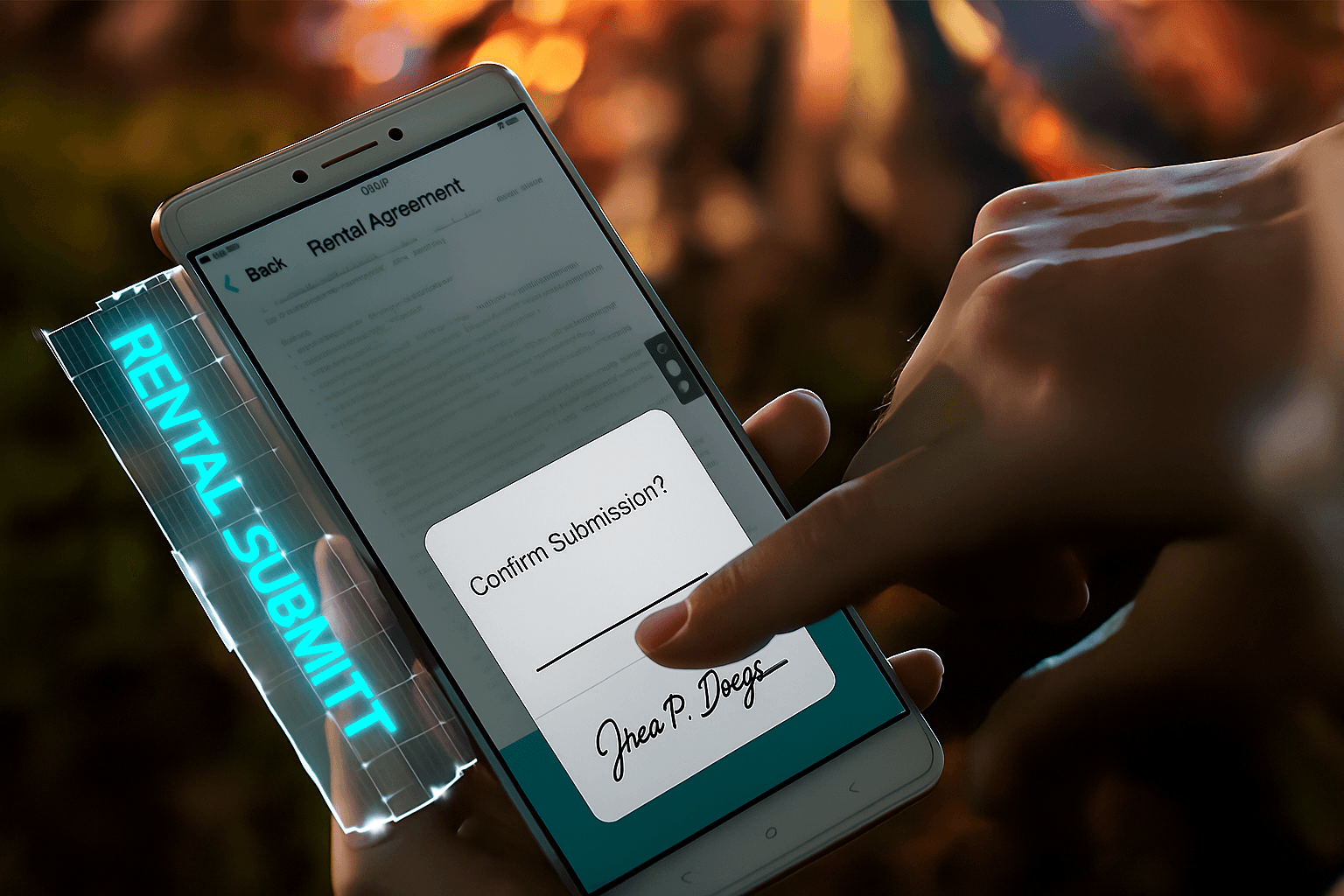
Sa patuloy na pag-unlad ng digital transformation, ang mga Android electronic signature app ay naging mahalagang kasangkapan para sa mga negosyo at indibidwal na naghahanap ng mahusay at mobile-friendly na solusyon sa pagpirma ng dokumento. Ginagamit ng mga app na ito ang malawakang paggamit ng mga Android device upang paganahin ang tuluy-tuloy na electronic signature, na kadalasang isinasama sa mga cloud service upang matiyak ang pagsunod at seguridad. Ang pagpepresyo ng mga app na ito ay nag-iiba nang malaki batay sa mga feature tulad ng mga limitasyon sa envelope, mga user seat, pag-access sa API, at mga kinakailangan sa pagsunod sa rehiyon. Mula sa pananaw ng negosyo, ang pag-unawa sa mga modelong ito ay mahalaga para sa pag-optimize ng gastos, lalo na sa ilalim ng mga pangangailangan ng remote work at cross-border na operasyon, na nangangailangan ng mga scalable at abot-kayang opsyon. Tinatalakay ng artikulong ito ang mga istruktura ng pagpepresyo ng mga nangungunang Android-compatible na electronic signature app, na nakatuon sa kanilang mga value proposition, nang hindi nagrerekomenda ng anumang solong provider.
Mga Pangunahing Salik na Nakakaapekto sa Pagpepresyo ng Android Electronic Signature App
Ang mga Android electronic signature app ay karaniwang gumagamit ng mga modelong batay sa subscription, kung saan ang mga gastos ay naiimpluwensyahan ng mga tier ng paggamit, mga karagdagang feature, at mga pagsasama ng platform. Para sa mga gumagamit ng Android, ang pagpepresyo ay madalas na nagbibigay-diin sa pagiging naa-access sa mobile, tulad ng mga offline na kakayahan sa pagpirma at mga push notification, na mahalaga para sa mga mobile professional. Ang taunang pagsingil ay karaniwang nag-aalok ng mga diskwento kumpara sa mga buwanang plano, ngunit dapat timbangin ng mga negosyo ang mga quota ng envelope—ang bilang ng mga dokumentong maaaring ipadala para sa pagpirma—laban sa mga aktwal na pangangailangan.
Kabilang sa mga pangunahing bahagi ng pagpepresyo ang:
- Mga Pangunahing Subscription: Mula sa mga libreng tier para sa pangunahing paggamit hanggang sa mga enterprise plan na higit sa $500 bawat user bawat taon.
- Bayad sa Bawat Envelope: Karaniwan sa mga metered plan, kung saan sinisingil ang bayad para sa bawat dokumentong ipinadala, karaniwang $0.10–$1.00 bawat envelope.
- Mga Karagdagang Feature: Tulad ng pagpapatunay ng pagkakakilanlan (IDV), paghahatid ng SMS, o bulk sending, na maaaring magdagdag ng 20–50% sa gastos.
- Mga Limitasyon sa API at Automation: Para sa mga developer na nagsasama sa mga Android app, ang mga quota ng API ay maaaring mula sa 40 envelope bawat buwan hanggang sa walang limitasyon, na may pagpepresyo na $600–$5,000+ bawat taon.
- Mga Pagkakaiba sa Rehiyon: Sa mga rehiyon tulad ng US at EU, dapat sumunod ang mga app sa mga pamantayan ng eIDAS o ESIGN Act, na maaaring magpataas ng mga gastos dahil sa pinahusay na mga feature ng seguridad. Halimbawa, sa ilalim ng US ESIGN Act ng 2000, ang mga electronic signature ay may legal na bisa kung natutugunan nila ang mga kinakailangan sa intensyon, pahintulot, at pag-iingat ng talaan, katulad ng mga regulasyon ng EU eIDAS, na nagkakategorya ng mga lagda sa mga antas ng Basic, Advanced, at Qualified na may iba't ibang legal na epekto.
Mula sa pananaw ng negosyo, ang mga Android app tulad ng DocuSign o Adobe Sign ay nangingibabaw sa merkado dahil sa kanilang mga pagsasama ng ecosystem, ngunit ang mga umuusbong na manlalaro ay nag-aalok ng mapagkumpitensyang pagpepresyo para sa mga maliliit na at katamtamang laki ng negosyo (SMEs). Ang mga overage penalty, tulad ng mga limitasyon sa automated sending (10–100 bawat buwan), ay maaaring humantong sa paglaki ng aktwal na gastos kung hindi sinusubaybayan.
Paghihiwalay ng Pagpepresyo ng Mga Sikat na Android Electronic Signature App
Sa pagtuklas sa mga partikular na detalye, suriin natin ang pagpepresyo ng mga app na na-optimize para sa Android. Ang mga app na ito ay naa-access sa pamamagitan ng Google Play Store, kung saan tinitiyak ng mga native app ang maayos na pagganap sa mga device mula sa Samsung hanggang sa Google Pixel.
DocuSign eSignature para sa Android
Ang Android app ng DocuSign ay isang malakas na tool sa propesyonal na espasyo ng pagpirma, na sumusuporta sa mga feature tulad ng mga template, paalala, at bulk sending. Ang pagpepresyo nito ay nagsisimula sa isang Personal na plano sa $10 bawat buwan (o $120 bawat taon) para sa mga indibidwal na gumagamit, na nagpapahintulot ng 5 envelope bawat buwan—na angkop para sa mga light Android user ngunit limitado para sa mga team. Ang Standard na plano ay umaabot sa $25 bawat user bawat buwan (o $300 bawat taon), na kinabibilangan ng pakikipagtulungan ng team at hanggang 100 envelope bawat taon. Ang Business Pro ay nagkakahalaga ng $40 bawat buwan (o $480 bawat taon), na nagdaragdag ng mga web form, conditional logic, at mga kakayahan sa pagkolekta ng pagbabayad, na angkop para sa mga sales team na nakabatay sa Android.
Para sa mga gumagamit ng API na bumubuo ng mga custom na pagsasama ng Android, ang panimulang plano ay nagkakahalaga ng $600 bawat taon para sa 40 envelope bawat buwan, na nag-a-upgrade sa Advanced sa $5,760 bawat taon para sa suporta sa bulk sending. Ang mga karagdagang feature tulad ng IDV ay sinisingil sa bawat paggamit, at ang paghahatid ng SMS ay may bayad bawat mensahe. Napansin ng mga negosyo na habang mahusay ang DocuSign sa pandaigdigang pagsunod, ang paglilisensya nito batay sa seat ay maaaring humantong sa mas mataas na gastos para sa lumalaking Android workforce, lalo na sa Asia-Pacific (APAC), kung saan ang latency at data residency ay nagdaragdag ng mga karagdagang bayarin.

Adobe Sign (Acrobat Sign) para sa Android
Ang Adobe Sign, na malalim na isinama sa Adobe ecosystem, ay nag-aalok ng mga malakas na kakayahan sa Android app tulad ng offline na pag-access at tuluy-tuloy na pag-edit ng PDF. Ang pagpepresyo ay nagsisimula sa isang libreng tier para sa mga pangunahing lagda, ngunit ang mga plano sa negosyo ay nagsisimula sa humigit-kumulang $10–$15 bawat user bawat buwan para sa mga karaniwang feature, na umaabot sa $25–$40 bawat buwan para sa mga bersyon ng Pro na kinabibilangan ng advanced routing at analytics. Ang custom na pagpepresyo ng enterprise, na kinabibilangan ng single sign-on (SSO) at mga audit trail, ay karaniwang lumampas sa $50 bawat user bawat buwan.
Ang mga metered na karagdagan tulad ng IDV o mga pagsasama ay nagpapataas ng mga gastos, at ang pag-access sa API ay nakabalot sa mga developer sandbox ngunit nangangailangan ng bayad na pag-upgrade para sa paggamit sa produksyon. Mula sa pananaw ng negosyo, ang lakas ng Adobe Sign ay nakasalalay sa pagiging tugma nito sa mga workflow na masinsinan sa dokumento ng Android, bagaman ang pagpepresyo nito ay nararamdaman na mas mataas kumpara sa mga standalone na tool sa electronic signature, lalo na para sa mga hindi gumagamit ng Adobe.

eSignGlobal para sa Android
Ang eSignGlobal ay nagpoposisyon sa sarili bilang isang sumusunod at rehiyonal na na-optimize na alternatibo, kung saan ang Android app nito ay nagbibigay-diin sa bilis at mga pagsasama para sa merkado ng Asia-Pacific (APAC). Sinusuportahan nito ang mga electronic signature sa mahigit 100 pangunahing bansa sa buong mundo, na tinitiyak ang pagsunod sa mga lokal na batas tulad ng US ESIGN Act, EU eIDAS, at mga partikular na regulasyon ng APAC, tulad ng Electronic Transactions Act ng Singapore o ang Electronic Transactions Ordinance ng Hong Kong. Sa APAC, nag-aalok ito ng mga bentahe sa pagbabawas ng latency at data residency, na iniiwasan ang mga cross-border na hadlang ng mga provider na nakasentro sa US, na nagpapababa ng paglaki ng gastos.
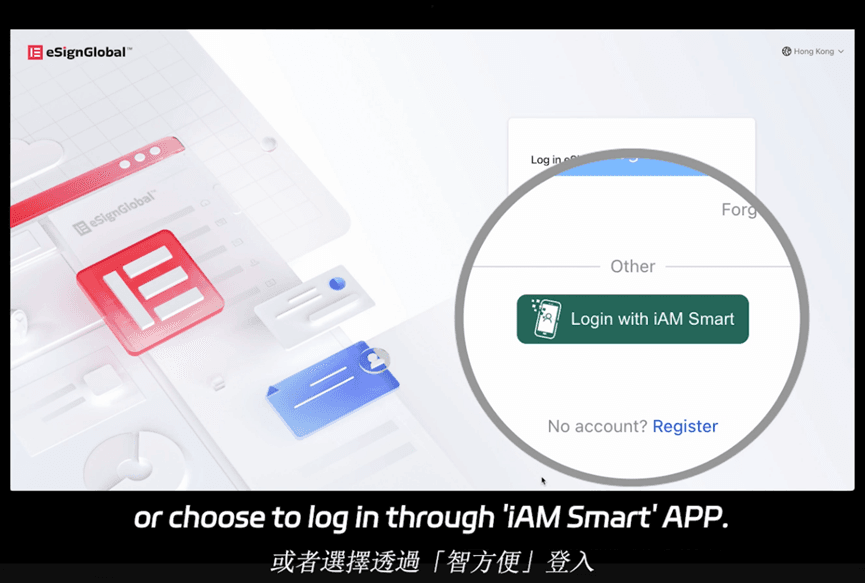
Ang pagpepresyo ay partikular na palakaibigan: Ang Essential na plano ay nagkakahalaga lamang ng $16.60 bawat buwan (taunang pagsingil), na nagpapahintulot ng hanggang 100 pirmahang dokumento, walang limitasyong mga user seat, at pagpapatunay sa pamamagitan ng access code—na nagbibigay ng malakas na halaga sa batayan ng pagsunod. Ang mas mataas na tier ay nagpapalawak ng mga pangangailangan sa bulk sa isang abot-kayang paraan. Para sa isang detalyadong paghihiwalay, bisitahin ang pahina ng pagpepresyo ng eSignGlobal. Tuluy-tuloy itong isinasama sa iAM Smart ng Hong Kong at Singpass ng Singapore para sa pagpapatunay ng pagkakakilanlan, na nagpapahusay sa pagiging magagamit sa mga rehiyong ito nang walang karagdagang gastos. Pinahahalagahan ng mga negosyo ang transparency at flexibility ng gastos nito, na ginagawa itong isang pragmatikong pagpipilian para sa mga gumagamit ng Android sa magkakaibang merkado.
Iba Pang Mga Kakumpitensya: HelloSign at PandaDoc
Ang HelloSign ng Dropbox ay nag-aalok ng isang intuitive na Android app na may libreng pangunahing paggamit, na may mga bayad na plano na nagsisimula sa $15 bawat buwan para sa 20 envelope, na umaabot sa walang limitasyon sa $25 bawat buwan. Ito ay pinupuri para sa pagiging simple nito ngunit kulang sa advanced na pagsunod sa APAC. Ang PandaDoc ay nakatuon sa mga panukala, na may pagpepresyo na nagsisimula sa $19 bawat user bawat buwan, na may walang limitasyong mga envelope sa mas mataas na tier, na mahusay na isinama sa mga Android CRM app ngunit mas mataas ang pagpepresyo para sa mga hindi sales team.
Paghahambing ng Talahanayan ng Pagpepresyo ng Android Electronic Signature App
Upang makatulong sa paggawa ng desisyon, narito ang isang neutral na paghahambing ng mga pangunahing manlalaro batay sa pampublikong data ng 2025 (taunang pagsingil, bawat user maliban kung nabanggit). Itinatampok nito ang mga trade-off sa gastos, mga feature, at rehiyonal na akma.
| App/Provider | Panimulang Presyo (Katumbas na Buwanan) | Mga Limitasyon sa Envelope (Pangunahing Plano) | Mga Pangunahing Feature ng Android | Pagsunod sa APAC at Mga Karagdagan | Pangkalahatang Halaga para sa SME |
|---|---|---|---|---|---|
| DocuSign | $10 (Personal) / $25 (Standard) | 5–100/taon | Mga template, paalala, bulk sending | Malakas sa buong mundo ngunit mga karagdagang bayarin sa APAC; IDV metered | Mataas para sa enterprise; katamtaman para sa sensitibo sa gastos |
| Adobe Sign | $10–$15 (Standard) | Walang limitasyon sa Pro | Offline na pag-edit, pagsasama ng PDF | Pagsunod sa eIDAS/ESIGN; API karagdagang bayad | Premium na halaga ng ecosystem; mas mataas na batayan |
| eSignGlobal | $16.60 (Essential) | 100/buwan | Walang limitasyong mga seat, pagpapatunay ng access code | 100+ bansa, na-optimize para sa APAC (iAM Smart/Singpass) | Napakahusay na affordability at rehiyonal na bentahe |
| HelloSign | $15 (Essentials) | 20/buwan | Simpleng pagpirma sa mobile | Pangunahing pandaigdigan; limitadong lalim sa APAC | Mahusay para sa entry-level; pangkalahatan para sa pag-scale |
| PandaDoc | $19 (Essentials) | Walang limitasyon sa mas mataas na tier | Pagsubaybay sa panukala | Nakatuon sa US/EU; mga karagdagan sa pagsunod | Nakatuon sa sales; mababang flexibility sa pagpepresyo |
Binibigyang-diin ng talahanayang ito ang pamumuno ng eSignGlobal sa pagpepresyo at pagsunod sa APAC nang hindi isinasakripisyo ang mga pangunahing feature, bagaman ang lahat ng mga provider ay akma sa iba't ibang laki.
Pag-navigate sa Mga Gastos para sa Mga Gumagamit ng Android: Mga Pananaw sa Negosyo
Para sa kabuuang halaga ng pagmamay-ari para sa mga negosyong nakasentro sa Android, lampas ito sa mga subscription. Dapat isaalang-alang ang pagsasanay (na-minimize ng mga intuitive na app na ito), downtime ng pagsasama, at scalability. Sa 2025, kung saan ang Android ay may hawak na 70%+ ng pandaigdigang bahagi ng merkado, ang mga app na nagbibigay-priyoridad sa disenyo na mobile-first ay nagpapababa ng mga hadlang sa pag-aampon. Gayunpaman, ang mga overage ng envelope ay maaaring hindi inaasahan—ang DocuSign ay may humigit-kumulang 10/buwan na limitasyon sa automation bawat user, habang ang walang limitasyong mga seat ng eSignGlobal ay nagpapagaan ng mga gastos sa pagpapalawak ng team.
Mahalaga ang mga regulatory nuance: Sa EU, ang mga qualified na lagda sa ilalim ng eIDAS ay nangangailangan ng mga sertipikadong tool, na maaaring magdagdag ng 20–30% sa pagpepresyo para sa mga sumusunod na app. Nakikinabang ang mga negosyo sa US mula sa flexibility ng ESIGN, ngunit ang mga operasyon sa APAC (hal., mahigpit na mga batas sa data ng China) ay nangangailangan ng mga localized na solusyon upang maiwasan ang mga penalty. Mula sa pananaw ng negosyo, dapat i-audit ng mga mid-sized na kumpanya ang paggamit bawat quarter; marami ang nagbabayad ng 15–25% nang higit para sa mga hindi nagamit na feature.
Habang nagpapatuloy ang hybrid work, ang mga Android electronic signature app ay nagde-demokratize ng pag-access, ngunit ang transparency sa pagpepresyo ay susi. Suriin ang mga pagsubok—karamihan ay nag-aalok ng 14–30 araw nang libre—upang tumugma sa mga workflow.
Mga Pangwakas na Kaisipan sa Mga Alternatibo
Para sa mga negosyong naghahanap ng mga alternatibo sa DocuSign na may malakas na rehiyonal na pagsunod, ang eSignGlobal ay namumukod-tangi bilang isang balanseng at rehiyonal na na-optimize na pagpipilian.
