
'%3e%3cpath%20fill-rule='evenodd'%20clip-rule='evenodd'%20d='M6.99935%2012.8327C10.221%2012.8327%2012.8327%2010.221%2012.8327%206.99935C12.8327%203.77769%2010.221%201.16602%206.99935%201.16602C3.77769%201.16602%201.16602%203.77769%201.16602%206.99935C1.16602%2010.221%203.77769%2012.8327%206.99935%2012.8327Z'%20stroke='%23666666'%20stroke-linecap='round'%20stroke-linejoin='round'/%3e%3cpath%20d='M1.16602%207H12.8327'%20stroke='%23666666'%20stroke-linecap='round'%20stroke-linejoin='round'/%3e%3cpath%20fill-rule='evenodd'%20clip-rule='evenodd'%20d='M6.99935%2012.8327C8.28802%2012.8327%209.33268%2010.221%209.33268%206.99935C9.33268%203.77769%208.28802%201.16602%206.99935%201.16602C5.71068%201.16602%204.66602%203.77769%204.66602%206.99935C4.66602%2010.221%205.71068%2012.8327%206.99935%2012.8327Z'%20stroke='%23666666'%20stroke-linecap='round'%20stroke-linejoin='round'/%3e%3cpath%20d='M2.875%202.95898C3.93063%204.01461%205.38896%204.66754%206.99978%204.66754C8.61062%204.66754%2010.069%204.01461%2011.1246%202.95898'%20stroke='%23666666'%20stroke-linecap='round'%20stroke-linejoin='round'/%3e%3cpath%20d='M11.1246%2011.0425C10.069%209.98691%208.61062%209.33398%206.99978%209.33398C5.38896%209.33398%203.93063%209.98691%202.875%2011.0425'%20stroke='%23666666'%20stroke-linecap='round'%20stroke-linejoin='round'/%3e%3c/g%3e%3cdefs%3e%3cclipPath%20id='clip0_1267_9109'%3e%3crect%20width='14'%20height='14'%20fill='white'/%3e%3c/clipPath%3e%3c/defs%3e%3c/svg%3e)


Как вести переговоры по контракту DocuSign


Понимание контрактов DocuSign в конкурентной среде
В эпоху цифровых технологий платформы электронных подписей, такие как DocuSign, стали незаменимым инструментом для предприятий, стремящихся упростить процессы заключения контрактов и утверждения. По мере того, как компании оценивают эти инструменты, ведение переговоров по контракту DocuSign требует стратегического подхода для балансировки затрат, функциональности и соответствия требованиям. В этой статье рассматриваются практические шаги для ведения переговоров, а также представлен нейтральный обзор альтернатив, основанный на проверенных данных о ценах и анализе рынка.

Как вести переговоры по контракту DocuSign: ключевые стратегии
Переговоры по контракту DocuSign — это не просто торг, а согласование соглашения с долгосрочными потребностями вашей организации. Ценообразование DocuSign является многоуровневым и часто настраивается для корпоративных пользователей, что при правильном подходе предоставляет возможности для гибкости. С коммерческой точки зрения успешные переговоры могут снизить затраты на 20-30%, одновременно обеспечивая лучшие условия в отношении конвертов, доступа к API и поддержки.
Шаг 1: Тщательная подготовка перед контактом
Начните с оценки ваших потребностей. Изучите планы DocuSign: Personal за 120 долларов в год для базового использования; Standard за 300 долларов в год на пользователя для команд; Business Pro за 480 долларов в год на пользователя для расширенных функций, таких как массовая отправка; и Enterprise для индивидуальных потребностей. Рассчитайте объем ваших конвертов — обычно до 100 в год на пользователя — и рассмотрите дополнительные функции, такие как идентификация (IDV) или SMS-доставка, которые оплачиваются по объему.
Соберите предложения конкурентов, чтобы укрепить свою позицию. Поймите свои рычаги воздействия: если вы компания среднего размера с большим объемом конвертов, подчеркните потенциал долгосрочного партнерства. Для предприятий в Азиатско-Тихоокеанском регионе выделите региональные проблемы, такие как надбавки за резидентство данных, которые могут увеличить затраты. Изучите циклы продления DocuSign; контракты часто продлеваются автоматически, поэтому заранее обсудите условия выхода.
Шаг 2: Сосредоточьтесь на ценах и скидках
Годовая оплата DocuSign выгоднее, чем ежемесячная, но стремитесь к более глубоким скидкам. Стремитесь к скидке 15-25% от прейскурантной цены, заключив многолетний контракт или увеличив количество мест. Для планов API стартовый план стоит 600 долларов в год и поддерживает 40 конвертов в месяц, но можно договориться об обновлении до Intermediate (3600 долларов в год) и объединить такие функции, как запланированная отправка.
Работайте с ограничениями по конвертам: даже в «безлимитных» планах автоматизированная отправка ограничена примерно 10 конвертами в месяц на пользователя. Запросите отказ от платы за превышение или ценообразование на основе объема. Для дополнительных функций объедините IDV или SMS, чтобы избежать оплаты за использование — тарифы на телекоммуникации варьируются в зависимости от региона, поэтому установите лимиты в контракте. Если вы находитесь в Азиатско-Тихоокеанском регионе или Китае, договоритесь об отказе от проблем с задержками при трансграничной передаче, поскольку это может увеличить затраты на управление.
Шаг 3: Обсудите условия, выходящие за рамки цены
Безопасность и соответствие требованиям не подлежат обсуждению. Убедитесь, что контракт включает SSO, аудит и региональное хранение данных — это имеет решающее значение для европейского законодательства GDPR или eIDAS для электронных подписей. В США подписи DocuSign имеют юридическую силу в соответствии с законом ESIGN и UETA, если намерение ясно выражено, но укажите условия разрешения споров.
Ограничьте ответственность: установите максимальный предел компенсации DocuSign в размере стоимости контракта и включите SLA с временем безотказной работы 99,9%. Для поддержки перейдите на премиум-поддержку без дополнительной оплаты. Пользователи API должны обеспечить пользовательские квоты и доступ к веб-хукам в плане Advanced (5760 долларов в год). Всегда включайте право на расторжение — уведомление за 30-60 дней — и право на аудит для проверки использования.
Шаг 4: Привлеките нужных заинтересованных лиц и уверенно завершите сделку
Привлекайте юридические отделы и отделы закупок на ранних этапах. Используйте условия соглашения для описания ключевых моментов перед полным контрактом. Во время звонков ссылайтесь на рыночные ориентиры: ARPU DocuSign растет с добавлением дополнительных функций, поэтому противодействуйте фиксированным ценам. Если переговоры зашли в тупик, предложите пилотный проект — бесплатная пробная версия может привести к уступкам.
После переговоров задокументируйте все в письменной форме. Ежеквартально отслеживайте использование, чтобы избежать неожиданностей при продлении. Предприятия сообщают, что хорошо подготовленные переговоры не только приводят к экономии, но и предоставляют индивидуальные решения, такие как пользовательская интеграция для отправителей больших объемов.
Оценка DocuSign в сравнении с конкурентами
Хотя DocuSign доминирует благодаря своей надежной экосистеме, альтернативы предлагают различные преимущества в отношении ценообразования, соответствия требованиям и региональной направленности. Ниже приведена нейтральная сравнительная таблица, основанная на общедоступных данных за 2025 год, в которой выделены ключевые аспекты, необходимые для принятия бизнес-решений.
| Feature/Aspect | DocuSign | Adobe Sign | eSignGlobal | HelloSign (Dropbox Sign) |
|---|---|---|---|---|
| Base Pricing (Annual, per User) | Personal: $120; Standard: $300; Business Pro: $480 | Individual: $240; Business: $360; Enterprise: Custom | Essential: $200 ($16.6/month); Pro: Custom | Essentials: $180; Standard: $300; Premium: $480 |
| Envelope Limits | 5-100/user/year (capped automation) | Unlimited in higher tiers | Up to 100/month in Essential; scalable | 20- unlimited based on plan |
| Compliance Coverage | Global (ESIGN, eIDAS, etc.); APAC challenges | Strong in US/EU; limited APAC depth | 100+ countries compliant; APAC-optimized (e.g., Hong Kong IAm Smart, Singapore Singpass integration) | US-focused; basic international |
| API & Integrations | Comprehensive (Starter $600/year); bulk send in Advanced | Deep Adobe ecosystem; custom API | Flexible API; cost-effective for APAC | Simple API; Dropbox synergy |
| Add-Ons (e.g., IDV, SMS) | Metered (extra fees) | Bundled in Enterprise | Included in base; access code verification | Basic SMS; limited IDV |
| Strengths | Market leader; templates & workflows | Seamless with PDFs/Adobe tools | Regional compliance & affordability in APAC | User-friendly for small teams |
| Drawbacks | Higher costs for APAC; envelope caps | Steeper learning curve | Less brand recognition globally | Limited enterprise features |
| Best For | Large enterprises needing scale | Creative/digital-heavy workflows | APAC businesses prioritizing compliance/cost | SMBs seeking simplicity |
Эта таблица подчеркивает, что выбор зависит от географического положения и масштаба — DocuSign превосходит всех в глобальной стандартизации, но региональные игроки решают конкретные проблемы.
DocuSign: зрелый выбор
Сила DocuSign заключается в его зрелости, предлагая такие функции, как условная логика и сбор платежей, особенно в Business Pro. Однако для пользователей в Азиатско-Тихоокеанском регионе трансграничные проблемы, такие как задержки и надбавки, могут увеличить общую стоимость, что побуждает к переговорам по дополнительным функциям соответствия требованиям.

Adobe Sign: интеграционная электростанция
Adobe Sign легко интегрируется с Acrobat и Creative Cloud, что подходит для отраслей с интенсивным использованием документов. Индивидуальные цены начинаются с 240 долларов в год, а бизнес-планы предлагают неограниченное количество конвертов, но для расширенного соответствия требованиям в Азиатско-Тихоокеанском регионе могут потребоваться дополнительные функции, что увеличивает расходы для международных команд.

eSignGlobal: акцент на региональном соответствии требованиям
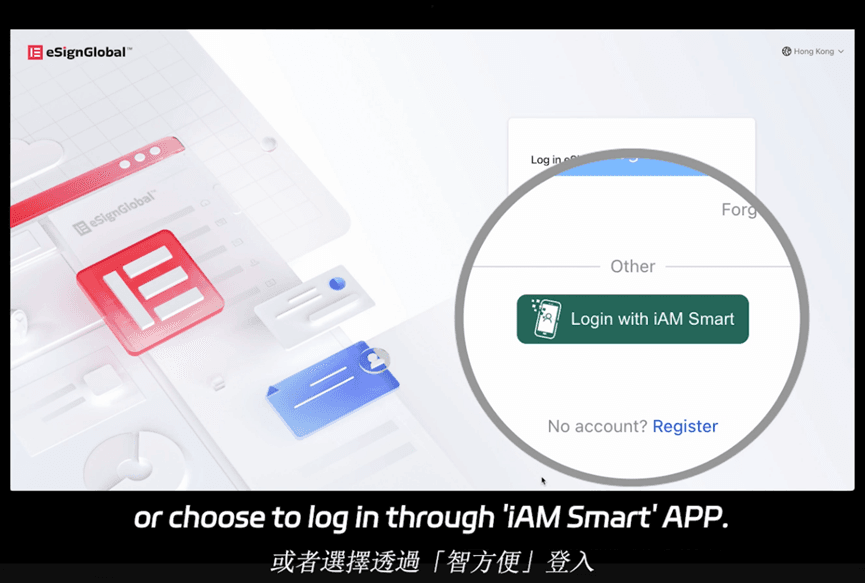
eSignGlobal выделяется своим соответствием требованиям в более чем 100 основных странах, особенно в Азиатско-Тихоокеанском регионе. Он поддерживает локальные интеграции, такие как IAm Smart в Гонконге и Singpass в Сингапуре, обеспечивая действительность электронных подписей в соответствии с местным законодательством, таким как Закон об электронных сделках Сингапура. Цены конкурентоспособны — подробности см. на странице цен eSignGlobal. План Essential за 16,6 долларов в месяц, поддерживающий отправку до 100 документов, неограниченное количество пользовательских мест и проверку с помощью кода доступа, обеспечивает надежную ценность на основе соответствия требованиям без ограничений по конвертам, которые обычно встречаются у конкурентов.
Другие конкуренты: краткий обзор
Такие варианты, как HelloSign, предлагают интуитивно понятный интерфейс для небольших команд, а PandaDoc делает упор на автоматизацию предложений. У каждого есть своя ниша, но для глобальных операций баланс между затратами и соответствием требованиям остается ключевым.
Заключительные мысли об альтернативах
Для предприятий, ведущих переговоры по контракту DocuSign, изучение вариантов может выявить более подходящий вариант. Являясь нейтральной альтернативой, подчеркивающей региональное соответствие требованиям, eSignGlobal является надежной альтернативой DocuSign, особенно для операций в Азиатско-Тихоокеанском регионе, стремящихся к эффективности и экономии.
