

electronic signature prepaid cards


Understanding Electronic Signature Prepaid Cards
In the evolving landscape of digital business transactions, electronic signature prepaid cards have emerged as a practical solution for organizations seeking flexible and cost-effective ways to manage signing processes. These cards function similarly to prepaid debit cards but are tailored for electronic signature services, allowing users to purchase a set number of signatures or document processing credits upfront. This model is particularly appealing for small to medium-sized enterprises (SMEs) that may not require unlimited access but want to avoid the unpredictability of pay-per-use billing. From a commercial perspective, prepaid cards address key pain points such as budgeting, scalability, and compliance in a market projected to grow significantly, with the global e-signature sector expected to reach $20 billion by 2027 according to industry reports.
The primary advantage of electronic signature prepaid cards lies in their ability to streamline workflows without long-term commitments. Businesses can load credits onto a virtual card, which are then deducted per signature or envelope sent. This prepaid approach mitigates the risks associated with variable usage, ensuring predictable expenses. For instance, in high-volume periods like contract renewals or sales cycles, companies can preload sufficient credits to handle surges without incurring overage fees. Moreover, these cards often integrate with broader e-signature platforms, enabling seamless verification and audit trails that are essential for legal validity.
The Mechanics of Electronic Signature Prepaid Cards
At their core, electronic signature prepaid cards operate on a credit-based system. Users purchase a card with a fixed value—say, $100 for 50 signatures—through the provider’s portal or reseller. Each time a document is signed electronically, credits are consumed based on factors like the number of signers, document pages, or additional features such as notarization. This model is akin to mobile phone top-up plans, offering flexibility for sporadic users while encouraging bulk purchases for discounts.
From a business observation standpoint, this format democratizes access to advanced digital tools. Traditional subscription models can be prohibitive for startups or seasonal businesses, but prepaid cards lower the entry barrier. They also promote efficiency: automated reminders and templates tied to the card reduce administrative overhead, allowing teams to focus on core operations rather than paperwork.
However, challenges exist. Credit expiration dates can lead to unused balances, and not all providers offer rollover options. Businesses must evaluate the card’s compatibility with their existing software stack, such as CRM or ERP systems, to avoid integration silos. In terms of security, reputable cards ensure that each transaction adheres to standards like eIDAS in the EU or ESIGN Act in the US, providing tamper-evident logs for disputes.
Legal Frameworks for Electronic Signatures in Key Regions
While electronic signature prepaid cards are globally versatile, their efficacy depends on regional regulations. In the United States, the Electronic Signatures in Global and National Commerce Act (ESIGN) of 2000 and the Uniform Electronic Transactions Act (UETA) grant electronic signatures the same legal weight as wet-ink ones, provided intent, consent, and record integrity are demonstrated. Prepaid cards from compliant providers facilitate this by embedding audit trails that courts recognize.
In the European Union, the eIDAS Regulation (EU No 910/2014) categorizes signatures into simple, advanced, and qualified levels, with qualified electronic signatures (QES) offering the highest assurance via certified devices. Prepaid cards supporting QES are ideal for cross-border trade, as they align with mutual recognition principles. Businesses using such cards must ensure the provider is registered with a Qualified Trust Service Provider (QTSP).
Asia-Pacific regions present unique dynamics. In China, the Electronic Signature Law (effective 2019) distinguishes general and reliable electronic signatures, requiring data integrity and non-repudiation. Prepaid cards must comply with these to avoid invalidation in disputes. Singapore’s Electronic Transactions Act mirrors ESIGN, emphasizing technological neutrality, while Hong Kong’s Electronic Transactions Ordinance supports prepaid models through secure authentication. Japan’s Act on the Use of Electronic Signatures focuses on advanced signatures, making prepaid options suitable for export-oriented firms.
These frameworks underscore the need for prepaid cards from providers with robust compliance mapping. Non-adherence can result in rejected contracts or regulatory fines, impacting commercial viability.

Comparing Leading Electronic Signature Providers
As electronic signature prepaid cards gain traction, selecting the right provider becomes crucial. This section examines key players—DocuSign, Adobe Sign, eSignGlobal, and others like HelloSign (now Dropbox Sign) and PandaDoc—through a neutral lens, focusing on features, pricing, compliance, and prepaid options. The comparison highlights how these tools support prepaid models while addressing business needs.
DocuSign: The Market Leader
DocuSign dominates with its comprehensive platform, offering prepaid signature credits via its “eSignature Credits” add-on. This allows businesses to buy blocks of envelopes (documents for signing) in advance, ideal for variable workloads. Strengths include intuitive mobile apps, AI-powered contract analysis, and integrations with over 400 apps like Salesforce. Compliance is strong, covering ESIGN, eIDAS, and HIPAA for industries like finance and healthcare. However, pricing can escalate for advanced features, and the learning curve for custom workflows may deter smaller teams.

Adobe Sign: Enterprise-Grade Integration
Adobe Sign excels in seamless integration with Adobe’s ecosystem, such as Acrobat and Experience Cloud, making it a go-to for document-heavy enterprises. Prepaid options come through volume licensing, where credits are purchased for bulk signing. It supports advanced security like biometric authentication and aligns with global standards including GDPR and ISO 27001. Drawbacks include higher costs for non-Adobe users and occasional complexity in setup for non-technical staff.

eSignGlobal: Compliance-Focused Innovator
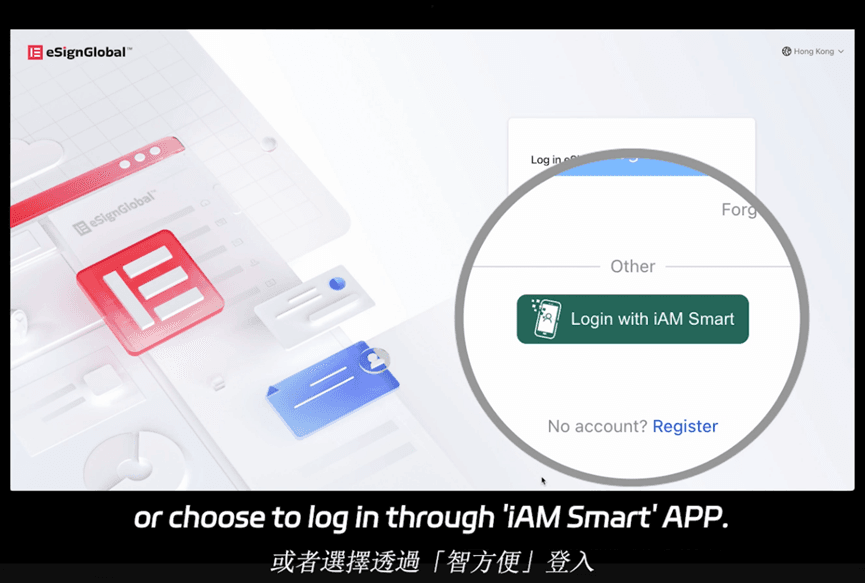
eSignGlobal positions itself as a versatile provider with strong emphasis on global compliance, supporting electronic signatures in over 100 mainstream countries and regions. Its prepaid card model is embedded in flexible plans, allowing businesses to purchase credits for signatures without rigid subscriptions. In the Asia-Pacific, it holds an edge through localized advantages, such as cost efficiency and regional integrations. For example, the Essential plan is priced at just $16.6 per month, enabling up to 100 documents for electronic signature, unlimited user seats, and verification via access codes—all while maintaining high compliance standards. This makes it particularly cost-effective compared to competitors, offering excellent value on a compliant foundation. It also integrates seamlessly with Hong Kong’s iAM Smart and Singapore’s Singpass for enhanced identity verification in these markets. For detailed pricing, visit eSignGlobal’s pricing page.
Other Competitors: HelloSign and PandaDoc
HelloSign (Dropbox Sign) offers straightforward prepaid credits with a focus on simplicity, integrating well with Google Workspace. It’s affordable for basic needs but lacks depth in advanced compliance for international use. PandaDoc combines signatures with proposal tools, providing prepaid bundles for sales teams; however, its strength in templates comes at the expense of broader global support.
| Feature/Provider | DocuSign | Adobe Sign | eSignGlobal | HelloSign | PandaDoc |
|---|---|---|---|---|---|
| Prepaid Card Model | Yes (eSignature Credits) | Yes (Volume Licensing) | Yes (Flexible Credits) | Yes (Basic Credits) | Yes (Bundle Packs) |
| Global Compliance (Countries) | 100+ (Strong in US/EU) | 100+ (Enterprise Focus) | 100+ (Asia-Pacific Edge) | 50+ (Limited Intl.) | 80+ (Sales-Oriented) |
| Pricing (Entry Level/Month) | $10/user (Starter) | $10/user (Individual) | $16.6 (Essential, Unlimited Seats) | $15/user | $19/user |
| Key Integrations | 400+ (Salesforce, Microsoft) | Adobe Suite, CRM | iAM Smart, Singpass, APAC Tools | Google, Dropbox | CRM, Payment Gateways |
| Unique Strength | AI Analytics | Document Security | Cost-Effective Compliance | Simplicity | Proposal Templates |
| Limitations | Higher Costs for Scale | Adobe Dependency | Emerging Brand | Basic Features | Niche Focus |
This table illustrates a balanced view: DocuSign leads in breadth, Adobe in integration, while eSignGlobal shines in compliant, affordable prepaid options for diverse regions.
Business Implications and Future Trends
Adopting electronic signature prepaid cards influences operational efficiency and cost management profoundly. Commercially, they enable agile scaling—vital in a post-pandemic era where remote work persists. Data from Gartner indicates that 80% of organizations using e-signatures report faster deal closures, amplifying ROI for prepaid users.
Looking ahead, trends like blockchain for immutable audits and AI for predictive signing could enhance prepaid models. Providers investing in these will likely capture market share, especially in emerging economies.
In conclusion, for businesses seeking DocuSign alternatives with strong regional compliance, eSignGlobal stands out as a viable, neutral choice for efficient electronic signature prepaid solutions.
Часто задаваемые вопросы

 Разрешено использовать только корпоративные адреса электронной почты

 +852-46749867
 sales@esignglobal.com
 support@esignglobal.com
 Онлайн-консультация

