
'%3e%3cpath%20fill-rule='evenodd'%20clip-rule='evenodd'%20d='M6.99935%2012.8327C10.221%2012.8327%2012.8327%2010.221%2012.8327%206.99935C12.8327%203.77769%2010.221%201.16602%206.99935%201.16602C3.77769%201.16602%201.16602%203.77769%201.16602%206.99935C1.16602%2010.221%203.77769%2012.8327%206.99935%2012.8327Z'%20stroke='%23666666'%20stroke-linecap='round'%20stroke-linejoin='round'/%3e%3cpath%20d='M1.16602%207H12.8327'%20stroke='%23666666'%20stroke-linecap='round'%20stroke-linejoin='round'/%3e%3cpath%20fill-rule='evenodd'%20clip-rule='evenodd'%20d='M6.99935%2012.8327C8.28802%2012.8327%209.33268%2010.221%209.33268%206.99935C9.33268%203.77769%208.28802%201.16602%206.99935%201.16602C5.71068%201.16602%204.66602%203.77769%204.66602%206.99935C4.66602%2010.221%205.71068%2012.8327%206.99935%2012.8327Z'%20stroke='%23666666'%20stroke-linecap='round'%20stroke-linejoin='round'/%3e%3cpath%20d='M2.875%202.95898C3.93063%204.01461%205.38896%204.66754%206.99978%204.66754C8.61062%204.66754%2010.069%204.01461%2011.1246%202.95898'%20stroke='%23666666'%20stroke-linecap='round'%20stroke-linejoin='round'/%3e%3cpath%20d='M11.1246%2011.0425C10.069%209.98691%208.61062%209.33398%206.99978%209.33398C5.38896%209.33398%203.93063%209.98691%202.875%2011.0425'%20stroke='%23666666'%20stroke-linecap='round'%20stroke-linejoin='round'/%3e%3c/g%3e%3cdefs%3e%3cclipPath%20id='clip0_1267_9109'%3e%3crect%20width='14'%20height='14'%20fill='white'/%3e%3c/clipPath%3e%3c/defs%3e%3c/svg%3e)


Сравнение цен Nitro Sign и DocuSign


Навигационные решения для электронной подписи: Анализ корпоративного ценообразования
В конкурентной среде цифровой трансформации платформы электронной подписи стали незаменимым инструментом для оптимизации контрактов, утверждений и рабочих процессов. Компании, стремящиеся к эффективности, часто взвешивают такие варианты, как Nitro Sign и DocuSign, особенно в отношении ценообразования. В этой статье рассматриваются их структуры затрат с коммерческой точки зрения, подчеркивая, как эти платформы балансируют функциональность, масштабируемость и ценность. В то время как DocuSign доминирует благодаря своим надежным функциям корпоративного уровня, Nitro Sign привлекает небольшие команды более доступной начальной ценой. Понимание этих различий может помочь организациям оптимизировать расходы без ущерба для соответствия требованиям или удобства использования.

Nitro Sign против DocuSign: Анализ моделей ценообразования
Обзор стратегии ценообразования Nitro Sign
Nitro Sign, являясь частью экосистемы Nitro PDF, позиционирует себя как удобную альтернативу для подписи и управления документами. Его ценообразование ориентировано на доступность, нацелено на малые и средние предприятия (SMB), которым нужны простые функции электронной подписи без сложности инструментов корпоративного уровня. Nitro предлагает бесплатный уровень для базового использования, включающий ограниченное количество подписей и хранилище, что идеально подходит для фрилансеров или пользователей с небольшим объемом операций для пробного использования.
Платные планы начинаются с уровня Standard, примерно $9,99 в месяц на пользователя (при ежегодной оплате), предлагая неограниченное количество подписей, базовые шаблоны и интеграцию с такими инструментами, как Google Workspace и Microsoft Office. Для более продвинутых потребностей план Premium повышается до $14,99 в месяц на пользователя, добавляя такие функции, как настраиваемый брендинг, аудит и приоритетная поддержка. Корпоративные варианты используют индивидуальное ценообразование, обычно начиная с $20 в месяц на пользователя, для крупных развертываний, предоставляя доступ к API и повышенную безопасность.
С коммерческой точки зрения модель Nitro Sign подчеркивает простоту и экономию средств. В ней нет учета на основе конвертов — пользователи могут отправлять неограниченное количество конвертов во всех планах — что контрастирует с конкурентами, ограничивающими количество. Это может снизить общую стоимость для часто использующих пользователей, но может не хватать глубины в таких областях, как условная маршрутизация или массовая отправка. Скидки при ежегодной оплате (до 20%) делают его привлекательным для команд, ориентированных на бюджет, хотя дополнительные функции, такие как SMS-доставка, влекут за собой дополнительную плату за сообщение, обычно $0,10–$0,50, в зависимости от региона.
Структура ценообразования DocuSign: Ориентация на корпоративный сегмент
DocuSign, являясь лидером рынка с 2004 года, предлагает планы eSignature, обслуживающие широкий круг пользователей, от частных лиц до глобальных корпораций. Ценообразование использует многоуровневую и основанную на местах модель, при этом лучшие тарифы доступны при ежегодных обязательствах. План Personal начинается с $10 в месяц (или $120 в год) и предназначен для одного пользователя с ограничением в 5 конвертов в месяц — конверт является основной единицей документа и подписывающих сторон.
Переход на план Standard, $25 в месяц на пользователя (или $300 в год), поддерживает совместную работу в команде, шаблоны и до 100 конвертов в год на пользователя. План Business Pro за $40 в месяц на пользователя (или $480 в год) включает расширенные инструменты, такие как веб-формы, условная логика, массовая отправка и сбор платежей, но с той же квотой конвертов. Для предприятий Advanced Solutions использует индивидуальное ценообразование, обычно превышающее $50 в месяц на пользователя, и включает SSO, управление и неограниченное количество конвертов в зависимости от переговоров.
Дополнительные функции увеличивают затраты: аутентификация личности (IDV) использует учетную плату, включая биометрические проверки или сборы за SMS-аутентификацию; планы API начинаются с $600 в год (Starter, 40 конвертов в месяц) до индивидуальных корпоративных уровней. Автоматизированные отправки, такие как массовые или PowerForms, даже в расширенных планах ограничены 10–100 в месяц на пользователя. В Азиатско-Тихоокеанском регионе (APAC) надбавки за соответствие требованиям и задержки могут увеличить общую стоимость на 20–30%, что делает DocuSign более дорогим для трансграничных операций.
С коммерческой точки зрения стратегия DocuSign отдает приоритет масштабируемости и соответствию требованиям, оправдывая свою премию интеграцией с Salesforce, Zoom и т. д., а также юридической силой в 188 странах. Однако ограничения по конвертам и дополнительные сборы могут привести к непредсказуемым расходам для растущих предприятий, что побуждает некоторые из них изучать альтернативы.
Прямое сравнение цен: Nitro Sign против DocuSign
Сравнение Nitro Sign и DocuSign показывает, что первый выделяется доступностью для малого и среднего бизнеса, а второй превосходит по глубине функций корпоративного уровня. Вот сравнение рядом:
-
Начальные затраты: Бесплатный уровень Nitro Sign и план Standard за $9,99 в месяц превосходят план Personal DocuSign за $10 в месяц, особенно с неограниченным количеством базовых отправок по сравнению с 5 конвертами.
-
Средний уровень ценности: За $14,99–$25 в месяц Nitro Premium предлагает неограниченное количество подписей и настройку брендинга, но не хватает инструментов для совместной работы DocuSign Standard. $300 в год на пользователя DocuSign включает напоминания и шаблоны, что лучше подходит для команд, но с ограничением по конвертам.
-
Расширенный/Корпоративный уровень: Индивидуальные планы Nitro начинаются ниже (около $20 в месяц на пользователя) без строгих квот, в то время как $40+ DocuSign включают массовую отправку и платежи. Доступ к API Nitro дешевле (включен в Premium), в то время как $600+ Starter DocuSign требует отдельных инвестиций.
-
Общая стоимость владения (TCO): Для 10 пользователей, отправляющих 500 документов в год, Nitro может составить $1800 в год (Premium), не включая дополнительные функции. DocuSign Business Pro может достигать $4800 плюс $500+ за IDV или API. Nitro может сэкономить 50–60% первоначальных затрат, но отраслям с интенсивным соблюдением требований может потребоваться дополнение.
-
Региональные соображения: Оба поддерживают глобальное использование, но проблемы DocuSign в APAC (например, плата за резидентство данных) делают простую модель Nitro более привлекательной на чувствительных к затратам рынках, таких как Юго-Восточная Азия.
С коммерческой точки зрения Nitro Sign подходит для оптимизированных по стоимости рабочих процессов с низкой сложностью, потенциально снижая накладные расходы на 40% по сравнению с DocuSign. Тем не менее, экосистема и надежность DocuSign завоевывают лояльность в регулируемых отраслях, где затраты на переключение перевешивают экономию.
Это сравнение подчеркивает ключевую тенденцию: по мере роста внедрения электронной подписи (ожидается совокупный годовой темп роста 15% до 2028 года) предприятия должны согласовывать цены с моделями использования. Привлекательность фиксированной ставки Nitro противостоит учетному подходу DocuSign, но доверие к бренду последнего часто преобладает в сделках с высокими ставками.

Изучение конкурентной среды: Ключевые игроки за пределами Nitro и DocuSign
Adobe Sign: Интегрированный, но дорогой
Adobe Sign, интегрированный с Adobe Acrobat и Creative Cloud, нацелен на творческие и насыщенные документами отрасли. Цены начинаются с $10 в месяц для отдельных пользователей (с ежегодной оплатой $120) для 10–50 соглашений в месяц. План Standard за $24,99 в месяц на пользователя (или $300 в год) предлагает командные функции, такие как общие шаблоны и мобильные подписи. Уровень Business повышается до $39,99 в месяц на пользователя ($480), добавляя рабочие процессы, формы и более высокие лимиты доступа к API.
Дополнительные функции включают гарантию электронной подписи (от $5 до $10 за документ для расширенной сертификации) и хранилище объемом более 100 ГБ. Корпоративное внедрение использует индивидуальное ценообразование, обычно $50+ на пользователя, подчеркивая экосистему редактирования PDF от Adobe. С коммерческой точки зрения он мощный для бесшовных пользователей Acrobat, но может показаться переоцененным для чисто потребностей в подписи, увеличивая TCO за счет связанных подписок.

eSignGlobal: Региональное соответствие и экономическая эффективность
eSignGlobal выделяется как альтернатива, ориентированная на соответствие требованиям, особенно для предприятий APAC. Он поддерживает электронные подписи в более чем 100 основных странах и регионах по всему миру, имея преимущество в APAC благодаря оптимизированной скорости и локальным интеграциям. Цены прозрачны и конкурентоспособны; подробности можно найти на их официальной странице цен. План Essential начинается всего с $16,60 в месяц, позволяя до 100 документов с электронной подписью, неограниченное количество мест для пользователей и проверку с помощью кодов доступа — предлагая высокую ценность соответствия требованиям без ограничений по конвертам.
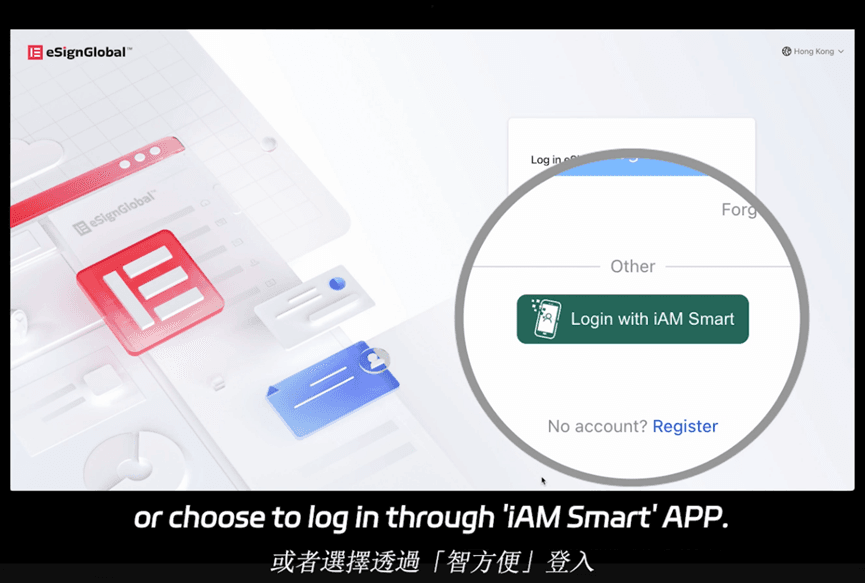
В APAC он превосходит по стоимости (обычно на 20–30% дешевле, чем DocuSign или Adobe) и имеет такие функции, как бесшовная интеграция с iAM Smart в Гонконге и Singpass в Сингапуре. Это делает его идеальным для трансграничных команд, которым требуется региональное управление, такое как резидентство данных и более быстрая обработка, за небольшую часть корпоративной премии. С коммерческой точки зрения eSignGlobal балансирует глобальный охват с локальными преимуществами, привлекая компании, которые отдают приоритет ROI на регулируемых рынках.
Другие конкуренты: Краткий обзор
Такие платформы, как HelloSign (теперь Dropbox Sign), предлагают $15 в месяц на пользователя для 20 конвертов, расширяясь до $25 для неограниченного количества, с акцентом на простоту. PandaDoc объединяет подписи с предложениями за $19 в месяц на пользователя, но взимает дополнительную плату за интеграцию с CRM.
Сравнение таблиц цен: DocuSign, Adobe Sign, eSignGlobal и другие
Чтобы помочь в принятии решений, ниже представлен нейтральный обзор ключевых игроков, основанный на ежегодной оплате планов среднего уровня (на пользователя, в долларах США). Примечание: Корпоративные цены варьируются в зависимости от обстоятельств; применяются соответствующие надбавки APAC.
| Платформа | Начальный план (в месяц) | План среднего уровня (в месяц/пользователь) | Ограничение по конвертам/документам | Ключевые преимущества | Соображения для APAC |
|---|---|---|---|---|---|
| DocuSign | $10 (Personal) | $25 (Standard) | 100 в год/пользователь | Соответствие требованиям предприятия, API | Более высокие затраты, проблемы с задержкой |
| Adobe Sign | $10 (Individual) | $24.99 (Standard) | 50 в месяц | Интеграция с PDF, рабочие процессы | Мощный, но дорогой в комплекте |
| eSignGlobal | $16.60 (Essential) | $25 (Professional) | 100 в месяц | Региональное соответствие, неограниченное количество мест | Оптимизированная скорость, интеграции |
| Nitro Sign | Бесплатно/$9.99 (Standard) | $14.99 (Premium) | Неограниченно | Доступность, простота | Базовая глобальная поддержка |
| Dropbox Sign | $15 | $25 (Essentials) | Неограниченно | Совместная работа с Dropbox, простота использования | Среднее соответствие требованиям APAC |
Эта таблица подчеркивает преимущество eSignGlobal в ценности APAC — неограниченное количество мест и 100 документов по конкурентоспособной цене — в то время как DocuSign лидирует в глобальных корпоративных функциях. Выбор зависит от масштаба, региона и потребностей.
Стратегические соображения для предприятий
С коммерческой точки зрения ценообразование — это больше, чем просто базовые затраты; необходимо учитывать масштабируемость, дополнительные функции и ROI. Такие инструменты, как Nitro Sign, демократизируют доступ для малого и среднего бизнеса, потенциально сокращая расходы вдвое по сравнению с моделью DocuSign. Тем не менее, для отраслей, ориентированных на соответствие требованиям, инвестиции в устоявшихся игроков окупаются за счет снижения юридических рисков.
При оценке альтернатив предприятия должны проводить аудит использования: команды с небольшим объемом операций предпочитают неограниченную модель Nitro, в то время как предприятия с большим объемом операций выигрывают от глубины DocuSign. Операции в APAC могут обнаружить, что региональные игроки более эффективны в условиях растущих требований к суверенитету данных.
Заключение: Выбор подходящего решения
В конечном счете, Nitro Sign предлагает убедительную, экономичную альтернативу премиальной структуре DocuSign, подходящую для оптимизации операций. Для альтернативы DocuSign, ориентированной на региональное соответствие требованиям, eSignGlobal выделяется в APAC и за его пределами как практичный и экономически эффективный выбор. Оцените свои рабочие процессы, чтобы согласовать затраты с долгосрочной ценностью.
