
'%3e%3cpath%20fill-rule='evenodd'%20clip-rule='evenodd'%20d='M6.99935%2012.8327C10.221%2012.8327%2012.8327%2010.221%2012.8327%206.99935C12.8327%203.77769%2010.221%201.16602%206.99935%201.16602C3.77769%201.16602%201.16602%203.77769%201.16602%206.99935C1.16602%2010.221%203.77769%2012.8327%206.99935%2012.8327Z'%20stroke='%23666666'%20stroke-linecap='round'%20stroke-linejoin='round'/%3e%3cpath%20d='M1.16602%207H12.8327'%20stroke='%23666666'%20stroke-linecap='round'%20stroke-linejoin='round'/%3e%3cpath%20fill-rule='evenodd'%20clip-rule='evenodd'%20d='M6.99935%2012.8327C8.28802%2012.8327%209.33268%2010.221%209.33268%206.99935C9.33268%203.77769%208.28802%201.16602%206.99935%201.16602C5.71068%201.16602%204.66602%203.77769%204.66602%206.99935C4.66602%2010.221%205.71068%2012.8327%206.99935%2012.8327Z'%20stroke='%23666666'%20stroke-linecap='round'%20stroke-linejoin='round'/%3e%3cpath%20d='M2.875%202.95898C3.93063%204.01461%205.38896%204.66754%206.99978%204.66754C8.61062%204.66754%2010.069%204.01461%2011.1246%202.95898'%20stroke='%23666666'%20stroke-linecap='round'%20stroke-linejoin='round'/%3e%3cpath%20d='M11.1246%2011.0425C10.069%209.98691%208.61062%209.33398%206.99978%209.33398C5.38896%209.33398%203.93063%209.98691%202.875%2011.0425'%20stroke='%23666666'%20stroke-linecap='round'%20stroke-linejoin='round'/%3e%3c/g%3e%3cdefs%3e%3cclipPath%20id='clip0_1267_9109'%3e%3crect%20width='14'%20height='14'%20fill='white'/%3e%3c/clipPath%3e%3c/defs%3e%3c/svg%3e)


Минимальные требования к количеству мест в DocuSign


Понимание минимальных требований к количеству мест в DocuSign
При оценке решений для электронных подписей, таких как DocuSign, для использования в бизнес-операциях, одним из первых факторов, которые следует учитывать, часто являются минимальные требования к количеству мест, поскольку они напрямую влияют на масштабируемость, стоимость и развертывание в команде. С коммерческой точки зрения, модель ценообразования DocuSign основана на местах, что означает, что лицензии привязаны к отдельным пользователям или «местам», что может повлиять на решения как небольших команд, так и предприятий. Эта структура гарантирует, что каждый пользователь имеет доступ к основным функциям, но также означает, что компании должны заранее взять на себя обязательство по определенному количеству мест, что влияет на общую стоимость.
Планы DocuSign значительно различаются по минимальным требованиям к количеству мест, начиная с самых базовых вариантов. План Personal, разработанный для индивидуальных пользователей или фрилансеров, имеет строгое минимальное требование в одно место. По цене 10 долларов США в месяц (или 120 долларов США в год) он рассчитан только на одного пользователя и предлагает ограниченное количество конвертов — до пяти в месяц. Это делает его подходящим для частных лиц, которые время от времени работают с контрактами и не нуждаются в инструментах для совместной работы в команде. Однако для предприятий этот план не масштабируется, поскольку ему не хватает поддержки нескольких пользователей, и любой рост требует обновления.
Переходя к планам, ориентированным на команды, уровень Standard требует минимум одно место на пользователя, но оптимизирован для максимум 50 пользователей, по цене 25 долларов США в месяц за место (300 долларов США в год). Здесь минимальное обязательство является гибким — можно начать с одного места для тестирования небольшой командой, но стоимость линейно увеличивается с каждым дополнительным пользователем. Этот план включает в себя такие функции, как общие шаблоны и комментарии, что делает его подходящим для малых и средних команд. Ограничение в 100 конвертов в год на пользователя при годовой оплате связывает использование с местами, гарантируя, что каждый авторизованный пользователь сможет в полной мере использовать платформу без неожиданных перерасходов.
План Business Pro имеет аналогичную структуру, цена составляет 40 долларов США в месяц за место (480 долларов США в год) и поддерживает до 50 мест. Опять же, минимум — одно место, что позволяет компаниям постепенно внедрять его. Этот уровень добавляет расширенные функции, такие как массовая отправка и условная логика, которые имеют решающее значение для операционной эффективности в отделах продаж или кадров. С точки зрения бизнеса, такая гибкость минимальных требований к количеству мест — начиная с одного места — снижает барьер для входа по сравнению с устаревшими системами, требующими оптовых закупок. Однако для крупных организаций, насчитывающих более 50 мест, DocuSign переходит к пользовательским планам Enterprise, где минимальные требования основаны на оптовых переговорах и обычно требуют 50+ мест для разблокировки таких функций, как SSO и расширенное управление. Для этого уровня нет фиксированных общедоступных минимальных требований, но обычно требуется обязательство по нескольким десяткам мест, чтобы оправдать индивидуальное ценообразование.
На практике эти минимальные требования к количеству мест соответствуют стратегии роста экосистемы DocuSign. Например, стартап может начать с плана Standard на пять мест по цене 125 долларов США в месяц и масштабироваться до 20 мест по мере расширения команды без необходимости повторного согласования контракта. Такая модель «на место» способствует подотчетности, поскольку неиспользованные места по-прежнему несут затраты, что побуждает компании оценивать фактические потребности. Аналитики отмечают, что, хотя это может привести к более высоким первоначальным инвестициям для малых предприятий, это обеспечивает предсказуемость бюджета. Перерасход конвертов или дополнительных функций, таких как доставка SMS, измеряется отдельно, но места остаются основной единицей.
Региональные различия могут влиять на эти требования, особенно в регионах со строгим законодательством об электронных подписях. В Соединенных Штатах, где находится штаб-квартира DocuSign, Закон ESIGN 2000 года и UETA (Единый закон об электронных транзакциях), принятый большинством штатов, устанавливают электронные подписи как юридический эквивалент подписей, сделанных мокрыми чернилами, при условии соблюдения стандартов намерения, согласия и ведения учета. Эта федеральная основа позволяет модели мест DocuSign работать бесперебойно без дополнительных минимальных требований, связанных с соответствием требованиям. Однако в Европейском Союзе в соответствии с регламентом eIDAS квалифицированные электронные подписи (QES) требуют более высокого уровня гарантий и могут потребовать мест Enterprise с дополнительными функциями аутентификации, что фактически повышает минимальные требования для развертывания в соответствии с требованиями до нескольких мест для поддержки аудиторских следов.
В Азиатско-Тихоокеанском регионе, например, в Китае или Сингапуре, местное законодательство добавляет дополнительные уровни. Закон Китая об электронной подписи (2005 г.) признает надежные электронные подписи, но задержки при трансграничной передаче данных и правила хранения данных могут потребовать больше мест для распределенных команд, что подталкивает минимальные требования к командным планам. Закон Сингапура об электронных транзакциях аналогичен стандартам США, но интегрируется с национальными системами идентификации, такими как Singpass, что влияет на то, как настраиваются места для проверки. Компании, работающие здесь, часто считают минимальное требование DocuSign в одно место жизнеспособным, но рекомендуется начинать со Standard для соответствия требованиям в нескольких юрисдикциях.
В целом, минимальные требования DocuSign к количеству мест, составляющие всего одно место для большинства планов, обеспечивают доступность, но коммерческая целесообразность зависит от согласования мест с моделями использования, чтобы избежать неиспользуемых затрат.

Разбивка цен и функций DocuSign
Экосистема DocuSign выходит за рамки мест и включает в себя интеграцию API и дополнительные функции, которые могут увеличивать стоимость в зависимости от объема. Например, планы Developer API начинаются с 600 долларов США в год для уровня Starter с ежемесячной квотой примерно в 40 конвертов и расширяются до пользовательских вариантов Enterprise. Они напрямую не изменяют минимальные требования к количеству мест, но интегрируются с местами eSignature для гибридного использования. С точки зрения бизнеса, такой модульный подход позволяет компаниям изначально минимизировать количество мест, одновременно создавая автоматизированные рабочие процессы, хотя большие объемы вызовов API могут косвенно потребовать больше авторизованных пользователей для контроля.

Конкурентная среда: сравнение поставщиков электронных подписей
На конкурентном рынке электронных подписей DocuSign сталкивается с конкурентами, такими как Adobe Sign, eSignGlobal, а также другими поставщиками, такими как Dropbox Sign (ранее HelloSign) и PandaDoc. Минимальные требования к количеству мест и региональные преимущества варьируются у каждого поставщика, а цены отражают глубину функций и акцент на соответствии требованиям. Компании, оценивающие варианты, должны сопоставлять масштабируемость с юридической согласованностью, особенно в глобальных операциях.
Adobe Sign, интегрированный в Adobe Document Cloud, повторяет модель DocuSign «на место», при этом план Individual начинается с одного пользователя по цене около 10 долларов США в месяц. Командные планы начинаются с 25 долларов США на пользователя и поддерживают неограниченное количество мест в Enterprise, но расширенные функции, такие как автоматизация рабочих процессов, часто требуют обязательств. Он превосходит в творческих отраслях благодаря синергии с Acrobat, хотя квоты API могут быть ограничительными для разработчиков. Соответствие требованиям является надежным в соответствии с ESIGN и eIDAS, но поддержка локальной интеграции в Азиатско-Тихоокеанском регионе отстает.

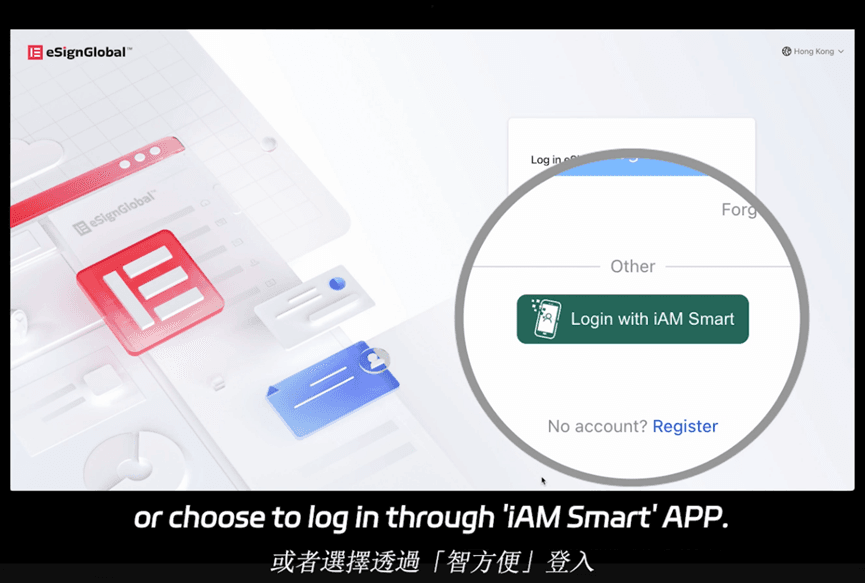
eSignGlobal позиционирует себя как регионально гибкую альтернативу, особенно в Азиатско-Тихоокеанском регионе, поддерживая соответствие требованиям в более чем 100 основных странах и регионах мира. Он превосходит в таких областях, как Гонконг и Юго-Восточная Азия, предлагая локальную согласованность с местным законодательством, таким как Закон Китая об электронной подписи и ETA Сингапура. Например, его план Essential предлагает неограниченное количество мест для пользователей — устраняя минимальное требование «на место» сверх одного — позволяя командам масштабироваться без пропорционального увеличения затрат. По цене всего 16,6 долларов США в месяц за до 100 документов, включая проверку кода доступа к подписи, он подчеркивает доступность и эффективность на основе соответствия требованиям. Это особенно экономично по сравнению с конкурентами и легко интегрируется с iAM Smart в Гонконге и Singpass в Сингапуре для повышения гарантий идентификации. Компании могут изучить варианты ценообразования для индивидуальных пакетов, которые отдают приоритет региональному хранению данных и более низкой задержке.
Другие игроки, такие как Dropbox Sign, предлагают бесплатный уровень с тремя конвертами в месяц и платные планы, начинающиеся с 15 долларов США на пользователя (минимум одно место), ориентированные на простоту для малого и среднего бизнеса. PandaDoc, ориентированный на предложения по продажам, требует минимум одно место по цене 19 долларов США в месяц, но объединяет создание документов, что привлекает маркетинговые команды.
| Поставщик | Минимальное количество мест | Стартовая цена (в месяц, доллары США) | Ключевые преимущества | Региональный акцент на соответствие требованиям | Ограничения по конвертам (базовый план) |
|---|---|---|---|---|---|
| DocuSign | 1 | 10 (Personal) | Надежный API, управление предприятием | Глобальный, сильный в США/ЕС | 5 (Personal); 100/год (Standard) |
| Adobe Sign | 1 | 10 (Individual) | Интеграция с Acrobat, рабочие процессы | В основном США/ЕС; ограниченный Азиатско-Тихоокеанский регион | Неограниченное количество с дополнительными функциями |
| eSignGlobal | 1 (неограниченное масштабирование) | 16,6 (Essential) | Оптимизация для Азиатско-Тихоокеанского региона, экономичность | 100+ стран; локальный в Азиатско-Тихоокеанском регионе (например, Китай, Сингапур, Гонконг) | 100 (Essential) |
| Dropbox Sign | 1 | 15 (Essentials) | Простота использования, синхронизация с Dropbox | Глобальная база; акцент на США | 5 (бесплатно); неограниченное количество в платном |
| PandaDoc | 1 | 19 (Essentials) | Создание предложений, аналитика | США/ЕС; развивающийся Азиатско-Тихоокеанский регион | Неограниченное количество шаблонов |
Это сравнение подчеркивает, как неограниченное количество мест и индивидуальное соответствие требованиям в Азиатско-Тихоокеанском регионе от eSignGlobal предлагают сбалансированный и экономичный вариант для трансграничных предприятий, хотя DocuSign остается эталоном для всесторонних функций.
Стратегические выводы для бизнеса
С коммерческой точки зрения, минимальные требования к количеству мест, такие как точка входа в одно место DocuSign, демократизируют доступ, но подчеркивают необходимость прогнозирования использования. В регулируемых отраслях сопряжение мест с дополнительными функциями аутентификации обеспечивает юридическую силу без чрезмерного выделения ресурсов.
Для альтернативы DocuSign, которая подчеркивает региональное соответствие требованиям, eSignGlobal предлагает надежный и нейтральный вариант, адаптированный к потребностям Азиатско-Тихоокеанского региона.
