
'%3e%3cpath%20fill-rule='evenodd'%20clip-rule='evenodd'%20d='M6.99935%2012.8327C10.221%2012.8327%2012.8327%2010.221%2012.8327%206.99935C12.8327%203.77769%2010.221%201.16602%206.99935%201.16602C3.77769%201.16602%201.16602%203.77769%201.16602%206.99935C1.16602%2010.221%203.77769%2012.8327%206.99935%2012.8327Z'%20stroke='%23666666'%20stroke-linecap='round'%20stroke-linejoin='round'/%3e%3cpath%20d='M1.16602%207H12.8327'%20stroke='%23666666'%20stroke-linecap='round'%20stroke-linejoin='round'/%3e%3cpath%20fill-rule='evenodd'%20clip-rule='evenodd'%20d='M6.99935%2012.8327C8.28802%2012.8327%209.33268%2010.221%209.33268%206.99935C9.33268%203.77769%208.28802%201.16602%206.99935%201.16602C5.71068%201.16602%204.66602%203.77769%204.66602%206.99935C4.66602%2010.221%205.71068%2012.8327%206.99935%2012.8327Z'%20stroke='%23666666'%20stroke-linecap='round'%20stroke-linejoin='round'/%3e%3cpath%20d='M2.875%202.95898C3.93063%204.01461%205.38896%204.66754%206.99978%204.66754C8.61062%204.66754%2010.069%204.01461%2011.1246%202.95898'%20stroke='%23666666'%20stroke-linecap='round'%20stroke-linejoin='round'/%3e%3cpath%20d='M11.1246%2011.0425C10.069%209.98691%208.61062%209.33398%206.99978%209.33398C5.38896%209.33398%203.93063%209.98691%202.875%2011.0425'%20stroke='%23666666'%20stroke-linecap='round'%20stroke-linejoin='round'/%3e%3c/g%3e%3cdefs%3e%3cclipPath%20id='clip0_1267_9109'%3e%3crect%20width='14'%20height='14'%20fill='white'/%3e%3c/clipPath%3e%3c/defs%3e%3c/svg%3e)


Как отменить подписку на DocuSign и сохранить документы?


Понимание отмены подписки на DocuSign с коммерческой точки зрения
В конкурентной среде решений для электронных подписей компании обычно оценивают свои инструменты на основе стоимости, соответствия требованиям и масштабируемости. DocuSign, как лидер рынка, предлагает надежные функции подписания документов, но по мере изменения операционных потребностей — например, ограничений бюджета или требований регионального соответствия — компании могут рассмотреть возможность отмены подписки. С коммерческой точки зрения отмена подписки — это не просто прекращение платежей; это включает в себя минимизацию сбоев при сохранении ценных активов, таких как подписанные контракты и шаблоны. Этот процесс обеспечивает непрерывность бизнес-процессов без потери критически важных данных.
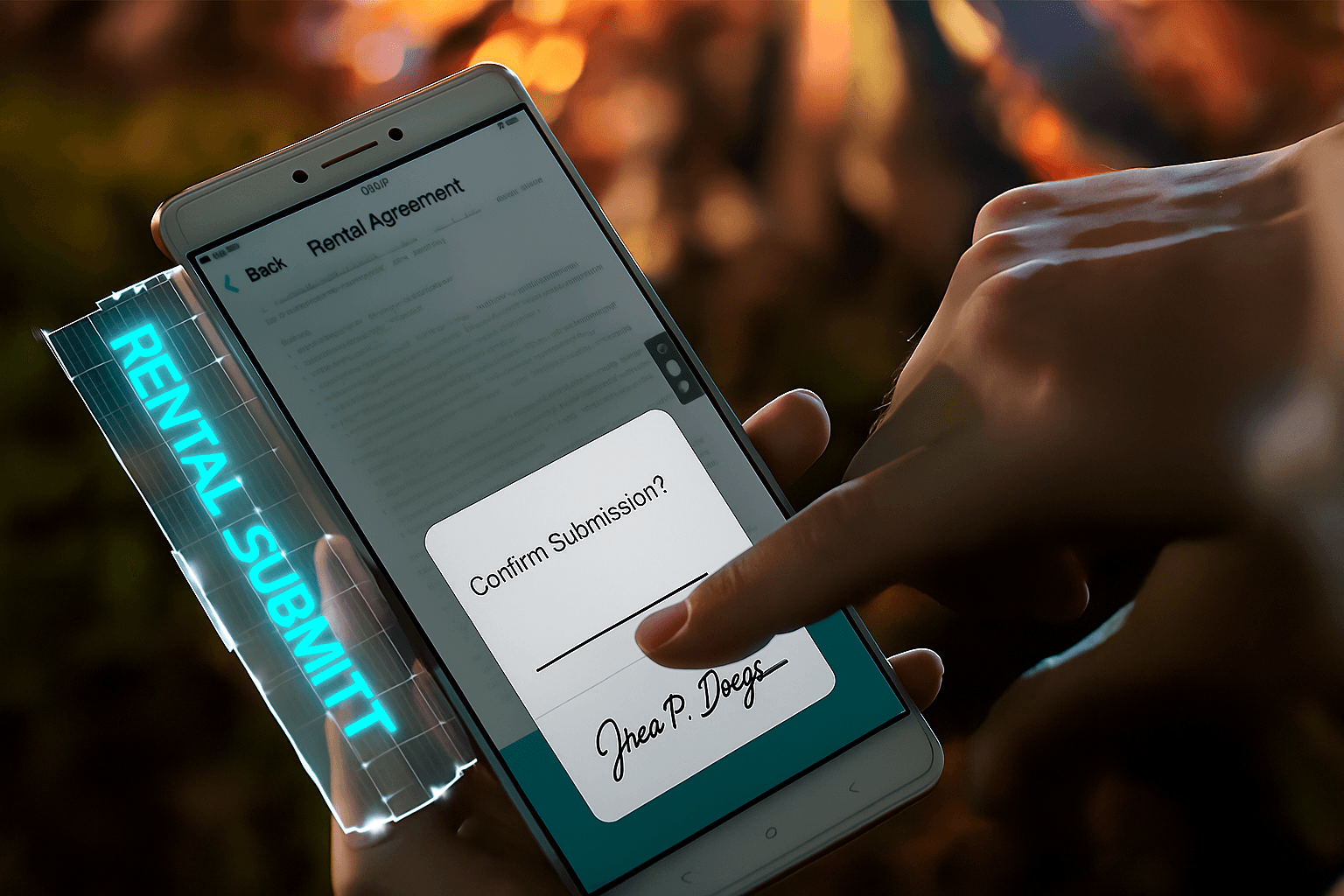
Пошаговое руководство: Отмена подписки на DocuSign
Отмена DocuSign требует тщательного подхода, чтобы избежать неожиданных сборов или перерывов в обслуживании. Будучи платформой, используемой во всем мире, политика отмены DocuSign соответствует стандартной практике SaaS, но пользователи должны предпринять действия до окончания расчетного периода, чтобы предотвратить автоматическое продление. Ниже приведено подробное руководство, основанное на официальных процедурах, в основном применимых к США и основным регионам.
1. Просмотрите детали своей подписки
Войдите в свою учетную запись DocuSign через веб-портал (docusign.com). Перейдите в раздел «Настройки» или «Учетная запись» в своем профиле. Здесь вы можете найти тип своего плана — например, Personal (10 долларов США в месяц), Standard (25 долларов США за пользователя в месяц) или Business Pro (40 долларов США за пользователя в месяц) — и расчетный период. Проверьте дату продления; годовые планы предлагают скидки, но фиксируют обязательства на весь год, хотя вы можете отменить их после окончания срока без штрафных санкций. Обратите внимание на любые дополнительные функции, такие как доставка SMS или аутентификация, которые могут иметь отдельные тарифы на основе использования.
С коммерческой точки зрения крайне важно провести аудит использования. DocuSign ограничивает количество конвертов (документов для подписания) примерно 100 на пользователя в год в большинстве планов, поэтому, если ваша команда превышает этот лимит, могут возникнуть дополнительные сборы даже во время отмены.
2. Загрузите и сделайте резервную копию всех документов
Прежде чем продолжить, уделите приоритетное внимание экспорту данных. DocuSign хранит конверты, шаблоны и отчеты в вашей учетной записи, но доступ будет прекращен после отмены. Перейдите на вкладку «Управление», выберите «Конверты» и используйте функцию «Экспорт» для загрузки подписанных документов (в формате PDF). Для массовых операций используйте инструмент «Отчеты» для создания аудиторских следов и данных подписантов. Шаблоны можно сохранить, загрузив ZIP-файлы (содержащие формы и поля) из раздела «Шаблоны».
Предприятия также должны заранее интегрироваться с облачными хранилищами (такими как Google Drive или Dropbox), поскольку DocuSign поддерживает прямой экспорт. Этот шаг имеет решающее значение для соответствия требованиям; сохранение оригиналов обеспечивает юридическую силу в соответствии с такими законами, как Закон США об электронных подписях (ESIGN), который признает электронные подписи эквивалентными подписям чернилами, при условии сохранения записей.
3. Инициируйте запрос на отмену
Для планов самообслуживания (Personal, Standard, Business Pro) свяжитесь со службой поддержки через чат в приложении или по электронной почте support@docusign.com. Укажите идентификатор своей учетной записи и причину отмены — распространенные коммерческие причины включают оптимизацию затрат или переход на региональные альтернативы. Если это годовой план, подтвердите отсутствие платы за досрочное расторжение; месячные планы позволяют немедленную отмену.
Корпоративные пользователи с пользовательскими соглашениями должны связаться со своим менеджером по работе с клиентами через портал продаж DocuSign. Ожидайте получения подтверждающего электронного письма в течение 24-48 часов с подробным указанием даты вступления в силу. Профессиональный совет: запросите окончательную сводку счетов для сверки любых ожидающих платежей, таких как неиспользованные конверты или квоты API (например, Starter API за 600 долларов США в год с ограничением в 40 конвертов в месяц).
4. Обработайте доступ после отмены
После отмены вам будет предоставлен льготный период (обычно 30 дней) для доступа только для чтения, чтобы завершить загрузку. После этого учетная запись будет деактивирована, и данные станут недоступны, если только вы не подпишетесь повторно. Для предприятий с интеграцией API отмените токены через консоль разработчика, чтобы предотвратить несанкционированные вызовы, которые могут повлечь за собой сборы в рамках плана Intermediate (3600 долларов США в год).
В таких регионах, как Европейский Союз, в соответствии с GDPR, DocuSign должен разрешить переносимость данных, поэтому явно запросите полный экспорт, если это необходимо. Пользователи в Азиатско-Тихоокеанском регионе сталкиваются с проблемами резидентства данных и должны проверить соответствие требованиям локального хранения на этом этапе.
Потенциальные ловушки и затраты
Обратите внимание на ловушки автоматического продления; DocuSign отправляет напоминания по электронной почте, но предприятия с несколькими местами (до 50 в плане Standard) могут упустить их из виду. Отмена в середине цикла не приведет к пропорциональному возврату средств за годовую оплату, поэтому планируйте время с умом. Если используются дополнительные функции, такие как Bulk Send (эксклюзивно для Business Pro), убедитесь, что нет ожидающих автоматизаций, ограниченных примерно 10 в месяц на пользователя.
Этот процесс обычно занимает 1-2 недели, обеспечивая плавный переход. С коммерческой точки зрения это возможность оценить рентабельность инвестиций — ограничения DocuSign по количеству конвертов могут не подходить для операций с большим объемом, что побуждает к изучению альтернатив.
Сохранение документов: лучшие практики для юридической и операционной непрерывности
Сохранение документов после отмены не подлежит обсуждению для целостности бизнеса. Помимо базовой загрузки, архивируйте их в безопасной системе с возможностью поиска, такой как корпоративная DMS (система управления документами). Используйте журналы аудита DocuSign — экспортируемые в формате CSV — для поддержания цепочки хранения, что имеет решающее значение для разрешения споров.
С юридической точки зрения в США Закон ESIGN и UETA требуют, чтобы электронные записи были точными и доступными (контракты обычно хранятся в течение 7 лет). В Европейском Союзе eIDAS регулирует квалифицированные электронные подписи, требуя проверяемые временные метки. Для Азиатско-Тихоокеанского региона такие страны, как Сингапур (в соответствии с Законом об электронных транзакциях) и Гонконг (Постановление об электронных транзакциях), подчеркивают целостность данных, и хотя конкретных требований к хранению нет, необходимо соответствовать международным стандартам. Закон Китая об электронных подписях отдает приоритет безопасному хранению, поэтому локальное резервное копирование имеет решающее значение.
Для защиты в будущем добавляйте водяные знаки (включая даты подписания) и применяйте теги метаданных во время экспорта. Если документы включают платежи или вложения (функция Business Pro), объедините их для сохранения контекста.
Сравнение DocuSign с ведущими альтернативами
При оценке поставщиков электронных подписей предприятия взвешивают цены, соответствие требованиям и функциональность. DocuSign превосходит по глобальному охвату, но может быть дорогим для операций в Азиатско-Тихоокеанском регионе из-за задержек и дополнительных функций. Ниже мы сравниваем его с Adobe Sign, eSignGlobal и HelloSign (теперь Dropbox Sign), уделяя особое внимание ключевым коммерческим факторам.

Adobe Sign интегрируется с экосистемой Adobe, предлагая бесперебойные рабочие процессы PDF и надежную корпоративную безопасность. Он подходит для творческих отраслей, с личными планами, начинающимися с 10 долларов США за пользователя в месяц, и планами для команд, расширяющимися до 40 долларов США за пользователя в месяц. Функции включают условную маршрутизацию и мобильное подписание, но доступ к API требует более высоких уровней, и он недостаточно оптимизирован для соответствия требованиям Азиатско-Тихоокеанского региона, что может увеличить затраты на обработку региональных данных.

eSignGlobal выделяется своим соответствием требованиям в 100 основных странах мира, с особым преимуществом в Азиатско-Тихоокеанском регионе. Он поддерживает локальные интеграции, такие как iAM Smart в Гонконге и Singpass в Сингапуре, для бесперебойной проверки, снижая трансграничные трения. Цены конкурентоспособны; подробности см. на странице цен eSignGlobal. План Essential всего за 16,6 долларов США в месяц позволяет отправлять до 100 документов с электронной подписью, неограниченное количество мест для пользователей и проверку с помощью кодов доступа — обеспечивая высокую ценность соответствия требованиям без ущерба для лимитов конвертов. Это делает его экономически эффективным выбором для растущих команд в Азиатско-Тихоокеанском регионе, занимающихся массовой или автоматизированной отправкой.

HelloSign (Dropbox Sign) подчеркивает простоту, предлагая бесплатный уровень для базового использования и платные планы, начинающиеся с 15 долларов США в месяц. Он подходит для небольших команд, удобен для пользователя, имеет шаблоны и функции напоминаний, но не хватает расширенной автоматизации, такой как массовая отправка, если не перейти на более высокий уровень. Соответствие требованиям надежно в США/ЕС, но поддержка в Азиатско-Тихоокеанском регионе более ограничена по сравнению с региональными экспертами.
| Функция/Аспект | DocuSign | Adobe Sign | eSignGlobal | HelloSign (Dropbox Sign) |
|---|---|---|---|---|
| Начальная цена (ежемесячно, за пользователя) | 10 долларов США (Personal) | 10 долларов США | 16,6 долларов США (Essential, неограниченное количество пользователей) | 15 долларов США |
| Лимит конвертов/документов | 5-100/год (в зависимости от плана) | Неограниченно в более высоких планах | 100/месяц (Essential) | Неограниченно в платных планах |
| Охват соответствия требованиям | Глобальный, сильный в США/ЕС | Фокус на США/ЕС, дополнения для Азиатско-Тихоокеанского региона | 100 стран, оптимизация для Азиатско-Тихоокеанского региона (например, интеграция HK/SG) | В основном США/ЕС, базовый Азиатско-Тихоокеанский регион |
| Ключевые функции | Bulk Send, уровни API, дополнения IDV | Интеграция PDF, условная логика | Проверка кодом доступа, неограниченное количество мест, региональные API | Простые шаблоны, напоминания |
| Преимущества в Азиатско-Тихоокеанском регионе | Проблемы с задержкой, более высокая стоимость | Ограниченная локальная поддержка | Локальная скорость/соответствие требованиям, более низкие цены | Базовый, без региональных преимуществ |
| Лучше всего подходит для | Предприятиям, нуждающимся в расширенной автоматизации | Творческим/документоориентированным рабочим процессам | Ориентированным на затраты предприятиям в Азиатско-Тихоокеанском регионе | Небольшим командам, ищущим простоту |
Это сравнение подчеркивает, как альтернативы, такие как eSignGlobal, могут предложить сбалансированные варианты, особенно для региональных потребностей, без ущерба для основной надежности электронной подписи.
Заключительные мысли о переключении поставщиков
Для предприятий, отменяющих DocuSign, плавный перенос данных прокладывает путь к более подходящему инструменту. Среди альтернатив eSignGlobal выделяется как нейтральный, ориентированный на соответствие требованиям выбор, особенно для операций в Азиатско-Тихоокеанском регионе, обеспечивая экономическую эффективность и соблюдение законодательства.
