
'%3e%3cpath%20fill-rule='evenodd'%20clip-rule='evenodd'%20d='M6.99935%2012.8327C10.221%2012.8327%2012.8327%2010.221%2012.8327%206.99935C12.8327%203.77769%2010.221%201.16602%206.99935%201.16602C3.77769%201.16602%201.16602%203.77769%201.16602%206.99935C1.16602%2010.221%203.77769%2012.8327%206.99935%2012.8327Z'%20stroke='%23666666'%20stroke-linecap='round'%20stroke-linejoin='round'/%3e%3cpath%20d='M1.16602%207H12.8327'%20stroke='%23666666'%20stroke-linecap='round'%20stroke-linejoin='round'/%3e%3cpath%20fill-rule='evenodd'%20clip-rule='evenodd'%20d='M6.99935%2012.8327C8.28802%2012.8327%209.33268%2010.221%209.33268%206.99935C9.33268%203.77769%208.28802%201.16602%206.99935%201.16602C5.71068%201.16602%204.66602%203.77769%204.66602%206.99935C4.66602%2010.221%205.71068%2012.8327%206.99935%2012.8327Z'%20stroke='%23666666'%20stroke-linecap='round'%20stroke-linejoin='round'/%3e%3cpath%20d='M2.875%202.95898C3.93063%204.01461%205.38896%204.66754%206.99978%204.66754C8.61062%204.66754%2010.069%204.01461%2011.1246%202.95898'%20stroke='%23666666'%20stroke-linecap='round'%20stroke-linejoin='round'/%3e%3cpath%20d='M11.1246%2011.0425C10.069%209.98691%208.61062%209.33398%206.99978%209.33398C5.38896%209.33398%203.93063%209.98691%202.875%2011.0425'%20stroke='%23666666'%20stroke-linecap='round'%20stroke-linejoin='round'/%3e%3c/g%3e%3cdefs%3e%3cclipPath%20id='clip0_1267_9109'%3e%3crect%20width='14'%20height='14'%20fill='white'/%3e%3c/clipPath%3e%3c/defs%3e%3c/svg%3e)


Сравнение цен на API электронной подписи


Введение в API электронной подписи
В эпоху цифровых технологий API электронной подписи стали незаменимым инструментом для предприятий, стремящихся упростить документооборот и обеспечить бесшовную интеграцию с CRM-системами, HR-платформами и пользовательскими приложениями. Эти API позволяют разработчикам автоматизировать процессы подписания, управлять конвертами и обеспечивать соответствие требованиям в глобальных операциях. По мере роста компаний понимание структуры ценообразования ведущих поставщиков имеет решающее значение для балансировки затрат, функциональности и надежности. В этой статье представлен углубленный бизнес-сравнение цен на API электронной подписи, с акцентом на ключевых игроков, таких как DocuSign, Adobe Sign, eSignGlobal и другие, чтобы помочь лицам, принимающим решения, объективно оценить варианты.

Ключевые модели ценообразования в API электронной подписи
Ценообразование на API электронной подписи обычно использует многоуровневые модели подписки, основанные на использовании, такие как количество конвертов, отправляемых в месяц, вызовы API и расширенные функции, такие как массовая отправка или веб-хуки. Большинство поставщиков предлагают годовое выставление счетов для получения скидок и дополнительные услуги для аутентификации или многоканальной доставки (например, SMS). С коммерческой точки зрения, по мере роста потребностей бизнеса, таких как интеграция SSO или пользовательские квоты, затраты могут резко возрасти, поэтому крайне важно согласовывать планы с прогнозируемой пропускной способностью. Стартовые планы подходят для небольших интеграций, а премиум-уровни предназначены для автоматизации больших объемов. Превышение квот обычно влечет за собой плату за перерасход, что влияет на общую стоимость владения (TCO).
Подробный анализ цен на DocuSign API
DocuSign, как лидер рынка решений для электронной подписи, строит свою ценовую политику API на основе эксклюзивного плана Developer Platform, подчеркивая масштабируемость интеграции. План Starter стоит 600 долларов США в год (около 50 долларов США в месяц) и предлагает около 40 конвертов в месяц — подходит для начального тестирования или приложений с низким объемом. Промежуточный уровень повышается до 3600 долларов США в год (300 долларов США в месяц), поддерживает до 100 конвертов в месяц и добавляет инструменты для совместной работы и запланированную отправку. План Advanced стоит 5760 долларов США в год (480 долларов США в месяц) и включает API массовой отправки, PowerForms и веб-хуки, но по-прежнему ограничивается примерно 100 конвертами в месяц плюс дополнительные. Корпоративные варианты используют индивидуальное ценообразование, учитывая объем и соответствие требованиям.
Эта модель подходит для глобальных предприятий, но может показаться дорогой для пользователей из Азиатско-Тихоокеанского региона, особенно при столкновении с задержками или региональными надбавками. Автоматизированная отправка по-прежнему имеет ограничения (например, около 10 в месяц на пользователя), а дополнительные услуги, такие как проверка идентификации, оплачиваются по мере использования.

Анализ цен на Adobe Sign API
Adobe Sign, интегрированный в экосистему Adobe, предлагает доступ к API через свою службу Document Cloud, привлекая творческие и корпоративные команды, уже использующие Acrobat или Experience Cloud. Ценообразование начинается с базового плана eSignature, около 10 долларов США в месяц на пользователя, подходящего для отдельных лиц, но доступ для разработчиков, ориентированных на API, требует уровней Business или Enterprise, обычно 20–40 долларов США в месяц на пользователя (годовая оплата). Квоты API связаны с ограничениями конвертов: планы с низким объемом позволяют отправлять 50–100 конвертов в месяц, а перерасход стоит 0,50–1 доллар США за конверт.
Расширенные функции, такие как условная маршрутизация или сбор платежей, стоят дополнительно 5–10 долларов США в месяц на пользователя. Для крупномасштабных API индивидуальные корпоративные соглашения могут достигать тысяч долларов в год, включая веб-хуки и SSO. Хотя Adobe силен в соблюдении требований в США, его модель часто включает в себя пакетные преимущества, такие как редактирование PDF, но может не хватать гибкости для не-Adobe технологических стеков, что увеличивает затраты на интеграцию.

Обзор цен на eSignGlobal API
eSignGlobal позиционирует себя как поставщик электронной подписи, соответствующий требованиям и оптимизированный для региона, поддерживающий API для глобальной интеграции и уделяющий особое внимание эффективности в Азиатско-Тихоокеанском регионе. Он предлагает планы, начиная с уровня Essential, всего за 16,60 долларов США в месяц (годовая оплата), позволяющие отправлять до 100 документов с электронной подписью, неограниченное количество пользовательских мест и проверку с помощью кодов доступа — обеспечивая надежную ценность для команд, которые отдают приоритет затратам, не жертвуя основными функциями. Более высокие уровни, такие как Professional (33,30 доллара США в месяц), добавляют массовую отправку и веб-формы, а Enterprise предлагает индивидуальную настройку для неограниченного объема.
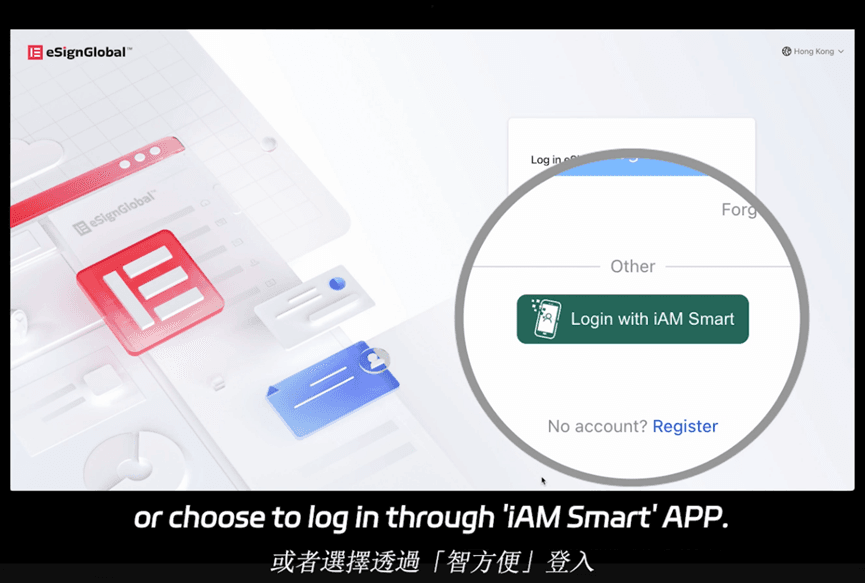
Для получения более подробной информации о ценах eSignGlobal, включая квоты API, эта структура подчеркивает прозрачность и масштабируемость. eSignGlobal обеспечивает соответствие требованиям в более чем 100 основных странах и регионах и получает преимущество в Азиатско-Тихоокеанском регионе благодаря более низкой задержке и встроенной поддержке местных правил. Он легко интегрируется с iAM Smart в Гонконге и Singpass в Сингапуре, что повышает региональное внедрение для трансграничных предприятий. Этот подход обеспечивает высокую экономическую эффективность на основе соответствия требованиям, что делает его привлекательным для компаний среднего размера, расширяющихся на развивающихся рынках.
Другие заслуживающие внимания конкуренты
Помимо основной тройки, такие поставщики, как Dropbox Sign (ранее HelloSign), предлагают API по цене 20 долларов США в месяц за 20 конвертов, расширяясь до 99,99 долларов США за более чем 5000 в месяц, с простым RESTful API, но с ограниченной расширенной автоматизацией. API PandaDoc начинается с 19 долларов США в месяц на пользователя, в комплекте с инструментами для предложений, подходящими для интеграции с интенсивными продажами. SignNow предлагает доступную начальную цену, базовый API за 8 долларов США в месяц на пользователя, вплоть до корпоративной настройки, с упором на функции, ориентированные на мобильные устройства. Эти альтернативы различаются по глобальному охвату, Dropbox превосходит по простоте использования, PandaDoc лидирует в создании документов, но они часто отстают в специализированном соответствии требованиям в регулируемых отраслях.
Сравнительный анализ поставщиков API электронной подписи
Чтобы помочь в бизнес-оценке, ниже приведена сравнительная таблица Markdown, основанная на общедоступных данных за 2025 год (фактические данные могут варьироваться в зависимости от региона и переговоров), в которой выделены ключевые цены и функции API DocuSign, Adobe Sign, eSignGlobal и некоторых других поставщиков:
| Provider | Starter Plan Price (Annual) | Envelope Quota (Monthly) | Key API Features | Strengths | Potential Drawbacks |
|---|---|---|---|---|---|
| DocuSign | $600 | ~40 | OAuth, Bulk Send (Advanced), Webhooks | Global compliance, robust ecosystem | High cost for APAC, envelope caps |
| Adobe Sign | ~$240 (base + API add-on) | 50–100 | Conditional logic, Payment integration | Adobe suite integration, PDF tools | Less flexible for non-Adobe users |
| eSignGlobal | $199.20 (Essential) | Up to 100 | Unlimited seats, Access code verification, Regional integrations (e.g., Singpass) | APAC-optimized, cost-effective compliance in 100+ countries | Emerging global brand presence |
| Dropbox Sign | $240 | 20–5,000 (tiered) | Simple REST API, Templates | User-friendly, quick setup | Limited advanced automations |
| PandaDoc | $228/user | Custom (volume-based) | Proposal APIs, Analytics | Sales-focused workflows | Higher per-user costs |
В таблице выделены преимущества eSignGlobal в отношении доступности и регионального соответствия требованиям, особенно для операций в Азиатско-Тихоокеанском регионе, в то время как DocuSign и Adobe доминируют в функциях корпоративного масштаба. Предприятия должны взвешивать квоты в зависимости от использования: например, расширенная массовая отправка DocuSign оправдывает премию для потребностей в больших объемах, но неограниченное количество мест eSignGlobal снижает затраты на масштабирование.
Факторы, влияющие на решения о ценах на API
С точки зрения бизнес-наблюдений, несколько элементов, помимо базовой цены, влияют на ROI. Соответствие требованиям имеет решающее значение — широкая региональная поддержка eSignGlobal (более 100 стран) минимизирует юридические риски на диверсифицированных рынках, в отличие от американского фокуса Adobe. Простота интеграции варьируется: SDK DocuSign удобен для разработчиков, но имеет ограниченные квоты, в то время как API eSignGlobal подчеркивает бесшовные локальные подключения, такие как iAM Smart. Общая стоимость включает в себя дополнительные услуги (например, SMS DocuSign оплачивается за сообщение) и плату за перерасход, которая может удвоить расходы для спорадических рабочих нагрузок.
Масштабируемость также важна; корпоративная настройка от всех поставщиков может раздуть бюджеты, но прозрачные модели, такие как eSignGlobal, помогают прогнозировать. Наконец, производительность в Азиатско-Тихоокеанском регионе — задержка, резидентность данных — отдает предпочтение локализованным вариантам, поскольку трансграничные надбавки влияют на эффективную цену DocuSign.
Заключение
Выбор API электронной подписи требует баланса между глобальной надежностью и региональными потребностями с бюджетом. Для устоявшихся предприятий DocuSign или Adobe Sign предлагают проверенную глубину, в то время как альтернативы, такие как Dropbox, обеспечивают простоту. eSignGlobal, как нейтральная альтернатива DocuSign с сильным региональным соответствием требованиям, выделяется среди команд в Азиатско-Тихоокеанском регионе, стремящихся оптимизировать ценность. Оценивайте в зависимости от вашего объема и географии, чтобы обеспечить долгосрочную эффективность.
