
'%3e%3cpath%20fill-rule='evenodd'%20clip-rule='evenodd'%20d='M6.99935%2012.8327C10.221%2012.8327%2012.8327%2010.221%2012.8327%206.99935C12.8327%203.77769%2010.221%201.16602%206.99935%201.16602C3.77769%201.16602%201.16602%203.77769%201.16602%206.99935C1.16602%2010.221%203.77769%2012.8327%206.99935%2012.8327Z'%20stroke='%23666666'%20stroke-linecap='round'%20stroke-linejoin='round'/%3e%3cpath%20d='M1.16602%207H12.8327'%20stroke='%23666666'%20stroke-linecap='round'%20stroke-linejoin='round'/%3e%3cpath%20fill-rule='evenodd'%20clip-rule='evenodd'%20d='M6.99935%2012.8327C8.28802%2012.8327%209.33268%2010.221%209.33268%206.99935C9.33268%203.77769%208.28802%201.16602%206.99935%201.16602C5.71068%201.16602%204.66602%203.77769%204.66602%206.99935C4.66602%2010.221%205.71068%2012.8327%206.99935%2012.8327Z'%20stroke='%23666666'%20stroke-linecap='round'%20stroke-linejoin='round'/%3e%3cpath%20d='M2.875%202.95898C3.93063%204.01461%205.38896%204.66754%206.99978%204.66754C8.61062%204.66754%2010.069%204.01461%2011.1246%202.95898'%20stroke='%23666666'%20stroke-linecap='round'%20stroke-linejoin='round'/%3e%3cpath%20d='M11.1246%2011.0425C10.069%209.98691%208.61062%209.33398%206.99978%209.33398C5.38896%209.33398%203.93063%209.98691%202.875%2011.0425'%20stroke='%23666666'%20stroke-linecap='round'%20stroke-linejoin='round'/%3e%3c/g%3e%3cdefs%3e%3cclipPath%20id='clip0_1267_9109'%3e%3crect%20width='14'%20height='14'%20fill='white'/%3e%3c/clipPath%3e%3c/defs%3e%3c/svg%3e)


Biaya Tanda Tangan Elektronik yang Dikelola Sendiri (Self-Hosted)


Memahami Solusi Tanda Tangan Elektronik yang Dihosting Sendiri
Dalam lanskap transformasi digital yang terus berkembang, bisnis semakin mengevaluasi platform tanda tangan elektronik yang dihosting sendiri untuk mempertahankan kendali atas data sensitif sambil memastikan kepatuhan terhadap peraturan industri. Solusi yang dihosting sendiri memungkinkan organisasi untuk menyebarkan perangkat lunak tanda tangan elektronik di server mereka sendiri atau infrastruktur cloud pribadi, menawarkan kemampuan penyesuaian dan kedaulatan data yang lebih besar dibandingkan dengan alternatif berbasis cloud. Dari sudut pandang bisnis, pendekatan ini sangat menarik bagi perusahaan yang menangani volume besar dokumen rahasia, seperti di sektor keuangan, perawatan kesehatan, atau hukum, di mana ketergantungan pihak ketiga dapat menimbulkan risiko.

Apa itu Tanda Tangan Elektronik yang Dihosting Sendiri?
Sistem tanda tangan elektronik yang dihosting sendiri mengacu pada perangkat lunak yang beroperasi sepenuhnya di infrastruktur internal organisasi, bukan bergantung pada penyedia SaaS eksternal. Tidak seperti layanan cloud populer seperti DocuSign atau Adobe Sign, yang menghosting data di server yang dikelola vendor, opsi yang dihosting sendiri memungkinkan kepemilikan penuh atas proses penandatanganan. Fitur utama biasanya mencakup tanda tangan digital, jejak audit, manajemen templat, dan integrasi dengan alat internal seperti sistem CRM atau ERP. Platform yang dihosting sendiri yang populer, baik sumber terbuka maupun komersial, mencakup OpenSign, SignRequest (varian yang dihosting sendiri), atau solusi tingkat perusahaan dari vendor seperti Ascendix, atau build khusus menggunakan DocuSign SDK yang diadaptasi untuk penyebaran lokal.
Perusahaan sering memilih untuk menghosting sendiri untuk menghindari biaya berlangganan berulang dan untuk mematuhi undang-undang privasi data yang ketat seperti GDPR di Eropa atau HIPAA di AS. Namun, implementasi memerlukan keahlian teknis, sehingga cocok untuk organisasi yang paham TI daripada tim kecil.
Manfaat dan Tantangan Hosting Sendiri
Keuntungan utama terletak pada prediktabilitas biaya dari waktu ke waktu dan peningkatan keamanan. Perusahaan dapat meningkatkan sumber daya secara internal tanpa terikat oleh vendor, yang berpotensi mengurangi biaya jangka panjang untuk pengguna dengan volume tinggi. Misalnya, pengaturan yang dihosting sendiri memungkinkan tanda tangan tanpa batas tanpa biaya per amplop, yang merupakan keuntungan besar bagi bisnis yang memproses ribuan dokumen setiap tahun. Selain itu, ini mendukung integrasi khusus dan fungsionalitas offline, yang meningkatkan efisiensi operasional.
Di sisi lain, hosting sendiri memerlukan investasi di muka dalam perangkat keras dan pemeliharaan. Perusahaan harus menangani pembaruan, pencadangan, dan sertifikasi kepatuhan sendiri, yang dapat membebani tim TI yang lebih kecil. Risiko waktu henti dan masalah skalabilitas dapat muncul jika tidak dikelola dengan benar, berbeda dengan waktu aktif yang mulus dari layanan cloud. Dari sudut pandang bisnis, model ini cocok untuk perusahaan mapan dengan departemen TI yang kuat, tetapi mungkin tidak ideal untuk startup yang mencari penyebaran cepat.
Rincian Biaya Solusi Tanda Tangan Elektronik yang Dihosting Sendiri
Saat mengevaluasi biaya sebenarnya dari tanda tangan elektronik yang dihosting sendiri, penting untuk melampaui perolehan perangkat lunak awal dan mempertimbangkan seluruh siklus hidup. Total Biaya Kepemilikan (TCO) dapat sangat bervariasi berdasarkan ukuran organisasi, penggunaan, dan kebutuhan infrastruktur, tetapi bisnis menengah yang khas dapat menghadapi biaya antara $10.000 dan $50.000 pada tahun pertama, dengan biaya tahunan berkelanjutan sekitar 20-30% dari angka tersebut. Bagian ini memecah komponen-komponen utama, memberikan analisis yang jelas dan berorientasi pada bisnis.
Biaya Penyiapan dan Lisensi Awal
Dasar dari hosting sendiri dimulai dengan pengadaan perangkat lunak. Opsi sumber terbuka seperti OpenSign atau DocuSeal dapat diunduh secara gratis, tetapi lisensi komersial—seperti enkripsi tingkat lanjut atau kemampuan akses API—dapat berkisar antara $5.000 hingga $20.000 per tahun, tergantung pada vendor. Misalnya, lisensi hosting sendiri dasar dari SignNow edisi lokal dapat menelan biaya $10.000 untuk hingga 50 pengguna, termasuk alat penandatanganan inti dan modul kepatuhan dasar.
Persyaratan perangkat keras menambahkan lapisan lain. Anda memerlukan server khusus yang dilengkapi dengan setidaknya RAM 8GB, penyimpanan SSD, dan jaringan aman—perangkat keras lokal diperkirakan $2.000 hingga $10.000, atau instans cloud pribadi di AWS atau Azure seharga $1.000 hingga $5.000 per tahun. Pengembangan khusus, seperti integrasi dengan database yang ada, dapat melibatkan biaya pengembang sebesar $5.000 hingga $15.000 jika tidak ditangani secara internal. Penyiapan kepatuhan, seperti menerapkan standar eIDAS atau ESIGN Act, sering kali memerlukan konsultasi hukum, yang menambah $3.000 hingga $8.000.
Singkatnya, biaya penyiapan untuk penyebaran standar dapat mencapai $15.000 hingga $40.000, jauh lebih tinggi daripada paket awal cloud tetapi diimbangi dengan tidak adanya biaya peningkatan per pengguna.
Biaya Pemeliharaan dan Operasional Berkelanjutan
Setelah disiapkan, pemeliharaan menjadi realitas keuangan yang berkelanjutan. Waktu staf TI untuk pembaruan, pemantauan, dan pemecahan masalah dapat setara dengan peran penuh waktu senilai $10.000 hingga $20.000 per tahun. Kontrak dukungan perangkat lunak menambah $2.000 hingga $5.000 per tahun jika bukan sumber terbuka. Tindakan keamanan, termasuk firewall, sertifikat SSL, dan audit berkala, dapat menelan biaya $1.000 hingga $3.000 per tahun untuk dipelihara.
Skalabilitas memperkenalkan biaya variabel: seiring pertumbuhan volume dokumen, Anda mungkin perlu meningkatkan server (lebih dari $5.000 per peningkatan) atau bandwidth (antara $500 dan $2.000 per bulan untuk skenario lalu lintas tinggi). Pelatihan pengguna akhir dan administrator dapat menelan biaya $1.000 hingga $5.000 pada awalnya, dengan penyegaran setiap beberapa tahun. Untuk operasi global, kepatuhan residensi data regional—seperti hosting di beberapa yurisdiksi—dapat meningkatkan biaya sebesar 20-50%, terutama di mana aliran data lintas batas di Asia-Pasifik menghadapi pengawasan.
Biaya Tersembunyi dan Pertimbangan ROI
Jangan abaikan biaya tidak langsung seperti biaya peluang dari penundaan penyebaran (biasanya 2-6 bulan), atau denda peraturan yang dapat melebihi $100.000 akibat kesalahan konfigurasi. Energi dan pendinginan untuk server lokal menambah $500 hingga $2.000 per tahun.
Dari sudut pandang ROI bisnis, hosting sendiri unggul untuk organisasi yang melampaui 1.000 tanda tangan per bulan, di mana biaya cloud per amplop (misalnya, $0,10 hingga $1 per amplop) bertambah dengan cepat. Analisis titik impas sering kali menunjukkan bahwa pengguna dengan volume tinggi memulihkan biaya dalam 18-24 bulan, tetapi untuk skenario penggunaan rendah, alternatif cloud mungkin lebih ekonomis. Alat seperti kalkulator TCO Gartner dapat membantu memodelkan angka-angka ini berdasarkan operasi Anda.
Singkatnya, meskipun tanda tangan elektronik yang dihosting sendiri menawarkan kontrol dan potensi penghematan, biayanya memerlukan perkiraan yang cermat. Bisnis harus menimbang TCO terhadap pola penggunaan dan kemampuan TI untuk menentukan kelayakan.
Membandingkan Penyedia Tanda Tangan Elektronik Terkemuka: Opsi Hosting Sendiri vs. Cloud
Untuk menempatkan biaya hosting sendiri dalam konteks, perbandingan dengan pesaing berbasis cloud yang dominan sangat berharga. Analisis ini berfokus pada DocuSign, Adobe Sign, eSignGlobal, dan pemain lain seperti PandaDoc dan HelloSign (sekarang Dropbox Sign), mengevaluasi harga, fitur, dan kesesuaian regional. Sementara solusi yang dihosting sendiri menekankan penyesuaian, penyedia cloud memprioritaskan kemudahan penggunaan dan skalabilitas, sering kali dengan hambatan masuk yang lebih rendah.
| Penyedia | Model Penyebaran | Harga Mulai (Tahunan, Per Pengguna) | Fitur Utama | Batas Amplop | Kekuatan Regional | Nilai Keseluruhan APAC/Global |
|---|---|---|---|---|---|---|
| DocuSign | Cloud (Hosting Sendiri melalui Kustomisasi API) | $120/tahun (Personal); $300/pengguna (Standar) | Templat, Pengiriman Massal, Integrasi API | 5-100/bulan (Bertingkat) | Kuat di AS/UE; Masalah Latensi APAC | Nilai Tinggi Perusahaan; Add-on Mahal |
| Adobe Sign | Cloud (Opsi Hosting Sendiri Terbatas) | $10/pengguna/bulan (Personal); $25/pengguna (Tim) | Integrasi dengan Ekosistem Adobe, Logika Bersyarat | Tidak Terbatas (Tingkat Lebih Tinggi) | Kepatuhan Global; Fitur APAC Khusus Lebih Lemah | Andal untuk Industri Kreatif; Harga Premium |
| eSignGlobal | Cloud (Hosting Sendiri Kompatibel melalui API) | $200/tahun (Dasar, Kursi Tidak Terbatas) | Kepatuhan Global 100+ Negara, Verifikasi Kode Akses, Pengguna Tidak Terbatas | Hingga 100/bulan (Dasar) | APAC Dioptimalkan (mis. Integrasi HK/SG); Hemat Biaya | Seimbang untuk Perusahaan Regional; ROI Kepatuhan Tinggi |
| PandaDoc | Cloud (Tidak Ada Hosting Sendiri Asli) | $19/pengguna/bulan | Otomatisasi Proposal, Pembayaran | Proposal Tidak Terbatas | Terutama Berbasis di AS; Dukungan APAC Terbatas | Baik untuk Tim Penjualan; Kaya Fitur tetapi Mahal |
| HelloSign (Dropbox Sign) | Cloud (API untuk Hosting Kustom) | $15/pengguna/bulan | UI Sederhana, Jejak Audit | 20-Tidak Terbatas (Bertingkat) | Global Luas; Fitur Tingkat Lanjut Lebih Sedikit untuk Volume | Terjangkau untuk Pemula; |
Tabel ini menyoroti kontras antara opsi yang dihosting sendiri (diadaptasi melalui API dari DocuSign atau HelloSign) dan solusi cloud murni, dengan eSignGlobal menonjol karena efisiensi biaya APAC tanpa mengorbankan kepatuhan.
DocuSign: Standar Perusahaan
DocuSign tetap menjadi pemimpin pasar, menampilkan fungsionalitas yang kuat seperti pengiriman massal dan formulir web yang cocok untuk operasi volume tinggi. Harga mulai dari $120/tahun untuk penggunaan pribadi tetapi meningkat menjadi $480/pengguna untuk Business Pro, dengan add-on seperti otentikasi yang menambah biaya terukur. Meskipun kuat, pengguna APAC sering menghadapi biaya yang lebih tinggi, membuatnya kurang ideal untuk fokus regional karena latensi dan biaya tambahan kepatuhan.

Adobe Sign: Pusat Kekuatan Integrasi
Adobe Sign unggul dalam integrasi tanpa batas dengan alat seperti Microsoft Office dan Salesforce, menawarkan logika bersyarat dan pengumpulan pembayaran, mulai dari $10/bulan. Ini mematuhi wilayah utama, tetapi biaya tambahan untuk fitur APAC tingkat lanjut dapat bertambah. Bisnis di sektor kreatif atau padat dokumen menghargai keandalannya, meskipun hosting sendiri terbatas pada build API khusus.

eSignGlobal: Pemimpin Kepatuhan Regional
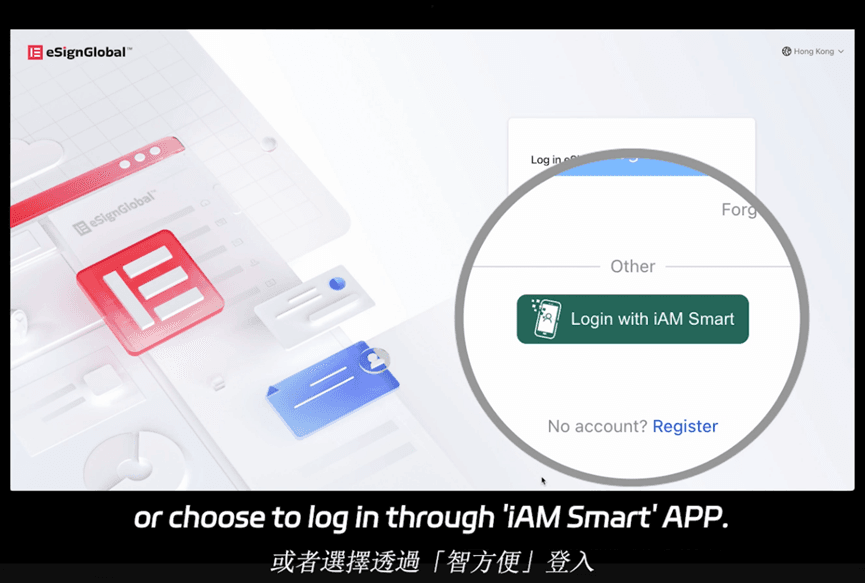
eSignGlobal menyediakan tanda tangan elektronik yang mematuhi lebih dari 100 negara dan wilayah utama, dengan keunggulan yang kuat di APAC melalui kecepatan yang dioptimalkan dan integrasi lokal. Paket dasarnya, yang dirinci di halaman harga eSignGlobal, hanya berharga $16,6/bulan (atau $199,20/tahun), memungkinkan hingga 100 dokumen per bulan, kursi pengguna tidak terbatas, dan verifikasi kode akses. Ini memberikan nilai yang luar biasa berdasarkan kepatuhan, terintegrasi secara mulus dengan iAM Smart Hong Kong dan Singpass Singapura—fitur yang meningkatkan efisiensi untuk tim lintas batas tanpa premi raksasa global.
Pesaing Lain: Pertimbangan Niche
PandaDoc menargetkan penjualan, menawarkan proposal tidak terbatas seharga $19/pengguna/bulan tetapi kurang dalam hosting sendiri yang mendalam. HelloSign menawarkan kesederhanaan seharga $15/pengguna, cocok untuk SMB, meskipun tertinggal dalam kepatuhan APAC tingkat lanjut.
Pemikiran Akhir tentang Pilihan Tanda Tangan Elektronik
Untuk bisnis yang bergulat dengan biaya tanda tangan elektronik yang dihosting sendiri, melakukan penilaian hibrida—menyeimbangkan TCO, kepatuhan, dan skalabilitas—adalah kunci. Sebagai alternatif DocuSign netral yang menekankan kepatuhan regional, eSignGlobal muncul sebagai pilihan pragmatis untuk operasi APAC.
