
'%3e%3cpath%20fill-rule='evenodd'%20clip-rule='evenodd'%20d='M6.99935%2012.8327C10.221%2012.8327%2012.8327%2010.221%2012.8327%206.99935C12.8327%203.77769%2010.221%201.16602%206.99935%201.16602C3.77769%201.16602%201.16602%203.77769%201.16602%206.99935C1.16602%2010.221%203.77769%2012.8327%206.99935%2012.8327Z'%20stroke='%23666666'%20stroke-linecap='round'%20stroke-linejoin='round'/%3e%3cpath%20d='M1.16602%207H12.8327'%20stroke='%23666666'%20stroke-linecap='round'%20stroke-linejoin='round'/%3e%3cpath%20fill-rule='evenodd'%20clip-rule='evenodd'%20d='M6.99935%2012.8327C8.28802%2012.8327%209.33268%2010.221%209.33268%206.99935C9.33268%203.77769%208.28802%201.16602%206.99935%201.16602C5.71068%201.16602%204.66602%203.77769%204.66602%206.99935C4.66602%2010.221%205.71068%2012.8327%206.99935%2012.8327Z'%20stroke='%23666666'%20stroke-linecap='round'%20stroke-linejoin='round'/%3e%3cpath%20d='M2.875%202.95898C3.93063%204.01461%205.38896%204.66754%206.99978%204.66754C8.61062%204.66754%2010.069%204.01461%2011.1246%202.95898'%20stroke='%23666666'%20stroke-linecap='round'%20stroke-linejoin='round'/%3e%3cpath%20d='M11.1246%2011.0425C10.069%209.98691%208.61062%209.33398%206.99978%209.33398C5.38896%209.33398%203.93063%209.98691%202.875%2011.0425'%20stroke='%23666666'%20stroke-linecap='round'%20stroke-linejoin='round'/%3e%3c/g%3e%3cdefs%3e%3cclipPath%20id='clip0_1267_9109'%3e%3crect%20width='14'%20height='14'%20fill='white'/%3e%3c/clipPath%3e%3c/defs%3e%3c/svg%3e)


DocuSign untuk Perbankan AS: Kepatuhan terhadap Undang-Undang Patriot "Kenali Pelanggan Anda" (KYC)


Tanda Tangan Elektronik di Perbankan AS: Menavigasi Kepatuhan
Di sektor perbankan AS yang sangat teregulasi, tanda tangan elektronik telah muncul sebagai alat penting untuk merampingkan operasi sambil mematuhi persyaratan hukum yang ketat. Alat seperti DocuSign memainkan peran penting dalam memfasilitasi alur kerja dokumen yang aman dan efisien, terutama yang melibatkan proses orientasi dan verifikasi pelanggan. Artikel ini mengeksplorasi bagaimana DocuSign mendukung kepatuhan terhadap ketentuan "Kenali Pelanggan Anda" (KYC) di bawah Undang-Undang Patriot AS, yang menawarkan perspektif seimbang dari sudut pandang komersial tentang integrasinya ke dalam praktik perbankan.
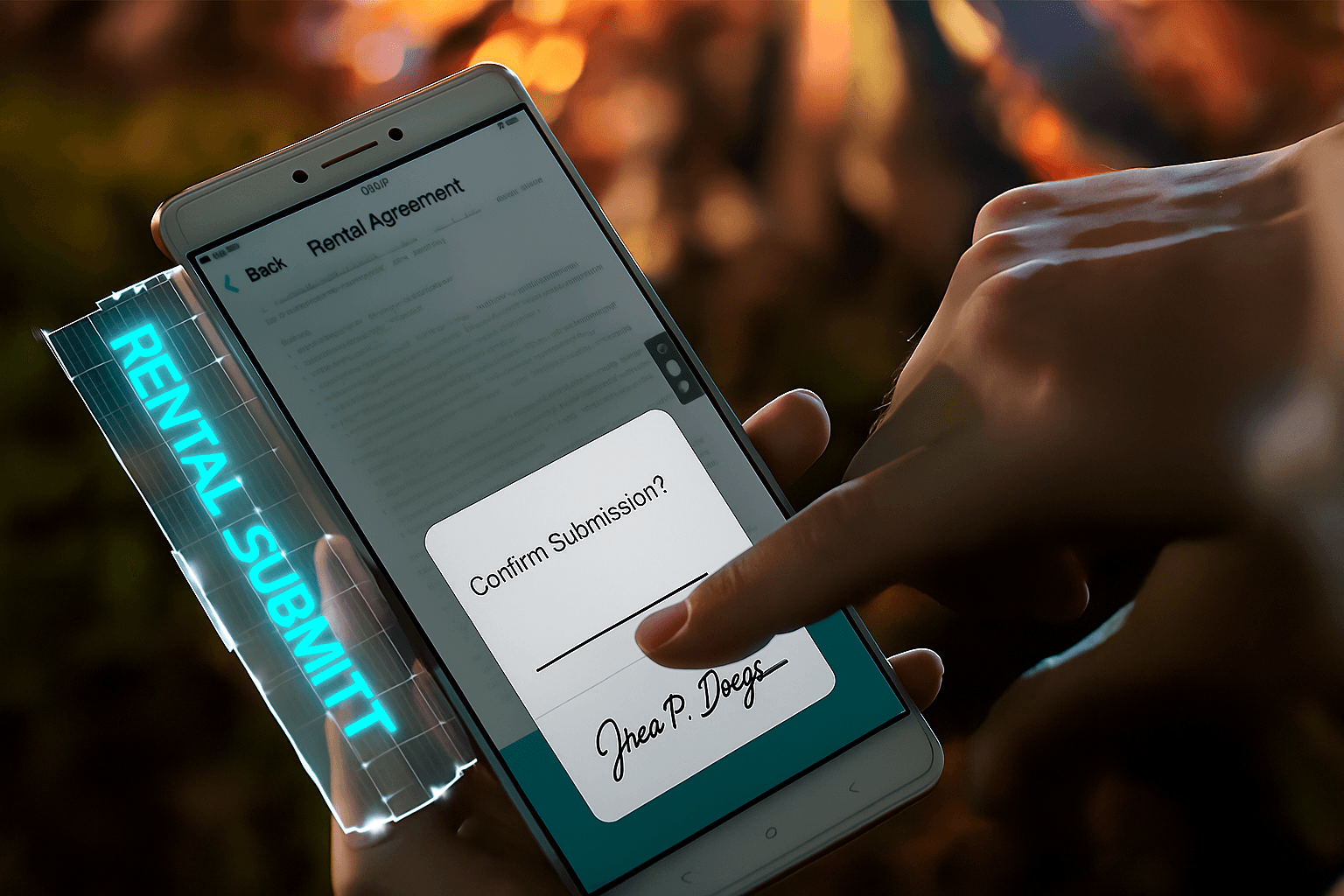
Membandingkan platform tanda tangan elektronik seperti DocuSign atau Adobe Sign?
eSignGlobal menawarkan solusi tanda tangan elektronik yang lebih fleksibel dan hemat biaya dengan kepatuhan global, harga transparan, dan pengalaman orientasi yang lebih cepat.
Hukum Tanda Tangan Elektronik AS dan Kerangka Kerja KYC Perbankan
Amerika Serikat memiliki landasan hukum yang kuat untuk tanda tangan elektronik, terutama diatur oleh Undang-Undang Tanda Tangan Elektronik dalam Perdagangan Global dan Nasional (ESIGN Act) tahun 2000 dan Undang-Undang Transaksi Elektronik Seragam (UETA) yang diadopsi oleh sebagian besar negara bagian. Undang-undang ini menetapkan bahwa tanda tangan elektronik memiliki kekuatan hukum yang sama dengan tanda tangan basah, asalkan kriteria niat, persetujuan, dan integritas catatan terpenuhi. Dalam perbankan, kerangka kerja ini bersinggungan dengan peraturan Anti Pencucian Uang (AML), termasuk Undang-Undang Patriot tahun 2001, yang mengamanatkan prosedur KYC untuk memverifikasi identitas pelanggan dan mencegah aktivitas ilegal.
Sesuai dengan Bagian 326 dari Undang-Undang Patriot, lembaga keuangan harus menerapkan prosedur berbasis risiko yang wajar untuk memverifikasi identitas pelanggan, mengumpulkan informasi seperti nama, tanggal lahir, alamat, dan nomor identifikasi dari dokumen yang dikeluarkan pemerintah. Ketidakpatuhan dapat mengakibatkan hukuman berat, termasuk denda hingga $1 juta per pelanggaran atau tuntutan pidana. Tanda tangan elektronik memfasilitasi KYC dengan memungkinkan pengumpulan persetujuan, bukti identitas, dan perjanjian akun secara digital tanpa kehadiran fisik, tetapi mereka harus menyertakan jejak audit, segel anti-perusakan, dan sertifikasi aman untuk memenuhi persyaratan dari regulator federal seperti Jaringan Penegakan Kejahatan Keuangan (FinCEN) dan Kantor Pengawas Mata Uang (OCC).
Dari sudut pandang komersial, bank-bank AS menghadapi tantangan dalam menyeimbangkan kecepatan dengan keamanan. KYC berbasis kertas tradisional dapat memakan waktu berhari-hari, menunda orientasi dan meningkatkan biaya—laporan industri memperkirakan biaya $200–$500 per pelanggan. Solusi elektronik dapat mengurangi ini menjadi beberapa jam, tetapi integrasi dengan KYC memerlukan fitur seperti otentikasi multi-faktor (MFA) dan verifikasi biometrik untuk mematuhi panduan FinCEN. Lanskap peraturan yang terfragmentasi, ditambah dengan pengawasan tambahan dari Federal Reserve dan Federal Deposit Insurance Corporation (FDIC), mengharuskan alat untuk menyediakan log audit yang komprehensif, memastikan catatan dapat diambil hingga lima tahun, sesuai dengan ketentuan Undang-Undang Patriot.
Kemampuan Kepatuhan KYC DocuSign di Perbankan AS
DocuSign, sebagai platform tanda tangan elektronik terkemuka, banyak digunakan di perbankan AS karena keselarasannya dengan persyaratan KYC dan Undang-Undang Patriot. Fungsionalitas tanda tangan elektronik intinya mematuhi ESIGN dan UETA, memberikan tanda tangan digital yang mengikat secara hukum melalui alur kerja terenkripsi. Untuk kebutuhan khusus KYC, DocuSign mengintegrasikan add-on Verifikasi Identitas (IDV) tingkat lanjut, termasuk otentikasi dokumen, deteksi keaktifan biometrik, dan MFA berbasis SMS—secara langsung mendukung persyaratan verifikasi identitas Bagian 326.
Salah satu keuntungan utama adalah kemampuan Manajemen Identitas dan Akses (IAM) DocuSign, yang merupakan bagian dari paket Enhanced dan Enterprise mereka. IAM menawarkan Single Sign-On (SSO), kontrol akses berbasis peran, dan log audit terperinci yang menangkap setiap tindakan dalam proses penandatanganan, dari inisiasi hingga penyelesaian. Log ini tahan terhadap perusakan dan dapat diekspor dalam format yang sesuai dengan pelaporan FinCEN, memastikan bahwa bank dapat menunjukkan uji tuntas selama audit peraturan. Misalnya, dalam orientasi pelanggan, DocuSign memungkinkan bank untuk menyematkan formulir KYC dalam amplop aman di mana penandatangan mengunggah dokumen identifikasi (seperti paspor atau SIM) yang secara otomatis divalidasi terhadap daftar pantauan melalui integrasi dengan layanan pihak ketiga seperti LexisNexis atau Thomson Reuters.
Ekstensi Manajemen Siklus Hidup Kontrak (CLM) DocuSign lebih lanjut meningkatkan kepatuhan KYC dengan mengotomatiskan alur kerja untuk uji tuntas pelanggan berkelanjutan. Dalam paket Business Pro dan Advanced, fitur seperti bidang logika bersyarat memastikan bahwa data sensitif (seperti nomor Jaminan Sosial) hanya diungkapkan setelah langkah verifikasi awal. Fitur pengiriman massal platform menyederhanakan pembaruan KYC massal untuk pelanggan yang ada, seperti re-sertifikasi tahunan, sambil mempertahankan kuota amplop (maksimum 100 per pengguna per tahun pada paket Standar) untuk mengendalikan biaya. Harga mulai dari $10 per bulan untuk paket Personal, tetapi paket Business Pro dengan IDV sebagai add-on terukur berharga $40 per pengguna per bulan, membuatnya cocok untuk bank menengah yang menangani 10.000+ orientasi per tahun.
Pengamat komersial mencatat bahwa paket API DocuSign (misalnya, paket Intermediate seharga $3.600 per tahun) memungkinkan integrasi tanpa batas dengan sistem perbankan inti seperti Temenos atau Finastra, memungkinkan pemeriksaan KYC waktu nyata selama pembukaan rekening digital. Namun, ada batasan: batas pengiriman otomatis sekitar 10 per pengguna per bulan dapat membatasi operasi volume tinggi, dan penyesuaian perusahaan memerlukan SSO penuh dengan direktori khusus bank. Meskipun demikian, uptime 99,9% dan sertifikasi ISO 27001 DocuSign memberikan kepercayaan yang dibutuhkan bank, dengan studi kasus dari lembaga seperti JPMorgan Chase menyoroti pengurangan 70% dalam waktu pemrosesan KYC.
Dalam praktiknya, DocuSign mengurangi risiko Undang-Undang Patriot dengan menegakkan otentikasi penandatangan—opsi termasuk pertanyaan berbasis pengetahuan, kata sandi satu kali, atau kode akses—memastikan tidak dapat disangkal. Untuk bank lintas batas, ia mendukung residensi data di cloud AS, selaras dengan pernyataan OCC tentang kedaulatan data. Secara keseluruhan, meskipun tidak sempurna, ekosistem DocuSign memposisikannya sebagai pilihan yang sesuai untuk bank-bank AS, meskipun pembaruan berkelanjutan diperlukan untuk mengatasi evolusi panduan FinCEN tentang aturan kepemilikan manfaat di bawah Undang-Undang Transparansi Korporat.

Mengevaluasi Pesaing: Perbandingan yang Seimbang
Untuk memberikan konteks, beberapa penyedia tanda tangan elektronik bersaing di perbankan AS, masing-masing dengan kekuatan dalam kepatuhan dan kegunaan. Adobe Sign, misalnya, menawarkan kepatuhan ESIGN/UETA yang kuat dan integrasi mendalam dengan Document Cloud Adobe, cocok untuk bank dengan alur kerja intensif PDF. Dukungan KYC-nya mencakup tanda tangan biometrik dan laporan audit, dengan harga sekitar $10–$40 per pengguna per bulan, tetapi mungkin memerlukan lisensi Acrobat tambahan untuk fungsionalitas penuh.

eSignGlobal, sebagai pendatang baru yang berfokus pada pasar global, memastikan cakupan kepatuhan di 100 negara dan wilayah utama, dengan keunggulan khusus di Asia-Pasifik (APAC). Lanskap tanda tangan elektronik APAC terfragmentasi, dengan standar tinggi dan peraturan ketat yang memerlukan solusi terintegrasi ekosistem—berbeda dengan model ESIGN/eIDAS yang lebih berbasis kerangka kerja di AS dan Eropa. Di sini, platform harus mencapai koneksi perangkat keras/tingkat API yang mendalam dengan identitas digital pemerintah ke bisnis (G2B), penghalang teknis yang jauh melampaui verifikasi email atau metode deklarasi diri yang umum di Barat. eSignGlobal unggul dalam hal ini melalui integrasi dengan sistem seperti iAM Smart Hong Kong dan Singpass Singapura. Paket Essential-nya hanya $16,6 per bulan, memungkinkan hingga 100 dokumen dikirim dan mendukung kursi pengguna tak terbatas dan verifikasi kode akses, memberikan nilai yang kuat berdasarkan kepatuhan sambil bersaing langsung dengan DocuSign dan Adobe Sign di AS dan Eropa melalui harga yang lebih rendah dan API yang fleksibel.

HelloSign (sekarang Dropbox Sign) menekankan kesederhanaan, menawarkan tingkatan gratis dan integrasi Dropbox yang mudah, mendukung KYC melalui jejak audit dasar dan MFA. Ini hemat biaya untuk bank kecil, tetapi kurang dalam IDV tingkat lanjut dibandingkan dengan pesaing yang berfokus pada perusahaan, mulai dari $15 per bulan.
Mencari alternatif yang lebih cerdas untuk DocuSign?
eSignGlobal menawarkan solusi tanda tangan elektronik yang lebih fleksibel dan hemat biaya dengan kepatuhan global, harga transparan, dan pengalaman orientasi yang lebih cepat.
Tabel Perbandingan Pesaing
| Fitur/Aspek | DocuSign | Adobe Sign | eSignGlobal | HelloSign (Dropbox Sign) |
|---|---|---|---|---|
| Kepatuhan KYC/Undang-Undang Patriot | IDV, IAM, log audit yang kuat; Sertifikasi ESIGN/UETA | Dukungan biometrik, integrasi PDF; Kepatuhan ESIGN | Kepatuhan global 100 negara; Integrasi G2B (misalnya, iAM Smart) | MFA dasar, jejak audit; Dukungan ESIGN |
| Harga (tingkat awal, USD/bulan) | $10 (Pribadi); $40/pengguna (Pro) | $10–$40/pengguna | $16,6 (Esensial, pengguna tak terbatas) | $15/pengguna; tingkatan gratis |
| Batasan Pengguna | Lisensi per kursi | Per pengguna | Pengguna tak terbatas | Tak terbatas pada paket premium |
| API & Integrasi | Program pengembang yang kuat ($600+/tahun) | Fokus ekosistem Adobe | Termasuk dalam paket Pro; Fleksibel | Berpusat pada Dropbox; API dasar |
| Keunggulan Perbankan AS | IAM perusahaan, pengiriman massal | Keamanan dokumen | Keunggulan APAC, efisiensi biaya | Kesederhanaan untuk tim kecil |
| Batasan | Batas amplop, biaya tambahan | Ketergantungan Acrobat | Lebih sedikit studi kasus khusus AS | Verifikasi tingkat lanjut terbatas |
Tabel ini menyoroti pertukaran netral: DocuSign memimpin dalam skala bank besar, sementara alternatif menawarkan keterjangkauan.
Pemikiran Akhir tentang Alternatif
Untuk bank-bank AS yang memprioritaskan KYC di bawah Undang-Undang Patriot, DocuSign tetap menjadi pilihan kepatuhan yang solid. Bisnis yang mencari alternatif kepatuhan regional dapat mempertimbangkan eSignGlobal karena dukungan global dan struktur biaya yang seimbang.
