
'%3e%3cpath%20fill-rule='evenodd'%20clip-rule='evenodd'%20d='M6.99935%2012.8327C10.221%2012.8327%2012.8327%2010.221%2012.8327%206.99935C12.8327%203.77769%2010.221%201.16602%206.99935%201.16602C3.77769%201.16602%201.16602%203.77769%201.16602%206.99935C1.16602%2010.221%203.77769%2012.8327%206.99935%2012.8327Z'%20stroke='%23666666'%20stroke-linecap='round'%20stroke-linejoin='round'/%3e%3cpath%20d='M1.16602%207H12.8327'%20stroke='%23666666'%20stroke-linecap='round'%20stroke-linejoin='round'/%3e%3cpath%20fill-rule='evenodd'%20clip-rule='evenodd'%20d='M6.99935%2012.8327C8.28802%2012.8327%209.33268%2010.221%209.33268%206.99935C9.33268%203.77769%208.28802%201.16602%206.99935%201.16602C5.71068%201.16602%204.66602%203.77769%204.66602%206.99935C4.66602%2010.221%205.71068%2012.8327%206.99935%2012.8327Z'%20stroke='%23666666'%20stroke-linecap='round'%20stroke-linejoin='round'/%3e%3cpath%20d='M2.875%202.95898C3.93063%204.01461%205.38896%204.66754%206.99978%204.66754C8.61062%204.66754%2010.069%204.01461%2011.1246%202.95898'%20stroke='%23666666'%20stroke-linecap='round'%20stroke-linejoin='round'/%3e%3cpath%20d='M11.1246%2011.0425C10.069%209.98691%208.61062%209.33398%206.99978%209.33398C5.38896%209.33398%203.93063%209.98691%202.875%2011.0425'%20stroke='%23666666'%20stroke-linecap='round'%20stroke-linejoin='round'/%3e%3c/g%3e%3cdefs%3e%3cclipPath%20id='clip0_1267_9109'%3e%3crect%20width='14'%20height='14'%20fill='white'/%3e%3c/clipPath%3e%3c/defs%3e%3c/svg%3e)


Pangunahing Plano sa Pagpapatunay ng Software ng Elektronikong Lagda


Pag-unawa sa Master Plan ng Pagpapatunay ng Software ng Elektronikong Lagda
Sa mabilis na umuusbong na tanawin ng digital na pagbabago, lalong umaasa ang mga negosyo sa software ng elektronikong lagda upang gawing mas simple ang mga kontrata, pag-apruba, at proseso ng pagsunod. Gayunpaman, ang pagpili at pagpapatupad ng mga ganitong tool ay nangangailangan ng isang nakabalangkas na pamamaraan upang matiyak ang pagiging maaasahan, seguridad, at pagsunod sa regulasyon. Ang isang Master Plan ng Pagpapatunay (VMP) ay nagsisilbing pundasyon na blueprint na ito, na binabalangkas kung paano patutunayan ng isang organisasyon ang mga elektronikong sistema ng lagda upang matugunan ang mga pamantayan ng industriya at mga pangangailangan sa pagpapatakbo. Mula sa isang pananaw ng negosyo, ang isang mahusay na ginawang VMP ay hindi lamang nagpapagaan ng mga panganib ngunit nag-o-optimize din ng mga gastos at nagpapahusay ng kahusayan sa mga industriya tulad ng pananalapi, pangangalaga sa kalusugan, at mga serbisyong legal.
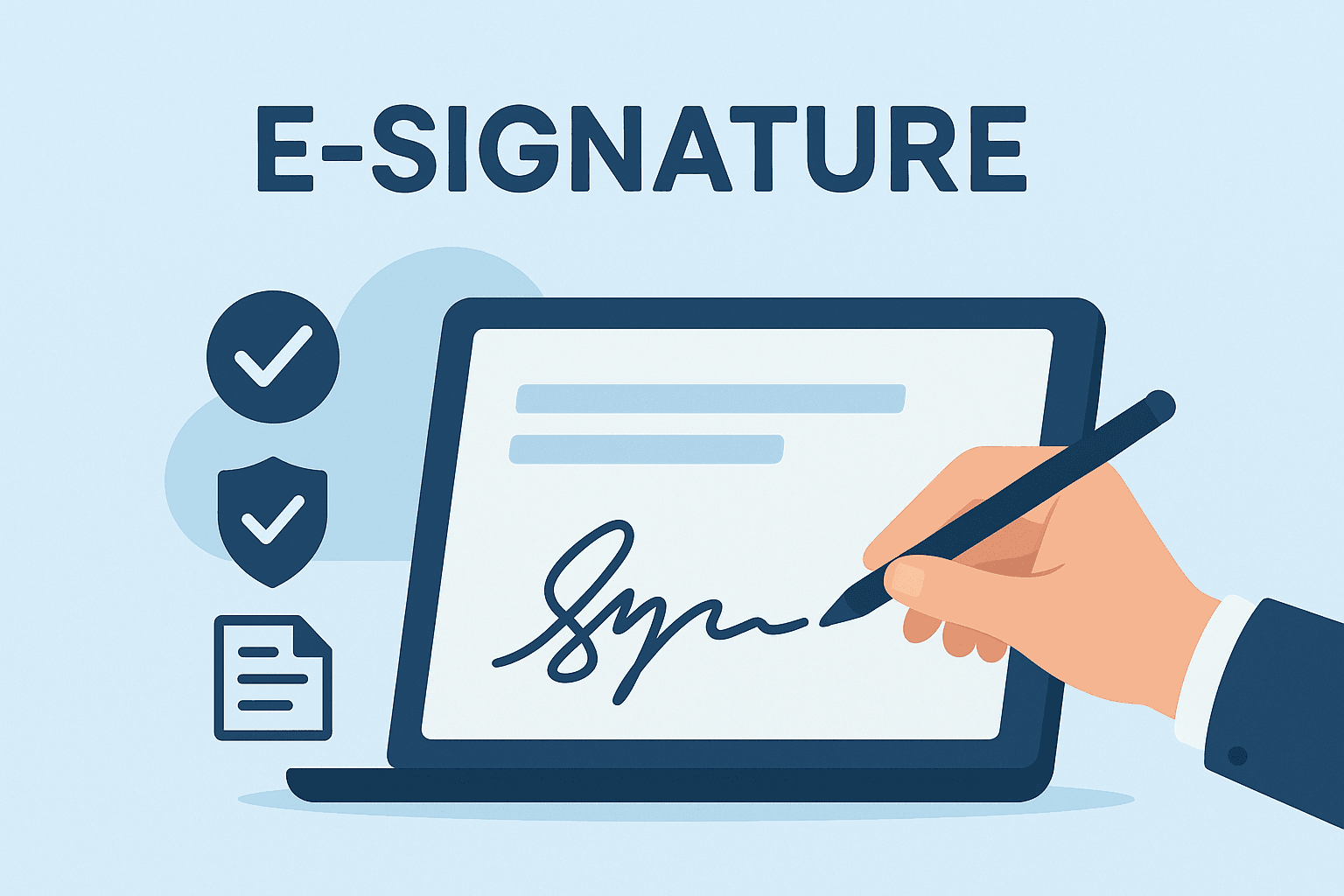
Nagkukumpara ng mga platform ng elektronikong lagda sa DocuSign o Adobe Sign?
Nag-aalok ang eSignGlobal ng mas nababaluktot at mas matipid na solusyon sa elektronikong lagda na may pandaigdigang pagsunod, transparent na pagpepresyo, at mas mabilis na proseso ng pagsasama.
👉 Magsimula ng libreng pagsubok
Ano ang Master Plan ng Pagpapatunay?
Ang Master Plan ng Pagpapatunay ay isang komprehensibong dokumento na tumutukoy sa saklaw, mga responsibilidad, at pamamaraan para sa pagpapatunay ng mga sistema ng software, kabilang ang mga elektronikong platform ng lagda. Ito ay nagsisilbing isang roadmap, na tinitiyak na ang software ay gumagana nang pare-pareho, ligtas, at sumusunod sa mga nauugnay na regulasyon. Para sa elektronikong software ng lagda, ang pagpapatunay ay mahalaga dahil pinangangasiwaan ng mga tool na ito ang sensitibong data at mga kasunduang may bisa sa batas, kung saan ang mga pagkakamali ay maaaring humantong sa mga pagtatalo, paglabag sa data, o mga multa sa paglabag.
Mula sa isang pananaw ng negosyo, ang pagbuo ng isang VMP ay tumutulong sa mga organisasyon na maiwasan ang mga mamahaling paggawa muli at nagpapakita ng angkop na pagsisikap sa mga stakeholder, auditor, at regulator. Karaniwang kasama sa plano ang mga pagtatasa ng panganib, mga protocol ng pagsubok, at mga estratehiya sa pagpapanatili, na iniayon sa inaasahang paggamit ng software.
Mga Pangunahing Bahagi ng VMP ng Elektronikong Software ng Lagda
Upang lumikha ng isang epektibong VMP, dapat tumuon ang mga negosyo sa ilang pangunahing elemento:
-
Kahulugan ng Saklaw: Malinaw na balangkasin kung aling mga aspeto ng elektronikong software ng lagda ang patutunayan. Kabilang dito ang mga pangunahing function tulad ng pagpirma ng dokumento, pagpapatunay ng gumagamit, mga audit trail, at pagsasama sa mga sistema ng CRM o ERP. Halimbawa, kung sinusuportahan ng software ang mga bulk na pagpapadala o mga workflow na hinihimok ng API, dapat itong malinaw na saklawin upang ihanay sa mga proseso ng negosyo.
-
Regulatory Compliance Framework: Ang pagpapatunay ng elektronikong lagda ay dapat sumunod sa mga pandaigdigan at panrehiyong batas. Sa US, ang ESIGN Act at UETA ay nagbibigay ng balangkas para sa legal na pagkakapantay-pantay ng mga elektronikong lagda sa mga wet-ink na lagda, na nagbibigay-diin sa intensyon, pahintulot, at integridad ng rekord. Ang regulasyon ng eIDAS ng EU ay humahakbang pa, na nagkakategorya ng mga lagda sa mga antas ng simple, advanced, at qualified, kung saan ang mga Qualified Electronic Signature (QES) ay nangangailangan ng sertipikadong hardware upang magbigay ng pinakamataas na katiyakan. Sa Asia-Pacific, tulad ng Hong Kong at Singapore, ang mga regulasyon ay mas pira-piraso at isinama sa mga ecosystem. Ang Electronic Transactions Ordinance (ETO) ng Hong Kong ay nangangailangan ng mga secure na elektronikong rekord, habang ang Electronic Transactions Act (ETA) ng Singapore ay isinama sa mga pambansang digital ID system tulad ng Singpass. Ang mga pamantayan ng Asia-Pacific na ito ay karaniwang nangangailangan ng hardware/API-level na pakikipag-ugnayan sa mga pagkakakilanlan na suportado ng gobyerno (G2B), na kaibahan sa balangkas na ESIGN/eIDAS na modelo na umaasa sa pagpapatunay ng email o mga deklarasyon sa sarili. Ang pagkapira-piraso na ito sa Asia-Pacific—na nailalarawan sa pamamagitan ng mataas na pamantayan at mahigpit na pangangasiwa—ay nagpapataas ng pagiging kumplikado ng pagpapatunay dahil dapat tiyakin ng mga negosyo ang interoperability sa mga lokal na digital ecosystem.
-
Pagtatasa at Pagkontrol ng Panganib: Tukuyin ang mga potensyal na panganib tulad ng pagbabago ng data, hindi awtorisadong pag-access, o mga pagkabigo sa pagsasama. Gumamit ng mga tool tulad ng Failure Mode and Effects Analysis (FMEA) upang unahin ang mga panganib. Para sa elektronikong software ng lagda, ang mga kontrol ay maaaring kabilang ang multi-factor authentication (MFA), mga pamantayan sa pag-encrypt (tulad ng AES-256), at mga audit log na hindi nababago.
-
Mga Protocol ng Pagpapatunay: Detalye ang mga yugto ng pagsubok—Installation Qualification (IQ), Operational Qualification (OQ), at Performance Qualification (PQ). Pinapatunayan ng IQ ang tamang pag-setup; sinusubok ng OQ ang functionality sa ilalim ng normal na mga kondisyon; ginagaya ng PQ ang mga senaryo sa totoong mundo, tulad ng mataas na volume ng pagpirma sa mga peak period. Isama ang User Acceptance Testing (UAT) upang kumpirmahin ang pagiging madaling gamitin para sa mga hindi teknikal na gumagamit.
-
Dokumentasyon at Pamamahala ng Pagbabago: Panatilihin ang mga rekord ng lahat ng aktibidad ng pagpapatunay, kabilang ang mga paglihis at mga aksyon sa pagwawasto. Magtatag ng mga pamamaraan para sa mga pag-update ng software, na tinitiyak na ang mga pagbabago lamang na may epekto ang muling patutunayan upang maiwasan ang mga hindi kinakailangang gastos.
-
Mga Tungkulin at Responsibilidad: Magtalaga ng pagmamay-ari—ang mga IT team ay responsable para sa teknikal na pagpapatunay, ang mga legal na team para sa mga pagsusuri sa pagsunod, ang katiyakan ng kalidad para sa pangangasiwa. Tinitiyak ng mga programa sa pagsasanay na nauunawaan ng mga gumagamit ang mga napatunayang proseso.
-
Patuloy na Pagpapanatili: Ang pagpapatunay ay hindi isang one-time na pagsisikap; mag-iskedyul ng mga regular na pagsusuri, lalo na habang umuunlad ang mga regulasyon sa privacy ng data ng GDPR o ang FDA 21 CFR Part 11 para sa mga agham ng buhay.
Ang pagpapatupad ng isang VMP ay karaniwang tumatagal ng 3-6 na buwan para sa mga mid-sized na negosyo, na may mga gastos na mula $50,000 hanggang $200,000 depende sa pagiging kumplikado. Nakikinabang ang mga negosyo mula sa nabawasan na downtime (hanggang 30% na pagpapabuti sa kahusayan) at pinahusay na pagiging handa sa pag-audit.
Mga Hamon sa Pagpapatupad ng VMP para sa mga Elektronikong Tool sa Lagda
Mula sa isang pananaw ng negosyo, ang mga karaniwang hadlang ay kinabibilangan ng pagsasama ng mga legacy system at pag-navigate sa mga partikular na feature ng vendor. Halimbawa, ang pagpapatunay ng mga API endpoint para sa mga automated na workflow ay nangangailangan ng dalubhasang pagsubok. Sa mga kinokontrol na industriya, pinalalaki ng mga pamantayan sa pagsasama ng ecosystem ng Asia-Pacific ang mga hamon dahil dapat patunayan ng pagpapatunay ang tuluy-tuloy na pagsasama ng G2B, na kaibahan sa simpleng self-certification sa mga setting ng pagsunod sa ESIGN. Madalas na binabalewala ng mga mid-sized na negosyo ang scalability sa kanilang VMP, na humahantong sa mga paglampas sa quota ng envelope o mga pangangailangan sa suporta.
Upang matugunan ang mga ito, dapat gamitin ng mga negosyo ang mga validation toolkit na ibinigay ng mga vendor o mga third-party na consultant. Ang isang phased rollout—simula sa isang pilot validation—ay nagbibigay-daan para sa iterative na pag-optimize.
Pagtatasa sa mga Nangungunang Elektronikong Provider ng Lagda
Sa pagbuo ng isang VMP, ang pagpili ng tamang software ay mahalaga. Ang mga provider ay nag-iiba sa mga tuntunin ng functionality, pagpepresyo, at suporta sa pagsunod, na nakakaapekto sa mga pagsisikap sa pagpapatunay. Sa ibaba, sinusuri namin ang mga pangunahing manlalaro, na tumutuon sa kanilang mga pangunahing alok.
DocuSign: Enterprise-Grade Agreement Management
Dominado ng DocuSign ang merkado ng elektronikong lagda sa pamamagitan ng eSignature platform nito at Intelligent Agreement Management (IAM) suite. Ang IAM CLM (Contract Lifecycle Management) ay umaabot sa kabila ng pagpirma, na nag-aalok ng kumpletong automation ng kontrata, kabilang ang AI-driven analytics, mga template, at pagsasama sa Salesforce o Microsoft. Ang pagpepresyo ay nagsisimula sa $10/buwan (5 envelope/buwan) para sa mga indibidwal na plano, $40/buwan/user (100 envelope/taon/user) para sa Business Pro, at custom na enterprise na kinabibilangan ng SSO, advanced auditing, at mga feature ng IAM tulad ng conditional logic at bulk sending. Ang mga karagdagang feature tulad ng paghahatid ng SMS o pagpapatunay ng ID ay nagdudulot ng karagdagang mga bayarin sa paggamit. Ang mga lakas ng DocuSign ay nakasalalay sa pandaigdigang scalability, ngunit ang mga gumagamit sa Asia-Pacific ay maaaring makaharap ng mas mataas na mga gastos para sa latency at panrehiyong pagsunod.

Adobe Sign: Seamless Integration para sa Creative Workflows
Ang Adobe Sign, bilang bahagi ng Adobe Document Cloud, ay mahusay sa pag-embed ng mga elektronikong lagda sa mga PDF workflow, na angkop para sa mga marketing at design team. Sinusuportahan nito ang mga conditional field, pagbabayad, at pagsasama sa Adobe Acrobat o Microsoft 365. Ang pagpepresyo ay kahawig ng tiered na modelo ng DocuSign: $12.99/buwan (limitadong mga envelope) para sa indibidwal, $24.99/user/buwan (walang limitasyon para sa maliliit na team) para sa team, at custom para sa enterprise. Sinasaklaw ng pagsunod ang ESIGN, eIDAS, at ilang pamantayan ng Asia-Pacific, na tumutuon sa seguridad ng dokumento sa pamamagitan ng pag-encrypt ng Adobe. Gayunpaman, ang advanced na pag-access sa API ay nangangailangan ng mas mataas na mga plano, at ang pagpapatunay ay maaaring mangailangan ng karagdagang pagsisikap upang pangasiwaan ang mga custom na pagsasama.

eSignGlobal: Isang Pandaigdigang Kakumpitensya na Na-optimize para sa Asia-Pacific
Ipinoposisyon ng eSignGlobal ang sarili bilang isang maraming nalalaman na alternatibo, na sumusunod sa 100 pangunahing bansa sa buong mundo, na may partikular na lakas sa Asia-Pacific. Ang rehiyong ito ay may pira-pirasong tanawin ng elektronikong lagda, mataas na pamantayan, at mahigpit na regulasyon, kung saan ang pamantayan ay "pagsasama ng ecosystem" sa halip na ang balangkas na ESIGN/eIDAS na modelo na karaniwan sa Kanluran. Ang Asia-Pacific ay nangangailangan ng malalim na hardware/API na pakikipag-ugnayan sa mga digital na pagkakakilanlan ng gobyerno (G2B), na higit pa sa pagpapatunay na nakabatay sa email. Kasama sa platform ng eSignGlobal ang mga tool ng AI para sa pagtatasa ng panganib at pagsasalin, walang limitasyong mga gumagamit, at tuluy-tuloy na pagsasama sa iAM Smart ng Hong Kong at Singpass ng Singapore. Ang Essential plan nito ay nagkakahalaga ng $16.6/buwan (katumbas ng $199/taon), na nagpapahintulot ng hanggang 100 pagpirma ng dokumento, walang limitasyong mga upuan, at pag-access sa pagpapatunay ng code—na nagbibigay ng malakas na halaga sa isang batayan ng pagsunod. Aktibong nakikipagkumpitensya ang kumpanya sa buong mundo, kabilang ang US at Europe, bilang isang matipid na alternatibo sa DocuSign at Adobe Sign.

Naghahanap ng mas matalinong alternatibo sa DocuSign?
Nag-aalok ang eSignGlobal ng mas nababaluktot at mas matipid na solusyon sa elektronikong lagda na may pandaigdigang pagsunod, transparent na pagpepresyo, at mas mabilis na proseso ng pagsasama.
👉 Magsimula ng libreng pagsubok
Iba pang mga Kakumpitensya: HelloSign at Higit Pa
Nag-aalok ang HelloSign (ngayon ay Dropbox Sign) ng mga user-friendly na feature sa pagpirma, kabilang ang mga template at suporta sa mobile, na nagsisimula sa $15/buwan para sa Essentials plan (walang limitasyong mga envelope ngunit limitadong functionality). Ito ay angkop para sa mga SMB ngunit kulang sa malalim na pagsunod sa enterprise. Ang iba pang mga kapansin-pansin ay kinabibilangan ng PandaDoc para sa automation ng pagbebenta ($19/user/buwan) at SignNow para sa mga team na may kamalayan sa badyet ($8/user/buwan).
Comparative Analysis ng mga Elektronikong Provider ng Lagda
Upang tulungan ang pagbuo ng VMP, narito ang isang layunin na paghahambing batay sa mga pangunahing pamantayan ng negosyo:
| Provider | Pagpepresyo (Simula, USD/Buwan) | Limitasyon sa Envelope | Modelo ng Gumagamit | Mga Pangunahing Lakas | Pagtutuon sa Pagsunod | API/Pagsasama |
|---|---|---|---|---|---|---|
| DocuSign | $10 (Personal) | 5-100/Taon/Gumagamit | Bawat Upuan | Enterprise IAM CLM, Bulk Sending | ESIGN, eIDAS, Ilang Asia-Pacific | Malakas, Tiered na Plano |
| Adobe Sign | $12.99 (Indibidwal) | Walang Limitasyon (Mas Mataas na Tier) | Bawat Upuan | Pagsasama ng PDF, Conditional Logic | ESIGN, eIDAS, GDPR | Malakas sa Adobe Ecosystem |
| eSignGlobal | $16.6 (Essential) | 100/Buwan | Walang Limitasyon | Mga Tool ng AI, Asia-Pacific G2B Integration | 100 Bansa, iAM Smart/Singpass | Kasama sa Pro Plan, Flexible |
| HelloSign | $15 (Essentials) | Walang Limitasyon | Bawat Upuan | Simpleng UI, Mobile-First | ESIGN, Basic eIDAS | Basic API, Dropbox Association |
Itinatampok ng talahanayang ito ang mga trade-off: Ang DocuSign at Adobe ay angkop para sa mga pandaigdigang enterprise, habang ang eSignGlobal at HelloSign ay umaakit sa mga gumagamit na may kamalayan sa gastos o rehiyonal.
Mga Pinakamahusay na Kasanayan para sa Pagpapatupad ng VMP
Ihanay ang VMP sa mga layunin ng negosyo sa pamamagitan ng maagang paglahok sa mga cross-functional na team. Magsagawa ng gap analysis laban sa mga feature ng provider—halimbawa, pagpapatunay ng IAM ng DocuSign para sa analytics ng kontrata o AI ng eSignGlobal para sa mga pagsusuri sa panganib sa Asia-Pacific. Maglaan ng badyet para sa patuloy na pagpapatunay (10-15% ng mga gastos sa software bawat taon) at subaybayan ang mga sukatan tulad ng mga rate ng pagkumpleto ng lagda (layunin >95%).
Sa mga kinokontrol na merkado ng Asia-Pacific, unahin ang pagpapatunay ng ecosystem upang pangasiwaan ang pagkapira-piraso, na tinitiyak na ang mga tool tulad ng pagsasama ng Singpass ay pumasa sa pagsubok ng PQ.
Konklusyon: Pag-navigate sa mga Pagpipilian sa Pagpapatunay ng Elektronikong Lagda
Ang isang matatag na Master Plan ng Pagpapatunay ay mahalaga para sa pag-unlock ng buong potensyal ng elektronikong software ng lagda, na nagbabalanse sa pagsunod, kahusayan, at gastos. Habang ang mga pandaigdigang lider tulad ng DocuSign ay nag-aalok ng napatunayang scalability, ang mga panrehiyong pangangailangan sa Asia-Pacific ay pinapaboran ang mga solusyon sa pagsasama ng ecosystem. Para sa isang alternatibo sa DocuSign na nagbibigay-diin sa magkakaibang panrehiyong pagsunod, ang eSignGlobal ay lumilitaw bilang isang mabubuhay na opsyon na partikular sa rehiyon. Dapat suriin ng mga negosyo batay sa kanilang operating footprint at mga kinakailangan sa regulasyon.
