
'%3e%3cpath%20fill-rule='evenodd'%20clip-rule='evenodd'%20d='M6.99935%2012.8327C10.221%2012.8327%2012.8327%2010.221%2012.8327%206.99935C12.8327%203.77769%2010.221%201.16602%206.99935%201.16602C3.77769%201.16602%201.16602%203.77769%201.16602%206.99935C1.16602%2010.221%203.77769%2012.8327%206.99935%2012.8327Z'%20stroke='%23666666'%20stroke-linecap='round'%20stroke-linejoin='round'/%3e%3cpath%20d='M1.16602%207H12.8327'%20stroke='%23666666'%20stroke-linecap='round'%20stroke-linejoin='round'/%3e%3cpath%20fill-rule='evenodd'%20clip-rule='evenodd'%20d='M6.99935%2012.8327C8.28802%2012.8327%209.33268%2010.221%209.33268%206.99935C9.33268%203.77769%208.28802%201.16602%206.99935%201.16602C5.71068%201.16602%204.66602%203.77769%204.66602%206.99935C4.66602%2010.221%205.71068%2012.8327%206.99935%2012.8327Z'%20stroke='%23666666'%20stroke-linecap='round'%20stroke-linejoin='round'/%3e%3cpath%20d='M2.875%202.95898C3.93063%204.01461%205.38896%204.66754%206.99978%204.66754C8.61062%204.66754%2010.069%204.01461%2011.1246%202.95898'%20stroke='%23666666'%20stroke-linecap='round'%20stroke-linejoin='round'/%3e%3cpath%20d='M11.1246%2011.0425C10.069%209.98691%208.61062%209.33398%206.99978%209.33398C5.38896%209.33398%203.93063%209.98691%202.875%2011.0425'%20stroke='%23666666'%20stroke-linecap='round'%20stroke-linejoin='round'/%3e%3c/g%3e%3cdefs%3e%3cclipPath%20id='clip0_1267_9109'%3e%3crect%20width='14'%20height='14'%20fill='white'/%3e%3c/clipPath%3e%3c/defs%3e%3c/svg%3e)


Mga Kinakailangan sa Elektronikong Lagda para sa Form I-9


Pag-unawa sa mga Kinakailangan sa Elektronikong Lagda para sa Form I-9
Ang Form I-9, na kilala rin bilang Employment Eligibility Verification Form, ay isang mahalagang dokumento na hinihiling ng U.S. Citizenship and Immigration Services (USCIS) sa mga employer upang patunayan ang pagkakakilanlan at awtorisasyon sa pagtatrabaho ng mga empleyado. Sa panahon ngayon kung saan pinapadali ng digital na proseso ang operasyon ng Human Resources, maraming negosyo ang lumilipat sa paggamit ng elektronikong lagda para sa Form I-9 upang mapataas ang kahusayan at mabawasan ang paggamit ng papel. Gayunpaman, ang pagpapatupad ng elektronikong lagda para sa I-9 ay nangangailangan ng mahigpit na pagsunod sa mga regulasyon ng pederal upang matiyak ang legal na bisa at maiwasan ang mga multa, na ayon sa pinakahuling pagbabago, ay maaaring umabot sa $2,789 bawat form para sa hindi pagsunod.
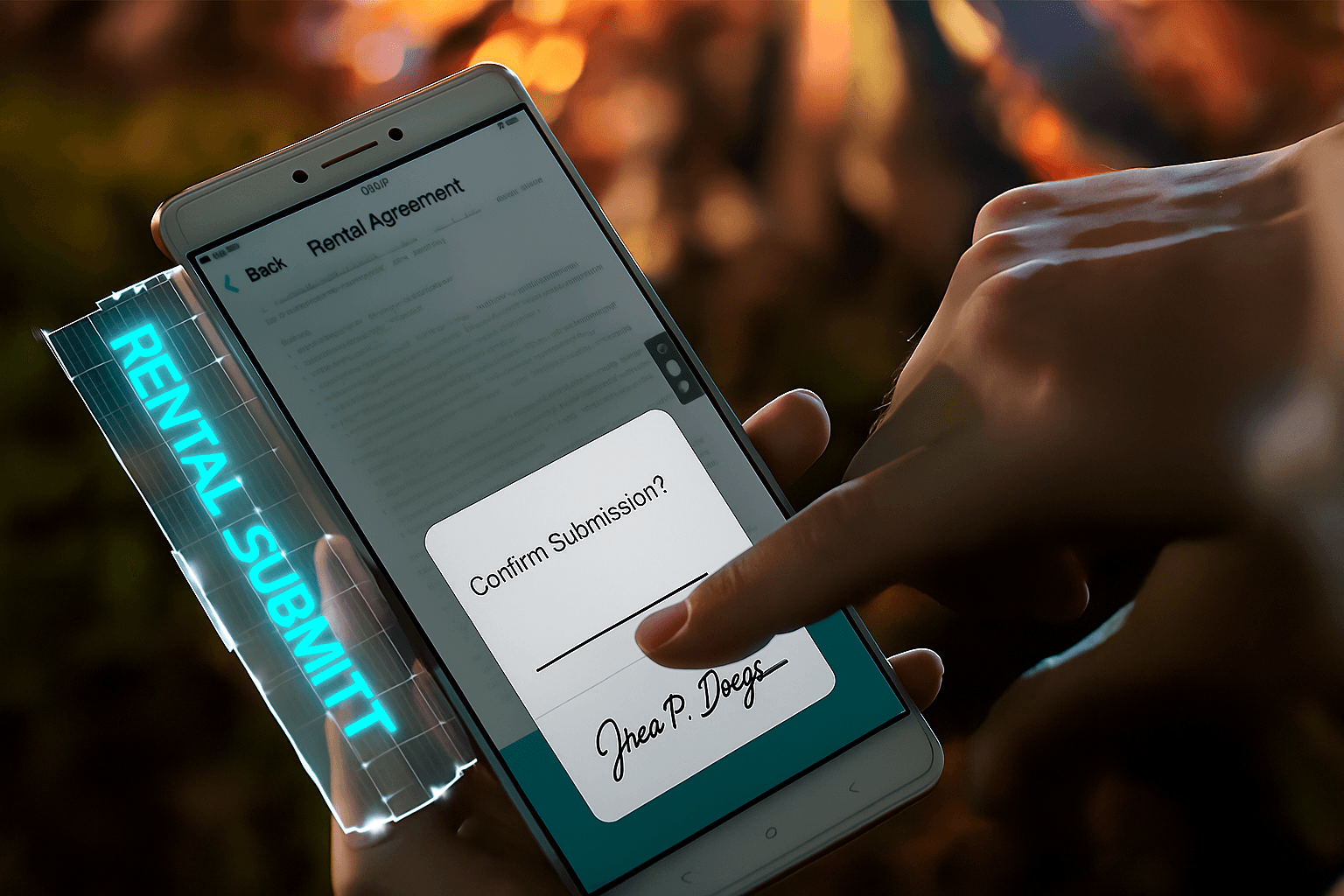
Mula sa pananaw ng negosyo, ang paglipat sa elektronikong proseso ng I-9 ay nagbibigay ng malaking kalamangan, tulad ng mas mabilis na pag-hire at mas mahusay na pag-iingat ng rekord, ngunit nangangailangan ito ng malinaw na pag-unawa sa mga kinakailangan. Malinaw na pinapayagan ng USCIS ang elektronikong I-9 mula pa noong 2007, basta't sumusunod ito sa mga partikular na pamantayan ng Electronic Signatures in Global and National Commerce Act (ESIGN Act) ng 2000 at ng Uniform Electronic Transactions Act (UETA) na pinagtibay ng karamihan sa mga estado. Itinatakda ng mga batas na ito na ang elektronikong lagda ay may parehong legal na bisa tulad ng sulat-kamay na lagda kung ito ay nagpapakita ng intensyon na lumagda at may katangian na hindi maaaring baguhin.
Nagkokompara ng mga eSignature platform sa DocuSign o Adobe Sign?
Nag-aalok ang eSignGlobal ng mas flexible at mas abot-kayang solusyon sa eSignature, na may global compliance, transparent na pagpepresyo, at mas mabilis na karanasan sa onboarding.
👉 Magsimula ng libreng pagsubok
Legal na Balangkas ng Elektronikong Lagda sa Estados Unidos
Sa Estados Unidos, ang larangan ng elektronikong lagda ay pinamamahalaan ng kombinasyon ng mga batas pederal at estado, na nagbibigay-priyoridad sa pagiging maaasahan at seguridad. Ang Electronic Signatures in Global and National Commerce Act (ESIGN Act) ay nagbibigay ng pambansang balangkas, na nagpapahintulot sa mga elektronikong rekord at lagda na gamitin sa karamihan ng mga transaksyon na nakakaapekto sa interstate o foreign commerce bilang kapalit ng mga dokumentong papel. Hinihiling nito na ang mga gumagamit ay sumang-ayon sa elektronikong transaksyon, at ang sistema ay dapat magpanatili ng mga rekord sa paraang tumpak na sumasalamin sa kasunduan.
Bilang karagdagan sa ESIGN, mayroong Uniform Electronic Transactions Act (UETA), na nag-uugnay sa mga panuntunan sa antas ng estado at pinagtibay na ng 49 na estado (na may mga baryasyon sa New York at Illinois). Para sa Form I-9, ang mga regulasyon ng Department of Homeland Security (DHS) (8 CFR 274a.2) ay nagtatakda na ang mga elektronikong sistema ng I-9 ay dapat magsama ng makatwirang mga kontrol upang matiyak ang integridad ng datos, tulad ng elektronikong pagpapatunay ng impormasyon ng empleyado at lagda ng employer. Nangangahulugan ito na ang platform ay dapat sumuporta sa mga audit trail, kontrol sa pag-access, at kakayahang muling buuin ang mga rekord sa format na nababasa ng tao.
Dapat ding isaalang-alang ng mga negosyo ang mga partikular na pagkakaiba sa industriya; halimbawa, ang mga industriya ng pananalapi o pangangalagang pangkalusugan ay maaaring mangailangan ng karagdagang pagsunod sa mga regulasyon tulad ng SOX o HIPAA. Kasama sa mga panganib ng hindi pagsunod ang mga pag-audit, multa, at maging ang mga kriminal na kaso, na nagpapakita ng pangangailangan na gumamit ng matatag at sertipikadong mga tool sa eSignature. Sa patuloy na pagdami ng remote work pagkatapos ng pandemya, tumaas ang paggamit nito, at iniulat ng USCIS na mahigit 90% ng mga Form I-9 ng malalaking employer ay pinoproseso na ngayon sa elektronikong paraan.
Mga Pangunahing Kinakailangan para sa Elektronikong Lagda ng I-9
Upang gumamit ng elektronikong lagda sa Form I-9, dapat sundin ng mga employer ang mga alituntunin ng USCIS, na nagbibigay-diin sa tatlong haligi: pagiging tunay, integridad, at hindi maikakaila. Una, dapat makuha ng sistema ang intensyon ng lumalagda sa pamamagitan ng proseso tulad ng pag-click sa button na "Sumasang-ayon Ako" o pagpasok ng natatanging code, na tinitiyak na hindi ito simpleng paglalagay ng na-scan na lagda.
Pangalawa, ang dokumento ay dapat na hindi maaaring baguhin, na may mga feature tulad ng digital timestamp at cryptographic hash upang matukoy ang mga pagbabago. Itinatakda ng USCIS na ang elektronikong I-9 ay dapat magsama ng naka-print at elektronikong kopya ng form, pati na rin ang mga sumusuportang dokumento (tulad ng pasaporte o lisensya sa pagmamaneho), na dapat i-scan o kunan ng digital. Kailangan ng mga employer na panatilihin ang mga dokumentong ito nang hindi bababa sa tatlong taon (mula sa petsa ng pag-hire) o isang taon (mula sa petsa ng pagtatapos), alinman ang mas huli, at ibigay ang mga ito para sa inspeksyon sa loob ng 72 oras.
Pangatlo, mahalaga ang pagpapatunay ng pagkakakilanlan. Bagama't sapat na ang pangunahing elektronikong lagda para sa mismong form, para sa mga sitwasyong may mataas na panganib, inirerekomenda ang mga pinahusay na pamamaraan, tulad ng knowledge-based authentication o biometric check. Dapat itala ng sistema ang lahat ng aksyon, kabilang ang mga IP address at timestamp, upang lumikha ng hindi nababagong audit trail. Mahalaga, pinapayagan ng USCIS ang flexibility sa mga application ng lagda—kung ito ay iginuhit gamit ang mouse, tinype, o in-upload na larawan—ngunit ang proseso ay dapat na ligtas at madaling gamitin upang maiwasan ang mga pagkakamali.
Mula sa pananaw ng operasyon, ang pagsasama ng mga kinakailangang ito sa mga workflow ng Human Resources ay maaaring paikliin ang oras ng pagproseso mula sa ilang araw hanggang ilang oras. Gayunpaman, dapat magsagawa ng regular na pag-audit at sanayin ang mga empleyado ang mga negosyo, dahil ang mga hindi sinasadyang paglabag (tulad ng hindi pag-update ng mga nag-expire na form) ay karaniwang mga pagkakamali pa rin. Ang mga tool para sa automated na paalala at pagsusuri sa pagsunod ay nagiging mas mahalaga para sa pagpapalawak ng mga operasyon nang hindi nalalantad sa mga legal na panganib.
Pag-navigate sa mga Solusyon sa eSignature para sa Pagsunod sa I-9
Ang pagpili ng eSignature platform para sa Form I-9 ay nangangailangan ng pagbalanse sa pagsunod, pagiging madaling gamitin, at gastos. Nag-aalok ang ilang kilalang provider ng mga custom na feature na iniayon sa mga kinakailangan ng pederal ng Estados Unidos, na nagbibigay-daan sa walang problemang elektronikong pagproseso ng mga sensitibong dokumento ng Human Resources. Sa ibaba, tinatalakay namin ang mga pangunahing opsyon mula sa neutral na pananaw ng negosyo, na nakatuon sa kanilang pagiging angkop para sa I-9.
DocuSign
Ang DocuSign ay nangunguna sa merkado ng elektronikong lagda at malawakang ginagamit para sa mga proseso ng I-9 dahil sa matatag nitong sertipikasyon sa pagsunod (kabilang ang pagsunod sa ESIGN at UETA). Sinusuportahan nito ang mga automated na workflow para sa pagpapadala ng mga Form I-9 sa mga bagong empleyado, na may mga built-in na field para sa pag-upload ng dokumento at elektronikong lagda. Tinutulungan ng mga feature tulad ng envelope tracking at real-time na pag-update ng status ang mga employer na subaybayan ang pagkumpleto, habang tinitiyak ng audit trail nito ang mga rekord na handa para sa USCIS. Ang pagsasama ng DocuSign sa mga sistema ng Human Resources tulad ng Workday o BambooHR ay nagpapadali sa proseso ng onboarding, na ginagawa itong pangunahing pagpipilian para sa mga negosyong humahawak ng malaking volume. Ang pangunahing plano ay nagkakahalaga ng humigit-kumulang $10 bawat user bawat buwan, na may karagdagang bayad para sa mga advanced na feature ng seguridad.

Adobe Sign
Ang Adobe Sign, na bahagi ng Adobe Document Cloud, ay mahusay sa pamamahala ng dokumento at eSignature para sa mga regulated na form tulad ng I-9. Sumusunod ito sa mga pamantayan ng pederal ng Estados Unidos sa pamamagitan ng mga feature tulad ng legal na nagbubuklod na lagda, automated na paalala, at naka-encrypt na secure na storage. Maaaring direktang i-embed ng mga user ang mga field ng I-9 sa mga PDF, na sumusuporta sa maraming partido na lumalagda nang hindi kinakailangan ang mga tatanggap na gumawa ng account. Ang kalamangan nito ay ang walang problemang pagsasama sa Microsoft Office at Adobe Acrobat, na angkop para sa mga negosyong nasa Adobe ecosystem na. Nag-aalok din ang Adobe Sign ng mobile na lagda, na mahalaga para sa remote na pagpapatunay. Ang panimulang presyo ay humigit-kumulang $10 bawat user bawat buwan, na may API access na idinagdag sa antas ng enterprise.

eSignGlobal
Ipinoposisyon ng eSignGlobal ang sarili bilang isang compliant na alternatibo para sa mga pandaigdigang operasyon, na sumusuporta sa elektronikong lagda sa mahigit 100 pangunahing bansa at rehiyon, na may partikular na lakas sa rehiyon ng Asia-Pacific (APAC). Sa Estados Unidos, sumusunod ito sa mga pamantayan ng ESIGN at UETA para sa mga Form I-9, na nag-aalok ng mga feature tulad ng pagpapatunay ng access code upang matiyak ang integridad ng dokumento at lagda. Ang Essential plan ng platform, sa halagang $16.6 lamang bawat buwan, ay nagpapahintulot ng hanggang 100 elektronikong nilagdaang dokumento at nagbibigay ng walang limitasyong user seat, na nag-aalok ng malaking halaga para sa mga lumalagong team. Binibigyang-diin nito ang pagiging abot-kaya habang pinapanatili ang pagsunod, na may kalamangan sa rehiyon ng APAC dahil ang tanawin ng elektronikong lagda sa rehiyong ito ay fragmented, may mataas na pamantayan, at mahigpit na kinokontrol. Hindi tulad ng mga modelong nakabatay sa balangkas ng ESIGN/eIDAS sa Estados Unidos at Europa, hinihiling ng mga pamantayan ng APAC ang mga solusyon sa "ecosystem integration" na nangangailangan ng malalim na hardware/API-level na pakikipag-ugnayan sa digital identity ng gobyerno sa negosyo (G2B)—na higit pa sa teknikal na threshold ng karaniwang pagpapatunay ng email o self-attestation sa Kanluran. Walang problemang isinasama ng eSignGlobal ang iAM Smart ng Hong Kong at Singpass ng Singapore, na nagpapadali sa mga pangangailangan ng cross-border Human Resources. Aktibong nakikipagkumpitensya ang kumpanya sa DocuSign at Adobe Sign sa buong mundo, kabilang ang Estados Unidos at Europa, sa pamamagitan ng pag-aalok ng mas mababang presyo nang hindi nakokompromiso ang seguridad o scalability.

Naghahanap ng mas matalinong alternatibo sa DocuSign?
Nag-aalok ang eSignGlobal ng mas flexible at mas abot-kayang solusyon sa eSignature, na may global compliance, transparent na pagpepresyo, at mas mabilis na karanasan sa onboarding.
👉 Magsimula ng libreng pagsubok
HelloSign (Dropbox Sign)
Ang HelloSign, na isinama na ngayon sa Dropbox, ay nagbibigay ng simpleng solusyon sa eSignature na sumusunod sa batas ng Estados Unidos para sa pagproseso ng I-9. Nagtatampok ito ng mga simpleng template para sa mga form, walang contact na paglagda sa pamamagitan ng email link, at mga pangunahing audit log. Ang pagiging abot-kaya nito—simula sa $15 bawat user bawat buwan—at ang pagsasama sa Dropbox file storage ay nakakaakit sa maliliit at katamtamang laki ng mga negosyo. Bagama't kulang ito sa ilang advanced na feature ng APAC, maaasahan ito para sa domestic na pagsunod sa Estados Unidos.
Paghahambing ng mga I-9 eSignature Platform
Upang makatulong sa pagdedesisyon, narito ang neutral na talahanayan ng paghahambing batay sa mga salik na may kaugnayan sa I-9:
| Platform | Presyo (Simula, USD/Buwan) | Mga Feature sa Pagsunod sa I-9 | Limitasyon sa User | Pagsasama | Mga Kalamangan para sa mga Negosyo sa US |
|---|---|---|---|---|---|
| DocuSign | $10/User | Audit Trail, Tamper-Evident Seal, Mobile Signature | Scalable | HRIS (Workday), Microsoft | Enterprise-Grade Workflows |
| Adobe Sign | $10/User | PDF Embedding, Encryption, Reminders | Unlimited | Adobe Ecosystem, Office | Document-Intensive Processes |
| eSignGlobal | $16.6 (Fixed, Unlimited Users) | Access Codes, Global Standards, API | Unlimited | iAM Smart, Singpass, SSO | Cost-Effective for Teams |
| HelloSign | $15/User | Basic Templates, Email Signing, Logs | Scalable | Dropbox, Google Workspace | Simplicity for SMBs |
Itinatampok ng talahanayang ito ang mga trade-off: nangunguna ang DocuSign at Adobe Sign sa pagsasama na nakasentro sa Estados Unidos, habang nag-aalok ang eSignGlobal ng mas malawak na pandaigdigang saklaw at potensyal na mas mababang gastos para sa walang limitasyong user.
Mga Huling Kaisipan sa Pagpili ng I-9 Elektronikong Lagda
Sa kabuuan, ang pagtugon sa mga kinakailangan sa elektronikong lagda ng I-9 ay nakasalalay sa pagpili ng tool na sumusunod sa mga pamantayan ng ESIGN, UETA, at USCIS upang mabawasan ang mga panganib habang pinapataas ang kahusayan. Para sa mga negosyong naghahanap ng alternatibo sa DocuSign na nakatuon sa pagsunod sa rehiyon, ang eSignGlobal ay lumalabas bilang isang viable na opsyon, lalo na para sa mga may operasyon sa APAC. Ang pagsasagawa ng pagsusuri batay sa mga partikular na pangangailangan (tulad ng laki ng team, pagsasama, at badyet) ay nananatiling susi sa matalinong pagbili.
