
'%3e%3cpath%20fill-rule='evenodd'%20clip-rule='evenodd'%20d='M6.99935%2012.8327C10.221%2012.8327%2012.8327%2010.221%2012.8327%206.99935C12.8327%203.77769%2010.221%201.16602%206.99935%201.16602C3.77769%201.16602%201.16602%203.77769%201.16602%206.99935C1.16602%2010.221%203.77769%2012.8327%206.99935%2012.8327Z'%20stroke='%23666666'%20stroke-linecap='round'%20stroke-linejoin='round'/%3e%3cpath%20d='M1.16602%207H12.8327'%20stroke='%23666666'%20stroke-linecap='round'%20stroke-linejoin='round'/%3e%3cpath%20fill-rule='evenodd'%20clip-rule='evenodd'%20d='M6.99935%2012.8327C8.28802%2012.8327%209.33268%2010.221%209.33268%206.99935C9.33268%203.77769%208.28802%201.16602%206.99935%201.16602C5.71068%201.16602%204.66602%203.77769%204.66602%206.99935C4.66602%2010.221%205.71068%2012.8327%206.99935%2012.8327Z'%20stroke='%23666666'%20stroke-linecap='round'%20stroke-linejoin='round'/%3e%3cpath%20d='M2.875%202.95898C3.93063%204.01461%205.38896%204.66754%206.99978%204.66754C8.61062%204.66754%2010.069%204.01461%2011.1246%202.95898'%20stroke='%23666666'%20stroke-linecap='round'%20stroke-linejoin='round'/%3e%3cpath%20d='M11.1246%2011.0425C10.069%209.98691%208.61062%209.33398%206.99978%209.33398C5.38896%209.33398%203.93063%209.98691%202.875%2011.0425'%20stroke='%23666666'%20stroke-linecap='round'%20stroke-linejoin='round'/%3e%3c/g%3e%3cdefs%3e%3cclipPath%20id='clip0_1267_9109'%3e%3crect%20width='14'%20height='14'%20fill='white'/%3e%3c/clipPath%3e%3c/defs%3e%3c/svg%3e)


Как обрабатывать электронные подписи в договорах об аренде временных магазинов в Великобритании?


Понимание британского законодательства об электронных подписях
В быстро меняющемся мире розничной торговли временные магазины предоставляют брендам возможность протестировать рынок и временно привлечь клиентов. Однако из-за сжатых сроков управление договорами аренды, контрактами с поставщиками или партнерскими соглашениями может быть сложной задачей. Электронные подписи (e-signatures) предлагают упрощенное решение, но соблюдение британских правил имеет решающее значение для их исполнимости. С коммерческой точки зрения, понимание этих законов может гарантировать, что временные розничные операции избежат юридических ловушек, сохраняя при этом эффективность.
Великобритания тесно связана с регламентом eIDAS Европейского союза, который был сохранен после Brexit в соответствии с Законом об электронных коммуникациях 2000 года и Регламентом об электронной идентификации 2016 года. eIDAS классифицирует электронные подписи на три уровня: простые (базовая цифровая отметка, например, введенное имя), продвинутые (уникально связанные с подписантом, защищенные от подделок и связанные с подписантом) и квалифицированные (наивысшая гарантия, использующие сертифицированное оборудование). Для большинства коммерческих соглашений, включая аренду временных магазинов, продвинутых электронных подписей достаточно, поскольку они соответствуют критерию "надежности" в соответствии с Законом об электронных коммуникациях Великобритании. Это означает, что электронные подписи юридически эквивалентны рукописным подписям, если они демонстрируют намерение, согласие и целостность.
Ключевые соображения включают защиту данных в соответствии с британским GDPR, требующую безопасного хранения личных данных в подписях и получения согласия на обработку. Для временных магазинов, которые обычно связаны с краткосрочной арендой (например, 1-3 месяца), соглашения должны четко описывать условия, такие как срок, арендная плата и коммунальные услуги. Несоблюдение может привести к аннулированию судом, поэтому предприятия должны проверять соответствие платформ требованиям eIDAS. Наблюдатели отмечают, что, хотя структура надежна, правоохранительные органы сосредоточены на предотвращении мошенничества, а не на чрезмерном регулировании технических требований, что обеспечивает гибкость для малого и среднего бизнеса.
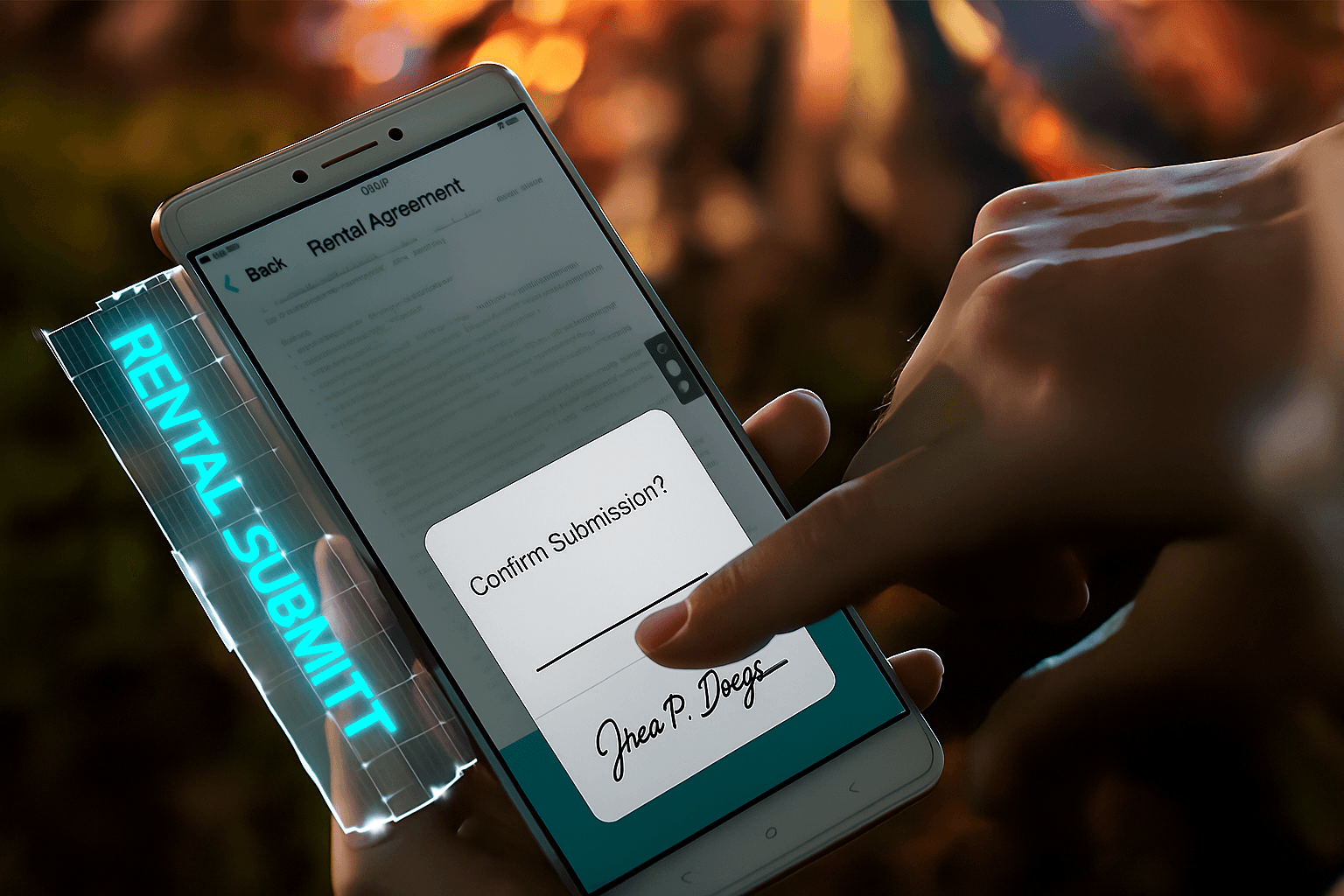
Почему электронные подписи важны для соглашений о временных магазинах в Великобритании
Временные магазины процветают благодаря гибкости — мероприятия, сотрудничество или сезонные активации требуют быстрого исполнения контрактов. Традиционные подписи задерживают утверждение, что приводит к упущенным возможностям в местах с высокой проходимостью, таких как рынки Лондона или торговые центры Манчестера. Электронные подписи ускоряют этот процесс, позволяя удаленно ставить подписи мгновенно, сокращая объем бумажной работы и снижая затраты до 80% в соответствии с данными Комитета по цифровой экономике Великобритании.
С коммерческой точки зрения, они повышают масштабируемость: бренды, запускающие несколько временных магазинов, могут стандартизировать шаблоны соглашений о площадках, обеспечивая согласованные условия, такие как ответственность и прекращение действия. Безопасность имеет первостепенное значение; британские суды (например, в деле Golden Ocean Group v Salgocar) поддержали электронные подписи, когда контрольный журнал подтверждает подлинность. Для временных магазинов, в которых участвуют международные поставщики, совместимость eIDAS помогает обеспечить трансграничную действительность, хотя предприятия должны проверять местоположение подписантов, чтобы избежать проблем с юрисдикцией.
Шаги по обработке электронных подписей для соглашений о временных магазинах в Великобритании
Внедрение электронных подписей для соглашений о временных магазинах требует структурированного подхода, который уравновешивает скорость и соответствие требованиям. Ниже приведено практическое руководство, основанное на передовом опыте отрасли.
Шаг 1: Выберите платформу, соответствующую требованиям
Выберите сертифицированного eIDAS поставщика, поддерживающего продвинутые электронные подписи. Платформа должна обеспечивать защиту от несанкционированного доступа, журналы аудита и хостинг данных, соответствующий британскому GDPR (в идеале в Великобритании или ЕС). Для временных магазинов приоритет отдается мобильным интерфейсам для подписи на месте. Протестируйте интеграцию с Google Workspace или CRM-системами для автоматизации рабочих процессов аренды.
Шаг 2: Составьте четкое, исполнимое соглашение
Начните с шаблона, адаптированного к потребностям временных магазинов в Великобритании: включите конкретные детали, касающиеся доступа к помещению, страхования и сборов за досрочное расторжение. Используйте простой английский язык в соответствии со стандартами Закона о правах потребителей. Встройте поля электронной подписи для ключевых сторон (например, арендодателя, розничного продавца, поставщика). Добавьте отказ от ответственности, подтверждающий юридическую эквивалентность электронных подписей в соответствии с законодательством Великобритании. Инструменты с условной логикой могут автоматически заполнять детали в зависимости от типа площадки, например, срока действия временного магазина.
Шаг 3: Подтвердите личность и согласие подписанта
Для получения расширенных гарантий реализуйте многофакторную аутентификацию (например, SMS или одноразовые пароли по электронной почте). Для соглашений с высокой стоимостью (например, в престижных районах Лондона) выберите дополнительные функции проверки личности. Получите явное согласие на электронную подпись с помощью флажков и запишите его для аудита. Это может смягчить споры, поскольку британское прецедентное право подчеркивает доказуемое намерение.
Шаг 4: Выполните и отслеживайте процесс подписания
Отправляйте соглашения по безопасным ссылкам, устанавливайте напоминания для быстрого оборота — это важно для временных магазинов с жесткими сроками установки. Для многосторонних соглашений используйте последовательную подпись (например, сначала владелец площадки, затем поставщик коммунальных услуг). Уведомления в режиме реального времени поддерживают согласованность заинтересованных сторон. После подписания платформа должна генерировать заверенную копию с отметкой времени, соответствующую правилам хранения eIDAS (до 10 лет для коммерческих контрактов).
Шаг 5: Безопасное хранение и управление записями
Архивируйте подписанные документы в зашифрованном, доступном хранилище. Британский GDPR требует минимизации данных, поэтому храните только необходимую информацию. Для временных магазинов помечайте файлы по событиям (например, "Временный магазин в Ковент-Гардене, 2025 год") для удобного поиска во время аудита или продления. Интегрируйте с бухгалтерским программным обеспечением для обработки счетов, которые беспрепятственно связаны с подписанными условиями.
Шаг 6: Контролируйте соответствие требованиям и расширяйте возможности
Регулярно проверяйте обновления платформы, чтобы учитывать изменения в британских правилах, такие как корректировки eIDAS после Brexit. Для многосайтовых операций анализ времени подписания может оптимизировать будущие временные магазины. Если вы расширяетесь на международном уровне, убедитесь, что инструменты учитывают различия (например, договорное право Шотландии). Согласно Deloitte Insights, предприятия сообщают об увеличении скорости закрытия сделок на 30-50% при использовании этого процесса.
Этот рабочий процесс не только соответствует британскому законодательству, но и обеспечивает защиту стратегий временных магазинов в условиях роста цифровой розничной торговли.
Сравниваете платформы электронных подписей с DocuSign или Adobe Sign?
eSignGlobal предлагает более гибкое и экономичное решение для электронных подписей с глобальным соответствием требованиям, прозрачным ценообразованием и более быстрой адаптацией.
👉 Начните бесплатную пробную версию
Выбор подходящей платформы электронных подписей для британского бизнеса
В условиях множества вариантов выбор инструмента для электронных подписей требует взвешивания функций, цен и соответствия требованиям, специфичным для Великобритании. Ниже мы представляем обзор ключевых игроков с нейтральной коммерческой точки зрения, уделяя особое внимание применимости к сценариям временных магазинов.
DocuSign: Многофункциональный лидер рынка
DocuSign доминирует на рынке благодаря своему набору электронных подписей, включающему IAM (интеллектуальное управление соглашениями) и CLM (управление жизненным циклом контрактов) для сквозных рабочих процессов. IAM автоматизирует маршрутизацию и анализ соглашений, что идеально подходит для команд временных магазинов, управляющих несколькими краткосрочными контрактами. Цены начинаются от 10 долларов в месяц (5 конвертов) для личного плана и до 40 долларов в месяц на пользователя для бизнес-профессионального плана с дополнительными функциями, такими как доставка SMS. Он полностью поддерживает продвинутые подписи eIDAS, предлагает шаблоны, массовую отправку и интеграцию с Salesforce или Microsoft. Для временных магазинов в Великобритании его контрольный журнал и SSO улучшают управление, хотя ограничения на конверты могут ограничить пользователей с большим объемом.

Adobe Sign: Бесшовная интеграция для креативной розничной торговли
Adobe Sign, как часть Adobe Document Cloud, превосходно подходит для креативных отраслей, таких как модные временные магазины. Он предлагает продвинутые электронные подписи с условными полями и сбором платежей, соответствующие требованиям eIDAS благодаря безопасным рабочим процессам. Цены варьируются: 25 долларов в месяц на пользователя для стандартного плана, 40 долларов для бизнес-плана и индивидуальные цены для корпоративного плана. Основные преимущества включают глубокую связь с экосистемой Adobe (например, редактирование аренды с помощью Acrobat) и мобильную подпись. Для соответствия требованиям Великобритании он предлагает инструменты GDPR и центры обработки данных в Великобритании. Недостатком является крутая кривая обучения для пользователей, не являющихся пользователями Adobe, но он надежен для визуально насыщенных соглашений.

HelloSign (Dropbox Sign): Просто и доступно для малого и среднего бизнеса
HelloSign (теперь Dropbox Sign) фокусируется на удобных электронных подписях, а не на сложности. Он поддерживает продвинутые подписи, соответствующие требованиям eIDAS, с такими функциями, как многоразовые шаблоны и совместная работа в команде. Цены начинаются от 15 долларов в месяц (неограниченная отправка, 3 шаблона) для базового плана и расширяются до 25 долларов для стандартного плана. Он хорошо подходит для индивидуальных предпринимателей или небольших команд временных магазинов, интегрируется с Dropbox для безопасного хранения. Пользователи в Великобритании получают выгоду от простых журналов аудита, хотя ему не хватает расширенного CLM для крупных операций.
eSignGlobal: Глобальное соответствие требованиям с региональными преимуществами
eSignGlobal предлагает комплексное решение для электронных подписей, соответствующее требованиям в более чем 100 основных странах, включая Великобританию, и полностью поддерживает eIDAS. Он выделяется в Азиатско-Тихоокеанском регионе (АТР), где электронные подписи сталкиваются с фрагментацией, высокими стандартами и строгими правилами — в отличие от более ориентированного на структуру подхода ESIGN/eIDAS в Европе. АТР требует стандарта "интеграции экосистемы", требующего глубокой аппаратной/API интеграции с государственными цифровыми идентификаторами (G2B), что намного превышает технические барьеры проверки электронной почты или самодекларации на Западе. eSignGlobal конкурирует с DocuSign и Adobe Sign во всем мире с помощью альтернативных планов, подчеркивая доступность: его базовый план стоит всего 16,6 долларов в месяц, позволяя до 100 документов, неограниченное количество пользовательских мест и подписи с проверкой кода доступа — все это основано на соответствии требованиям и высокой ценности. Он беспрепятственно интегрируется с iAM Smart в Гонконге и Singpass в Сингапуре, что делает его очень гибким для британских компаний с связями в АТР, таких как международные бренды временных магазинов.

Ищете более умную альтернативу DocuSign?
eSignGlobal предлагает более гибкое и экономичное решение для электронных подписей с глобальным соответствием требованиям, прозрачным ценообразованием и более быстрой адаптацией.
👉 Начните бесплатную пробную версию
Сравнительная таблица платформ
| Функция/Платформа | DocuSign | Adobe Sign | eSignGlobal | HelloSign (Dropbox Sign) |
|---|---|---|---|---|
| Соответствие требованиям Великобритании/eIDAS | Полная расширенная поддержка | Полная расширенная поддержка | Полная поддержка в более чем 100 странах, сертифицировано eIDAS | Расширенная поддержка |
| Цены (начальный уровень, ежемесячно) | 10 долларов (личный план, ограниченное количество конвертов) | 25 долларов/пользователь (стандартный план) | 16,6 долларов (базовый план, 100 документов) | 15 долларов (базовый план, неограниченная отправка) |
| Ключевые функции для временных магазинов | Массовая отправка, шаблоны, IAM/CLM | Условная логика, платежи, интеграция с Acrobat | Глобальные интеграции (например, Singpass), неограниченное количество мест | Простые шаблоны, ориентация на мобильные устройства |
| Ограничения на конверты | ~100/пользователь/год (более высокие уровни) | Неограниченно в более высоких планах | 100+ в месяц в базовом плане | Неограниченно в платных планах |
| Интеграции | Широкий спектр (Salesforce, MS) | Экосистема Adobe | Государственные идентификаторы АТР, CRM | Dropbox, Google |
| Преимущества | Масштабируемые корпоративные инструменты | Креативные рабочие процессы | Экономичное глобальное соответствие требованиям | Простота использования для малого и среднего бизнеса |
| Потенциальные недостатки | Дополнительные функции стоят дороже | Зависимость от Adobe | Новее на некоторых рынках | Ограниченная расширенная автоматизация |
Эта таблица подчеркивает компромиссы; выбор зависит от масштаба и международных потребностей.
Заключение
Обработка электронных подписей для соглашений о временных магазинах в Великобритании упрощает операции, сохраняя при этом юридические стандарты. Для пользователей, ищущих альтернативу DocuSign, eSignGlobal выделяется как вариант регионального соответствия, особенно для предприятий с выходом на АТР. Оцените свои объемы и интеграции для наилучшего соответствия.
