
'%3e%3cpath%20fill-rule='evenodd'%20clip-rule='evenodd'%20d='M6.99935%2012.8327C10.221%2012.8327%2012.8327%2010.221%2012.8327%206.99935C12.8327%203.77769%2010.221%201.16602%206.99935%201.16602C3.77769%201.16602%201.16602%203.77769%201.16602%206.99935C1.16602%2010.221%203.77769%2012.8327%206.99935%2012.8327Z'%20stroke='%23666666'%20stroke-linecap='round'%20stroke-linejoin='round'/%3e%3cpath%20d='M1.16602%207H12.8327'%20stroke='%23666666'%20stroke-linecap='round'%20stroke-linejoin='round'/%3e%3cpath%20fill-rule='evenodd'%20clip-rule='evenodd'%20d='M6.99935%2012.8327C8.28802%2012.8327%209.33268%2010.221%209.33268%206.99935C9.33268%203.77769%208.28802%201.16602%206.99935%201.16602C5.71068%201.16602%204.66602%203.77769%204.66602%206.99935C4.66602%2010.221%205.71068%2012.8327%206.99935%2012.8327Z'%20stroke='%23666666'%20stroke-linecap='round'%20stroke-linejoin='round'/%3e%3cpath%20d='M2.875%202.95898C3.93063%204.01461%205.38896%204.66754%206.99978%204.66754C8.61062%204.66754%2010.069%204.01461%2011.1246%202.95898'%20stroke='%23666666'%20stroke-linecap='round'%20stroke-linejoin='round'/%3e%3cpath%20d='M11.1246%2011.0425C10.069%209.98691%208.61062%209.33398%206.99978%209.33398C5.38896%209.33398%203.93063%209.98691%202.875%2011.0425'%20stroke='%23666666'%20stroke-linecap='round'%20stroke-linejoin='round'/%3e%3c/g%3e%3cdefs%3e%3cclipPath%20id='clip0_1267_9109'%3e%3crect%20width='14'%20height='14'%20fill='white'/%3e%3c/clipPath%3e%3c/defs%3e%3c/svg%3e)


Paggamit ng DocuSign para sa Pagpapatunay ng Form I-9: Mga Panuntunan ng DHS sa Remote na Pag-iinspeksyon ng Dokumento


Pag-navigate sa Pagsunod sa Form I-9 sa Panahon ng Remote Work
Binago ng paglipat sa remote work ang paraan ng paghawak ng mga negosyo sa onboarding ng empleyado, lalo na para sa mga kritikal na proseso tulad ng pag-verify ng Form I-9. Sa Estados Unidos, pinangangasiwaan ng Department of Homeland Security (DHS) ang pag-verify ng eligibility sa trabaho sa pamamagitan ng Form I-9, isang dokumento na nagpapatunay sa pagkakakilanlan at awtorisasyon sa trabaho ng isang empleyado. Sa pag-usbong ng mga digital tool, lalong gumagamit ang mga employer ng mga platform ng electronic signature upang gawing mas simple ang prosesong ito habang sumusunod sa mga umuusbong na regulasyon.
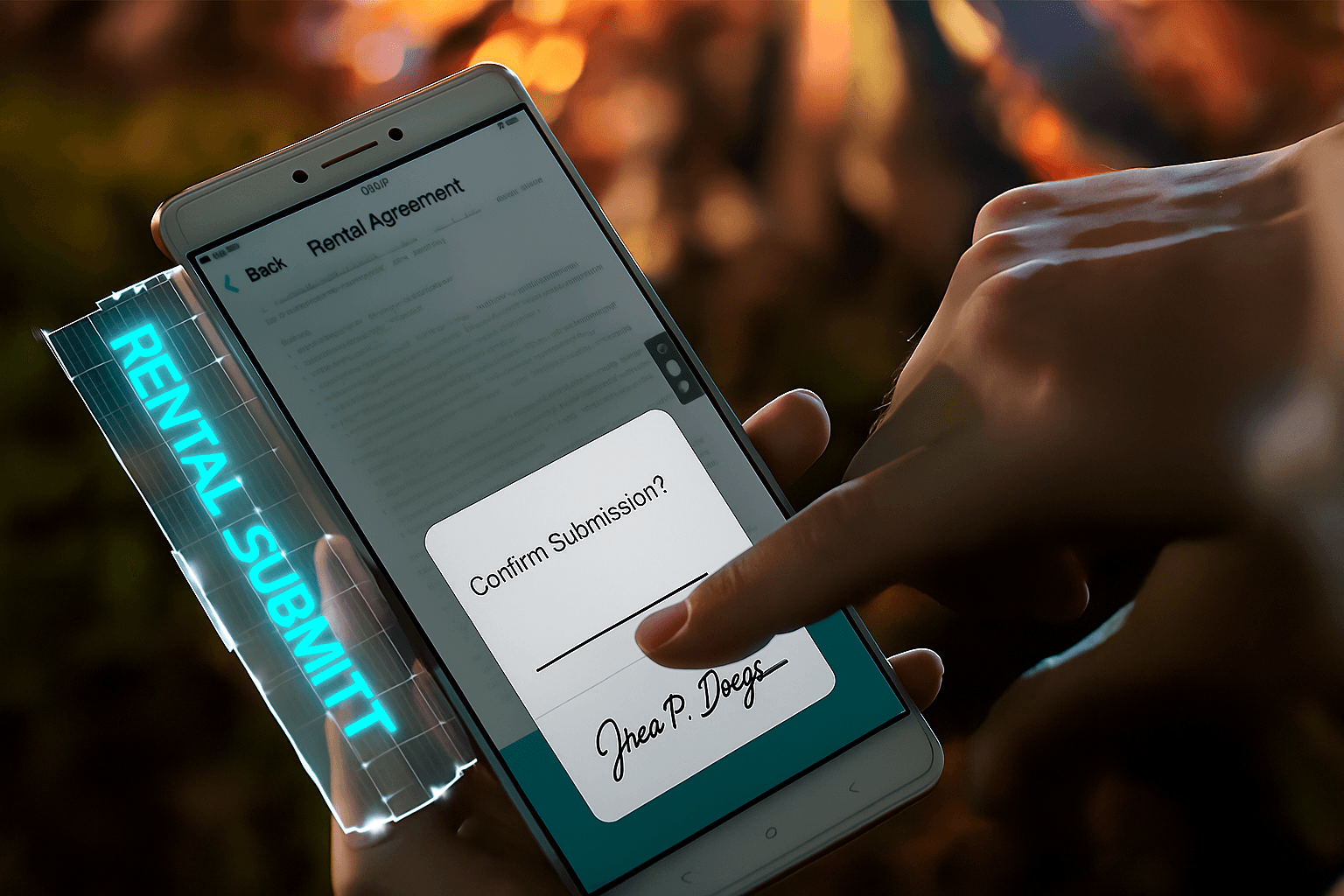
Pinaghahambing ang mga Electronic Signature Platform sa DocuSign o Adobe Sign?
Nag-aalok ang eSignGlobal ng mas flexible at mas cost-effective na solusyon sa electronic signature, na may global compliance, transparent na pagpepresyo, at mas mabilis na proseso ng onboarding.
👉 Magsimula ng Libreng Pagsubok
Pag-unawa sa Form I-9 at mga Panuntunan sa Remote Review ng DHS
Ang Form I-9 ay isang mandatoryong dokumento para sa mga employer sa US upang i-verify ang pagkakakilanlan at eligibility sa trabaho ng mga empleyado. Tradisyonal na, kinasasangkutan ito ng personal na pagsusuri ng mga pisikal na dokumento tulad ng pasaporte o lisensya sa pagmamaneho. Gayunpaman, nagpakilala ang DHS ng mga makabuluhang pagbabago simula noong Hulyo 21, 2023, na nagpapahintulot sa remote review ng mga dokumento ng Form I-9 sa ilalim ng ilang partikular na kondisyon. Ang pag-update na ito ay bahagi ng mga panuntunan sa flexibility ng Form I-9, na idinisenyo upang tumugma sa mga remote at hybrid na kapaligiran sa trabaho nang hindi nakokompromiso ang seguridad.
Sa ilalim ng mga panuntunang ito, maaari na ngayong gumamit ang mga employer ng mga awtorisadong alternatibong pamamaraan upang suriin ang mga dokumento nang elektroniko. Kabilang dito ang pag-verify sa pamamagitan ng video o digital na pagsusumite sa pamamagitan ng mga secure na platform. Kabilang sa mga pangunahing kinakailangan ang: pagpapanatili ng malinaw at nababasang mga kopya ng mga dokumento, paglalagay ng mga detalye ng remote review sa Form I-9, at pagtiyak na nakumpleto ang proseso sa loob ng tatlong araw ng trabaho pagkatapos ng petsa ng pagsisimula ng empleyado. Ang hindi pagsunod ay maaaring magresulta sa mga multa mula $272 hanggang $2,701 bawat form, na nagbibigay-diin sa pangangailangan para sa mga maaasahang tool.
Ang mga solusyon sa electronic signature ay gumaganap ng isang mahalagang papel dito. Sinusuportahan nila ang secure na pag-upload ng dokumento, pagpapatunay ng pagkakakilanlan, at mga electronic signature habang bumubuo ng mga audit trail na sumusunod sa mga pamantayan ng DHS. Dapat suportahan ng mga platform ang mga feature tulad ng tamper-evident seal at identity proofing integration upang matugunan ang mga kinakailangan ng DHS para sa "makatwirang mga hakbang" sa remote inspection.
Paggamit ng DocuSign para sa Pag-verify ng Form I-9
Bilang isang nangungunang provider ng electronic signature, nag-aalok ang DocuSign ng mga matatag na kakayahan para sa pagsunod sa Form I-9 sa pamamagitan ng eSignature platform nito. Maaaring direktang i-upload ng mga negosyo ang Form I-9 at sumusuportang mga dokumento ng pagkakakilanlan sa isang DocuSign envelope, na nagpapahintulot sa mga remote na empleyado na suriin, pumirma, at magsumite sa pamamagitan ng isang secure na link. Nagsisimula ang proseso sa paglikha ng employer ng isang template ng Form I-9, na isinasama ang mga detalye ng empleyado at mga field para sa pag-upload ng dokumento.
Para sa remote review ng DHS, partikular na kapaki-pakinabang ang identity verification (IDV) add-on ng DocuSign. Sinusuportahan nito ang pagpapatunay ng dokumento sa pamamagitan ng mga ID check, biometric verification, at paghahatid ng SMS, na naaayon sa pagbibigay-diin ng mga panuntunan sa secure na remote inspection. Kapag naisumite na ang mga dokumento, bumubuo ang DocuSign ng isang certificate of completion na may mga timestamp at log ng lumagda, na maaaring gamitin ng mga employer upang lagyan ng anotasyon ang Form I-9 kung kinakailangan. Ang pagsasama sa mga HR system tulad ng Workday o BambooHR ay higit pang nag-a-automate ng workflow, na binabawasan ang mga manual na error.
Ang pagpepresyo ng DocuSign para sa mga ganitong use case ay karaniwang nasa ilalim ng Business Pro plan nito sa $40 bawat user bawat buwan (binabayaran taun-taon), na kinabibilangan ng bulk sending para sa onboarding ng maraming bagong empleyado. Gayunpaman, ang mga add-on tulad ng IDV ay nagkakaroon ng mga metered fee, na maaaring makaipon para sa mga high-volume na pag-verify. Mula sa isang pananaw sa negosyo, pinapabuti ng setup na ito ang kahusayan ngunit nangangailangan ng maingat na pagsasaayos upang matiyak ang pagsunod sa DHS, tulad ng pagpapagana ng mga access code at audit trail.

Mga Batas sa Electronic Signature ng US at ang Epekto Nito sa Form I-9
Ang Estados Unidos ay may isang mahusay na balangkas para sa mga electronic signature, na pangunahing pinamamahalaan ng Electronic Signatures in Global and National Commerce Act (ESIGN Act) ng 2000 at ang Uniform Electronic Transactions Act (UETA) na pinagtibay ng 49 na estado. Ibinibigay ng mga batas na ito sa mga electronic signature ang parehong legal na bisa tulad ng mga wet-ink signature, sa kondisyon na mayroong patunay ng intensyon na pumirma, pahintulot sa mga electronic record, at kakayahang magpanatili ng mga tala.
Para sa Form I-9 partikular, isinama ng gabay ng DHS ang mga batas na ito mula noong 2006, na nagpapahintulot sa electronic completion at storage, na may mga remote na panuntunan ng 2023 na higit pang nagpapalawak ng mga opsyon. Kinakailangan ng ESIGN na ang mga electronic record ay tumpak, naa-access, at maaaring kopyahin, na dapat suportahan ng mga platform sa pamamagitan ng mga hindi nababagong log. Nagdaragdag ang UETA ng pagkakapare-pareho sa antas ng estado, na tinitiyak ang pagpapatupad sa mga hurisdiksyon. Gayunpaman, may mga nuances: dapat mapatunayan ang mga dokumento ng pagkakakilanlan, at ang mga employer ay may pananagutan na patunayan ang pagsunod sa panahon ng mga audit ng Immigration and Customs Enforcement (ICE).
Sa pagsasagawa, nangangahulugan ito na ang mga tool sa electronic signature na ginamit para sa Form I-9 ay dapat magsama ng mga panukalang anti-fraud, tulad ng knowledge-based authentication. Ang mga negosyong nagpapatakbo sa mga regulated na industriya tulad ng pananalapi o pangangalaga sa kalusugan ay maaaring mangailangan ng karagdagang pagsunod sa mga pamantayan tulad ng SOC 2 o FedRAMP. Sa pangkalahatan, ang diskarte ng US ay nakabatay sa balangkas, na nakatuon sa pahintulot ng consumer at pangunahing seguridad kaysa sa mga prescriptive na teknikal na kinakailangan, na ginagawang madaling iakma ang mga tool tulad ng DocuSign.
Paghahambing ng mga Opsyon para sa Form I-9 at Iba pang Electronic Signature Platform
Kapag sinusuri ang mga platform para sa pag-verify ng Form I-9 at pangkalahatang mga pangangailangan sa electronic signature, may ilang mga kadahilanan na dapat isaalang-alang: mga feature ng pagsunod, pagpepresyo, kadalian ng pagsasama, at scalability. Narito ang isang neutral na paghahambing ng mga pangunahing provider batay sa pampublikong data noong 2025.
| Platform | Panimulang Presyo (Taun-taon, USD) | Mga Pangunahing Feature ng Form I-9 | Mga Bentahe sa Pagsunod | Mga Limitasyon | Mga Limitasyon sa User |
|---|---|---|---|---|---|
| DocuSign | $300/user (Standard) | IDV add-on, Bulk Sending, Audit Trail | ESIGN/UETA, Mga Panuntunan sa Remote ng DHS | Pagpepresyo batay sa upuan, Mga metered add-on | Hanggang 50 upuan (Custom para sa mas mataas na tier) |
| Adobe Sign | $22.99/user (Indibidwal) | Pagsasama sa Document Cloud, Electronic Signature | ESIGN, Mga Pandaigdigang Pamantayan (eIDAS) | Mas kaunting pagtuon sa pagpapatunay ng pagkakakilanlan | Walang limitasyon para sa Enterprise |
| eSignGlobal | $299 (Basic, Walang Limitasyong User) | Bulk Sending, Mga Access Code, Kasama ang API | 100+ Bansa, Pagsasama sa Ecosystem ng APAC | Limitadong pampublikong pagpepresyo para sa mga advanced na tier | Walang limitasyong user |
| HelloSign (Dropbox Sign) | $15/user (Basic) | Mga Simpleng Template, Mobile Signature | ESIGN, Mga Pangunahing Audit Log | Mas kaunting mga advanced na opsyon sa ID | Hanggang 20 user (Mas mataas para sa Pro) |
Itinatampok ng talahanayang ito ang mga trade-off: Ang DocuSign ay mahusay sa mga feature ng enterprise ngunit may mas mataas na gastos, habang ang mga alternatibo ay nagbibigay-priyoridad sa affordability at flexibility.
Mga Alternatibo sa DocuSign para sa Sumusunod na Electronic Signature
Ang Adobe Sign, bilang bahagi ng Adobe Document Cloud, ay nag-aalok ng isang seamless na opsyon para sa mga proseso ng Form I-9 na may pagtuon sa paghawak ng PDF at automation ng workflow. Sinusuportahan nito ang remote na pagsusuri ng dokumento at mga electronic signature sa pamamagitan ng mga shared link, na sumusunod sa ESIGN at UETA. Ang pagpepresyo ay nagsisimula sa $22.99 bawat user bawat buwan para sa mga pangunahing plano, na umaabot sa mga custom na quote ng enterprise. Kabilang sa mga bentahe ang pagsasama sa Microsoft 365 at matatag na pag-encrypt, bagaman nangangailangan ang pagpapatunay ng pagkakakilanlan ng mga third-party na add-on.

Lumilitaw ang eSignGlobal bilang isang katunggali, na nag-aalok ng pagsunod na sumasaklaw sa 100+ pangunahing bansa sa buong mundo at partikular na malakas sa rehiyon ng Asia-Pacific (APAC). Ang tanawin ng electronic signature ng APAC ay nailalarawan sa pamamagitan ng pagiging fragmented, mataas na pamantayan, at mahigpit na regulasyon, na kaibahan sa mga modelong ESIGN/eIDAS ng US at Europa. Sa APAC, karaniwang nangangailangan ang mga solusyon ng isang diskarte sa "pagsasama ng ecosystem" na kinasasangkutan ng malalim na hardware/API docking sa mga digital na pagkakakilanlan ng gobyerno-sa-negosyo (G2B) - na higit pa sa mga pag-verify ng email o self-attestation na karaniwan sa mga merkado sa Kanluran. Tinutugunan ng eSignGlobal ang hamon na ito sa pamamagitan ng seamless na pagsasama sa iAM Smart ng Hong Kong at Singpass ng Singapore, na tinitiyak ang legal na bisa para sa mga operasyon sa buong hangganan. Ang pangunahing plano nito ay nagsisimula sa $16.6 lamang bawat buwan (o $199 na binabayaran taun-taon), na nagpapahintulot sa hanggang 100 ipinadalang electronic signature na dokumento, walang limitasyong mga upuan ng user, at pag-verify ng dokumento/signature sa pamamagitan ng mga access code. Ang pagpepresyo na ito ay nag-aalok ng malakas na halaga sa isang batayan ng pagsunod, na nagpoposisyon sa eSignGlobal bilang isang viable na alternatibo para sa mga pandaigdigang koponan.

Nag-aalok ang HelloSign (ngayon ay Dropbox Sign) ng mga simpleng electronic signature para sa Form I-9, gamit ang mga template at suporta sa mobile, na nagsisimula sa $15 bawat user bawat buwan. Angkop ito para sa maliliit na koponan ngunit kulang sa mga advanced na IDV kumpara sa DocuSign.
Naghahanap ng Mas Matalinong Alternatibo sa DocuSign?
Nag-aalok ang eSignGlobal ng mas flexible at mas cost-effective na solusyon sa electronic signature, na may global compliance, transparent na pagpepresyo, at mas mabilis na proseso ng onboarding.
👉 Magsimula ng Libreng Pagsubok
Mga Pagsasaalang-alang sa Negosyo para sa Pagpili ng Tamang Platform
Mula sa isang pananaw sa negosyo, ang pagpili ng isang tool sa electronic signature para sa Form I-9 ay kinasasangkutan ng pagbabalanse ng gastos, pagsunod, at kahusayan sa pagpapatakbo. Ang pagiging matatag ng DocuSign ay angkop para sa malalaking kumpanyang nakasentro sa US, ngunit habang lumalawak ang mga negosyo sa buong mundo, ang mga alternatibo tulad ng eSignGlobal ay nag-aalok ng mga bentahe sa pagsunod sa rehiyon nang hindi nagbabayad ng premium sa bawat upuan. Sa huli, ang pagpili ay nakasalalay sa dami, mga kinakailangan sa pagsasama, at mga priyoridad sa regulasyon—tinitiyak ng mga opsyon sa pagsubok ang pagkakahanay sa mga panuntunan ng DHS at mas malawak na mga layunin.
Para sa mga user na naghahanap ng mga alternatibo sa DocuSign, ang eSignGlobal ay namumukod-tangi bilang isang opsyon sa pagsunod sa rehiyon, lalo na para sa mga operasyon sa APAC.
