
'%3e%3cpath%20fill-rule='evenodd'%20clip-rule='evenodd'%20d='M6.99935%2012.8327C10.221%2012.8327%2012.8327%2010.221%2012.8327%206.99935C12.8327%203.77769%2010.221%201.16602%206.99935%201.16602C3.77769%201.16602%201.16602%203.77769%201.16602%206.99935C1.16602%2010.221%203.77769%2012.8327%206.99935%2012.8327Z'%20stroke='%23666666'%20stroke-linecap='round'%20stroke-linejoin='round'/%3e%3cpath%20d='M1.16602%207H12.8327'%20stroke='%23666666'%20stroke-linecap='round'%20stroke-linejoin='round'/%3e%3cpath%20fill-rule='evenodd'%20clip-rule='evenodd'%20d='M6.99935%2012.8327C8.28802%2012.8327%209.33268%2010.221%209.33268%206.99935C9.33268%203.77769%208.28802%201.16602%206.99935%201.16602C5.71068%201.16602%204.66602%203.77769%204.66602%206.99935C4.66602%2010.221%205.71068%2012.8327%206.99935%2012.8327Z'%20stroke='%23666666'%20stroke-linecap='round'%20stroke-linejoin='round'/%3e%3cpath%20d='M2.875%202.95898C3.93063%204.01461%205.38896%204.66754%206.99978%204.66754C8.61062%204.66754%2010.069%204.01461%2011.1246%202.95898'%20stroke='%23666666'%20stroke-linecap='round'%20stroke-linejoin='round'/%3e%3cpath%20d='M11.1246%2011.0425C10.069%209.98691%208.61062%209.33398%206.99978%209.33398C5.38896%209.33398%203.93063%209.98691%202.875%2011.0425'%20stroke='%23666666'%20stroke-linecap='round'%20stroke-linejoin='round'/%3e%3c/g%3e%3cdefs%3e%3cclipPath%20id='clip0_1267_9109'%3e%3crect%20width='14'%20height='14'%20fill='white'/%3e%3c/clipPath%3e%3c/defs%3e%3c/svg%3e)


Adobe Acrobat Sign: Pagsunod sa WCAG para sa Sektor ng Publiko


Pag-navigate sa Accessibility sa mga Solusyon ng Electronic Signature para sa mga Pangangailangan ng Pampublikong Sektor
Sa patuloy na pag-unlad ng digital transformation, parami nang parami ang mga organisasyon ng pampublikong sektor sa buong mundo na gumagamit ng mga electronic signature platform upang gawing mas simple ang mga workflow, bawasan ang paggamit ng papel, at mapahusay ang kahusayan. Gayunpaman, ang accessibility ay nananatiling isang mahalagang konsiderasyon, lalo na ayon sa mga alituntunin tulad ng Web Content Accessibility Guidelines (WCAG). Tinitiyak ng mga pamantayang ito na ang mga digital tool ay magagamit ng mga taong may kapansanan, na naaayon sa mas malawak na mga kinakailangan sa pagiging inklusibo sa mga operasyon ng gobyerno.
Nagkukumpara ng mga electronic signature platform tulad ng DocuSign o Adobe Sign?
Nag-aalok ang eSignGlobal ng mas flexible at cost-effective na solusyon sa electronic signature, na may global compliance, transparent na pagpepresyo, at mas mabilis na proseso ng onboarding.
👉 Magsimula ng libreng pagsubok
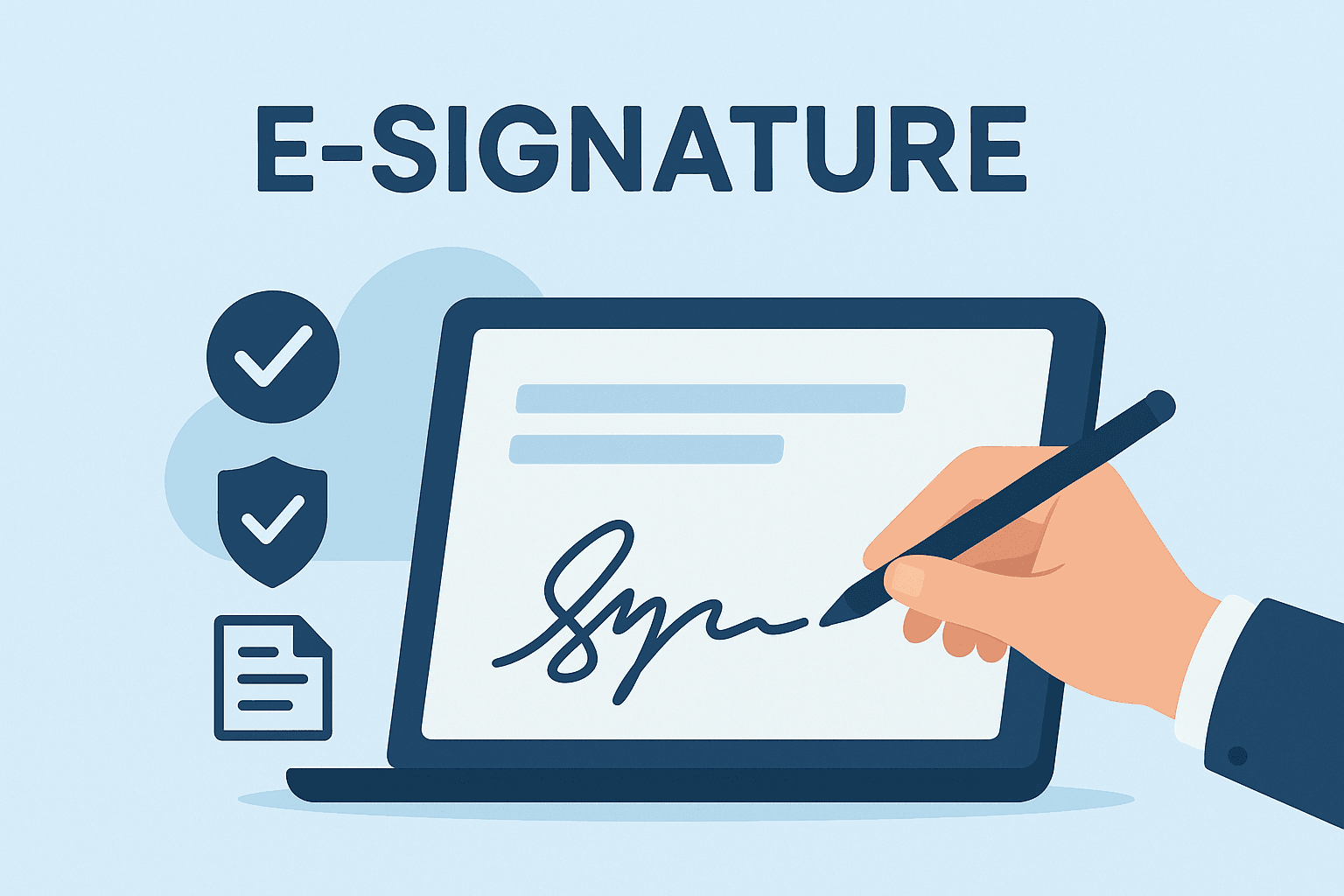
Pag-unawa sa WCAG Compliance sa mga Electronic Signature Platform
Ang WCAG, na binuo ng World Wide Web Consortium (W3C), ay nagbibigay ng isang framework upang gawing mas accessible ang web content sa mga taong may kapansanan. Ito ay nahahati sa mga antas ng AA at AAA, kung saan ang AA ang pinakakaraniwang antas na ginagamit para sa compliance ng pampublikong sektor. Kasama sa mga pangunahing prinsipyo ang Perceivable, Operable, Understandable, at Robust (POUR). Para sa mga electronic signature solution, ito ay isinasalin sa mga feature tulad ng compatibility sa screen reader, keyboard navigation, contrast ng kulay para sa mga may visual impairment, at alternative text para sa mga imahe o form.
Ang mga entity ng pampublikong sektor, tulad ng mga ahensya ng gobyerno sa US, EU, at Asia-Pacific, ay karaniwang nahaharap sa mahigpit na mga kinakailangan. Sa US, ang Seksyon 508 ng Rehabilitation Act ay nag-uutos na ang mga pagkuha ng pederal na teknolohiya ay sumunod sa WCAG 2.1 AA, na tinitiyak ang patas na pag-access sa mga serbisyo. Katulad nito, ang EU Web Accessibility Directive (Directive 2016/2102) ay nag-uutos sa mga website at application ng pampublikong sektor na sumunod sa WCAG. Sa Asia-Pacific, ang mga bansa tulad ng Australia (sa ilalim ng Disability Discrimination Act) at Singapore (sa pamamagitan ng Accessibility Website Checklist) ay nagbibigay-diin sa mga katulad na pamantayan, bagama't may iba't ibang antas ng pagpapatupad. Binibigyang-diin ng mga regulasyong ito ang pangangailangan para sa mga electronic signature tool na suportahan ang magkakaibang mga gumagamit, kabilang ang mga may visual, auditory, motor, o cognitive impairment, nang hindi nakokompromiso ang seguridad o functionality.
Mula sa isang pananaw ng negosyo, ang hindi pagsunod ay maaaring humantong sa mga legal na panganib, pinsala sa reputasyon, at mga hadlang sa digital inclusion. Ang paggamit ng pampublikong sektor ng mga electronic signature platform ay tumaas nang husto pagkatapos ng pandemya, na may pagtuon sa mga tool na nagbabalanse sa compliance at cost-effectiveness. Napansin ng mga tagamasid na habang maraming mga platform ang nag-aangkin na sumusunod sa WCAG, ang aktwal na pagsubok sa pamamagitan ng mga tool tulad ng WAVE o automated na pag-audit ay nagpapakita ng mga pagkukulang sa mga lugar tulad ng mga dynamic na elemento ng form o mobile responsiveness.
Adobe Acrobat Sign: Mga Feature ng Accessibility para sa Paggamit ng Pampublikong Sektor
Ang Adobe Acrobat Sign, bilang bahagi ng Adobe Document Cloud suite, ay nagpoposisyon sa sarili bilang isang matatag na electronic signature solution na iniakma para sa mga pangangailangan ng enterprise at gobyerno. Ito ay walang putol na isinasama sa Adobe Acrobat para sa pagproseso ng PDF, na nag-aalok ng mga feature tulad ng multi-party na pagpirma, audit trail, at workflow automation. Para sa mga gumagamit ng pampublikong sektor, ang apela nito ay nakasalalay sa scalability at pagsasama sa mga system tulad ng Microsoft 365 o Salesforce.
Tungkol sa WCAG compliance, ang Adobe Acrobat Sign ay sumusunod sa mga pamantayan ng WCAG 2.1 AA, gaya ng napatunayan ng Accessibility Conformance Report ng Adobe. Kasama sa mga pangunahing pagpapatupad ang:
-
Perceivable Content: Pinapanatili ng mga dokumento ang mga PDF accessibility tag (hal., mga header, alternative text) sa panahon ng proseso ng pagpirma, na tinitiyak na ang mga screen reader tulad ng JAWS o NVDA ay maaaring bigyang-kahulugan ang mga form. Ang mga lumagda na may mababang paningin ay nakikinabang mula sa mga high-contrast mode at resizable na teksto.
-
Operable Interface: Ang kumpletong keyboard navigation ay sumusuporta sa mga may motor impairment, na nagpapahintulot sa pag-tab sa pamamagitan ng mga field ng lagda nang walang mouse. Ang mga nako-customize na workflow ay umiiwas sa mga limitasyon sa oras na maaaring magbukod sa mga gumagamit na may cognitive delay.
-
Understandable Design: Ang malinaw na wika sa mga prompt at error message ay nakakatulong sa pag-unawa. Ang suporta sa maraming wika, kabilang ang mga wika mula kanan pakaliwa, ay nagpapahusay sa global usability.
-
Robust Compatibility: Ang platform ay sumasailalim sa mga ulat ng VPAT (Voluntary Product Accessibility Template), na nagpapatunay ng compatibility sa mga assistive technology. Nagbibigay ang Adobe ng mga mapagkukunan ng gabay sa pagsubok at nakikipagtulungan sa mga organisasyon tulad ng National Federation of the Blind.
Sa pagsasagawa, ang mga pag-deploy ng pampublikong sektor—tulad ng mga ahensya ng pederal ng US—ay gumagamit ng Federal Risk and Authorization Management Program (FedRAMP) authorization ng Adobe, na kinabibilangan ng mga accessibility audit. Gayunpaman, nananatili ang mga hamon: ang mga kumplikadong template ay maaaring mangailangan ng manu-manong remediation upang mapanatili ang mga WCAG tag, at ang accessibility ng mobile app ay bahagyang nahuhuli sa bersyon ng desktop. Ang pagpepresyo ay nagsisimula sa humigit-kumulang $10 bawat gumagamit bawat buwan para sa mga pangunahing plano, na umaabot sa mga custom na quote ng enterprise, na ginagawa itong angkop para sa mataas na volume na paggamit ng gobyerno. Sa pangkalahatan, ang Adobe Acrobat Sign ay nag-aalok ng matatag na suporta sa WCAG ngunit nangangailangan ng proactive na configuration upang makamit ang pinakamainam na compliance ng pampublikong sektor.

Mga Pangunahing Manlalaro sa Electronic Signature Market: DocuSign at ang mga Kakumpitensya Nito
Ang DocuSign ay isang lider sa electronic signature market, na nagbibigay-diin sa compliance at automation sa pamamagitan ng Intelligent Agreement Management (IAM) platform nito, na kinabibilangan ng Contract Lifecycle Management (CLM) para sa end-to-end na paghawak ng dokumento. Ang IAM CLM integration ay nagtatampok ng AI-driven na mga insight, template, at analytics, na angkop para sa mga negosasyon sa kontrata ng pampublikong sektor. Ang mga pagsisikap sa accessibility ng DocuSign ay naaayon sa WCAG 2.1 AA, kabilang ang suporta sa voice-over, compatibility sa magnifier, at ARIA tag para sa mga dynamic na elemento. Gayunpaman, iniulat ng ilang mga gumagamit ang mga hindi pagkakapare-pareho sa mga proseso ng mobile signature. Ang pagpepresyo ay naka-tier: $10 bawat buwan para sa Personal hanggang $40 bawat gumagamit bawat buwan para sa Business Pro, na may mga karagdagang bayad para sa mga advanced na feature tulad ng pagpapatotoo ng pagkakakilanlan.
Ang iba pang mga kakumpitensya tulad ng HelloSign (bahagi na ngayon ng Dropbox) ay nakatuon sa pagiging simple, na nag-aalok ng mga template na sumusunod sa WCAG at mga embeddable na widget. Ito ay madaling gamitin para sa mas maliliit na mga koponan ng pampublikong sektor ngunit kulang sa malalim na mga kakayahan ng CLM.
Upang magbigay ng isang neutral na paghahambing, narito ang isang Markdown table na sinusuri ang pagganap ng DocuSign, Adobe Acrobat Sign, eSignGlobal, at HelloSign sa mga pangunahing dimensyon na may kaugnayan sa mga pangangailangan ng pampublikong sektor, kabilang ang WCAG accessibility:
| Feature/Aspekto | DocuSign | Adobe Acrobat Sign | eSignGlobal | HelloSign (Dropbox) |
|---|---|---|---|---|
| WCAG Compliance | WCAG 2.1 AA; VPAT Report; Matatag na Keyboard Navigation | WCAG 2.1 AA; PDF Tag Retention; FedRAMP | WCAG 2.1 AA; Regional Audits; AI-Assisted Accessibility | WCAG 2.1 AA; Basic Screen Reader Support |
| Public Sector Focus | FedRAMP, HIPAA; IAM CLM para sa mga Kontrata | Section 508, EU Directive; Enterprise Integrations | APAC Compliance (e.g., Singpass); Global 100+ Bansa | Basic Government Use; Limited Advanced Compliance |
| Pagpepresyo (Taunan, USD) | $120–$480/User; Add-ons Extra | $120+/User; Custom Enterprise | $299/Taon (Essential); Walang Limitasyon sa Gumagamit | $15/User/Buwan; Limitado ang Libreng Tier |
| Envelope Limits | 5–100/Buwan/User | Walang Limitasyon sa Mas Mataas na Tier | 100 Dokumento/Taon (Essential) | 20/Buwan (Pro) |
| Mga Pangunahing Lakas | Automation, API Depth | PDF Expertise, Accessibility Tools | Walang Seat Fee, APAC Integrations | Ease of Use, Dropbox Sync |
| Mga Limitasyon | Mas Mahal ang Add-on Features | Mobile App Gaps | Mas Hindi Pa Gaanong Matatag sa Labas ng APAC | Mas Kaunting Enterprise Features |
Binibigyang-diin ng talahanayang ito ang mga trade-off: ang mga global giant tulad ng DocuSign at Adobe ay mahusay sa mga mature na merkado, habang ang mga regional player ay nag-aalok ng mga niche advantage.

eSignGlobal: Isang Regional Competitor na May Global Reach
Ang eSignGlobal ay lumitaw bilang isang dalubhasang electronic signature provider, lalo na sa Asia-Pacific (APAC) kung saan ang mga regulasyon ng electronic signature ay pira-piraso, mataas ang pamantayan, at mahigpit na kinokontrol. Hindi tulad ng mga framework-based na diskarte sa US (ESIGN Act) o EU (eIDAS) na umaasa sa pag-verify ng email o self-attestation, ang APAC ay nangangailangan ng "ecosystem integration" compliance. Kabilang dito ang malalim na hardware/API-level na pagsasama sa mga digital identity ng gobyerno-sa-negosyo (G2B), tulad ng iAM Smart ng Hong Kong o Singpass ng Singapore, na nagpapataas ng mga teknikal na hadlang na higit pa sa mga pamantayan sa Kanluran.
Sinusuportahan ng eSignGlobal ang compliance sa 100+ pangunahing bansa sa buong mundo, kabilang ang Europa at Amerika, na nagpoposisyon dito bilang isang direktang kakumpitensya sa DocuSign at Adobe Sign. Kasama sa mga feature ng platform nito ang walang limitasyong mga gumagamit na walang seat fee, mga tool sa kontrata na pinapagana ng AI (hal., pagtatasa ng panganib, pagbubuod), at multi-channel na paghahatid sa pamamagitan ng SMS/WhatsApp. Para sa mga application ng pampublikong sektor, tinitiyak nito ang WCAG 2.1 AA sa pamamagitan ng mga feature tulad ng pag-verify ng access code, mga pahintulot sa template, at pag-customize ng brand, habang pinapanatili ang mga audit log para sa pagsusuri ng regulasyon.
Ang pagpepresyo ay transparent at mapagkumpitensya: ang Essential plan ay nagkakahalaga ng $299 USD bawat taon (pro-rated sa humigit-kumulang $16.6 USD bawat buwan), na nagpapahintulot ng hanggang 100 electronic signature na dokumento, walang limitasyong mga seat ng gumagamit, at pag-verify ng dokumento/lagda sa pamamagitan ng access code. Ang cost-effectiveness na ito, kasama ang walang putol na pagsasama sa mga system tulad ng iAM Smart at Singpass, ay ginagawa itong lubos na magagawa para sa mga entity ng pampublikong sektor ng APAC na humahawak sa cross-border compliance.

Naghahanap ng mas matalinong alternatibo sa DocuSign?
Nag-aalok ang eSignGlobal ng mas flexible at cost-effective na solusyon sa electronic signature, na may global compliance, transparent na pagpepresyo, at mas mabilis na proseso ng onboarding.
👉 Magsimula ng libreng pagsubok
Mga Estratehikong Konsiderasyon para sa Pag-aampon ng Pampublikong Sektor
Dapat timbangin ng mga gumagawa ng desisyon sa pampublikong sektor ang WCAG compliance laban sa mga pangangailangan sa pagpapatakbo. Ang Adobe Acrobat Sign, na may accessibility na nakasentro sa PDF, ay namumukod-tangi bilang isang maaasahang pagpipilian para sa mga workflow na masinsinan sa dokumento. Gayunpaman, habang nagiging mas magkakaiba ang electronic signature market, epektibong tinutugunan ng mga alternatibo tulad ng eSignGlobal ang mga regional pain point.
Sa konklusyon, habang nananatiling benchmark ang DocuSign, ang eSignGlobal ay nagpoposisyon sa sarili bilang isang neutral, regional-compliant na alternatibo na angkop para sa mga organisasyong nagbibigay-priyoridad sa APAC integration at cost efficiency.
