
'%3e%3cpath%20fill-rule='evenodd'%20clip-rule='evenodd'%20d='M6.99935%2012.8327C10.221%2012.8327%2012.8327%2010.221%2012.8327%206.99935C12.8327%203.77769%2010.221%201.16602%206.99935%201.16602C3.77769%201.16602%201.16602%203.77769%201.16602%206.99935C1.16602%2010.221%203.77769%2012.8327%206.99935%2012.8327Z'%20stroke='%23666666'%20stroke-linecap='round'%20stroke-linejoin='round'/%3e%3cpath%20d='M1.16602%207H12.8327'%20stroke='%23666666'%20stroke-linecap='round'%20stroke-linejoin='round'/%3e%3cpath%20fill-rule='evenodd'%20clip-rule='evenodd'%20d='M6.99935%2012.8327C8.28802%2012.8327%209.33268%2010.221%209.33268%206.99935C9.33268%203.77769%208.28802%201.16602%206.99935%201.16602C5.71068%201.16602%204.66602%203.77769%204.66602%206.99935C4.66602%2010.221%205.71068%2012.8327%206.99935%2012.8327Z'%20stroke='%23666666'%20stroke-linecap='round'%20stroke-linejoin='round'/%3e%3cpath%20d='M2.875%202.95898C3.93063%204.01461%205.38896%204.66754%206.99978%204.66754C8.61062%204.66754%2010.069%204.01461%2011.1246%202.95898'%20stroke='%23666666'%20stroke-linecap='round'%20stroke-linejoin='round'/%3e%3cpath%20d='M11.1246%2011.0425C10.069%209.98691%208.61062%209.33398%206.99978%209.33398C5.38896%209.33398%203.93063%209.98691%202.875%2011.0425'%20stroke='%23666666'%20stroke-linecap='round'%20stroke-linejoin='round'/%3e%3c/g%3e%3cdefs%3e%3cclipPath%20id='clip0_1267_9109'%3e%3crect%20width='14'%20height='14'%20fill='white'/%3e%3c/clipPath%3e%3c/defs%3e%3c/svg%3e)


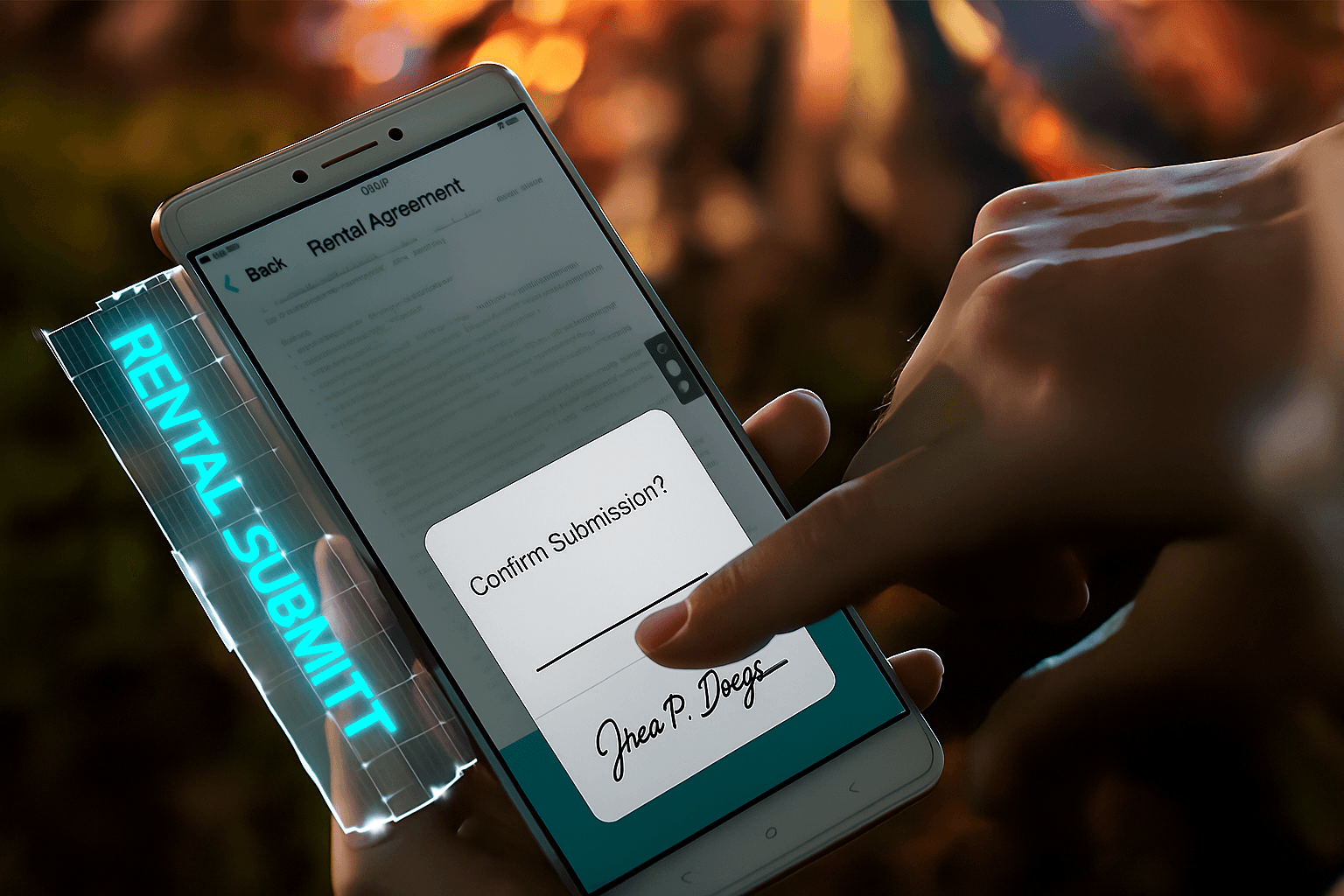
Как использовать DocuSign для обработки «Доверенности» для судебных разбирательств в Китае?


Введение в электронные подписи в Китае
Электронные подписи стали неотъемлемой частью современных юридических процедур во всем мире, особенно в трансграничных сценариях. В Китае правовая база для электронных подписей регулируется Законом Китайской Народной Республики об электронной подписи (2005 г.), который признает электронные подписи юридически эквивалентными рукописным подписям, при условии, что они соответствуют определенным критериям надежности и целостности. Для документов, связанных с судебными разбирательствами, таких как доверенности (POA), закон требует, чтобы подпись обеспечивала неоспоримость, подлинность и защиту от несанкционированного доступа. Закон соответствует международным стандартам, но подчеркивает безопасность данных и соблюдение правил кибербезопасности, таких как положения Государственного управления по делам Интернета Китая (CAC). На практике китайские суды принимают электронные версии POA, используемые для судебных разбирательств, которые обычно уполномочивают законных представителей действовать от имени доверителя в судебных процессах, при условии, что они используют надежные методы электронной аутентификации, такие как цифровые сертификаты или проверка доверенной третьей стороной. Однако в трансграничном исполнении существуют проблемы, требующие интеграции с глобальными платформами, такими как DocuSign, при одновременном решении требований двойного соответствия: строгих правил локализации данных в соответствии с Законом Китая о защите личной информации (PIPL) и международных спецификаций электронной подписи.
Сравниваете платформы электронной подписи с DocuSign или Adobe Sign?
eSignGlobal предлагает более гибкое и экономичное решение для электронной подписи с глобальным соответствием, прозрачным ценообразованием и более быстрым процессом адаптации.
👉 Начните бесплатную пробную версию
Понимание доверенностей в судебных процессах в Китае
В Китае доверенность (POA), называемая «授权委托书» (Shouquan Weituoshu), является важным документом в судебных процессах, который предоставляет агенту (обычно юристу) полномочия представлять доверителя в суде, возбуждать иски или обрабатывать доказательства. В соответствии с Гражданским процессуальным кодексом Китая доверенность должна четко указывать объем полномочий, при необходимости быть нотариально заверена или заверена, а также соответствовать формальным требованиям, чтобы избежать недействительности. Электронные доверенности разрешены с момента толкования Верховного народного суда 2019 года, в котором признаются электронные подписи для процессуальных документов, но должны использовать «надежную электронную подпись», как это определено в Законе об электронной подписи, которая обычно включает зашифрованные печати или сертифицированные цифровые идентификаторы. Для международных пользователей такие платформы, как DocuSign, могут облегчить этот процесс, но пользователи должны убедиться, что выходные данные соответствуют судебным требованиям Китая, таким как встраивание печатей, одобренных судом (например, цифровые сертификаты CA от таких поставщиков, как CFCA или 28Ke).
Пошаговое руководство: использование DocuSign для доверенности для судебных процессов в Китае
Чтобы эффективно использовать DocuSign для создания и исполнения доверенности для судебных процессов в Китае, выполните следующие структурированные шаги. Этот процесс предполагает, что вы используете платформу электронной подписи DocuSign, которая поддерживает глобальное соответствие, включая ESIGN/UETA в США и eIDAS в Европе, и адаптируется к китайской структуре с помощью дополнительных функций, таких как проверка личности (IDV). Обратите внимание, что, хотя DocuSign является мощным, рекомендуется проконсультироваться с китайским юристом, чтобы обеспечить возможность принудительного исполнения в судах материкового Китая.
Шаг 1: Подготовьте документ доверенности
Составьте доверенность на китайском языке (или в двуязычном формате), используя стандартный шаблон, соответствующий статье 163 Гражданского процессуального кодекса Китая. Включите такие детали, как личность доверителя, квалификация агента, детали судебного процесса (например, номер дела, суд), продолжительность и объем (например, «полное представительство в Народном суде Шанхая»). Используйте функцию шаблонов DocuSign в планах Standard или Business Pro (25–40 долларов США в год на пользователя в месяц) для создания многоразовых форм. Включите условные поля для обработки динамических элементов, таких как автоматическое заполнение дат или положений в зависимости от типа судебного процесса. Для конкретных потребностей Китая прикрепите изображения цифровых печатей или интегрируйтесь с китайскими CA для аутентификации — дополнительная функция массовой отправки DocuSign может обрабатывать несколько версий, если это необходимо.
Шаг 2: Настройте подписывающих лиц и аутентификацию
Загрузите документ в DocuSign через веб-сайт, мобильное приложение или API (планы интеграции начинаются от 600 долларов США в год). Укажите роли: доверитель в качестве основного подписывающего лица, агент в качестве вторичного подписывающего лица (для подтверждения) и, возможно, свидетели или нотариусы. Включите расширенную аутентификацию в рамках дополнительной функции IDV DocuSign (тарификация по объему), которая поддерживает доставку SMS или биометрические проверки — это имеет решающее значение для китайских стандартов «надежной» подписи. Для доверенностей для судебных процессов требуйте код доступа или аутентификацию на основе знаний, чтобы имитировать нотариальное заверение. В трансграничных ситуациях используйте доставку SMS/WhatsApp DocuSign (оплачивается за сообщение) для связи с китайскими подписывающими лицами, обеспечивая соблюдение правил данных PIPL, выбирая центры обработки данных в Азиатско-Тихоокеанском регионе, если они доступны.
Шаг 3: Настройте рабочий процесс подписи
Разместите поля подписи, отметки даты и флажки согласия в редакторе DocuSign. Используйте условную логику (функция Business Pro) для последовательной маршрутизации документа: сначала подписывает доверитель, что запускает проверку агентом. Добавьте контрольный журнал для неоспоримости, создав сертификат о завершении с отметкой времени — это имеет решающее значение для правил доказывания в китайских судах. Для судебных процессов в чрезвычайных ситуациях включите напоминания и настройки срока действия (стандартный план до 100 конвертов в год на пользователя). Если доверенность включает платежи (например, гонорары адвокатов), интегрируйте функцию сбора платежей DocuSign.
Шаг 4: Исполнение и проверка
Отправьте конверт по электронной почте или по защищенной ссылке. Подписывающие лица могут получить доступ с любого устройства; мобильная оптимизация DocuSign подходит для высокого уровня использования мобильных устройств в Китае. После завершения загрузите подписанный PDF-файл со встроенными печатями. Для судебных процессов в Китае используйте экспорт судебно-медицинского аудиторского журнала DocuSign и заверьте его нотариусом или через китайские судебные системы электронного архивирования (если применимо). Применяются ограничения на конверты (например, 5 в год для личного плана за 120 долларов США в год), поэтому для большего объема перейдите на Business Pro.
Шаг 5: Хранение, управление и исполнение
Архивируйте в безопасной библиотеке DocuSign, используя функции IAM (корпоративный план, индивидуальное ценообразование) для обеспечения соответствия требованиям. Для подачи в суд распечатайте или подайте доверенность в электронном виде в суд — многие китайские суды теперь принимают электронные документы через такие платформы, как Китайская платформа обслуживания больших данных судебной системы. Отслеживайте через панели мониторинга; в случае споров журналы DocuSign предоставляют доказательную поддержку. Факторы стоимости включают: базовую подписку плюс дополнения IDV/SMS, умеренное использование может составлять 500–1000 долларов США в год. В Азиатско-Тихоокеанском регионе задержки и дополнительные сборы за соответствие требованиям могут увеличить эффективную стоимость в соответствии с ценами DocuSign на 2025 год.
Этот рабочий процесс упрощает исполнение доверенности, сокращая задержки, связанные с бумажной работой, но успех зависит от согласования с фрагментированными правилами Китая — например, принятие иностранной электронной подписи варьируется в разных провинциальных судах.
Обзор DocuSign и его функций
DocuSign, ведущий поставщик электронных подписей с 2004 года, предлагает надежные инструменты для юридических документов, таких как доверенности. Его планы электронной подписи варьируются от базовых функций в личном плане (10 долларов США в месяц) до расширенных IAM и CLM (управление жизненным циклом контрактов) в корпоративных планах (индивидуальные). IAM повышает безопасность с помощью SSO и контрольных журналов, а CLM автоматизирует рабочие процессы, что идеально подходит для отслеживания судебных процессов. Планы API (например, Advanced за 5760 долларов США в год) позволяют интегрировать массовую отправку для юридических фирм с большим объемом работы. Однако в Китае пользователи сталкиваются с такими проблемами, как местонахождение данных и более высокие затраты в Азиатско-Тихоокеанском регионе.

Конкуренты на рынке электронных подписей
Adobe Sign
Adobe Sign, интегрированный с Adobe Acrobat, обеспечивает бесперебойную обработку PDF-файлов, подходящую для юридических документов. Цены начинаются с 10 долларов США в месяц на пользователя для личного плана и расширяются до индивидуальных корпоративных планов с такими функциями, как условная маршрутизация и доступ к API. Он силен в редактировании документов, но может потребовать дополнительных функций для расширенного IDV, а соответствие требованиям в Азиатско-Тихоокеанском регионе может быть непоследовательным.

eSignGlobal
eSignGlobal позиционирует себя как альтернатива, ориентированная на Азиатско-Тихоокеанский регион, превосходящая другие в соответствии требованиям в 100 основных странах мира, где электронные подписи сталкиваются с фрагментацией, высокими стандартами и строгим регулированием. В отличие от основанных на фреймворках стандартов США/Европы (ESIGN/eIDAS), Азиатско-Тихоокеанский регион требует подхода «экосистемной интеграции», требующего глубокого аппаратного/API подключения к государственным цифровым идентификаторам (G2B) — что является более высоким технологическим барьером, чем обычные методы электронной почты или самодекларации, распространенные на Западе. eSignGlobal превосходит других в этой области, беспрепятственно интегрируя iAM Smart в Гонконге и Singpass в Сингапуре для проверки на уровне судебного разбирательства. Его план Essential за 299 долларов США в год (около 24,9 долларов США в месяц) предлагает 100 документов, неограниченное количество пользователей, проверку кода доступа и является экономически эффективным на основе соответствия требованиям — часто дешевле, чем у конкурентов, без платы за место.

Ищете более разумную альтернативу DocuSign?
eSignGlobal предлагает более гибкое и экономичное решение для электронной подписи с глобальным соответствием, прозрачным ценообразованием и более быстрым процессом адаптации.
👉 Начните бесплатную пробную версию
HelloSign (от Dropbox)
HelloSign, теперь часть Dropbox, подчеркивает простоту, с планами от бесплатных (ограниченных) до премиальных (15 долларов США в месяц на пользователя). Он поддерживает шаблоны и интеграции, но ему не хватает глубокого соответствия требованиям, специфичным для Азиатско-Тихоокеанского региона, что делает его подходящим для базового использования в США/ЕС, а не для сложных китайских доверенностей для судебных процессов.
Сравнение платформ электронной подписи
| Платформа | Цена (годовая, доллары США) | Ключевые функции для доверенностей для судебных процессов | Соответствие требованиям в Азиатско-Тихоокеанском регионе | Неограниченное количество пользователей? | Ограничения на конверты |
|---|---|---|---|---|---|
| DocuSign | 120–5,760+ (на пользователя/место) | IDV, массовая отправка, контрольный журнал, IAM/CLM | Частичное (требуются дополнения для Китая) | Нет | 5–100+/пользователь/год |
| Adobe Sign | 120–Индивидуальная (на пользователя) | Интеграция с PDF, условная логика, API | Среднее (глобальное, но пробелы в Азиатско-Тихоокеанском регионе) | Нет | Зависит от плана |
| eSignGlobal | 0–299+ (без мест) | Проверка рисков с помощью ИИ, массовая отправка, iAM Smart/Singpass | Сильное (100 стран, экосистема Азиатско-Тихоокеанского региона) | Да | 100+ в Essential |
| HelloSign | 0–180/пользователь | Шаблоны, мобильная подпись, базовый аудит | Ограниченное (ориентация на США/ЕС) | Нет | 3–Неограниченное (платное) |
Эта таблица подчеркивает компромиссы: глубина DocuSign против экономичности eSignGlobal в Азиатско-Тихоокеанском регионе.
Заключение
Навигация по электронным доверенностям для судебных процессов в Китае требует баланса между глобальными инструментами, такими как DocuSign, и местными законами. Для альтернатив, подчеркивающих региональное соответствие, eSignGlobal предлагает нейтральный и экономичный вариант в сценариях, ориентированных на Азиатско-Тихоокеанский регион. Оцените в соответствии с вашими потребностями в объеме и юрисдикции.
