
'%3e%3cpath%20fill-rule='evenodd'%20clip-rule='evenodd'%20d='M6.99935%2012.8327C10.221%2012.8327%2012.8327%2010.221%2012.8327%206.99935C12.8327%203.77769%2010.221%201.16602%206.99935%201.16602C3.77769%201.16602%201.16602%203.77769%201.16602%206.99935C1.16602%2010.221%203.77769%2012.8327%206.99935%2012.8327Z'%20stroke='%23666666'%20stroke-linecap='round'%20stroke-linejoin='round'/%3e%3cpath%20d='M1.16602%207H12.8327'%20stroke='%23666666'%20stroke-linecap='round'%20stroke-linejoin='round'/%3e%3cpath%20fill-rule='evenodd'%20clip-rule='evenodd'%20d='M6.99935%2012.8327C8.28802%2012.8327%209.33268%2010.221%209.33268%206.99935C9.33268%203.77769%208.28802%201.16602%206.99935%201.16602C5.71068%201.16602%204.66602%203.77769%204.66602%206.99935C4.66602%2010.221%205.71068%2012.8327%206.99935%2012.8327Z'%20stroke='%23666666'%20stroke-linecap='round'%20stroke-linejoin='round'/%3e%3cpath%20d='M2.875%202.95898C3.93063%204.01461%205.38896%204.66754%206.99978%204.66754C8.61062%204.66754%2010.069%204.01461%2011.1246%202.95898'%20stroke='%23666666'%20stroke-linecap='round'%20stroke-linejoin='round'/%3e%3cpath%20d='M11.1246%2011.0425C10.069%209.98691%208.61062%209.33398%206.99978%209.33398C5.38896%209.33398%203.93063%209.98691%202.875%2011.0425'%20stroke='%23666666'%20stroke-linecap='round'%20stroke-linejoin='round'/%3e%3c/g%3e%3cdefs%3e%3cclipPath%20id='clip0_1267_9109'%3e%3crect%20width='14'%20height='14'%20fill='white'/%3e%3c/clipPath%3e%3c/defs%3e%3c/svg%3e)


Bagaimana Menandatangani Borang W-9 Secara Elektronik dan Menghantarnya Melalui E-mel dengan Selamat?


Memahami Borang W-9 dan Tandatangan Elektronik
Borang W-9, yang secara rasmi dikenali sebagai Permintaan Nombor Pengenalan Pembayar Cukai dan Pensijilan, ialah dokumen penting di Amerika Syarikat untuk tujuan cukai. Ia membolehkan perniagaan dan individu memberikan Nombor Pengenalan Pembayar Cukai (TIN), nama, alamat dan pensijilan mengenai sandaran penahanan kepada pihak yang membayar seperti majikan atau vendor. Dalam persekitaran perniagaan digital hari ini, menandatangani secara elektronik dan menghantar borang W-9 melalui e-mel telah menjadi amalan standard, memudahkan pematuhan dengan keperluan IRS (Perkhidmatan Hasil Dalam Negeri) sambil mengurangkan kerja kertas. Walau bagaimanapun, memastikan proses itu selamat dan sah dari segi undang-undang adalah penting untuk mengelakkan isu seperti pelanggaran data atau pensijilan yang tidak sah.
Dari sudut pandangan perniagaan, penggunaan tandatangan elektronik untuk borang seperti W-9 boleh meningkatkan kecekapan, terutamanya untuk pasukan terpencil atau operasi antarabangsa. Walau bagaimanapun, ini memerlukan pematuhan kepada rangka kerja undang-undang untuk mengekalkan kebolehkuatkuasaan.
Membandingkan platform tandatangan elektronik dengan DocuSign atau Adobe Sign?
eSignGlobal menawarkan penyelesaian tandatangan elektronik yang lebih fleksibel dan kos efektif dengan pematuhan global, harga yang telus dan pengalaman onboarding yang lebih pantas.
Rangka Kerja Undang-undang untuk Menandatangani Borang W-9 Secara Elektronik di AS
Gambaran Keseluruhan Undang-undang Tandatangan Elektronik AS
Di Amerika Syarikat, tandatangan elektronik pada dokumen seperti W-9 dikawal terutamanya oleh Akta Tandatangan Elektronik dalam Perdagangan Global dan Kebangsaan (Akta ESIGN) 2000 dan Akta Transaksi Elektronik Seragam (UETA) yang diterima pakai oleh kebanyakan negeri. Undang-undang ini menetapkan bahawa rekod dan tandatangan elektronik mempunyai kesan undang-undang yang sama seperti rakan sejawat kertas mereka, dengan syarat syarat tertentu dipenuhi.
Akta ESIGN terpakai untuk perdagangan antara negeri dan antarabangsa, memastikan tandatangan elektronik sah untuk kegunaan persekutuan (termasuk pemfailan IRS). Keperluan utama termasuk:
- Niat untuk Menandatangani: Penandatangan mesti menunjukkan niat dengan jelas, seperti mengklik butang "Terima" atau menaip nama mereka.
- Persetujuan untuk Rekod Elektronik: Semua pihak mesti bersetuju untuk menjalankan perniagaan secara elektronik.
- Pengekalan Rekod: Dokumen yang ditandatangani mesti disimpan dalam format kalis gangguan untuk sekurang-kurangnya tempoh yang diperlukan (biasanya tiga tahun untuk rekod berkaitan W-9, mengikut garis panduan IRS).
- Jejak Audit: Platform mesti menjana log peristiwa tandatangan yang boleh disahkan, termasuk cap waktu dan alamat IP.
UETA menambah ini di peringkat negeri, dengan variasi di negeri seperti New York atau Illinois, menekankan perlindungan pengguna. Khususnya untuk borang W-9, IRS menerima tandatangan elektronik selagi piawaian ini dipenuhi, tetapi pemfail harus mengelakkan daripada mengubah kandungan borang untuk mengelakkan penolakan dalam pemprosesan cukai.
Perniagaan yang beroperasi di peringkat antarabangsa juga mesti mempertimbangkan implikasi antarabangsa, walaupun untuk penggunaan W-9 domestik, undang-undang AS sudah mencukupi. Ketidakpatuhan boleh membawa kepada penalti, seperti yang di bawah Seksyen 6721 Kod Hasil Dalam Negeri untuk pelaporan TIN yang tidak tepat.
Panduan Langkah demi Langkah: Cara Menandatangani Borang W-9 Secara Elektronik dengan Selamat
Langkah 1: Pilih Platform Tandatangan Elektronik yang Mematuhi
Pilih pembekal yang mematuhi ESIGN dan UETA, seperti DocuSign, Adobe Sign atau yang lain. Alat ini menyediakan templat untuk borang IRS, memastikan integriti W-9. Elakkan aplikasi percuma atau tidak disahkan kerana ia mungkin kekurangan jejak audit.
Langkah 2: Muat Turun dan Sediakan Borang W-9
Dapatkan borang W-9 rasmi daripada laman web IRS (irs.gov). Isi butiran anda secara manual atau digital menggunakan perisian PDF seperti Adobe Acrobat. Jangan gunakan versi yang diimbas atau diubah suai kerana IRS memerlukan PDF boleh isi standard.
Langkah 3: Muat Naik ke Platform Tandatangan Elektronik
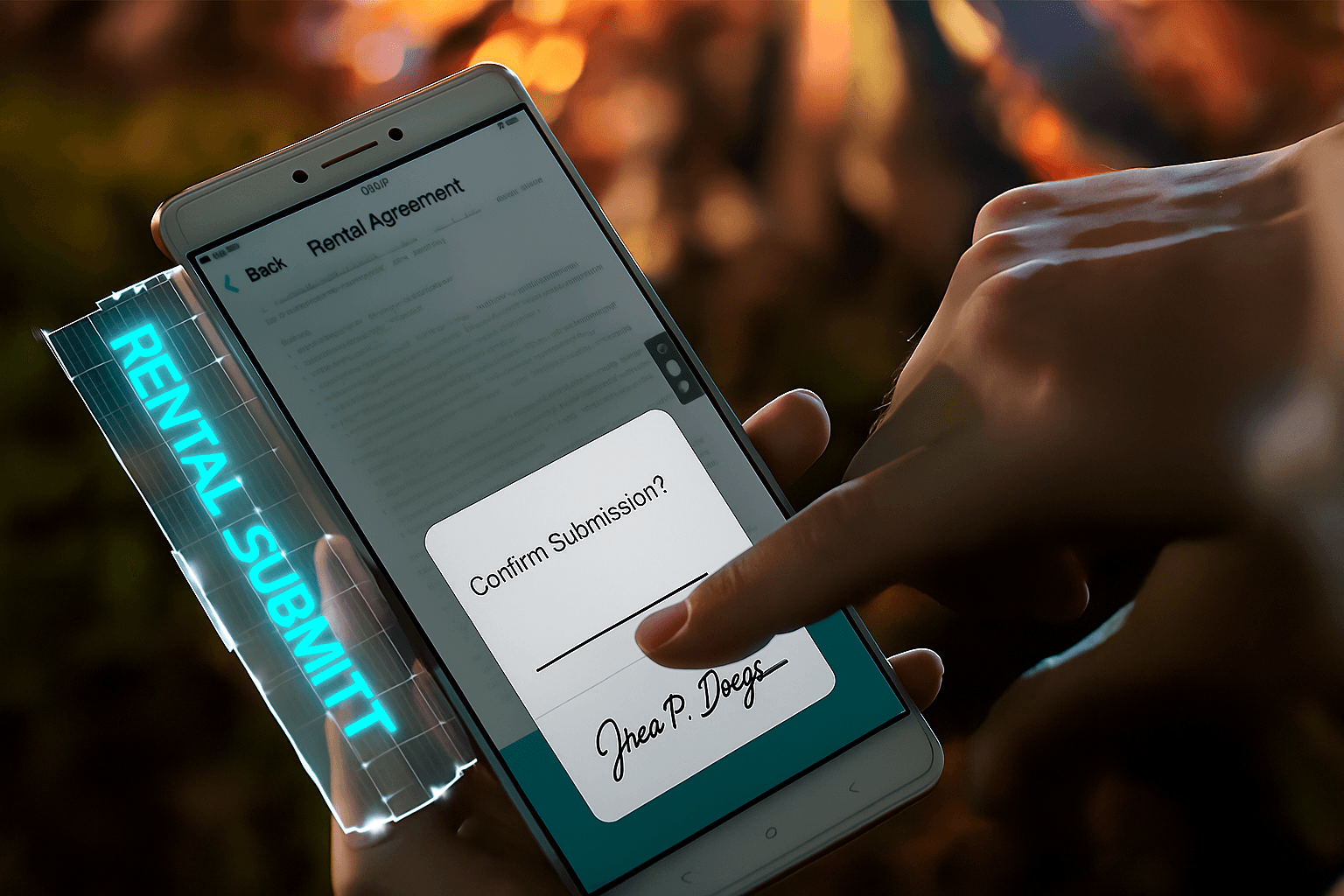
Log masuk ke platform pilihan anda dan muat naik W-9 yang disediakan. Kebanyakan perkhidmatan (seperti eSignature DocuSign) menawarkan fungsi seret dan lepas. Tambah medan tandatangan untuk nama, tarikh dan kotak pensijilan anda. Untuk keselamatan yang dipertingkatkan, dayakan pengesahan berbilang faktor (MFA) semasa muat naik.
Langkah 4: Gunakan Tandatangan Elektronik
Letakkan medan tandatangan di lokasi yang diperlukan (biasanya kawasan pensijilan). Tandatangan menggunakan:
- Menaip nama anda
- Tandatangan lukisan tangan
- Memuat naik imej
Platform mengesahkan niat melalui kotak semak, mengesahkan kuasa penandatangan. Untuk W-9, pastikan tandatangan mengesahkan ketepatan TIN yang diberikan di bawah penalti sumpah bohong.
Langkah 5: Tambah Langkah Keselamatan
Sebelum memuktamadkan:
- Dayakan kod akses atau pengesahan berasaskan pengetahuan (KBA) untuk mengelakkan akses tanpa kebenaran.
- Gunakan penyulitan sampul surat untuk dokumen.
- Tetapkan tarikh luput untuk mengehadkan tetingkap akses.
Langkah ini adalah penting untuk tandatangan elektronik "selamat", melindungi daripada pancingan data atau pintasan.
Langkah 6: E-mel Borang W-9 yang Ditandatangani dengan Selamat
Setelah ditandatangani, platform menjana PDF yang boleh dimuat turun dengan sijil jejak audit. Untuk menghantar e-mel dengan selamat:
- Gunakan ciri perkongsian selamat platform, yang menghantar pautan yang disulitkan dan bukannya lampiran.
- Jika menghantar e-mel secara langsung, gunakan perkhidmatan e-mel yang disulitkan seperti ProtonMail atau penyulitan S/MIME pembekal anda.
- Elakkan Wi-Fi awam; gunakan VPN untuk penghantaran.
- Sertakan nota muka surat dengan rujukan kontekstual (seperti "Onboarding Vendor") dalam baris subjek, tetapi jangan sertakan butiran sensitif.
Penerima harus mengesahkan tandatangan melalui portal platform. Simpan salinan dalam storan awan selamat seperti Google Drive dengan pengesahan dua faktor didayakan.
Potensi Risiko dan Amalan Terbaik
Perangkap biasa termasuk kata laluan yang lemah atau e-mel yang tidak disulitkan, yang boleh mendedahkan TIN kepada kecurian identiti. Perniagaan harus melatih pasukan dalam pengesanan pancingan data dan menjalankan audit berkala. Dari sudut pandangan perniagaan, mengintegrasikan tandatangan elektronik ke dalam aliran kerja boleh mengurangkan masa pemprosesan sehingga 80% (menurut laporan industri), tetapi hanya jika keselamatan diutamakan.
Gambaran Keseluruhan Platform Tandatangan Elektronik Popular untuk Menandatangani W-9
DocuSign: Peneraju Pasaran dalam Pematuhan
Platform eSignature DocuSign digunakan secara meluas untuk borang IRS seperti W-9, menawarkan integrasi lancar dengan perisian cukai. Pengurusan Perjanjian Pintar (IAM) dan fungsi Pengurusan Kitaran Hayat Kontrak (CLM) melangkaui tandatangan, berkembang kepada automasi dokumen lengkap, termasuk templat dan penghalaan aliran kerja. Harga bermula dari $10 sebulan untuk kegunaan individu, berkembang kepada pelan perusahaan dengan log audit lanjutan. DocuSign mematuhi ESIGN/UETA dan menyokong ciri tambahan seperti penghantaran SMS untuk pemberitahuan selamat.

Adobe Sign: Integrasi Teguh Gred Perusahaan
Adobe Sign, sebagai sebahagian daripada Adobe Document Cloud, cemerlang dalam pengendalian PDF, menjadikannya sesuai untuk borang W-9. Ia menawarkan tandatangan seret dan lepas, medan bersyarat dan integrasi dengan Microsoft 365 atau Salesforce. Ciri keselamatan termasuk lejar seperti blok rantai untuk rekod kalis gangguan. Pelan bermula pada kira-kira $10 sebulan setiap pengguna, dengan pilihan perusahaan termasuk SSO dan pelaporan pematuhan. Ia amat sesuai untuk perniagaan yang sudah menggunakan ekosistem Adobe, memastikan pematuhan ESIGN melalui pendedahan tandatangan elektronik yang terperinci.

eSignGlobal: Pesaing Global dengan Tumpuan Serantau
eSignGlobal meletakkan dirinya sebagai penyelesaian tandatangan elektronik serba boleh, mematuhi lebih daripada 100 negara dan wilayah arus perdana di seluruh dunia. Ia mempunyai kehadiran yang kuat di rantau Asia Pasifik (APAC), di mana peraturan tandatangan elektronik adalah berpecah-belah, berstandard tinggi dan dikawal ketat—selalunya memerlukan pendekatan "integrasi ekosistem" dan bukannya model berasaskan rangka kerja ESIGN/eIDAS yang biasa dilihat di AS dan Eropah. Di APAC, pematuhan selalunya memerlukan integrasi mendalam perkakasan/API dengan identiti digital kerajaan kepada perniagaan (G2B), yang jauh melebihi halangan teknikal pengesahan e-mel atau pendekatan pengisytiharan kendiri di pasaran Barat.
eSignGlobal menyokong pengguna tanpa had tanpa yuran tempat duduk, menjadikannya boleh skala. Pelan Essentialnya bermula pada hanya $16.6 sebulan (dibilkan setiap tahun), membenarkan sehingga 100 dokumen ditandatangani secara elektronik, tempat duduk pengguna tanpa had dan pengesahan melalui kod akses—sambil mengekalkan piawaian pematuhan yang tinggi. Ia menyepadukan iAM Smart Hong Kong dan Singpass Singapura dengan lancar untuk pengesahan identiti yang dipertingkatkan, menarik minat operasi rentas sempadan.

HelloSign (Kini Dropbox Sign): Mesra Pengguna untuk PKS
HelloSign, yang diperoleh oleh Dropbox, menawarkan tandatangan elektronik yang mudah dan menyokong fungsi mudah alih yang teguh. Ia sesuai untuk pengendalian W-9 melalui templat dan perkongsian pasukan, bermula pada $15 sebulan. Pematuhan ESIGN adalah standard, dengan ciri termasuk templat boleh guna semula dan akses API untuk integrasi.
Mencari alternatif yang lebih pintar daripada DocuSign?
eSignGlobal menawarkan penyelesaian tandatangan elektronik yang lebih fleksibel dan kos efektif dengan pematuhan global, harga yang telus dan pengalaman onboarding yang lebih pantas.
Analisis Perbandingan Platform Tandatangan Elektronik
Untuk membantu perniagaan memilih alat untuk pengendalian W-9 yang selamat, berikut ialah perbandingan neutral berdasarkan faktor utama seperti harga, pematuhan dan ciri (data bersumber daripada sumber awam 2025; sila sahkan kadar semasa).
| Platform | Harga Permulaan (USD/Bulan) | Pematuhan AS (ESIGN/UETA) | Ciri Utama W-9 | Pengguna Tanpa Had? | Kelebihan APAC | Akses API |
|---|---|---|---|---|---|---|
| DocuSign | $10 (Peribadi) | Sokongan Penuh | Templat, Jejak Audit, Integrasi IAM/CLM | Tidak (Setiap Tempat Duduk) | Sederhana (Add-on Diperlukan) | Ya (Pelan Berasingan) |
| Adobe Sign | $10/Pengguna | Sokongan Penuh | Pengeditan PDF, Logik Bersyarat, Penyegerakan Salesforce | Tidak (Setiap Tempat Duduk) | Terhad | Ya (Termasuk dalam Tahap Lanjutan) |
| eSignGlobal | $16.6 (Essential, Dibilkan Tahunan) | Sokongan Penuh + Global (100+ Wilayah) | Pengesahan Kod Akses, Penghantaran Pukal, iAM Smart/Singpass | Ya | Kuat (Integrasi Tempatan) | Ya (Dalam Pelan Pro) |
| HelloSign (Dropbox Sign) | $15/Pengguna | Sokongan Penuh | Tandatangan Mudah Alih, Storan Dropbox | Tidak (Setiap Tempat Duduk) | Asas | Ya (Mesra Pembangun) |
Jadual ini menyerlahkan pertukaran: DocuSign dan Adobe Sign menguasai ekosistem yang berpusatkan AS, manakala eSignGlobal menawarkan nilai untuk keperluan global/APAC tanpa yuran setiap pengguna. HelloSign sesuai untuk proses yang lebih mudah dan bersepadu awan.
Implikasi Perniagaan dan Pemikiran Akhir
Menggunakan tandatangan elektronik untuk borang W-9 bukan sahaja mematuhi peraturan AS tetapi juga meningkatkan ketangkasan operasi dalam era kerja hibrid. Perniagaan harus menilai platform berdasarkan volum transaksi, saiz pasukan dan keperluan serantau—menilai kesesuaian melalui percubaan.
Bagi mereka yang mencari alternatif DocuSign, eSignGlobal menonjol sebagai pilihan pematuhan serantau, terutamanya untuk operasi tertumpu APAC, dengan harga yang kompetitif dan integrasi kerajaan yang lancar.
